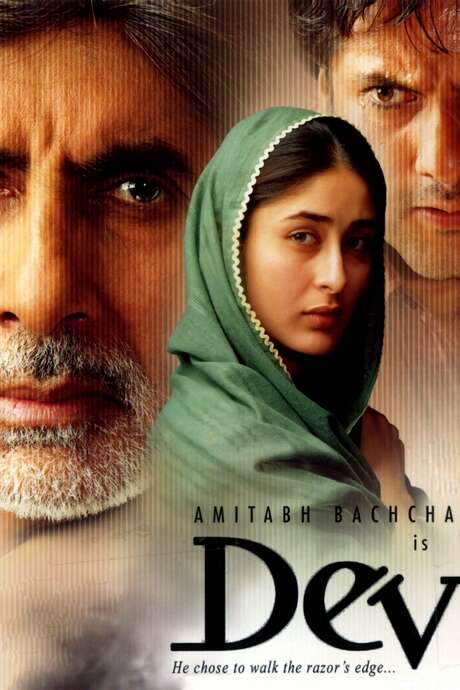
Dev
Year: 2004
Runtime: 176 mins
Language: Hindi
Director: Govind Nihalani
Joint Commissioner Dev Pratap Singh, an officer, and his friend, Special Commissioner Tejinder Khosla, balance Chief Minister Bhandarker’s politics. Law graduate Farhaan, raised on non‑violence, is wounded by Dev and sees his father killed, pushing him into rage. Corrupt Latif manipulates him, endangering the city; innocent Aalyn, Farhaan’s love, stands for truth.
Where to Watch Dev?
Find where to stream, rent, or buy Dev (2004) in the US with current JustWatch availability, up-to-date pricing, and platform listings for subscription, rental, and digital purchase options.





Streaming availability powered by 
Warning: spoilers below!
Haven’t seen Dev yet? This summary contains major spoilers. Bookmark the page, watch the movie, and come back for the full breakdown. If you're ready, scroll on and relive the story!
Dev (2004) – Full Plot Summary & Ending Explained
Read the complete plot breakdown of Dev (2004), including all key story events, major twists, and the ending explained in detail. Discover what really happened, and what it all means.
Two lifelong friends, Dev Pratap Singh, a duty-bound Joint Commissioner of Police, and Tejinder Khosla, the balancing force between political interests of Chief Minister Bhandarker and the rule of law, navigate a city where power and justice constantly clash. Each man holds firm to his own ideals: Dev champions strict adherence to the law, while Tejinder weighs political realities against public safety, trying to maintain order without sacrificing integrity. Their bond sits at the heart of a turbulent urban landscape where every decision ripples through communities, politics, and the streets.
Farhaan is a fresh law graduate raised on ideals of non-violence and patriotism. A peace demonstration turns brutal when his father dies, and Dev’s actions—even if unintended—leave Farhaan wounded in more ways than one. That single moment seeds a corrosive anger inside him, steering his future away from the quiet pursuit of justice and toward a path marked by rage and catastrophe. The city’s fragile peace tilts as Farhaan’s sense of purpose becomes hijacked by a harsher, more violent resolve.
Taking advantage of Farhaan’s vulnerabilities, Latif, a corrupt politician, steers him toward violence. He supplies training, guidance, and the means to wield a gun, transforming a hopeful young man into a dangerous instrument whose loyalty is to political power rather than the people he once sought to protect. This manipulation exposes how swiftly a principled upbringing can be bent by cynical ambition, and how easily fear can masquerade as righteous action when violence becomes a shortcut to “order.”
Aaliya enters Farhaan’s life as a beacon of light—beautiful, sincere, and brave enough to challenge the darkness around them. She embodies innocence and courage, standing up for truth even as she, too, is drawn into the extraordinary circumstances spiraling around Farhaan. Her presence offers a counterpoint to the violence, reminding him of a future that might still be saved by integrity and love.
On a train bound for Bombay from Surat, a police inspector interrogates Farhaan about his purpose in the city and any potential links to Pakistan. He explains he’s going to live with his father and has no such connections. As he probes deeper, he discovers that the Mumbai Police are targeting Muslims under the banner of counter-terrorism, resulting in killings that shock him into questioning the system. He learns that Dev Pratap Singh is involved in this ruthless campaign, a revelation that fuels his inner conflict and pushes him toward a pivotal choice about whom he will trust.
Farhaan’s sense of betrayal gives way to a grim realism as he joins Latif in the fight he’s been drafted into. He undergoes further indoctrination in weapon-handling and is prepared for operations that blur the line between justice and vengeance. Yet when the moment comes to act, he cannot bring himself to kill Dev—who escapes, rattled but alive—revealing the fragility of the line between heralded authority and failed governance.
Meanwhile, Chief Minister Bhandarker presses a ruthless campaign to root out perceived terrorists, stacking the deck in favor of swift, brutal measures and sidelining due process. The violence intensifies as Farhaan’s life intertwines with a riotous climate that destabilizes both Hindu and Muslim communities. In the chaos, Latif plots and coordinates a wave of attacks against Hindu targets, while his ally Mangal Rao—a right-wing figure who rises to organize the riots—stirs sectarian fury and fanatical crowds. The city becomes a tinderbox where every act of retaliation feeds another round of violence.
When a package Farhaan delivers explodes near a Hindu temple, the resulting carnage devastates neighborhoods and ignites widespread riots. Hundreds lose their lives as authorities are instructed to stand by rather than intervene, deepening the fracture between communities. Latif mobilizes his men to strike at Hindus and Hindu establishments, escalating fear and mistrust throughout the region. To end the bloodshed, Latif and Mangal Rao agree to a fragile truce on one condition: no Muslim male, female, or child may file an FIR in any police station. This chilling stipulation locks the community in silence and exposes the darkest side of political bargains.
In the fallout, Farhaan realizes he has been a pawn in Latif’s larger game. With his faith in the manipulators shattered, he makes a decisive pivot, choosing to place his trust in Dev Pratap Singh and to become an informer. The choice marks a turn toward accountability, even as the city’s wounds run deep and the futures of many—friends, lovers, and strangers alike—hang in a delicate balance between justice and vengeance.
Last updated: October 09, 2025 at 15:15
Dev (2004) Plot Questions Answered – Summary FAQ
Explore frequently asked questions about Dev (2004) with spoiler-rich answers covering the full plot summary, major story beats, character motivations, hidden details, and ending meaning. This movie summary FAQ helps explain confusing scenes, plot twists, and narrative decisions in clear, searchable detail.
Why does Farhaan turn to violence after the peace demonstration?
Farhaan's transformation stems from witnessing his father's death during a peaceful demonstration that turned brutal. While Dev Pratap Singh's police actions were intended to control the crowd, they inadvertently caused the deaths. Farhaan himself was wounded in the chaos, and the traumatic loss of his father, combined with his own injury, ignites a deep sense of betrayal and anger toward the system he once believed in.
The film establishes Farhaan's commitment to non-violence and patriotism early on, making his radicalization even more tragic.
How does Latif manipulate Farhaan into becoming a weapon?
Latif exploits Farhaan's vulnerability after the traumatic demonstration by presenting himself as an ally against oppression. He provides firearms training and channels Farhaan's anger toward actionable violence against the regime. Latif frames this path as righteous resistance, effectively converting a principled law graduate into a dangerous instrument of political power.
What causes the explosive package to detonate near the Hindu temple?
Farhaan delivers a package to a man near a Hindu temple as instructed by Latif. After completing the delivery, he stops to buy snacks nearby. The package explodes at that moment, killing several bystanders. The blast triggers widespread communal riots, devastating neighborhoods and escalating violence between Hindus and Muslims.
Farhaan receives weapon training and is prepared for operations that blur justice and vengeance.
Why do the police refuse to intervene during the riots?
Chief Minister Bhandarker orders the police to stand by and observe rather than intervene during the riots. This deliberate inaction allows the violence to spiral out of control, resulting in hundreds of deaths. The crackdown serves the political agenda of eliminating perceived terrorist elements, even at the cost of innocent lives and community fracture.
Chief Minister Bhandarker already pursues ruthless anti-terrorism measures that bypass due process.
What is the significance of the truce condition that prevents Muslims from filing FIRs?
After the riots, Latif and Mangal Rao agree to a fragile truce with one condition: no Muslim male, female, or child may file a First Information Report at any police station. This stipulation silences the Muslim community, preventing them from seeking justice or reporting crimes, effectively locking them in fear and exposing how political bargains sacrifice minority rights.
Why does Farhaan fail to kill Dev when he has the chance?
When Farhaan confronts Dev during the assassination attempt, he cannot bring himself to pull the trigger. Despite his anger and radicalization, the remnants of his peaceful upbringing and moral compass prevent him from committing cold-blooded murder. Dev escapes unharmed but shaken, revealing how the line between righteous anger and unjust violence remains fragile.
Farhaan's initial training and indoctrination prepare him for violence, yet his core values persist.
Why does Farhaan decide to become an informer for Dev?
Farhaan realizes he has been a pawn in Latif's larger political game, manipulated into causing violence that serves corrupt interests rather than justice. With his faith in Latif shattered, he chooses to place his trust in Dev Pratap Singh and becomes an informer to fight the truth from within Latif's network. Aaliya's influence as a beacon of integrity also pushes him toward this path of accountability.
Aaliya consistently stands for truth, challenging the darkness around Farhaan.
Why does Dev's anti-terrorism campaign specifically target Muslims?
Joint Commissioner Dev Pratap Singh oversees a ruthless counter-terrorism operation that disproportionately targets Muslims in Bombay. While framed as security measures, the campaign uses the banner of fighting terrorism to justify systematic targeting, creating a climate of fear and injustice that radicalizes innocent people like Farhaan.
On the train, Farhaan first learns about the police targeting Muslims under the guise of counter-terrorism.
What role does Tejinder Khosla play in the conflict?
Tejinder Khosla serves as the Special Commissioner who balances the political interests of Chief Minister Bhandarker with the rule of law. He tries to maintain order without sacrificing integrity, acting as a counterweight to Bhandarker's ruthless policies. His friendship with Dev provides a moral anchor amid the escalating violence and political corruption.
How does Aaliya influence Farhaan's decisions?
Aaliya enters Farhaan's life as a beacon of light, beautiful, sincere, and brave enough to challenge the darkness around them. Her presence represents innocence and moral courage, standing up for truth even as circumstances spiral violently. She becomes a catalyst for Farhaan's eventual redemption, reminding him of a future that can still be saved by integrity and love.

Explore Movie Threads
Discover curated groups of movies connected by mood, themes, and story style. Browse collections built around emotion, atmosphere, and narrative focus to easily find films that match what you feel like watching right now.
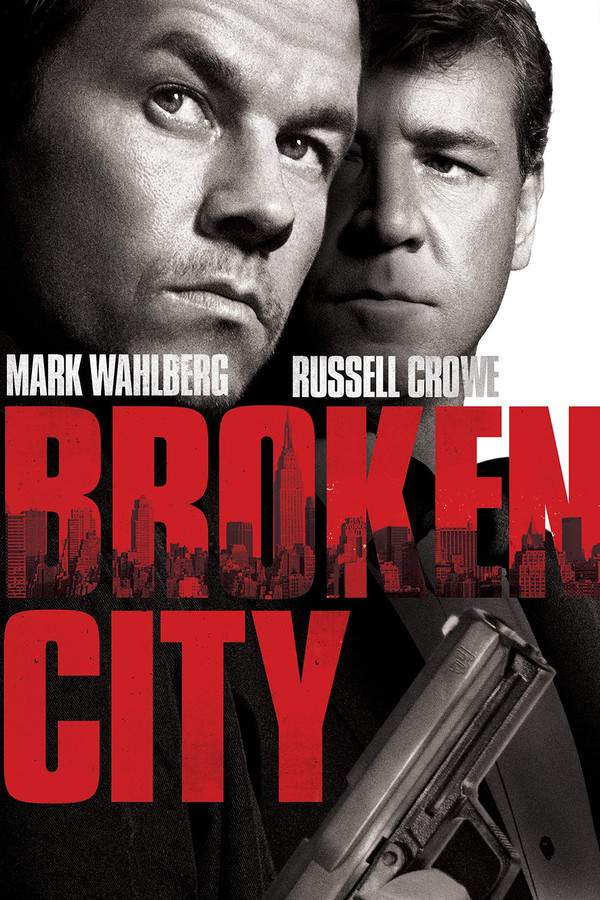
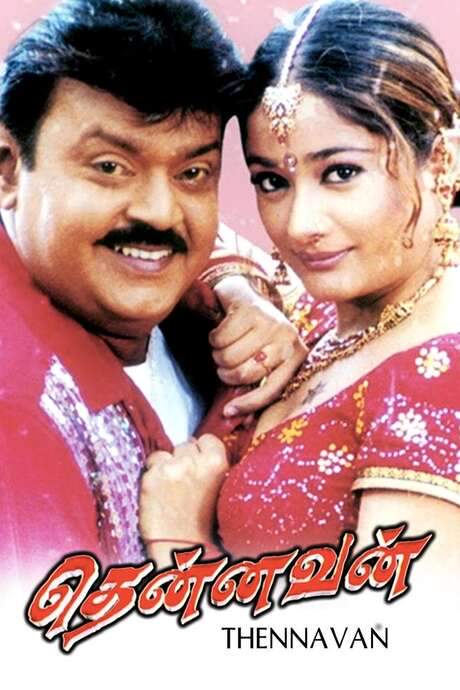
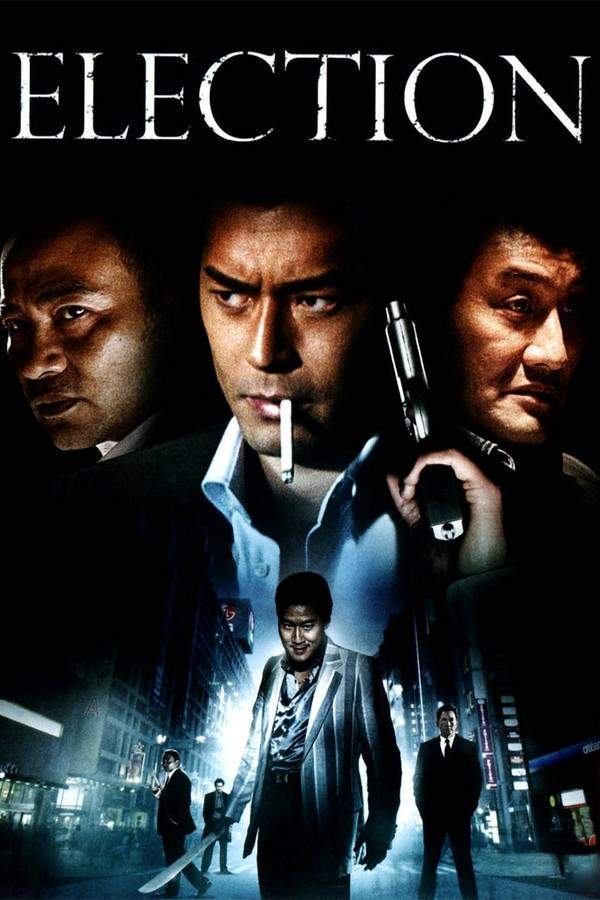
Gripping political thrillers like Dev set in corrupt cities
Intense stories where the city itself is a battleground of ideals and corruption.For viewers who liked Dev, this section features movies with similar themes of political manipulation and urban chaos. Explore other intense dramas that pit idealistic individuals against deeply entrenched systems of power, offering a sobering look at the cost of corruption.




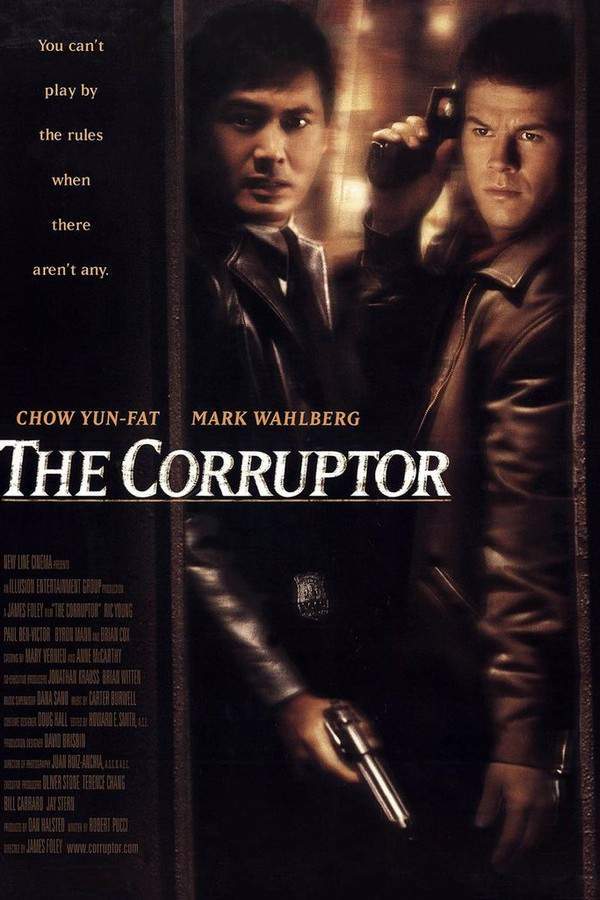

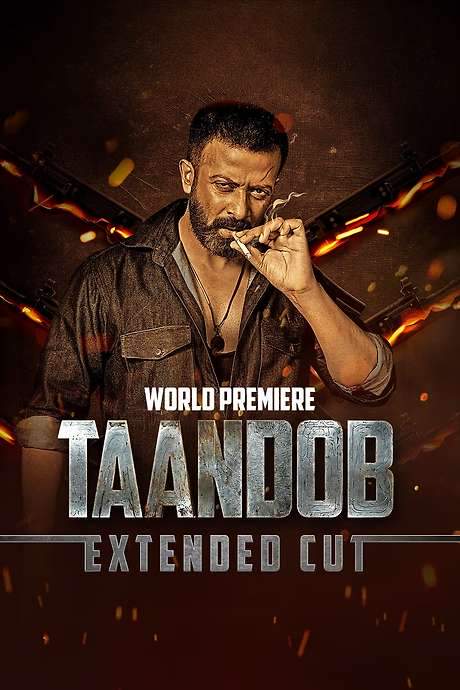


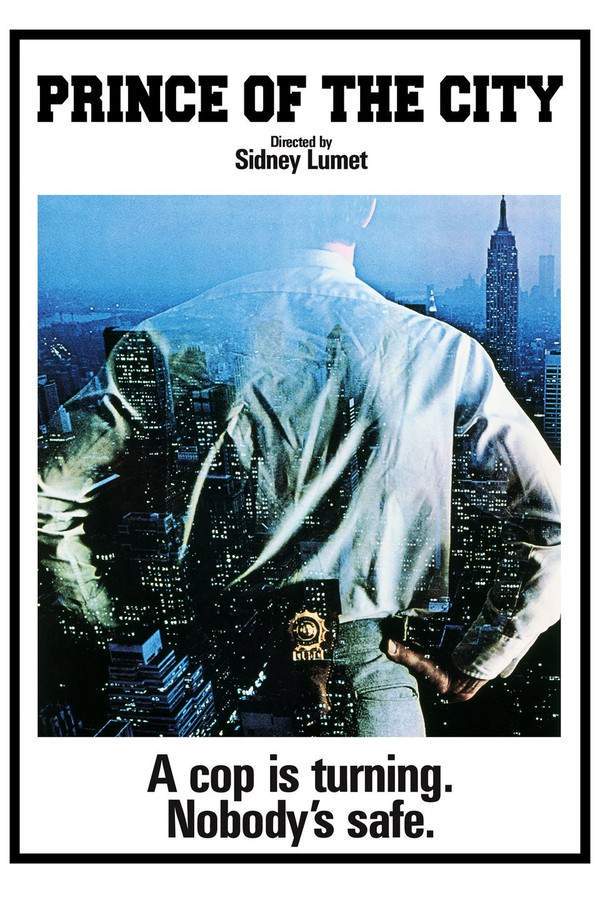
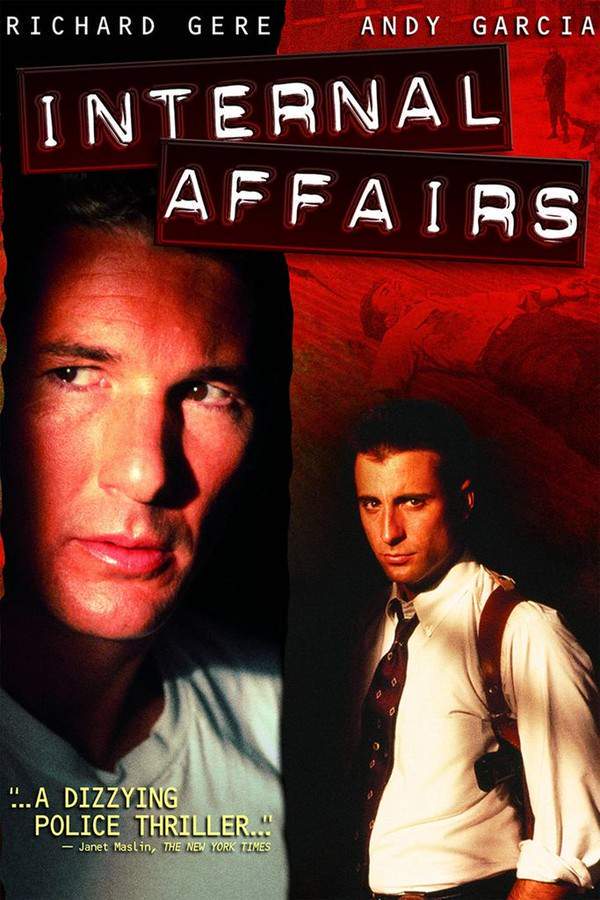

Narrative Summary
The narrative typically follows multiple perspectives—often a principled official, a corrupted pawn, and an innocent civilian—as their lives collide within a volatile urban setting. The plot centers on a major political or criminal event that exposes the fragile seams of society, leading to widespread conflict and a testing of personal loyalties.
Why These Movies?
They are grouped by their shared focus on the breakdown of social order due to political machinations. The films share a high-intensity, tense atmosphere, a heavy emotional weight from dealing with betrayal and violence, and a steadfast pacing that builds toward a climactic confrontation.
Movies about radicalization and redemption like Dev
Stories of characters who lose their way to violence but fight for a path back.If you were captivated by Farhaan's journey in Dev, discover other films that explore the painful arc of radicalization and the struggle for redemption. These stories are character-driven, emotionally heavy, and often end on a bittersweet note, acknowledging the scars left by violence.

Redemption
2013

Let There Be Light
2017

A Good Person
2023

The Unforgivable
2021

Breaking the Frame
2014

Some Kind of Hero
1982

Beyond Dreams
2017

The Free World
2016

Like Dandelion Dust
2009

Troubled Water
2021

Sweet Bird of Youth
1962

It Ends with Us
2024

The Forgiven
2018

Desperation Road
2023

The Rhythm Section
2020
Narrative Summary
The narrative follows a protagonist who, due to a profound personal loss or injustice, is pushed from a path of peace into one of violence or extremism. They become a pawn in a larger conflict before a catalyst forces a reckoning, leading to a painful and incomplete redemption where some hope is found, but the damage done is irreversible.
Why These Movies?
These movies share a specific, heavy character arc centered on loss, rage, and the difficult quest for atonement. They are united by a bittersweet ending feel, a steady pacing that carefully charts the character's internal transformation, and a high emotional weight driven by themes of betrayal and the cost of violence.
Unlock the Full Story of Dev
Don't stop at just watching - explore Dev in full detail. From the complete plot summary and scene-by-scene timeline to character breakdowns, thematic analysis, and a deep dive into the ending - every page helps you truly understand what Dev is all about. Plus, discover what's next after the movie.
Dev Timeline
Track the full timeline of Dev with every major event arranged chronologically. Perfect for decoding non-linear storytelling, flashbacks, or parallel narratives with a clear scene-by-scene breakdown.

Characters, Settings & Themes in Dev
Discover the characters, locations, and core themes that shape Dev. Get insights into symbolic elements, setting significance, and deeper narrative meaning - ideal for thematic analysis and movie breakdowns.


