Plot Explained Spoilers guaranteed!
Plot Explained

Browse by genre

Demons of War (1998) movie poster

Timeline

Demons of War (1998) Timeline Explained – Every Event in Order

Release, runtime and language
1998 · 93 mins · Polish
Directed by
Władysław Pasikowski
Starring
Zbigniew Zamachowski, Piotr Polk, Szymon Bobrowski, Olaf Lubaszenko, Mirosław Baka, Radosław Pazura

An IFOR detachment in Bosnia is led by Major Keller, investigated for insubordination after a Srebrenica patrol. Lieutenant Czacki and Major Kusz arrive to lead the inquiry and replace Keller as commander. Defying orders, Keller leads a platoon to rescue the crew of a downed Norwegian helicopter when the camp’s radio operator receives a distress call.

On this page (5)
  1. 1 Events in order (14)
  2. 2 Timeline questions answered
  3. 3 Movie threads
  4. 4 Movies like Demons of War
  5. 5 Every angle

14 events in order · contains spoilers

Demons of War Timeline: Events in Chronological Order

Every key event of Demons of War (1998) in order, scene by scene, with when and where it takes place. Use it to untangle flashbacks, time jumps and parallel storylines, to refresh your memory before the sequel or to find the exact scene you are thinking of.

  1. Detention and release of mercenaries in Srebrenica

    A Polish IFOR unit detains three foreign mercenaries in Srebrenica who are about to be executed by a Bosnian mob. The mercenaries are released after this intervention, demonstrating the unit’s willingness to intervene in volatile local affairs. This event foreshadows the fragile peacekeeping environment the unit operates within.

    When
    February 1996
    Where
    Srebrenica
  2. Investigation opens into Major Keller

    Soon after the mercenary incident, Major Edward 'Edek' Keller comes under formal scrutiny for insubordination and clashes with Bosnian militias and foreign fighters. The inquiry accompanies Poland’s delicate push to join NATO, adding political pressure to the proceedings. Keller remains in command until the schedule change later that month.

    When
    February–March 1996
    Where
    IFOR base, Bosnia
  3. Czacki and Kusz arrive to replace Keller

    Lieutenant Czacki and Major Kusz arrive to take over command of the battalion on 1 March. Their arrival marks a formal transition as the investigation continues. Keller remains in command until his commission ends, despite the pending replacement.

    When
    1 March 1996
    Where
    Polish battalion base, Bosnia
  4. Distress call from a downed Norwegian helicopter

    The unit receives a distress call about a downed Norwegian helicopter and prepares for a search and rescue mission. Keller disobeys a direct IFOR order and proceeds with the operation against orders. The decision elevates tension between field initiative and chain-of-command.

    When
    February–March 1996
    Where
    Field near Srebrenica
  5. Discovery of dead helicopter crew and pursuit of militia

    Keller's team locates the helicopter and finds the crew dead, prompting them to pursue the Bosnian militia responsible for the attack. The mission shifts from rescue to counter-insurgency as they track the aggressors. The pursuit tests the unit's resolve and discipline.

    When
    February–March 1996
    Where
    Helicopter crash site, field near Srebrenica
  6. Militia holds captives Nicol and Ivanov

    The Bosnian militia detains two captives, Nicol the French journalist and Dano Ivanov, a Bosnian press representative. Keller’s unit learns of the captives and plans their extraction while navigating the hostile environment. The hostage situation raises the stakes for the rescue operation.

    When
    February–March 1996
    Where
    Militia camp near Srebrenica
  7. Keller rescues the captives

    Keller uses stealth to kill a militiaman and frees Nicol and Ivanov. The unit then moves toward a helicopter extraction, hoping to avoid a renewed pursuit. The rescue demonstrates Keller’s willingness to take bold, risky action.

    When
    February–March 1996
    Where
    Militia camp
  8. Extraction helicopter downed; ambush ensues

    During the extraction, the unit's helicopter is shot down and the Polish soldiers are ambushed. Several men are wounded as they fight to repel the attackers and survive the extraction attempt. The encounter reinforces the brutality of street warfare around peacekeeping lines.

    When
    February–March 1996
    Where
    Extraction site; field near village
  9. Farm camp: videotape in play

    The unit camps at a farm where they learn Ivanov possesses a videotape the militia wants. Nicol explains that the tape allegedly shows a mass execution ordered by the Bosnian Prime Minister. The discovery intensifies the political stakes of the mission.

    When
    Following morning after extraction
    Where
    Farm camp
  10. Ivanov escapes; pursuit resumes

    In the night, Ivanov kills one of Keller's soldiers and escapes, forcing the unit to pursue him toward their base. They are ambushed again on the march, signaling that the militia is closing in. The pursuit underscores the persistent danger despite their aim to protect civilians.

    When
    Next morning
    Where
    From farm toward base
  11. Tape’s true nature revealed

    After a tense confrontation, it is revealed that the videotape is not the mass-execution footage but a Polish pornography tape. The unit retrieves the tape, but its political leverage remains a weapon in the conflict. This twist adds irony to the unit’s dangerous mission.

    When
    Shortly after ambush
    Where
    Base camp
  12. Confrontation with Skija; Skija killed

    Keller confronts Skija, the militia leader, in a village set ablaze. Kusz saves Keller in the fight, and Skija is killed. The confrontation exposes bribery schemes surrounding Ivanov and the tape. The action sequence underscores the war’s chaotic nature.

    When
    Late mission
    Where
    Gypsy village
  13. Command change and tape handed to Nicol

    Back at base, Keller is relieved of command and Kusz takes control of the battalion. Keller passes the tape to Nicol, ensuring the journalist departs with sensitive material. The unit bears the emotional cost of war, highlighted by coffins carried on the approach to returning home.

    When
    End of mission
    Where
    Polish battalion base
  14. Keller’s departure and farewell

    Keller boards a plane back to Poland, surrounded by coffins of fallen comrades. The final shot emphasizes the heavy cost of peacekeeping and the toll of war on the soldiers who survived. The credits-level close shows the personal sacrifice behind the mission.

    When
    Post-Operations
    Where
    Onboard plane to Poland

Last updated: October 09, 2025 at 09:28

Was this helpful?

Timeline questions answered

Demons of War Timeline Explained: Your Questions Answered

When does it happen, and why in that order? The questions people ask about the chronology of Demons of War (1998): time jumps, flashbacks, cause and effect between scenes and the correct order of events, each answered with spoilers.

Q1

Why does Major Keller defy orders to rescue the Norwegian helicopter crew?

Keller acts on the distress call despite direct IFOR orders to stand down because he believes his unit has a duty to attempt a rescue. His leadership style is characterized by decisive, often defiant action, prioritizing immediate human lives over bureaucratic hesitation. The rescue mission also occurs against the backdrop of his pending investigation for insubordination, suggesting Keller prioritizes military pragmatism over political considerations.

Foreshadowing: Earlier in the film, Keller's willingness to intervene, detaining and releasing mercenaries in Srebrenica, demonstrates his pattern of acting first and answering later.

  • major keller
  • ifor
  • defiance
  • rescue mission
  • bosnia
Q2

Why is Major Keller under investigation for insubordination?

Keller faces an official probe because his leadership has clashed repeatedly with local Bosnian militia and foreign fighters, and he frequently defies chain-of-command decisions. The timing is politically sensitive as Poland seeks NATO membership, making any disciplinary issues diplomatically problematic. The investigation is conducted by Lieutenant Czacki and Major Kusz, who arrive to take over command.

  • investigation
  • insubordination
  • nato membership
  • polish army
Q3

Why does the Bosnian militia want the videotape held by Ivanov?

The militia believes Ivanov possesses a videotape that allegedly shows a mass village execution ordered by the Bosnian Prime Minister. This footage would be politically explosive, potentially blackmailing top officials or exposing war crimes. The militia's desperation to retrieve the tape drives much of their pursuit of the Polish unit.

Foreshadowing: The militia's intense interest in the tape becomes clear immediately after the captives are rescued, as they intensify attacks to recover it.

  • videotape
  • ivanov
  • militia
  • execution
  • bosnian prime minister
Q4

What was actually on the videotape?

The videotape that Ivanov carried was not the alleged execution footage at all, it was a Polish pornography tape. This ironic twist undermines the militia's political leverage and reframes the entire dangerous mission. The revelation exposes how the pursuit was based on a misunderstanding, adding cynical commentary on truth and media in war.

  • videotape
  • pornography
  • twist
  • irony
Q5

Why does Ivanov escape and kill one of Keller's soldiers?

Ivanov escapes from the farm camp at night, killing one of Keller's soldiers in the process. His escape suggests he feared being handed over to authorities or being used as political leverage. The escape triggers another ambush as the unit pursues him, demonstrating how the captives' own actions endanger the soldiers trying to protect them.

  • ivanov
  • escape
  • soldier killed
  • ambush
Q6

How does Major Keller kill the militia leader Skijo?

Keller confronts Skijo at the Gypsy village that the militia threatens to burn. During the fierce engagement, Kusz saves Keller's life, and together they kill Skijo. This decisive confrontation ends the militia's organized resistance and removes the primary antagonist threatening the unit.

  • skijo
  • killed
  • confrontation
  • village
Q7

Why is Major Keller relieved of command at the end?

Keller is relieved of command because he repeatedly defied direct orders from superior officers, including the explicit order to stand down during the rescue mission. Despite the mission's success in rescuing the captives and eliminating the militia threat, his pattern of insubordination, ongoing throughout the film, leads to his removal as Kusz takes over the battalion.

  • keller
  • relieved
  • command
  • kusz
Q8

Why is the extraction helicopter shot down?

The extraction helicopter is shot down by the Bosnian militia during the rescue operation, resulting in an ambush on the Polish soldiers. This attack forces the unit to fight their way out on foot and increases casualties significantly, demonstrating the hostile environment even during supposed peacekeeping operations.

  • helicopter
  • shot down
  • extraction
  • ambush
Q9

Why do the Polish troops release the mercenaries in Srebrenica?

The Polish IFOR unit detains three foreign mercenaries who are about to be executed by a Bosnian mob, then releases them. This intervention demonstrates the unit's willingness to act in volatile local affairs despite the diplomatic complexities. However, it also triggers the chain of events leading to the investigation into Keller's command.

  • mercenaries
  • srebrenica
  • released
  • bosnian mob
Q10

What is the significance of Keller giving the tape to Nicol before leaving?

Before departing, Keller entrusts the tape, whether pornographic or not, to Nicol, the French journalist. This gesture symbolizes the fragile relationship between truth, media, and warfare. It also represents Keller's final act of ensuring the story (whatever it represents) reaches the outside world, reflecting his understanding of information as power in the conflict.

  • nicol
  • tape
  • journalist
  • media
Q11

Why does the militia threaten to burn the Gypsy village?

Skijo's militia threatens to burn a Gypsy village near the Polish camp, adding another layer of violence to the conflict. This threat forces Keller and Kusz to press through additional engagements to protect civilians, further complicating their mission and demonstrating the various factions fighting in the region.

  • gypsy village
  • skijo
  • civilians
  • threat

Movie threads

More Movies Like Demons of War, by Mood & Story

Curated lists built around what makes Demons of War tick: the same mood, the same kind of story or the same emotional payoff. Each list explains why these movies belong together.

Grim war movies with moral collapse like Demons of War

Stories where wartime duty clashes with impossible moral compromises. If you liked the heavy moral dilemmas and grim atmosphere of Demons of War, explore more movies like it. These films are intense, fast-paced war dramas that explore the dark side of conflict and the difficult choices soldiers must make for survival.

  • grim
  • tense
  • morally complex
  • oppressive
  • war-weary
  • anxious
  • Tone: dark, tense, somber
  • Pacing: fast, chaotic
Why these movies?

The story pattern: Narratives in this thread often follow a linear, mission-driven structure that is complicated by external political pressure and internal moral conflict. The journey is typically one of disillusionment, where characters are forced to act against their principles, leading to a somber or bittersweet resolution.

Why they belong together: These movies are grouped together because they share a dark, tense tone and a high-intensity viewing experience. They are united by a focus on the grim realities of combat, the psychological weight of command, and the exploration of moral ambiguity in life-or-death situations.

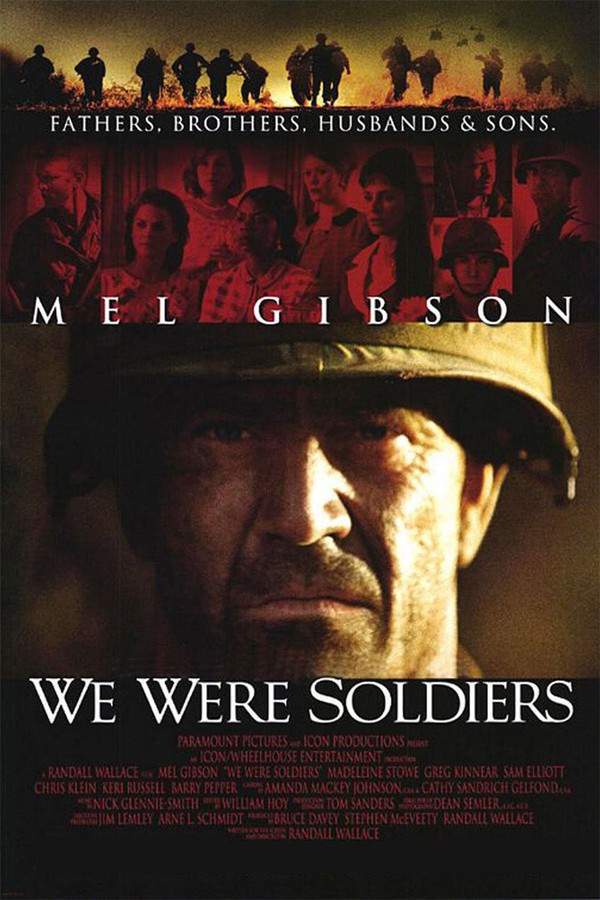
Movies about defiant rescue missions like Demons of War

Characters who defy authority on a dangerous mission to save lives. For viewers who enjoyed the tense rescue mission in Demons of War where the commander acts against orders. These similar movies feature high-stakes stories of insubordination for a moral cause, often with a bittersweet ending and heavy emotional consequences.

  • tense
  • urgent
  • defiant
  • sacrificial
  • anxious
  • high-stakes
  • Tone: tense, morally complex, bittersweet
  • Pacing: fast, urgent
Why these movies?

The story pattern: The pattern involves a protagonist, often a military or authority figure, receiving orders that conflict with their moral duty. They choose to disobey, leading a small team on a high-risk operation. The journey is filled with tension and sacrifice, culminating in a resolution that validates their choice but comes at a significant personal cost.

Why they belong together: These films are connected by a specific plot archetype: the defiant mission. They share a fast pace, high tension, and a focus on the conflict between individual conscience and institutional authority. The emotional core is the heavy weight of choosing between duty and humanity.

If you liked this

Movies Like Demons of War

Similar movies to Demons of War: the same genre, themes or kind of story. Each one comes with its own plot summary, timeline and ending explained.

Browse all movie summaries

Every angle

Demons of War (1998) Explained: Plot, Timeline & Characters

Everything about Demons of War in one place: what happens in the plot summary, the timeline in chronological order, the characters and meaning and a spoiler-free summary. What's After the Movie adds the cast, box office and post-credit scenes.

Coming soon on iOS and Android

The Plot Explained Movie Summary App

Plot summaries, endings explained and timelines on your phone. Catch up on any movie in minutes, save your favorites and never miss a twist again.

Be the first to know when we launch. Your email stays private, always.

Learn more about the app