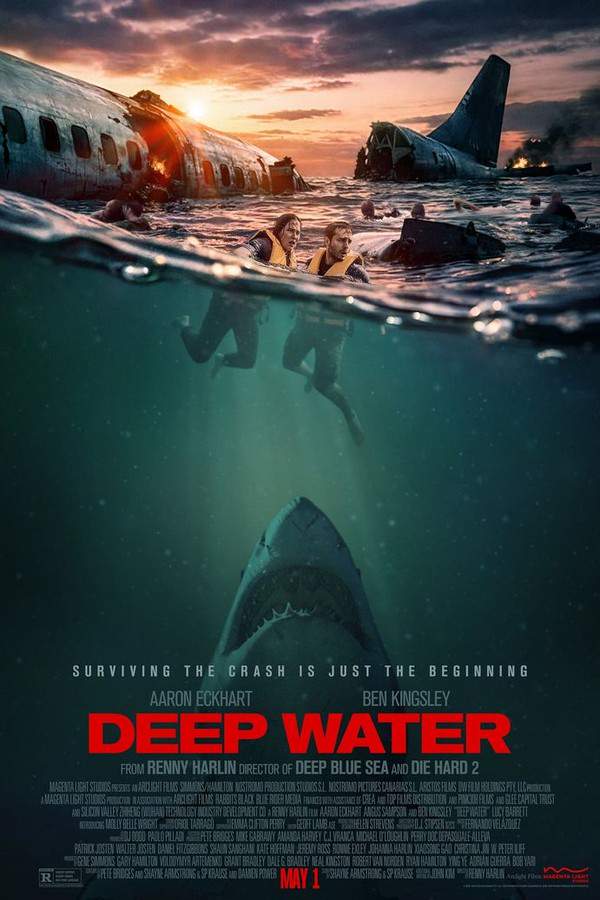
#28252 Year: 2026
Runtime: 1 h 50 m
Language: english
Director: Renny Harlin
Echo Score: 57Budget: $40M
A commercial flight bound for Shanghai crashes in the middle of the Pacific Ocean. The passengers manage to escape the wreckage, only to find that the remote waters are teeming with sharks. Stranded and hunted, they must work together to stay alive while confronting the predatory threat and the harsh sea.
Find where to stream, rent, or buy Deep Water (2026) in the US with current JustWatch availability, up-to-date pricing, and platform listings for subscription, rental, and digital purchase options.
Warning: spoilers below!
Haven’t seen Deep Water yet? This summary contains major spoilers. Bookmark the page, watch the movie, and come back for the full breakdown. If you're ready, scroll on and relive the story!
Still thinking about how Deep Water (2026) ended? Here’s a full breakdown of the ending, key final moments, major twists, and the deeper meaning behind the film’s conclusion.
The ending of Deep Water delivers a chilling resolution to the twisted dynamic between Vic and Melinda Van Allen, suggesting that their toxic bond is stronger than any conventional morality. After Vic murders Melinda’s lover, Tony, to hide the evidence, he is witnessed by his neighbor, Don. In a desperate scramble to protect his secret, Vic chases Don on his bike, causing Don to swerve off a cliff to his death. With the external threat eliminated, the focus shifts to the domestic sphere, where the film’s most disturbing revelation takes place. Upon returning home, Vic discovers that Melinda has found Tony’s wallet hidden in his snail collection. Rather than using this evidence to condemn him, she burns Tony’s licenses, choosing to become an accomplice in her husband’s crimes.
This act of destruction signals a perverse renewal of their marriage vows. Throughout the film, Melinda taunted Vic for his lack of passion and indifference, yet his violent actions finally prove the depth of his obsession. By covering up the murder, Melinda acknowledges that his brutality is a twisted form of devotion, satisfying the emotional void she previously lamented. Their daughter, Trixie, further cements this unity by throwing Melinda’s packed suitcase into the pool, declaring that the family is not leaving. Trixie, who has been aware of her father’s actions all along, represents the next generation of this complicit unit, accepting the family’s dark reality without judgment.
The film’s conclusion diverges significantly from the source material, offering a darker, more psychological fate for the characters. While the novel sees Vic killing Melinda to silence her, the movie grants the couple a grim “happily ever after.” They are united not by romance, but by shared guilt and a mutual understanding that their marriage thrives on a dangerous balance of infidelity and violence. As Trixie sings “You Make Me Feel Like Dancing” in the final moments, the audience is left with the unsettling realization that this family has found a functional, if morally bankrupt, way to stay together. The ending posits that for Vic and Melinda, the ultimate act of intimacy is becoming partners in crime.
Last updated: June 09, 2026 at 06:41
Read frequently asked questions about the ending of Deep Water (2026), including final-scene interpretation, twist explanations, character outcomes, and the deeper meaning behind the conclusion. This ending explained FAQ is designed for viewers searching for clear spoiler-heavy answers and ending breakdown insights.
Melinda burns Tony's wallet and licenses because she chooses to become complicit in Vic's crime. Finding the wallet hidden in Vic's snail collection reveals that Vic murdered her lover to protect their secret. Rather than condemning him, Melinda destroys the evidence, signaling her acceptance of his violent devotion. This act completes her transformation, she no longer needs Vic to be passionate; his brutality has finally proven the depth of his obsession.
Earlier in the film, Melinda taunted Vic for his lack of passion and indifference, setting up her eventual satisfaction with his violent actions.
Don dies after Vic chases him on a bike. Don witnesses Vic disposing of Tony's body and flees. Vic pursues him desperately to silence the witness, causing Don to swerve off a cliff in panic. The fall kills Don, eliminating the last external threat to Vic's secret.
Don's curiosity about the neighborhood conflicts between Vic and Melinda positions him as a dangerous witness.
Trixie throws her mother's packed suitcase into the pool to signal that the family is not leaving. This act represents her acceptance of the family's dark reality. Trixie has been aware of her father's actions throughout the film and deliberately chooses to stay, cementing the family's united front of complicity.
Trixie's early knowledge of her father's activities is established through subtle hints throughout the narrative.
Trixie singing "You Make Me Feel Like Dancing" in the final moments creates a chilling contrast between the song's cheerful theme and the family's morally bankrupt reality. The song underscores that this dysfunctional unit has found a functional, if twisted, way to stay together. It represents the next generation's acceptance of their parents' dark partnership in crime.
The song choice contrasts with the dark subject matter, highlighting the family's denial and distorted worldview.
The movie ending diverges significantly from the source material. In the novel, Vic kills Melinda to silence her after she discovers his crimes. The film grants them a grim "happily ever after", they remain together, united by shared guilt rather than romance. This darker psychological fate suggests their toxic bond is stronger than conventional morality.
The film's departure from the novel's violent conclusion is set up by the couple's complex dynamic throughout.
Vic kills Tony, Melinda's lover, to hide the evidence of their affair and protect his marriage secret. When Tony threatens to expose the relationship, Vic murders him, realizing that his only option to maintain control is elimination. This act of passion, ironically what Melinda accused him of lacking, becomes the proof of his devotion.
Melinda's repeated taunts about Vic's lack of passion and her open affairs create the tension leading to this violent outburst.
Tony's wallet hidden in Vic's snail collection serves as the crucial piece of evidence that links Vic to the murder. When Melinda discovers it while sorting through the snail collection, she realizes Vic killed Tony. Rather than using this to condemn him, she burns the wallet and licenses, understanding that his violent actions were ultimately directed at preserving their marriage.
Vic's obsessive snail collecting is established early as his primary hobby, making this hiding spot both logical and ironic.
Melinda accepts Vic's violence because it finally proves the passion she always claimed he lacked. Throughout the film, she taunted him for indifference and sought affairs to fill an emotional void. Vic killing Tony, and subsequently Don, demonstrates a twisted form of devotion that satisfies her deepest need. She craves intensity, and his brutality provides it.
Melinda's ongoing accusations of Vic's emotional absence establish her psychological need for validation through extreme means.
The ending suggests Vic and Melinda's marriage thrives on a dangerous balance of infidelity and violence. They are united not by romance, but by shared guilt and mutual understanding. Melinda's act of destroying evidence transforms their relationship into a partnership in crime. For them, the ultimate intimacy is becoming accomplices.
The entire film builds toward revealing that their toxic dynamic is self-reinforcing.
Trixie has been aware of her father's actions throughout the film. Her knowledge is established through subtle observations of the household dynamics. By the ending, her deliberate choice to stay and throw out her mother's suitcase proves she accepts the family's dark reality without judgment. She represents the next generation of this complicit unit.
Trixie's behavior and observations throughout the film hint at her awareness of the household's secrets.
Discover curated groups of movies connected by mood, themes, and story style. Browse collections built around emotion, atmosphere, and narrative focus to easily find films that match what you feel like watching right now.
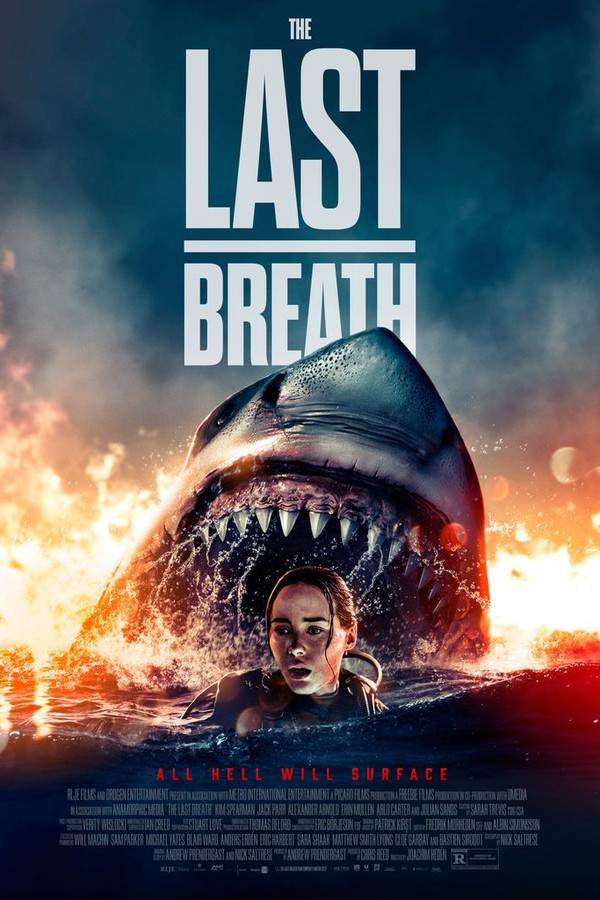
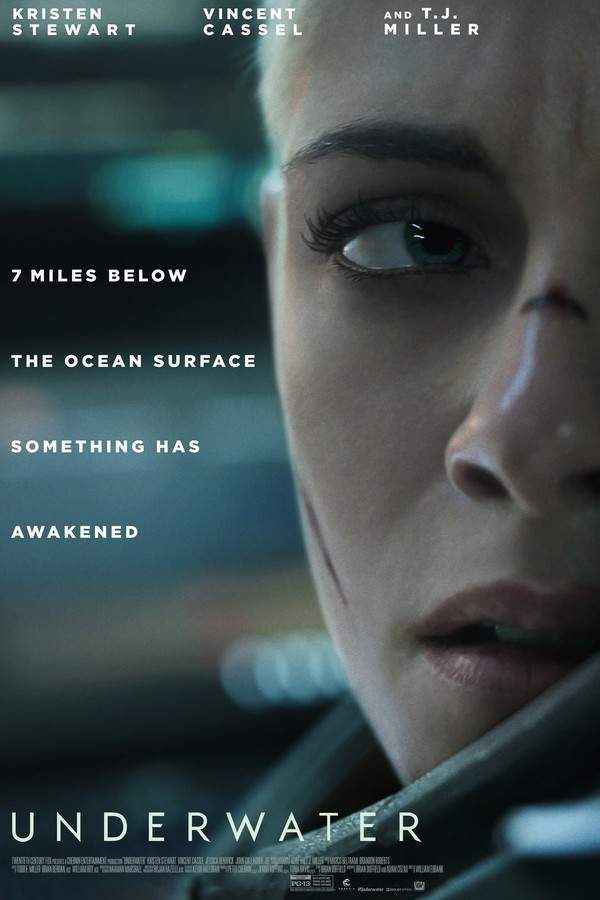
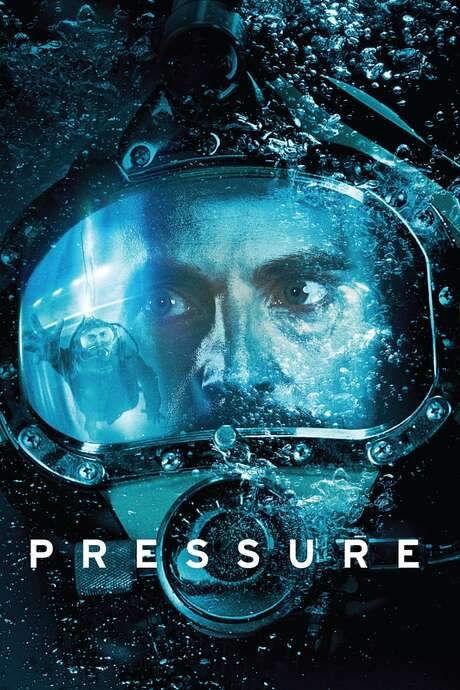
Trapped in the vast, unforgiving ocean with relentless predators hunting you.If you liked the relentless shark attacks and desperate survival of Deep Water, you'll love these movies. This collection features stories of people stranded at sea, fighting against nature and predators in a battle for survival.
These narratives begin with a catastrophic event that leaves characters isolated in the ocean. The plot is a straightforward fight for survival against both the environment and a predatory threat. Character arcs often involve confronting fear, making brutal sacrifices, and the psychological toll of being hunted in an inescapable setting.
They are grouped by their shared setting of open water, high-stakes survival scenarios, and the presence of a relentless natural predator. The experience is consistently tense, claustrophobic, and harrowing, with a fast pace and high intensity that mirrors the constant danger the characters face.
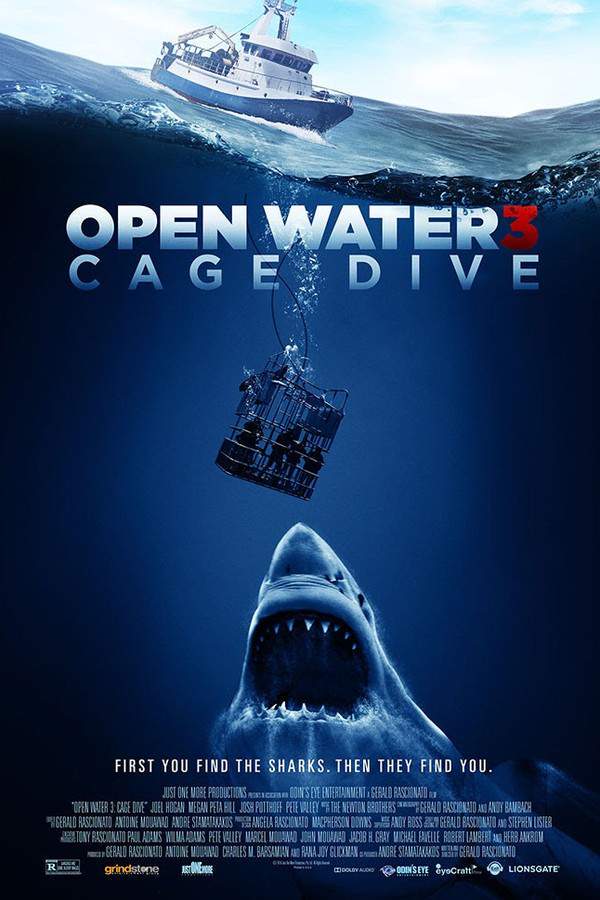
Strangers must overcome their differences to survive an immediate, collective threat.Fans of Deep Water's intense group dynamics and moral dilemmas will enjoy these movies. This list features high-tension stories where strangers must band together to survive a catastrophic event, often forming a found family in the process.
The narrative is triggered by a disaster that throws a diverse group into chaos. The plot follows their struggle to organize, manage resources, and defend against an ongoing threat. Character journeys involve rising to leadership, confronting personal flaws, and the emotional weight of loss and sacrifice, often culminating in a bittersweet resolution for those who survive.
They share a core focus on the dynamics of a group under extreme pressure. The experience is defined by heavy emotional weight, fast pacing due to relentless external threats, and a tense tone that explores the best and worst of human nature when survival is on the line.
Don't stop at just watching - explore Deep Water in full detail. From the complete plot summary and scene-by-scene timeline to character breakdowns, thematic analysis, and a deep dive into the ending - every page helps you truly understand what Deep Water is all about. Plus, discover what's next after the movie.
Read a complete plot summary of Deep Water, including all key story points, character arcs, and turning points. This in-depth recap is ideal for understanding the narrative structure or reviewing what happened in the movie.
Track the full timeline of Deep Water with every major event arranged chronologically. Perfect for decoding non-linear storytelling, flashbacks, or parallel narratives with a clear scene-by-scene breakdown.
Discover the characters, locations, and core themes that shape Deep Water. Get insights into symbolic elements, setting significance, and deeper narrative meaning - ideal for thematic analysis and movie breakdowns.