Plot Explained Spoilers guaranteed!
Plot Explained

Browse by genre

Deadly Games (1982) movie poster

Characters & Themes

Deadly Games (1982) Characters, Setting & Themes Explained

Release, runtime and language
1982 · 95 mins · English
Loading streaming availability…
Directed by
Scott Mansfield
Starring
Colleen Camp, Steve Railsback, June Lockhart, Denise Galik, Dick Butkus, William Patrick Johnson

He will hear your scream. A masked maniac obsessed with a monster‑themed board game turns the women of a small town into victims, killing a new prey each time the dice are rolled. After returning home to mourn her sister’s murder, Keegan teams up with cop Roger and reclusive projectionist Billy, only to become the killer’s next target.

On this page (8)
  1. 1 Where to watch
  2. 2 Characters explained (8)
  3. 3 Where & when it takes place
  4. 4 Themes & meaning (3)
  5. 5 Character & meaning questions
  6. 6 Movie threads
  7. 7 Movies like Deadly Games
  8. 8 Every angle
Loading streaming availability…

8 main characters · contains spoilers

Deadly Games Characters Explained: Who Is Who

The main characters of Deadly Games (1982), heroes and villains: what drives them, how they change over the course of the story and what each of them reveals about the film's bigger ideas.

  • Keegan Lawrence (Jo Ann Harris)

    Clarissa 'Keegan' Lawrence is a determined journalist who returns to her hometown after Linda’s death. She digs into the web of relationships surrounding her sister, forms a new romance with Roger, and ultimately confronts the killer in the theater basement. Her resilience and investigative instinct drive the pursuit of truth amid mounting danger.

    • 🕵️ Investigative
    • 💪 Resilient
    • 🧭 Loyal
  • Linda Lawrence (Alexandra Morgan)

    Linda is Keegan’s sister whose death sets the investigation in motion. She moves in social circles with multiple romantic entanglements and becomes a catalyst for the unraveling of hidden truths in the town. Her fate exposes how personal choices intersect with dangerous secrets.

    • 💃 Social
    • 💔 Tragic
    • 🧭 Catalyst
  • Roger Lane (Sam Groom)

    A police officer who appears friendly and dependable but harbors a deadly obsession. He engineers fear, then escalates to murder, using his position to manipulate trust. His dual nature is the central concealment around which the killer’s identity and motives revolve.

    • 🕵️‍♂️ Deceptive
    • 🗝️ Power
    • 🧩 Manipulative
  • Randy (Colleen Camp)

    A social woman who is involved in a casual affair with Roger. Her vulnerability and high social visibility make her a prime target, illustrating how romantic entanglements intersect with dangerous secrets in the group.

    • 💃 Social
    • 💔 Romantic
    • 🩸 Target
  • Mary Adams (Denise Galik)

    A friend who reveals that the group’s loves and loyalties are not exclusive, hinting at shared affection complicating the pursuit of truth. Mary’s awareness of the dating dynamics foreshadows the motives behind the killings.

    • 👭 Friend
    • 🧭 Insightful
    • 🗝️ Motive hints
  • Chris Howlett (Christine L. Tudor)

    A member of the group who survives an early attack and whose experiences illuminate the danger that stalks the town. Her encounters with the killer drive the tension and raise questions about who is truly safe.

    • 🧭 Survivor
    • 🌫️ Tangled relationships
    • 🗡️ Target
  • Sooty Lane (Jere Rae Mansfield)

    A friend of the group whose fate underscores the reach of the killer. Sooty’s discovery among mannequins in a dim theater setting adds a gothic, macabre note to the investigation.

    • 👭 Friend
    • 🪦 Victim
    • 🎭 Theatrical
  • Billy Owens (Steve Railsback)

    A Vietnam War veteran who works at the local movie theater and shares a close bond with Roger. His silent, brooding presence contributes to the film’s ominous mood and eventual confrontation.

    • 🪖 Veteran
    • 🗨️ Quiet
    • 🧭 Ambiguous

Last updated: October 04, 2025 at 13:00

Was this helpful?

Setting

Where and When Does Deadly Games Take Place?

The setting of Deadly Games (1982): the year and time period, the places and locations, and how they shape the characters, the mood and the tension of the story.

Time period

Early 1980s

The events take place in a small-town setting typical of late 20th-century America, with social dynamics and violence echoing the era’s slasher film tropes. The presence of a Vietnam War veteran as a central character situates the story in a period not long after the war, while the technology and social environment suggest a pre-digital, early-1980s backdrop. The timeline skews toward a tense, multi-day sequence of events surrounding Linda’s death and the subsequent murders.

Location

Linda's rural home, Keegan's hometown, local diner, town movie theater, pool party site, cemetery

The story unfolds in a small rural town centered around a few shared places. Linda's home anchors the opening tragedy, while Keegan returns to her hometown to uncover the truth. Key scenes unfold at a local diner, the town movie theater, and a pool party, with the theater basement and a cemetery providing the most claustrophobic, chilling settings.

  • 🏡 Rural hometown
  • 🍽️ Diner
  • 🎬 Movie theater
  • 🏊 Pool party
  • ⚰️ Cemetery

Last updated: October 04, 2025 at 13:00

Was this helpful?

3 major themes

Deadly Games Meaning: Themes & Message Explained

What is Deadly Games (1982) really about? The emotional, social and philosophical themes the film keeps returning to, its symbolism and the message beneath the surface.

  • Obsession

    A casual thrill-seeking turns deadly as a killer’s fixation escalates from frightening acts to full-blown murder. The killer derives perverse satisfaction from the fear and control exercised over victims, revealing how obsession can corrupt ordinary lives. The investigation gradually uncovers how a single person’s desire spirals into a community-wide nightmare.

  • Secrets

    The town appears tight-knit, yet hidden motives and past relationships drive the violence. Friends and acquaintances conceal rivalries and infidelities that connect the victims to the killer. The narrative channels the tension of a mystery where the perpetrator hides in plain sight among familiar faces.

  • Love & Jealousy

    Romantic entanglements fuel jealousy and mistrust among the group. Randy’s affair, Keegan’s evolving relationship with Roger, and the broader dating web intensify conflicts that culminate in murder. The film uses personal relationships as a catalyst for escalating violence.

Last updated: October 04, 2025 at 13:00

Was this helpful?

Character & theme questions

Deadly Games Characters & Meaning: Your Questions Answered

The questions people ask about Deadly Games (1982): who the characters really are, their relationships, what the symbols mean, where it takes place and what the movie is really about. Each answer contains spoilers.

Q1

Why is the small-town setting important to the story?

The rural town creates an isolated, claustrophobic environment where everyone knows each other, making the killer's ability to hide in plain sight more believable. The limited settings, a diner, movie theater, cemetery, and homes, keep the characters confined and vulnerable, amplifying the horror of a killer who could be anyone among them.

Foreshadowing: The tight-knit community hides the killer among familiar faces, turning everyday locations into potential traps.

  • rural town setting
  • isolated location
  • small town horror
  • community secrets
Q2

How does the early 1980s setting shape the movie's tone?

The pre-digital era means no modern technology to trace or protect the characters, forcing them into direct confrontation with danger. The post-Vietnam War context adds psychological weight, particularly through Billy Owens as a veteran, suggesting lingering trauma and moral ambiguity.

Foreshadowing: The absence of cell phones and digital surveillance limits the characters' ability to call for help or document evidence.

  • 1980s setting
  • pre-digital era
  • vietnam war veteran
  • retro horror
Q3

Why is the movie theater basement a key location?

The theater basement represents the hidden, dark underbelly of the town, both literally and figuratively. It's where the killer stalks and where Keegan ultimately confronts the threat, symbolizing how the town's facade of normalcy conceals something sinister. The mannequin-filled space adds a gothic, macabre quality.

Foreshadowing: The basement serves as the ultimate hiding place for both the killer and the truth.

  • movie theater basement
  • theater setting
  • hidden location
  • killer lair
Q4

What does the Obsession theme reveal about the killer?

The killer's fixation on a monster-themed board game and escalating violence shows how ordinary fear can corrupt into murder. The obsession isn't just with the game, it's with exercising control and deriving pleasure from others' terror, revealing a disturbed psyche hiding behind a friendly police persona.

Foreshadowing: The killer's enjoyment of fear as a precursor to murder sets the pattern of escalating violence.

  • obsession theme
  • killer psychology
  • control
  • fear as weapon
Q5

How do hidden secrets drive the story's tension?

The town appears close-knit on the surface, but hidden motives and past relationships connect victims to the killer. Friends conceal affairs, rivalries, and infidelities that create a web of suspicion. The mystery channels paranoia because the perpetrator hides among familiar faces, making trust impossible.

Foreshadowing: The dual nature of the friendly cop who is actually the killer embodies the theme of secrets in plain sight.

  • secrets theme
  • hidden motives
  • town mystery
  • trust betrayal
Q6

How does Love & Jealousy contribute to the movie's conflict?

Romantic entanglements like Randy's affair with Roger and Keegan's evolving relationship fuel jealousy and mistrust within the group. These personal connections become catalysts for violence, showing how intimate relationships can become dangerous when secrets surface. The dating web intensifies conflicts that culminate in murder.

Foreshadowing: Roger's hidden affair with Randy reveals how personal relationships mask darker intentions.

  • love jealousy theme
  • romantic entanglements
  • relationship conflict
  • affair
Q7

Who is Keegan Lawrence and what drives her?

Keegan Lawrence is a determined journalist who returns to her hometown after her sister Linda's murder. Her investigative instinct drives her to dig into the web of relationships surrounding Linda's death, forming a romance with Roger while pursuing the truth. Her resilience makes her the central force confronting the killer.

Foreshadowing: Her sister's death motivates her investigation, ultimately leading her into the killer's path.

  • keegan lawrence
  • journalist
  • protagonist
  • sister murder investigation
Q8

What makes Roger Lane's character pivotal?

Roger Lane appears as a friendly, dependable police officer but harbors a deadly obsession that makes him the killer. His position of trust allows him to manipulate others and engineer fear before escalating to murder. His dual nature, respected law enforcement by day, violent killer by night, creates the story's central deception and shock.

Foreshadowing: His access to the investigation and close relationship with other characters masks his true identity.

  • roger lane
  • police officer killer
  • dual nature
  • character twist
Q9

What is Billy Owens' function in the story?

Billy Owens is a Vietnam War veteran who works at the local movie theater and shares a close bond with Roger. His silent, brooding presence contributes to the film's ominous mood. As a veteran, he represents the psychological toll of war and serves as a morally ambiguous figure in the town's dark undercurrent.

Foreshadowing: His connection to Roger suggests shared secrets beyond the theater walls.

  • billy owens
  • vietnam veteran
  • theater worker
  • brooding presence
Q10

How does the masked killer use the monster board game?

The killer is obsessed with a monster-themed board game, using it as both a twisted obsession and a weapon. Each murder occurs after rolling the dice, simulating the game with real victims. This gaming fixation adds a chilling, arbitrary quality to the violence, victims are chosen like game pieces, emphasizing the killer's warped view of life and death.

Foreshadowing: The game provides the thematic link between the killer's obsession and his murders.

  • masked killer
  • monster board game
  • dice rolling
  • game obsession

Movie threads

More Movies Like Deadly Games, by Mood & Story

Curated lists built around what makes Deadly Games tick: the same mood, the same kind of story or the same emotional payoff. Each list explains why these movies belong together.

Small-town slasher mysteries like Deadly Games

A protagonist uncovers dark secrets in a seemingly peaceful community stalked by a killer. If you liked the investigative dread and community secrets in Deadly Games, you'll find similar movies here. These thrillers and horror films feature a killer terrorizing a tight-knit town, where the investigation reveals that the true horror lies buried within the community itself.

  • suspenseful
  • paranoid
  • sinister
  • grim
  • investigative
  • claustrophobic
  • Tone: tense, dark, sinister
  • Pacing: steady, methodical
Why these movies?

The story pattern: The narrative typically follows a linear investigation into a series of gruesome murders. The protagonist methodically follows clues, encountering red herrings and local resistance, culminating in a reveal that the killer is intimately connected to the town's hidden past or the protagonist's own circle.

Why they belong together: Movies are grouped by their shared focus on a geographic microcosm under siege, the procedural yet personal nature of the investigation, and the thematic exploration of how violence corrupts innocence and reveals hidden rot beneath a placid surface.
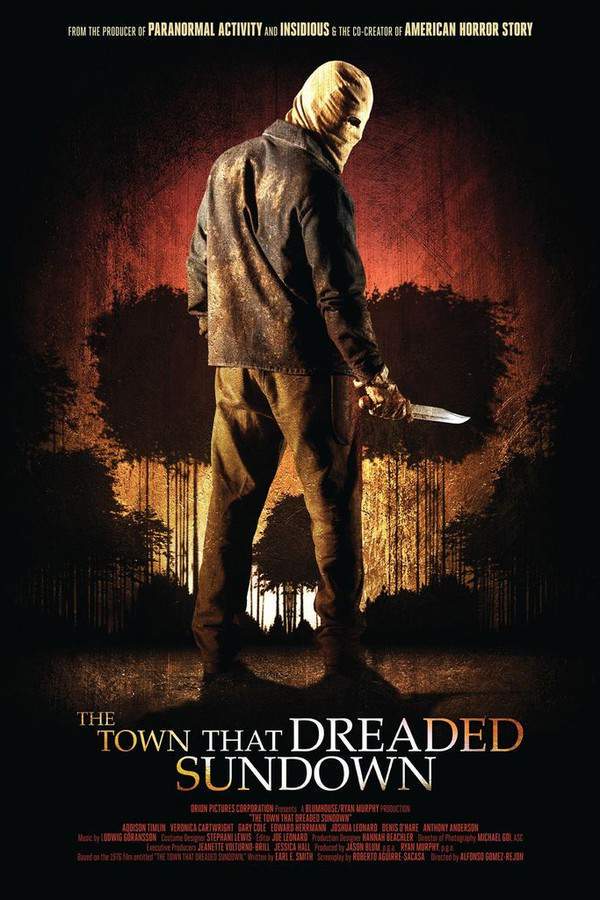
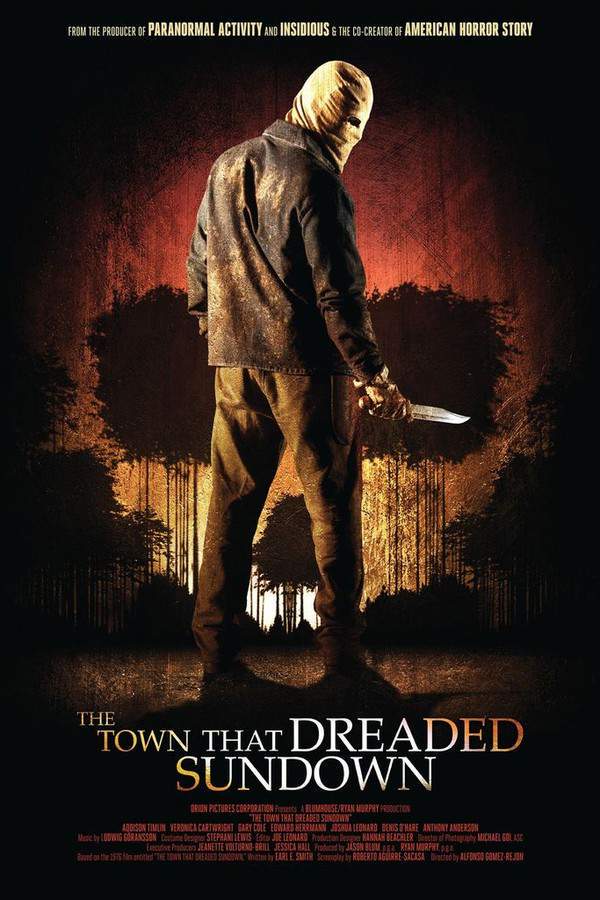
Psychological thrillers with ambiguous endings like Deadly Games

High-tension stories where the resolution provides more unease than closure. For viewers who appreciated the relentless tension and unresolved conclusion of Deadly Games, this section collects similar movies. These stories prioritize psychological unease and grim themes, often ending on a note that reinforces the fragility of safety and the lingering nature of trauma.

  • tense
  • anxious
  • disturbing
  • unsettling
  • psychological
  • heavy
  • Tone: tense, disturbing, bleak
  • Pacing: steady, building
Why these movies?

The story pattern: The narrative journey is one of escalating psychological pressure. The protagonist is caught in a web of danger and deception, facing a cunning antagonist. The climax often involves a direct confrontation that shatters the protagonist's world, but the story deliberately avoids a neat resolution, leaving threads of danger or trauma open.

Why they belong together: These films are grouped by their shared commitment to a tense, heavy atmosphere, a focus on psychological damage, and an ending that subverts expectations of safety and closure, making the emotional impact linger long after the film ends.

If you liked this

Movies Like Deadly Games

Similar movies to Deadly Games: the same genre, themes or kind of story. Each one comes with its own plot summary, timeline and ending explained.

Browse all movie summaries

Every angle

Deadly Games (1982) Explained: Plot, Timeline & Characters

Everything about Deadly Games in one place: what happens in the plot summary, the timeline in chronological order, the characters and meaning and a spoiler-free summary. What's After the Movie adds the cast, box office and post-credit scenes.

Coming soon on iOS and Android

The Plot Explained Movie Summary App

Plot summaries, endings explained and timelines on your phone. Catch up on any movie in minutes, save your favorites and never miss a twist again.

Be the first to know when we launch. Your email stays private, always.

Learn more about the app