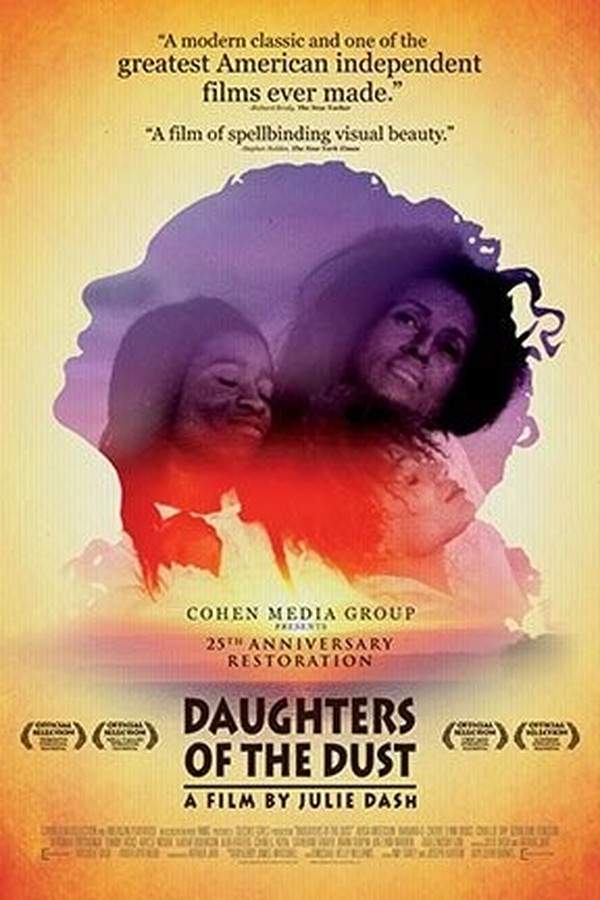
At the cusp of the 1902 era, a tight‑knit Gullah family inhabits the windswept Sea Islands off the Georgia coast, a place where the Atlantic’s rhythm shapes daily life and ancient traditions thrive in isolation. Their world is a living museum of language, song, and ritual, preserved through generations that have never known the mainland’s bustle. The community stands at a crossroads, wrestling with a fundamental choice: remain rooted in the ancestral soil that nurtured their heritage, or venture toward a uncertain future on the mainland. The film’s tone is lyrical and visual, letting the tide and the rustle of palm fronds speak as much as any dialogue.
The family’s matriarch, Nana Peazant, embodies the bridge between eras, guiding her descendants with whispered prayers and ancestral invocations that echo the island’s deep spiritual pulse. Eli returns home carrying the weight of a new, unborn child with Eula, a partnership already layered with the complexities of love, loss, and expectation. Around them, Viola offers steadfast Christian devotion, while Yellow Mary arrives from the city, her free‑spirited presence hinting at worlds beyond the shoreline. Haagar eyes the promise of modern opportunity, and her daughter Iona is caught between a budding love for St. Julien and the pull of tradition. Each character reflects a facet of the community’s collective identity, from reverence to restless curiosity.
Every sunrise finds the island alive with communal rituals: the scent of okra, yams, and shellfish cooking over fire, the cadence of children’s games, and the harmonious blend of gospel hymns with ancestral chants. A mainland photographer, Mr. Snead, wanders among them, his camera capturing fleeting moments that feel both intimate and historic. The visual tapestry is woven with warm earth tones, dappled sunlight, and the ever‑present murmur of the sea, underscoring a mood that is both celebratory and wistful.
As the families gather, the air hums with quiet anticipation. The weight of heritage presses against the allure of change, and the bonds between women, men, and children shimmer with unspoken hopes. In this richly textured portrait, the island itself becomes a character—its tides, its stories, its stubborn beauty—inviting the viewer to linger on the precipice of an era about to transform, without ever revealing which direction the wind will finally blow.