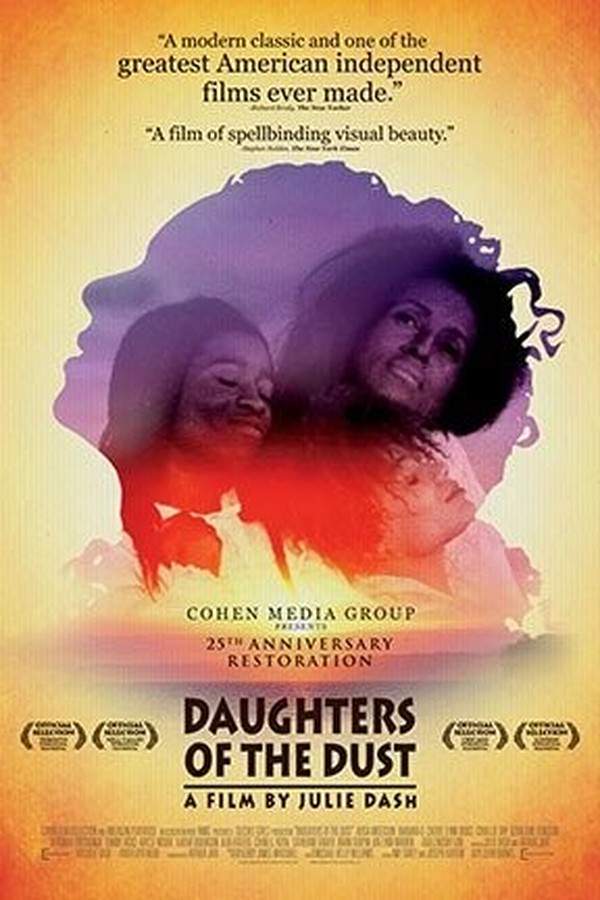
Daughters of the Dust

Daughters of the Dust

JustWatch#19,2689

Year: 1991

Runtime: 112 min

Language: English

Director: Julie Dash

DramaRomance

At the turn of the 20th century, a Gullah family living on the Sea Islands of South Carolina grapples with a difficult choice. They must decide whether to remain on their ancestral land, safeguarding their unique cultural heritage and traditions, or to move to the mainland and embrace an unknown future. The decision sparks complex emotions and tests the bonds that tie them to their past.

Where to Watch Daughters of the Dust?

Find where to stream, rent, or buy Daughters of the Dust (1991) in the US with current JustWatch availability, up-to-date pricing, and platform listings for subscription, rental, and digital purchase options.

Warning: spoilers below!

Haven’t seen Daughters of the Dust yet? This summary contains major spoilers. Bookmark the page, watch the movie, and come back for the full breakdown. If you're ready, scroll on and relive the story!

Timeline – Daughters of the Dust (1991)

Trace every key event in Daughters of the Dust (1991) with our detailed, chronological timeline. Perfect for unpacking nonlinear stories, spotting hidden connections, and understanding how each scene builds toward the film’s climax. Whether you're revisiting or decoding for the first time, this timeline gives you the full picture.

1

Arrival at Ibo Landing

In 1902, the Peazant family resides at Ibo Landing on Dataw Island, Georgia. This community of Gullah islanders cherishes their cultural heritage, stemming from their enslaved ancestors who brought unique traditions and language to this isolated area.

1902 Ibo Landing, Dataw Island
2

The Voice of the Unborn Child

The narrative unfolds through the perspective of the Unborn Child, representing the future baby of Eli and Eula. This storytelling technique symbolizes the continuity and connection between generations of the Gullah people.

3

Nana Peazant's Rituals

Nana Peazant, the family matriarch, engages in ancestral spiritual rituals. Her poignant reminder to the family highlights the juxtaposition of old and new generations, reminding them of their rich heritage.

4

Arrival of Yellow Mary and Trula

Yellow Mary arrives with her lover Trula, introducing contrasting perspectives within the Peazant family. Their bittersweet visit becomes a catalyst for discussion about choices between staying on the island or seeking a new life.

5

Eli's Conflict

Eli, the father, faces emotional turmoil regarding the impending birth of Eula's child, which is complicated by her past assault on the mainland. This internal struggle questions his ability to accept a child that may not be his own.

6

Haagar's Dilemma

Haagar, another family member, contemplates the spiritual practices of the island, viewing them as outdated. She yearns for modern opportunities beyond the shores, representing the pull of the outside world.

7

Iona's Secret Love

Iona finds herself torn between her traditional upbringing and her love for St. Julien Lastchild, a Cherokee resident. The letter from St. Julien expressing his love intensifies Iona's emotional conflict as she prepares to leave.

8

Traditional Meal Preparation

The women of the family come together to prepare a traditional meal on the beach, featuring okra, yams, and shellfish. This gathering underscores the strength of women in their shared experiences and cultural practices.

Beach, Dataw Island
9

Religious Practices

As Viola leads a Bible study session nearby, Bilal Muhammad offers a heartfelt Muslim prayer. This melding of different spiritual traditions showcases the complex identity of the Peazant family.

10

Emotional Departure

As tensions rise, the family grapples with the decision to leave their beloved island. Yellow Mary ultimately chooses to stay with Eli and Eula, while Iona dramatically leaps from a departing boat to join St. Julien.

Boat, departing from Dataw Island
11

Haagar's Loss

Haagar watches helplessly as her daughter, Iona, leaves with St. Julien. The moment encapsulates the struggle of holding onto the past while the family faces impending changes.

12

End of an Era

The bittersweet departure of most of the Peazant family marks a poignant moment in their history. It signifies the transition from their traditional life on the island to an uncertain future, highlighting the pressures of modernity.

Boat, departing from Dataw Island
13

A New Beginning

With the departure of the family members, the remaining Peazants face a new reality. Nana's words resonate as they prepare for a future that may challenge their cultural identity and values.

Last updated: November 16, 2024 at 15:53

Was this helpful?

Daughters of the Dust (1991) Timeline Questions Answered – Chronology FAQ

Find frequently asked questions about the Daughters of the Dust (1991) timeline, including chronological order, nonlinear jumps, cause-and-effect links, and scene sequence clarifications. This timeline FAQ helps explain when key events happen, how moments connect, and why the story unfolds in that specific order.

Q1

Why does Iona leap from the boat at the end?

A.

Iona leaps from the departing boat to join St. Julien Lastchild because she chooses love over the family's planned migration to the mainland. Throughout the film, Iona has been torn between her traditional upbringing and her secret relationship with Lastchild, a Cherokee resident of the island. When Lastchild arrives gallantly on horseback as the boat departs, Iona makes the impulsive decision to jump into the water and swim to him, symbolizing her rejection of the constrained future the family is heading toward and her commitment to following her heart.

Earlier in the film, Iona receives a letter from St. Julien Lastchild confessing his love, which intensifies her emotional conflict as she prepares to leave.

ionalastchildloveboat jumpcherokee
Q2

Why does Yellow Mary decide to stay on the island?

A.

Yellow Mary decides to remain with Eli and Eula rather than continuing her journey to Nova Scotia with her lover Trula. Her decision stems from a deep sense of loyalty and connection to her family, particularly to Eula, with whom she shares a bond over surviving trauma. The film depicts them reflecting on their resilience in the face of hardship, and Yellow Mary's choice represents staying rooted in her heritage and family ties rather than pursuing a new, uncertain life elsewhere.

Yellow Mary's bittersweet visit is marked by emotional conversations with Eula about their shared experiences of survival.

yellow maryelieulastaysloyalty
Q3

Why does Eli struggle with Eula's pregnancy?

A.

Eli struggles to accept Eula's pregnancy because the child was conceived during her assault on the mainland. He questions whether he can love and accept a child that may not be biologically his. This internal conflict represents the film's exploration of forgiveness, trust, and the complex emotional bonds of family, as Eli must reconcile his honor with his capacity for compassion.

The film establishes early on that Eula was assaulted on the mainland, setting up the moral dilemma Eli faces throughout the narrative.

elieulapregnancyassaultacceptance
Q4

What is the significance of the Unborn Child as narrator?

A.

The Unborn Child serves as the narrator to symbolize the continuity and connection between generations of the Gullah people. By having the future baby of Eli and Eula tell the story from a future perspective, the film emphasizes that this moment in history is part of an ongoing legacy, the family stands at the threshold between their ancestral past and an unknown future. This narrative choice connects the past, present, and future of the Peazant family.

The Unborn Child draws from the stories of ancestors, framing the entire narrative as part of an ongoing oral tradition.

unborn childnarratorcontinuitygenerations
Q5

Why is the Peazant family leaving their island?

A.

The Peazant family faces the difficult decision to leave their ancestral land on Dataw Island because of external pressures toward modernization and assimilation. The mainland offers what is perceived as a more "civilized" lifestyle with modern opportunities. The family must choose between safeguarding their unique Gullah cultural heritage and traditions on the island, or moving to the mainland to embrace an uncertain but potentially more "progressive" future.

Nana Peazant reminds the family that they stand "between the last of the old and the first of the new," acknowledging this pivotal transition.

migrationmainlandtraditionmodernitycultural change
Q6

Why does Haagar want to leave the island?

A.

Haagar views the island's spiritual practices as outdated and yearns for the modern opportunities available on the mainland. She represents the pull of the outside world and the desire for progress beyond the isolated Gullah community. However, her desire to leave creates deep conflict because her daughter Iona chooses to stay behind with St. Julien Lastchild, leading to Haagar's painful loss.

Haagar's internal conflict is established early as she expresses her belief that the old ways are behind them.

haagarionamainlandmodernizationspiritual practices
Q7

What is the Gullah culture depicted in the film?

A.

The Gullah culture refers to the unique community of African Americans living on the Sea Islands of South Carolina and Georgia, descended from enslaved individuals. Their ancestors brought traditions from West Africa, which blended with influences from the British Isles and local customs. Isolated on large plantations, they preserved their distinct Gullah language, a creole, and cultural practices. The film highlights their spiritual rituals, communal traditions, and the deep connection to their ancestral land.

The film opens by establishing the Peazant family's roots at Ibo Landing, where their ancestors arrived as enslaved people.

gullahlanguageancestorssea islandstraditions
Q8

What does Nana Peazant mean by 'We are two people in one body'?

A.

Nana Peazant's quote "We are two people in one body" encapsulates the central theme of the film, the family exists at a cultural crossroads between their ancestral past and an uncertain modern future. She represents "the last of the old" generation preserving traditional ways, while her family prepares to become "the first of the new" by moving to the mainland. The phrase expresses the duality of holding onto heritage while facing inevitable change.

This quote is delivered as Nana performs ancestral spiritual rituals, grounding it in the context of transition.

nana peazantcultural identitytraditionchangepast future
Q9

What is Mr. Snead's purpose in the story?

A.

Mr. Snead is a photographer from the mainland who comes to document the Peazant family and other islanders as they prepare to leave their heritage behind. His role serves as a framing device, he captures visual records of a culture in transition, essentially preserving a snapshot of the Gullah people at a pivotal moment in their history. He represents the outside world's gaze upon this vanishing way of life.

Mr. Snead's arrival coincides with the family's preparations to depart, emphasizing the documentary nature of this historical moment.

mr sneadphotographermainlanddocumentationculture
Q10

What is the significance of the traditional meal on the beach?

A.

The traditional meal featuring okra, yams, and shellfish represents the cultural preservation and communal strength of the Gullah women. This gathering of women preparing food together underscores their shared experiences and the matriarchal bonds within the family. It serves as a celebration of their heritage before the potential dissolution of the family unit, highlighting the importance of food and community in maintaining cultural identity.

This scene occurs as the family faces their imminent departure, making it a poignant moment of cultural affirmation.

traditional mealbeachgullah womenfoodculture
Q11

How do Viola and Yellow Mary represent different perspectives in the family?

A.

Viola and Yellow Mary represent contrasting viewpoints within the Peazant family regarding tradition and change. Viola is a devout Christian who leads Bible study sessions, embodying the spiritual practices that have integrated with African traditions. Yellow Mary is a free-spirited woman who arrives from the city with her lover Trula, representing those who have already ventured into the modern world. Their differences highlight the spectrum of perspectives within the family about whether to stay or leave.

The film establishes this contrast from Yellow Mary's arrival, setting up the ongoing tension between religious tradition and freed expression.

violayellow marychristiantraditioncontrast
Mobile App Preview

Coming soon on iOS and Android

The Plot Explained Mobile App

From blockbusters to hidden gems - dive into movie stories anytime, anywhere. Save your favorites, discover plots faster, and never miss a twist again.

Sign up to be the first to know when we launch. Your email stays private, always.

Explore Movie Threads

Discover curated groups of movies connected by mood, themes, and story style. Browse collections built around emotion, atmosphere, and narrative focus to easily find films that match what you feel like watching right now.

Cultural memory films like Daughters of the Dust

Stories where memory, ancestry, and tradition are woven into the narrative fabric.If you liked the lyrical exploration of Gullah Geechee heritage in Daughters of the Dust, discover other movies like it that poetically delve into cultural memory, ancestral spirits, and the bittersweet ties to tradition.

poeticmelancholicspiritualnostalgicreflectivelyricalheritage

Narrative Summary

These narratives often unfold in a circular or reflective manner, prioritizing atmosphere and theme over a straightforward plot. The central conflict frequently arises from the tension between preserving a unique cultural identity and adapting to an encroaching modern world.

Why These Movies?

Movies are grouped here for their shared focus on cultural specificity, their use of poetic and sometimes magical realist techniques to represent memory, and their melancholic yet tender tone when exploring the pain and beauty of heritage.

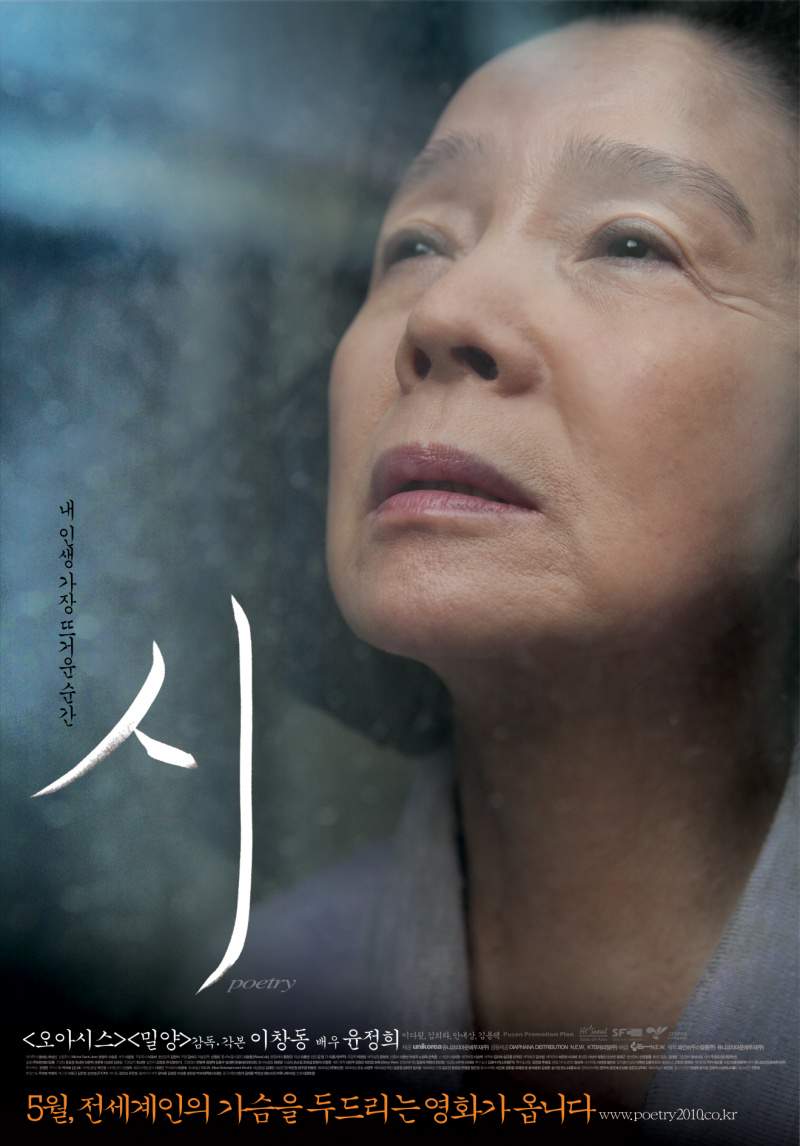
Bittersweet family dramas like Daughters of the Dust

Ensemble dramas where a family must make a life-altering collective decision.Find movies similar to Daughters of the Dust, where a multigenerational family grapples with a difficult, life-changing decision. These stories capture the bittersweet emotions of departure, legacy, and the ties that bind.

bittersweetensemblegenerationaldramatictendernostalgicemotional

Narrative Summary

The story is driven by the emotional fallout of a single major decision, exploring different perspectives within a family unit. The journey is less about action and more about dialogue, reflection, and the aching weight of a potential farewell, often leading to a divided but understandable conclusion.

Why These Movies?

These films share a strong ensemble cast, a central dramatic dilemma that impacts the entire family, a bittersweet emotional tone, and a pacing that allows for deep exploration of each character's stake in the outcome.

Unlock the Full Story of Daughters of the Dust

Don't stop at just watching - explore Daughters of the Dust in full detail. From the complete plot summary and scene-by-scene timeline to character breakdowns, thematic analysis, and a deep dive into the ending - every page helps you truly understand what Daughters of the Dust is all about. Plus, discover what's next after the movie.

Daughters of the Dust Summary

Read a complete plot summary of Daughters of the Dust, including all key story points, character arcs, and turning points. This in-depth recap is ideal for understanding the narrative structure or reviewing what happened in the movie.

Daughters of the Dust Summary

Characters, Settings & Themes in Daughters of the Dust

Discover the characters, locations, and core themes that shape Daughters of the Dust. Get insights into symbolic elements, setting significance, and deeper narrative meaning - ideal for thematic analysis and movie breakdowns.

Characters, Settings & Themes in Daughters of the Dust

Daughters of the Dust Spoiler-Free Summary

Get a quick, spoiler-free overview of Daughters of the Dust that covers the main plot points and key details without revealing any major twists or spoilers. Perfect for those who want to know what to expect before diving in.

Daughters of the Dust Spoiler-Free Summary

More About Daughters of the Dust

Visit What's After the Movie to explore more about Daughters of the Dust: box office results, cast and crew info, production details, post-credit scenes, and external links - all in one place for movie fans and researchers.

More About Daughters of the Dust

Similar Movies to Daughters of the Dust

Discover movies like Daughters of the Dust that share similar genres, themes, and storytelling elements. Whether you’re drawn to the atmosphere, character arcs, or plot structure, these curated recommendations will help you explore more films you’ll love.