Plot Explained Spoilers guaranteed!
Plot Explained

Browse by genre

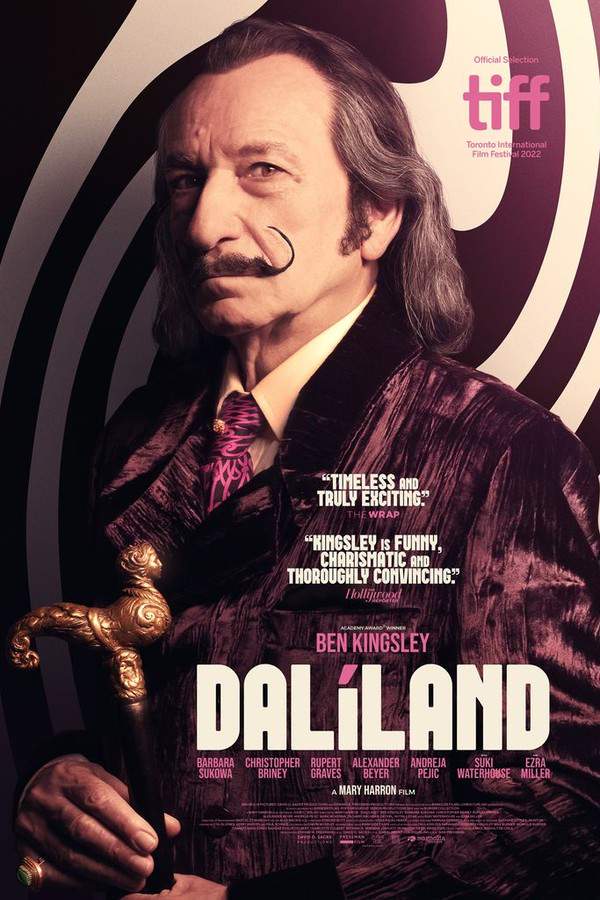
Dalíland (2023) movie poster

Ending Explained

Dalíland (2023) Ending Explained – Final Scene & Meaning

Release, runtime and language
2023 · 97 min · English
Echo score 57
Loading streaming availability…
Directed by
Mary Harron
Starring
Ezra Miller, Ben Kingsley, Rupert Graves, Alexander Beyer, Barbara Sukowa, Mark McKenna

In 1974, a young assistant named James becomes immersed in the world of Salvador Dalí, portrayed by Ben Kingsley, as the famed artist prepares for a significant gallery exhibition in both New York and Spain. The film explores the complexities of Dalí's relationship with his wife, Gala, played by Barbara Sukowa, and delves into the challenges of maintaining his artistic legacy. Through James's perspective, we observe Dalí’s unique personality, creative intensity, and the growing awareness of his own mortality.

On this page (8)
  1. 1 Where to watch
  2. 2 What happens at the end
  3. 3 Final events in order
  4. 4 Ending questions answered
  5. 5 Movie threads
  6. 6 Movies like Dalíland
  7. 7 Categories
  8. 8 Every angle
Loading streaming availability…

Ending explained · contains spoilers

What Happens at the End of Dalíland?

How Dalíland (2023) ends, what the final scene means, which earlier moments set it up and how to read the ending if the film leaves it open. The full ending explained, with every spoiler.

Daliland ends with a reflection on the complex and tumultuous relationship between Salvador Dali and Gala, highlighting how their love, dependency, and personal struggles shaped their lives and work. After Gala’s death in 1982, Dali is left emotionally devastated, and his life is never quite the same. The film suggests that his obsession with her, along with his eccentricities, were driven by a deep need for recognition and love, which he often sought through his art and his countless affairs. Dali's life was a surreal constant of contradictions—his desire for fame contrasted with his feelings of insecurity and loss.

The character of James, the young art curator, experiences a transformation through his time with Dali. He starts as a naïve outsider eager to learn and understand art but eventually understands the darker side of the artist’s mind—that inspiration often comes from negative emotions like anger, regret, and obsession. By the end, James has carved out his own place in the art world, opening his gallery and reflecting on how his encounter with Dali profoundly impacted his perspective on life and art. The ending leaves us with the idea that beneath the surface of Dali’s eccentricity and surrealist works lay a man haunted by his own passions, regrets, and the need for recognition—showing that even the most brilliant minds are often driven by complex, often painful, emotional currents. In the surreal world that Dali created around himself, reality and fantasy blurred, leaving us to wonder what was real and what was a dream. Ultimately, Dali’s life and art are portrayed as an ongoing, enigmatic journey—one that is as bizarre and captivating as his paintings.

Last updated: June 25, 2025 at 08:59

Was this helpful?

The last 4 events

How Dalíland Ends: The Final Events in Order

The last events of Dalíland (2023) in chronological order, the run-up to the ending explained above. The complete timeline has all 13 events, scene by scene.

Open the full timeline
  1. Gala's Passing

    The story takes a poignant turn with the passing of Gala, leaving Dalí utterly heartbroken. Her death signifies the end of an era and plunges the artist into a deep isolation and despair.

  2. Dalí's Isolation

    In the wake of Gala's death, Dalí's condition deteriorates as he becomes increasingly isolated. The once vibrant artist is now physically and emotionally broken, illustrating the profound impact of loss.

  3. Reflections of James

    As the story concludes, James reflects on his brief time with the genius artist. He is left with a complex mix of awe at Dalí's talent and sadness over the tragic consequences of his personal life.

  4. Dalí's Final Years

    The film concludes with a glimpse into Dalí's final years, showcasing his decline and the legacy he leaves behind. His struggles in the shadow of his earlier brilliance serve as a poignant reminder of the artist's humanity.

Ending questions answered

Dalíland Ending: Your Questions Answered

The questions people ask most about the ending of Dalíland (2023): what the final scene means, how the twist works, what happens to each character and how to read the ending. Each answer contains spoilers.

Q1

What happens to Salvador Dalí after Gala dies in Dalíland?

After Gala's death in 1982, Dalí is left emotionally devastated and his life never recovers. Dalíland shows him spiraling into both physical and emotional deterioration, unable to function without the woman who had managed and defined his world for decades. The film frames his final years as a slow decline marked by the absence of the partner who had been his anchor, muse, and business mind.

Foreshadowing: Dalí's growing awareness of mortality in the 1974 timeline foreshadows how lost he would become once Gala was no longer there to structure his life.

  • gala death
  • dali decline
  • dali after gala
  • daliland ending
Q3

What does James ultimately learn from working with Dalí?

James learns that genuine artistic inspiration is often born from painful emotions like anger, regret, and obsession, not just beauty or whimsy. He enters Dalí's world expecting charming surrealism and leaves understanding the darker currents underneath. The film uses James's arc to suggest that engaging deeply with a genius means confronting the cost of that genius as well as its rewards.

  • james lesson
  • inspiration
  • dali influence
  • artistic genius cost
Q4

What does the ending of Dalíland reveal about Dalí's need for recognition?

The ending reframes Dalí's eccentric public persona, affairs, and obsessive behavior as symptoms of a deep, often unfulfilled need for love and validation. Dalíland suggests that his hunger for fame was inseparable from a quieter hunger to be seen and cherished as a person. By the end, the film implies that this longing shaped both his most spectacular work and his most self-destructive choices.

  • dali recognition
  • dali insecurity
  • dali need for love
  • eccentricity meaning
Q5

How does Dalíland portray the blurring of reality and fantasy at the end?

Dalíland closes by leaning into the surrealist logic its subject lived by, suggesting that the line between Dalí's real life and his imagined one was always thin. The film uses the ambiguity of what is memory, performance, or delusion to mirror Dalí's own paintings. The viewer is left uncertain about which moments were authentic and which were part of the dreamlike world Dalí constructed around himself.

  • reality fantasy
  • surrealism
  • dali dreamlike
  • ambiguity ending
Q6

How does Dalíland show Dalí confronting his own mortality?

The 1974 timeline places Dalí at an age where his physical decline and growing frailty become impossible to ignore, and the film uses James's arrival to underline how much time has already passed. Dalíland frames this awareness as a quiet dread running underneath the parties, the exhibitions, and the bravado. The ending amplifies this dread by showing how, without Gala, that looming mortality finally overtakes him.

  • dali mortality
  • aging dali
  • 1974 timeline
  • dali decline
Q7

What happens with the art fraud scheme by the end of Dalíland?

The mass-produced forgery scheme that funded Gala's lavish lifestyle becomes part of the reason Dalí's later years collapse around him. Once Gala dies, the machinery she ran disappears with her, and the falsified legacy contributes to the chaos of Dalí's final chapter. Dalíland treats the fraud not as a thriller subplot but as a symbol of how exploitation hollowed out the artist's final years.

  • art fraud
  • dali forgeries
  • gala exploitation
  • daliland subplot
Q8

What is the final message about Dalí's artistic legacy in Dalíland?

Dalíland ends by portraying Dalí's life and art as an ongoing, enigmatic journey rather than a completed story. The film suggests his legacy is inseparable from his contradictions, his pain, and the surreal world he built to survive them. Rather than offering a tidy verdict, the ending invites viewers to sit with the same sense of wonder and unease his paintings provoke.

  • dali legacy
  • artistic legacy
  • daliland message
  • surrealist art
Q9

Why does the ending of Dalíland center on James's reflection rather than Dalí himself?

James functions as the audience's surrogate, and by closing through his eyes the film shifts the question from who Dalí was to what Dalí does to the people around him. His reflection makes Dalí's story a mirror for anyone who has stood close to greatness and come away changed. The ending uses James to convert Dalí's biography into a universal lesson about proximity to genius.

  • james reflection
  • audience surrogate
  • daliland perspective
  • character framing
Q10

What does Dalíland ultimately say about the relationship between Dalí and Gala?

Dalíland closes by framing the Dalí-Gala bond as a fusion of love, dependency, exploitation, and artistic fuel that neither could have produced alone. The film presents Gala as both the architect of Dalí's commercial success and the source of much of his personal suffering. Their ending together suggests that Dalí's art and his collapse were both, in different ways, creations of that singular, turbulent partnership.

  • dali gala relationship
  • gala dali bond
  • daliland couple
  • dependency

Movie threads

More Movies Like Dalíland, by Mood & Story

Curated lists built around what makes Dalíland tick: the same mood, the same kind of story or the same emotional payoff. Each list explains why these movies belong together.

Inside a self-destructive genius's orbit like in Dalíland

A young protégé enters a brilliant, chaotic world and watches it slowly collapse from within. Movies like Dalíland that drop you into the chaotic inner circle of an aging creative icon. These character studies follow young assistants and witnesses as they navigate toxic mentorship, decadent artistic worlds, and the slow unraveling of genius, exploring co-dependency, manipulation, and the dark side of creative brilliance in films with steady pacing and heavy emotional weight.

  • chaotic
  • decadent
  • introspective
  • wistful
  • uncomfortable
  • observational
  • Tone: bittersweet, melancholic
  • Pacing: steady, character driven
Why these movies?

The story pattern: A wide-eyed outsider, often young and impressionable, is recruited into the intimate world of an established creative figure. Early scenes brim with fascination, access, and reflected glamour. As the story unfolds, the cracks appear: the genius is past his prime, financially or emotionally exploited by those around him, or actively participating in their own mythmaking at great cost. The protégé must decide whether to stay, escape, or become complicit. Stories often end with the figure's decline or death, leaving the witness to reckon with what they gained and what they lost by being there.

Why they belong together: These films share a specific vantage point: the observer inside the artist's world rather than the artist themselves. They balance creative awe with moral discomfort, decadent atmosphere with quiet sadness, and they tend to unfold at a steady, observational pace that lets you feel the slow creep of exploitation and decline. The tone is bittersweet, the emotional weight is heavy, and the experience stays with you long after.
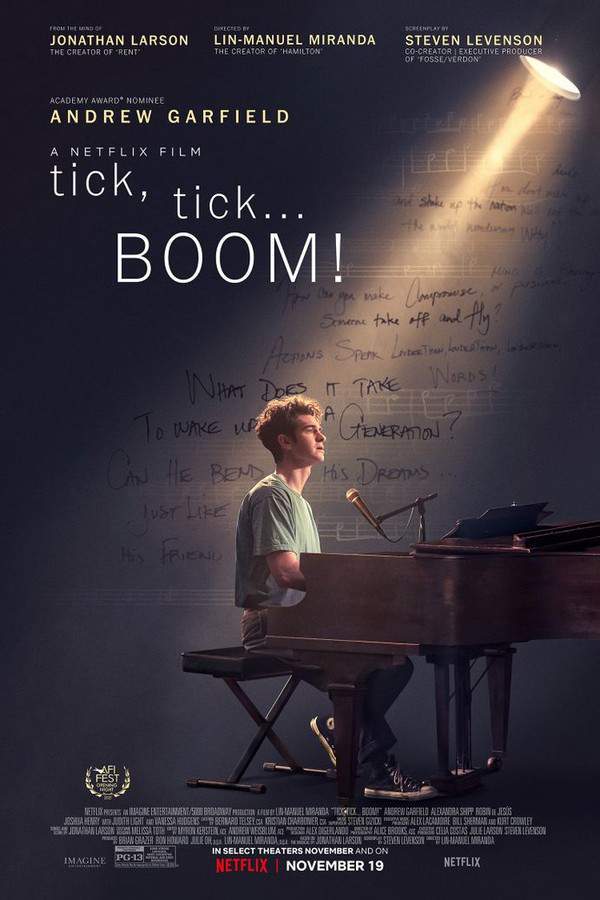
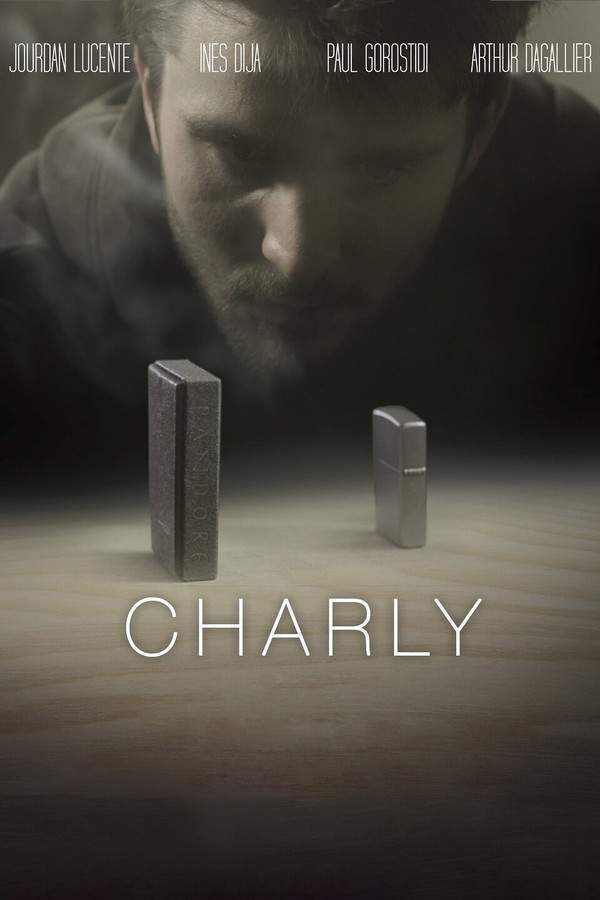
Bittersweet portraits of decline and legacy like in Dalíland

Quiet, melancholic stories that watch a legend's light slowly dim. If you liked Dalíland, you'll love these bittersweet biographical dramas that follow famous figures through their final, fading chapters. Movies like Dalíland trade triumph for melancholy, exploring aging, mortality, financial exploitation, infidelity, and what creative legacy really means. Expect steady pacing, heavy emotional weight, and endings that lean toward the sad and reflective rather than triumphant.

  • reflective
  • melancholic
  • wistful
  • mortality
  • aging
  • legacy
  • Tone: melancholic, bittersweet
  • Pacing: steady, contemplative
Why these movies?

The story pattern: Rather than chronicling rise-to-fame arcs, these films drop you into the later, lonelier chapters of a life already lived. Flashes of past brilliance haunt scenes of present diminishment. Mortality, illness, and the loss of loved ones press in. Interpersonal relationships reveal themselves as complicated, often exploitative, and the question of what the subject truly leaves behind quietly dominates. The emotional register stays restrained rather than melodramatic, but the sadness accumulates, and endings tend to be marked by death, decline, or painful acceptance.

Why they belong together: They cluster around a shared emotional posture: reverence mixed with grief. You are invited to admire and mourn simultaneously. The pacing is steady enough to absorb detail, the tone is bittersweet to melancholic, and the emotional weight is heavy because loss is inevitable rather than incidental. These are not disaster stories or thrillers, but quiet, observant portraits that leave you reflective and a little emptied out.

If you liked this

Movies Like Dalíland

Similar movies to Dalíland: the same genre, themes or kind of story. Each one comes with its own plot summary, timeline and ending explained.

Browse all movie summaries

Categories

Movie Lists Featuring Dalíland

Dalíland appears in these hand-built movie categories. Each one groups movies by a specific mood, theme or story type, with their plot summaries and endings explained.

View all movie categories

Every angle

Dalíland (2023) Explained: Plot, Ending, Timeline & Characters

Everything about Dalíland in one place: what happens in the plot summary, the timeline in chronological order, the characters and meaning, the ending explained and a spoiler-free summary. What's After the Movie adds the cast, box office and post-credit scenes.

Coming soon on iOS and Android

The Plot Explained Movie Summary App

Plot summaries, endings explained and timelines on your phone. Catch up on any movie in minutes, save your favorites and never miss a twist again.

Be the first to know when we launch. Your email stays private, always.

Learn more about the app