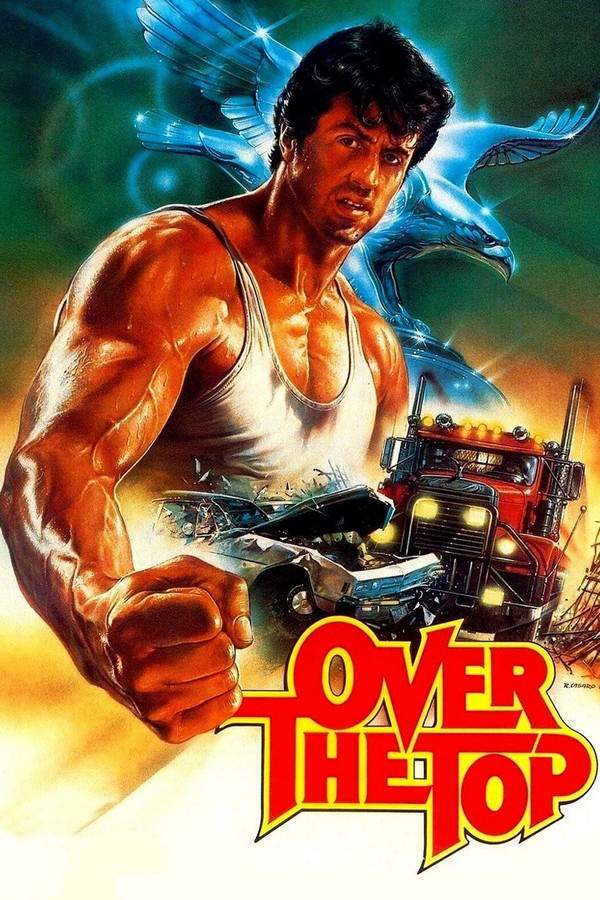
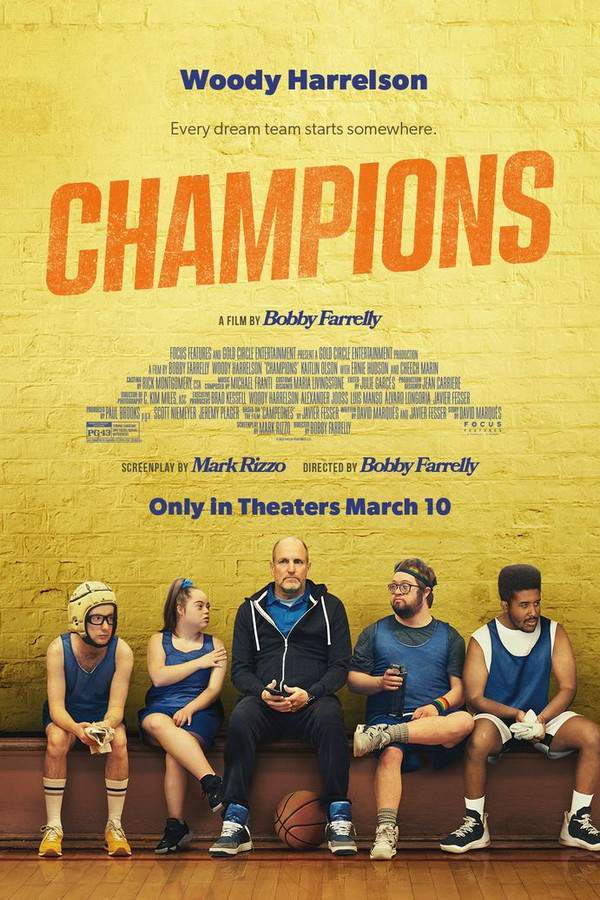
White Men Cant Dance is a heartfelt, family-centered drama that blends hope, resilience, and faith with a deep love of movement. Based on a true story, it follows the Weaver family as they navigate a sequence of devastating trials while clinging to dignity, community, and the idea that grace can move even the heaviest of hearts.
Pete Weaver, Pete Vinal, is a devoted husband and father who works at a development company, trying to balance demanding work hours with the responsibilities at home. His wife Sheila Weaver, Elizabeth Roberts, and their precious daughter Beanie Weaver, Kaitlin Cox, are his constant support system, a close-knit unit that shares jokes, worries, and quiet prayers as they face life together. Pete’s world shifts when his father, Al Weaver, Richard K. Olsen, who is an inventive genius often called Einstein 2, is rushed to the hospital after a sudden emergency.
The moment at the hospital changes everything. Al Weaver dies in Pete’s arms while the surgeon’s arrival never comes, a loss that casts a long shadow over the family. The film follows Pete through the funeral and the immediate days that follow, a period of numbness and slow reconstruction. In the aftermath, a cruel reality emerges: Beanie’s kidneys are failing, and she must wait for a transplant. Insurance and mounting medical costs leave the family burdened, with every medical bill and every decision pressed up against their fragile finances. The emotional weight is heavy, and Pete fights to keep food on the table and hope in their hearts.
In an attempt to help Pete cope, his coworkers urge him to step out for a night and clear his mind. With his wife’s blessing, he heads to a club called Rox, where he encounters Ice Man, a phenomenal break-dancer whose talent is undeniable. A moment of tension between Pete and Ice Man nearly erupts into a confrontation, but it also sparks a decision: Pete recalls a long-buried promise to reclaim his former glory on the dance floor. He spots a Dance Competition banner promising a $40,000 prize and vows to enter—not just to win, but to save his daughter's life.
Rekindling old friendships and tapping into memories of past dances, Pete reaches out to his old dance partners and begins an intense, late-night training regimen. The montage of hard work mirrors classic underdog stories, with Pete slipping away from home to practice and to rebuild the craft that once brought him joy and identity. Back at the office, the pressure mounts as Pete faces betrayal: a coworker seizes Pete’s invention, and Pete is fired. The setback is crushing, yet it steels his resolve; this competition becomes a lifeline for his family.
Meanwhile, Sheila grows anxious and protective, worried that Pete’s renewed pursuit could threaten their fragile stability. She enlists her best friend as a discreet observer to understand Pete’s movements—both the dancing and the potentially distant relationship with work. The couple’s trust is tested, but their shared faith and love keep them tethered to a path that might lead them out of despair.
The night of the competition arrives with electricity in the air. Pete returns to Beanie’s room to kiss her forehead, whispers a prayer, and climbs into the attic where dusty old dance shoes hang as a reminder of his past. With a mixture of reverence and stubborn determination, he steps into the spotlight, carrying his daughter’s future in the rhythm of his steps. The crowd at Rox fills with anticipation as two judges—some of Ice Man’s own associates—watch closely, signaling the high-stakes nature of this clash.
The floor becomes a battlefield of movement, with Pete and Ice Man facing off in a duel that grips the audience. Ice Man’s teammates surge onto the floor to even the odds, moon-walking and sliding in support, while Pete’s own crew joins in to push the routine beyond what either had imagined. A signature moment unfolds as Pete makes a daring ascent, lands a double flip, and hits a perfect split that stops the room in a breath-held pause. The crowd’s energy shifts from awe to exhilaration as the performance builds to a fever pitch.
In the tense quiet that follows, the judges announce the winner—an outcome that promises to change the Weaver family’s future, though the exact result remains something to be discovered on screen. The film leaves viewers with a resonant message: determination, community, and faith can illuminate the darkest moments, and sometimes a powerful dance can become the bridge between struggle and healing.
If you’re drawn to stories of family, faith, resilience, and the transformative pull of dance, this film crafts a moving portrait of how hope can rise from sorrow and how the courage to pursue a dream can become a lifeline for those we love.