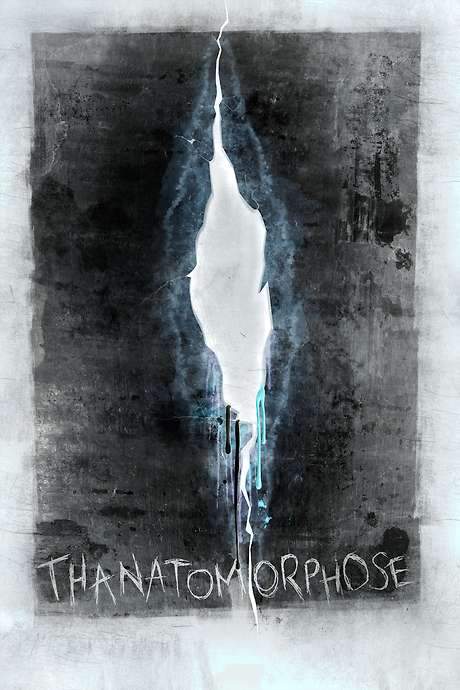
In the center of a uniform, monotonous subdivision, a married couple, Sarah and Patrick, live with their son, Joey, keeping their emotions tightly bottled up and distant from one another. Patrick presents as cold and harsh, repeatedly ignoring Sarah, and the warmth that once marked their relationship has faded into a brittle, quiet tension that shadows every room they share. A unsettling moment creeps into their routine when Joey, while playing outside, places two Power Rangers toys in a disturbing arrangement on the ground. Later that evening, Sarah overhears a troubling exchange between her husband and son, a moment that hardens her concerns and deepens the sense that something is terribly off in their home.
At the dinner table, a practical, almost clinical truth emerges: Sarah has spoken with a lawyer about the possibility that Joey might be taken away for his safety. Patrick meets this news with a measured, almost resigned calm, saying simply, “It will all work out.” The line lands like a dare, echoing through the room and foreshadowing a shift in the fragile balance of their marriage. The next morning, driven by a desperate bid for attention and a longing to be seen, Sarah dresses in makeup and a bold red dress, hoping to rekindle the intimacy that has long since vanished. Patrick’s indifference—continuing to watch TV and ignore her—drives the tension to a climax.
In a bleak turn of self-preservation and despair, Sarah retreats to the bathroom, removing her lipstick and then inflicting injuries on herself in a stark, splintered moment of self-denial and rage. The act seems to awaken something in Patrick, and what follows is a charged, catastrophic convergence of anger, fear, and retaliation. The relationship, once a private world, explodes into a brutal finale, ending with both adults fatally injured. By the time authorities arrive the next morning, the house is a tableau of tragedy: the couple is dead, and Joey, center of the storm, is found unharmed and placed in the safety of a CPS social worker.
The aftermath leaves an eerie calm over the cul-de-sac, a stark reminder of how thin the line can be between routine domestic life and catastrophe. This story, told in a restrained, almost clinical voice, probes the way suppressed emotions and unspoken fears can fester beneath the surface of a seemingly ordinary home, transforming a family’s quiet suburbia into a scene of irrevocable loss.