Plot Explained Spoilers guaranteed!
Plot Explained

Browse by genre

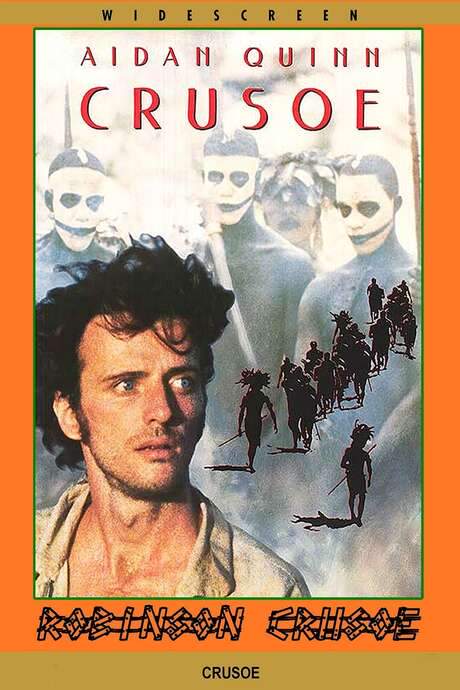
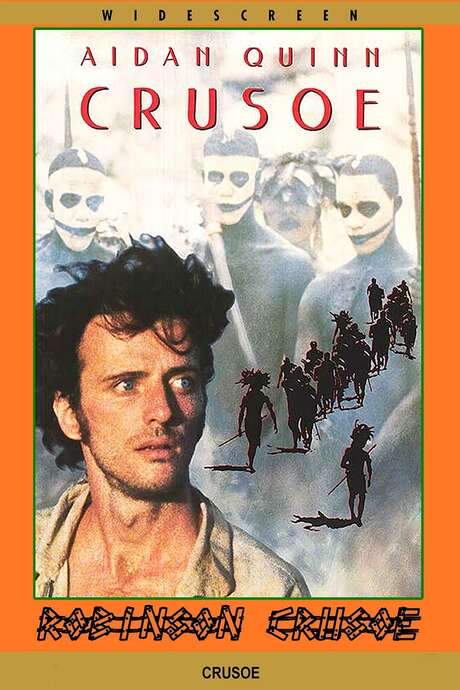
Crusoe (1988) movie poster

Plot Summary

Crusoe (1988) Plot Summary Explained

Release, runtime and language
1988 · 91 mins · English
Directed by
Caleb Deschanel
Starring
Timothy Spall, Raymond Johnson, Oliver Platt, Aidan Quinn, Jimmy Nail, Shane Rimmer

Robinson Crusoe is shipwrecked and finds himself alone on a tropical island. Using only a few tools salvaged from the wreck, he must learn to sustain himself—building shelter, securing food and water, and keeping a fire—until rescue arrives, as he battles loneliness and the harsh elements.

On this page (7)
  1. 1 Where to watch
  2. 2 What happens: full plot
  3. 3 Plot questions answered
  4. 4 The book behind the movie
  5. 5 Movie threads
  6. 6 Movies like Crusoe
  7. 7 Every angle

Where to watch

Where to Watch Crusoe (1988)

Where can you watch Crusoe? Stream, rent or buy it in the US, including on fuboTV, MGM Plus and Philo: current JustWatch availability with up-to-date prices.

Streaming availability powered by JustWatch

Full plot summary · contains spoilers

What Happens in Crusoe: Full Plot Summary

The whole story of Crusoe (1988) explained, from the opening scene to the final frame: every key event, every twist and what it all adds up to. Read it as a quick recap before the sequel, to check a scene you missed, or to finally understand what really happened.

In Tidewater, Virginia, 1808, Crusoe sets sail for Africa to retrieve slaves, driven by duty and ambition. A violent storm erupts, and the ship is torn apart, leaving him as the sole survivor. He drifts to a lush tropical island where he is forced to adapt to a harsh, solitary life. He soon befriends a loyal dog named Scamp and, later, discovers a small flock of geese—small signs of life that keep him company as days turn into months. With the wrecked hull for shelter and a rifle found among the debris, he begins to explore the island, learning to read the land and to protect himself from the unknown dangers that lurk there.

The island reveals a surprising and perilous reality: indigenous tribesmen who practice cannibalism, a discovery that unsettles Crusoe and tests his will to survive. He chops trees to fashion a boat and to carve out a safer living space, turning a natural cavern into a rudimentary home that offers him some shelter from the elements. Yet tragedy strikes when Scamp falls ill and dies, leaving Crusoe to confront a deep, aching loneliness that gnaws at his resolve. The emotional weight of loss expands as the tribesmen arrive on the shore for a ritual cremation of their chief, accompanied by the sacrifice of two others. The chief sits in a great branch armchair and is burned, while the would‑be sacrifices are slaughtered one by one.

Crusoe’s cautious vigilance pays off when the last planned victim escapes, and he is able to fire his rifle to distract the would‑be killers. The escaped man, who becomes Crusoe’s unexpected ally, is known to the tribes as Lucky, and their paths cross in the forest with a mixture of fear and curiosity. The two form a fragile bond; Crusoe brings Lucky back to his cave, but he does not permit him to sleep inside, instead keeping him chained outside in a line of trust that is constantly tested. When Crusoe awakens to the sight of smoke rising from the place of the sacrifices, he investigates and discovers Lucky’s severed head—a brutal reminder of the island’s danger and the price of safety.

Crusoe then encounters another cannibal, a formidable figure known as The Warrior, who binds him to a tree near the cave. The pursuit that follows is tense and dangerous, and in their struggle Crusoe nearly loses his life in quicksand. The Warrior slips away, leaving Crusoe to sink, but the situation takes an unexpected turn when the two men meet again and begin to negotiate survival in a shared language. Through this wary collaboration, they work toward a larger goal: building a small boat to return home, and later, a second boat that would enable a more assured escape. The partnership slowly evolves from mistrust to mutual purpose, driven by a shared longing for freedom and safety on their own terms.

A turning tide arrives when a ship appears off the horizon, its sails catching the wind and drawing closer to the island. Crusoe understands that the vessel could be a route back to civilization, but he discovers that the crew harbors their own agenda. Among the sailors is Dr Martin, a scientist who has studied cannibals and intends to bring his captive ally back to London. Crusoe, unwilling to let his new friend be taken, stows away on the ship and works to free The Warrior without drawing attention to himself. The tension aboard builds as Crusoe covertly observes Dr Martin’s plan to transport his counterpart to a life far from the island.

Crusoe’s gamble pays off as he finds a way to slip free from the ship’s notice and reclaim a sense of liberty. The experience on the island, the friendships forged, and the constant threat of danger collectively teach Crusoe that life’s true value lies in freedom, resilience, and the courage to pursue one’s own path—even when the cost is steep. In the end, the journey reinforces a core truth: liberty and life are precious, and they demand both caution and bravery to safeguard.

Last updated: October 09, 2025 at 14:25

Was this helpful?

Plot questions answered

Crusoe Plot Explained: Your Questions Answered

The questions people ask most about Crusoe (1988): what happens in the confusing scenes, why the characters do what they do, the twists, hidden details and what the ending means. Each answer contains spoilers.

Q1

Why was Crusoe traveling to Africa?

Crusoe sets sail from Tidewater, Virginia in 1808 bound for Africa on a mission to retrieve slaves. This was driven by his sense of duty and ambition, reflecting the colonial era context of the story. The voyage ends catastrophically when a violent storm sinks the ship, leaving him as the sole survivor who washes ashore on the tropical island.

  • colonial
  • voyage
  • slave trade
  • 1808
  • virginia
Q2

Why does Scamp die and what impact does it have?

Scamp, the loyal dog Crusoe finds shortly after the shipwreck, falls ill and dies despite Crusoe's attempts to save him. This loss deeply affects Crusoe, intensifying the crushing loneliness that gnaws at his resolve. The death marks a turning point where the emotional weight of isolation becomes almost unbearable, reinforcing the story's theme of survival being as much about mental fortitude as physical sustenance.

Foreshadowing: Crusoe's early bonding with Scamp establishes the dog's importance as his only companion.

  • scamp
  • dog death
  • loneliness
  • companion
  • grief
Q3

Who is Lucky and why does Crusoe help him escape?

Lucky is a tribesman scheduled to be sacrificed during a ritual cremation of the cannibal tribe's chief. Crusoe fires his rifle to distract the would-be killers, allowing Lucky to escape. This act marks a turning point in Crusoe's relationship with the island's inhabitants, shifting from pure avoidance to calculated intervention. The encounter creates a fragile bond between the two men, though Crusoe remains cautious, keeping Lucky chained outside his cave.

Foreshadowing: Crusoe's earlier discovery of the cannibalistic rituals establishes the danger that Lucky faces.

  • lucky
  • cannibal
  • sacrifice
  • escape
  • tribesman
Q4

Why does Crusoe keep Lucky chained outside the cave?

Despite forming a bond with Lucky, Crusoe keeps him chained by the ankle outside the cave rather than allowing him inside. This precaution reflects Crusoe's ongoing distrust and survival instincts after months of isolation on a dangerous island. The chain represents the fragile nature of their relationship, a line of trust that is constantly tested. Crusoe's caution proves warranted when Lucky eventually escapes and meets a brutal fate.

Foreshadowing: The island's constant danger, including the discovery of cannibalism, justifies Crusoe's extreme caution.

  • lucky
  • chain
  • trust
  • cave
  • safety
Q5

How does the quicksand incident change Crusoe's relationship with The Warrior?

During a tense pursuit by the cannibal known as The Warrior, both men fall into quicksand. The Warrior escapes first but rather than leaving Crusoe to die, he shows mercy and lowers a tree branch to save him. This act of kindness shifts their dynamic from pure hostility to reluctant cooperation. Through a shared language, they begin working together toward a common goal: building a boat to escape the island.

Foreshadowing: The earlier violent confrontation establishes The Warrior as a formidable threat before this unexpected mercy.

  • quicksand
  • the warrior
  • cannibal
  • cooperation
  • escape plan
Q6

Why does Dr. Martin want to take The Warrior to London?

Dr. Martin is a scientist aboard the arriving ship who has previously studied cannibals. He intends to bring his captive ally (The Warrior) back to London, likely for scientific study or public display, a plan that represents the colonial exploitation of indigenous peoples. Crusoe discovers this agenda and becomes determined to prevent his friend from being taken, leading him to stow away on the ship.

Foreshadowing: Dr. Martin's presence on the ship signals that not all visitors have benevolent intentions.

  • dr martin
  • the warrior
  • london
  • scientist
  • captivity
Q7

How does Crusoe escape the island?

Crusoe stows away on the ship that arrives, understanding it could be his route back to civilization. While aboard, he works to free The Warrior without drawing attention, determined to prevent Dr. Martin from taking his friend. Crusoe's gamble pays off as he finds a way to slip free from the ship's notice and reclaim his liberty. The escape represents the culmination of his survival journey, though it comes with the weight of everything he endured.

Foreshadowing: The arrival of the ship creates the opportunity for escape that Crusoe has been working toward.

  • stowaway
  • ship escape
  • the warrior
  • freedom
  • rescue
Q8

What does Crusoe learn from his time on the island?

Through his experiences on the island, the friendships forged, the constant threat of danger, and the losses endured, Crusoe learns that life's true value lies in freedom, resilience, and the courage to pursue one's own path. The journey teaches him that liberty and life are precious, demanding both caution and bravery to safeguard. The ending is bittersweet, as while he achieves freedom, it comes tempered by the unsettling realities he witnessed and the colonial undertones of his rescue.

Foreshadowing: The entire narrative builds toward this realization through Crusoe's evolving relationships and survival struggles.

  • freedom
  • resilience
  • lesson
  • survival
  • theme
Q9

What happens when Crusoe discovers the cannibalistic tribesmen?

Crusoe discovers indigenous tribesmen who practice cannibalism, a discovery that profoundly unsettles him and tests his will to survive. This revelation transforms the island from what seemed like a tropical paradise into a perilous reality where humans pose as much threat as any environmental danger. The presence of these tribesmen adds a constant undercurrent of dread to Crusoe's existence and shapes many of his subsequent decisions.

  • cannibal
  • tribe
  • danger
  • discovery
  • survival
Q10

Why does Crusoe try to build a boat on the island?

After adapting to life in a cave, Crusoe attempts to escape by chopping down trees to fashion a boat. This represents his first major attempt to reclaim his freedom and return to civilization. When that initial plan stalls, he converts a natural cavern into a makeshift homestead instead. Later, he collaborates with The Warrior to build a small boat for escape, marking a shift from solitary survival to active planning for departure.
  • boat
  • escape
  • building
  • civilization
  • departure

Movie threads

More Movies Like Crusoe, by Mood & Story

Curated lists built around what makes Crusoe tick: the same mood, the same kind of story or the same emotional payoff. Each list explains why these movies belong together.

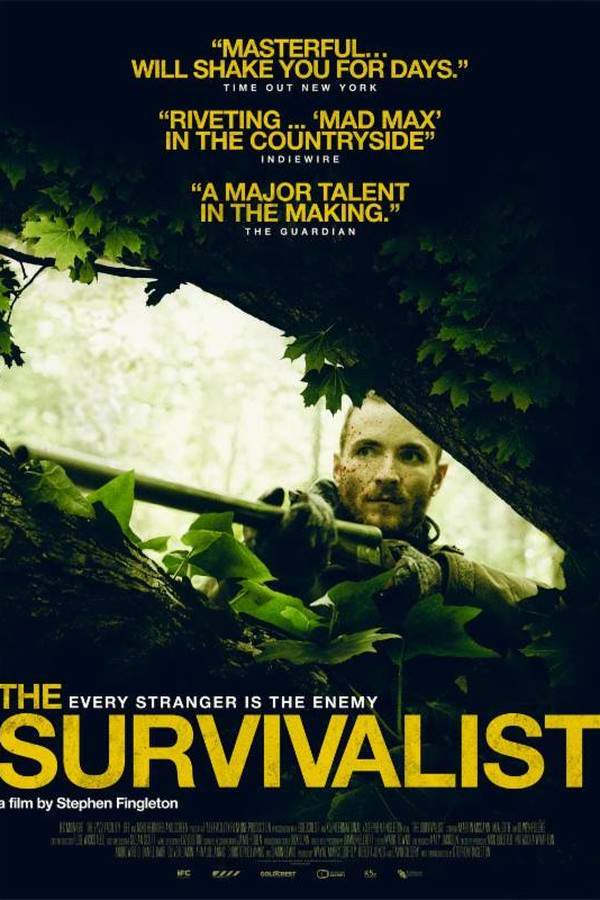
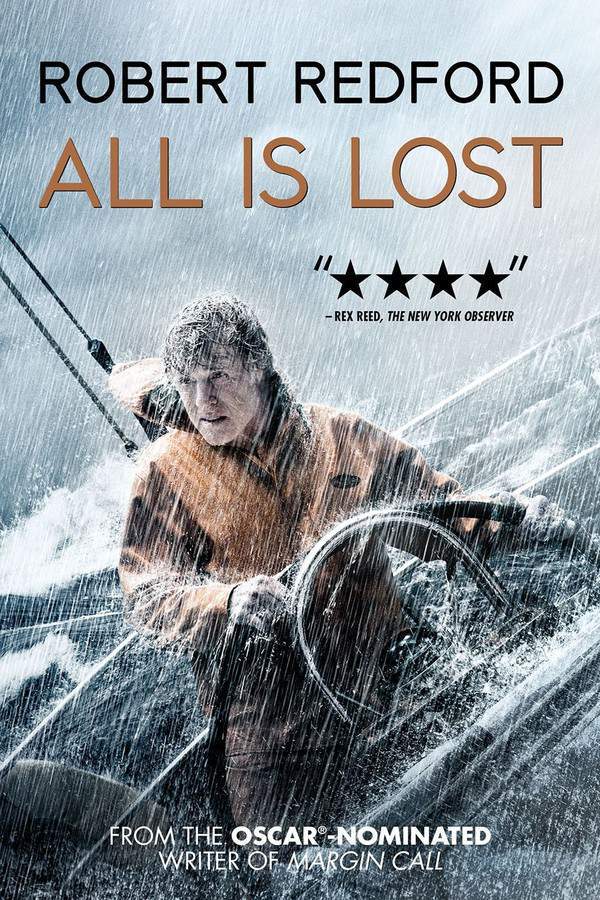
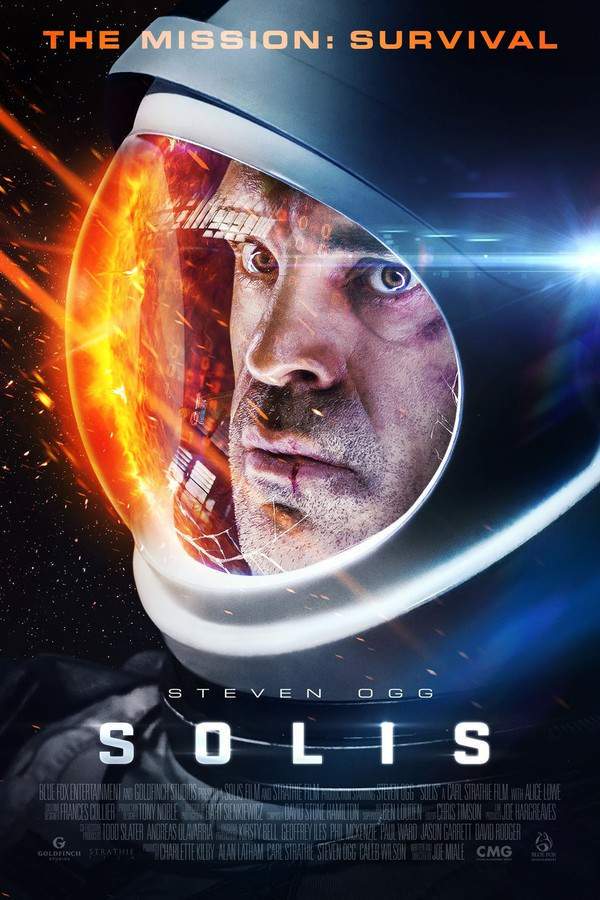
Solemn Survival Tales like Crusoe

Stories of one person's stark battle against nature and their own mind. Discover movies like Crusoe that feature intense survival stories focused on a single protagonist. If you enjoyed the grim, solitary struggle against nature in Crusoe, this list features similar narratives of resilience, adaptation, and the heavy emotional weight of isolation.

  • lonely
  • grim
  • tense
  • survivalist
  • introspective
  • brutal
  • Tone: tense, bleak, introspective
  • Pacing: steady, methodical
Why these movies?

The story pattern: These narratives follow a linear, focused journey where a character is stripped of society and must rely on primal ingenuity. The plot is driven by a series of physical and psychological challenges, with a steady pacing that reflects the long, arduous process of survival. The journey is as much about maintaining sanity as it is about securing food and shelter.

Why they belong together: Movies are grouped here based on their shared atmosphere of intense loneliness, high-stakes survival, and a heavy, often bleak emotional tone. They connect through a similar pacing that feels deliberate and steady, mirroring the relentless grind of survival, and a focus on the raw, unvarnished experience of a solitary character.

Grim Bittersweet Endurance Stories like Crusoe

Hard-won victories tempered by profound loss and moral complexity. Find films similar to Crusoe where the ending is bittersweet. If you appreciated how Crusoe's resilience was shadowed by loss and moral ambiguity, these movies also feature characters who endure great hardship, achieving a complex and emotionally resonant conclusion.

  • bittersweet
  • grim
  • cautionary
  • heavy
  • endurance
  • loss
  • Tone: grim, tense, bittersweet
  • Pacing: steady, grueling
Why these movies?

The story pattern: The narrative pattern involves a protagonist overcoming a prolonged, brutal struggle. While they ultimately survive or escape, the resolution is not purely happy. The ending is tinged with sadness, trauma, or the lingering consequences of difficult choices made during the ordeal, leaving the viewer with a complex mix of relief and melancholy.

Why they belong together: These films share a specific emotional arc: a journey through high-intensity suffering leading to a bittersweet conclusion. They are united by a heavy emotional weight, a straightforward or moderate narrative complexity that focuses on endurance, and an ending feel that balances survival with somber reflection.

If you liked this

Movies Like Crusoe

Similar movies to Crusoe: the same genre, themes or kind of story. Each one comes with its own plot summary, timeline and ending explained.

Browse all movie summaries

Every angle

Crusoe (1988) Explained: Plot, Timeline & Characters

Everything about Crusoe in one place: what happens in the plot summary, the timeline in chronological order, the characters and meaning and a spoiler-free summary. What's After the Movie adds the cast, box office and post-credit scenes.

Coming soon on iOS and Android

The Plot Explained Movie Summary App

Plot summaries, endings explained and timelines on your phone. Catch up on any movie in minutes, save your favorites and never miss a twist again.

Be the first to know when we launch. Your email stays private, always.

Learn more about the app