Plot Explained Spoilers guaranteed!
Plot Explained

Browse by genre

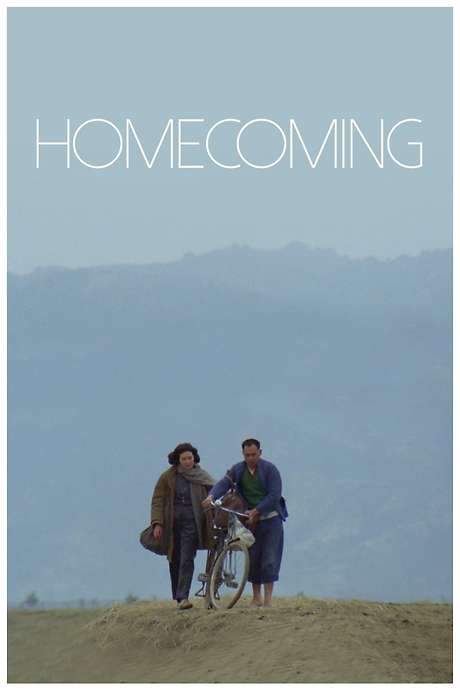
Coming Home (2015) movie poster

Timeline

Coming Home (2015) Timeline Explained – Every Event in Order

Release, runtime and language
2015 · 109 min · English
Directed by
Yimou Zhang
Starring
Li Gong, Daoming Chen, Tao Guo, Bai Qing Xin, Chun Li, Huiwen Zhang

Following the Cultural Revolution in China, a man named Lu Yanshi returns home with hopes of reuniting with his wife, Feng Wanyu. However, he discovers she has lost her memory and no longer recognizes him. Determined to restore their shared history and rekindle their love, Lu patiently attempts to help her recover her memories, facing emotional challenges along the way.

On this page (5)
  1. 1 Events in order (12)
  2. 2 Timeline questions answered
  3. 3 Movie threads
  4. 4 Movies like Coming Home
  5. 5 Every angle

12 events in order · contains spoilers

Coming Home Timeline: Events in Chronological Order

Every key event of Coming Home (2015) in order, scene by scene, with when and where it takes place. Use it to untangle flashbacks, time jumps and parallel storylines, to refresh your memory before the sequel or to find the exact scene you are thinking of.

  1. Lu Yanshi is a professor before the Cultural Revolution

    Lu Yanshi is a university professor whose life is upended by the Cultural Revolution. He is sent to a labor camp for his intellectual status. The upheaval creates the long separation from his family and sets the stage for his later attempts to reconnect.

    When
    Cultural Revolution
    Where
    university campus
  2. Lu Yanshi is sent to a labor camp in Xining

    Lu Yanshi is sent to a labor camp in Xining during the Cultural Revolution. The harsh conditions and political pressure sever his ties to his wife and daughter. The experience marks the beginning of a saga that will stretch over decades.

    When
    Cultural Revolution
    Where
    Xining, China
  3. Lu escapes the labor camp to see his wife and daughter

    In a bid to reunite, Lu Yanshi escapes the labor camp in Xining to reach his family. He hopes to tell them he is alive and to reclaim his place in their lives. The escape is dangerous, underscoring his determination.

    When
    Cultural Revolution (late)
    Where
    Xining, China
  4. Police outside the family home arrest him

    When Lu tries to meet his wife and daughter, police are waiting outside the home to arrest him. The reunion collapses in an instant as state power overwhelms personal desire.

    When
    Cultural Revolution
    Where
    family home
  5. Dandan's ballet career blocked by her father's outlaw status

    Dandan is a teenage ballerina who cannot play the leading role in Red Detachment of Women because her father is considered an outlaw. Her status blocks her career and fuels the plot with moral conflict.

    When
    Cultural Revolution
    Where
    ballet company/theater
  6. Dandan betrays her parents to the police

    Under pressure to regain the leading role, Dandan reveals her parents' secret meeting plan to the police. This betrayal leads to Lu's capture, ending any immediate chance of reunion.

    When
    Cultural Revolution
    Where
    police/meeting location
  7. Lu is captured by the police

    Lu Yanshi is seized by the police following the revelation. He is separated from his family as a consequence of the crackdown. The capture underscores the personal cost of the era.

    When
    Cultural Revolution
    Where
    police custody
  8. Cultural Revolution ends and Lu returns home to a broken family

    With the Cultural Revolution over, Lu returns to his home to find the family fractured. Feng Wanyu suffers from amnesia and cannot recall him easily, while Dandan works as a textile worker. The household is a far cry from the life they once envisioned.

    When
    Post-Cultural Revolution
    Where
    home
  9. Wife's trauma causes misrecognition of Lu

    Feng sometimes mistakes Lu for Officer Fang due to trauma from a former official's harassment. Memory gaps complicate any chance of closeness, and the couple's relationship remains strained. The misrecognition prevents a simple, immediate reunion.

    When
    Post-Cultural Revolution
    Where
    home
  10. Lu disguises himself as a stranger to near his wife

    To awaken her memory, Lu disguises himself as a stranger so he can be near her without triggering fear. He cannot live openly with Feng because of her trauma, so he stays in the shadows as a distant presence.

    When
    Post-Cultural Revolution
    Where
    near wife in home environment
  11. Lu writes letters to communicate and guide their daughter

    Lu continues to write letters to Feng as a way to communicate and to urge her to forgive their daughter. The letters become the steady connection across years of separation. They keep hope alive even as direct contact remains impossible.

    When
    Post-Cultural Revolution
    Where
    unspecified
  12. A snowy railway-station moment of fragile reunion

    Several years later, Feng waits outside the railway station on a snowy day for news of her husband. Lu appears beside her, disguised as a pedicab driver. The moment is quiet and symbolic, signaling cautious hope for reconciliation.

    When
    Several years after Cultural Revolution
    Where
    railway station

Last updated: February 24, 2026 at 14:15

Was this helpful?

Timeline questions answered

Coming Home Timeline Explained: Your Questions Answered

When does it happen, and why in that order? The questions people ask about the chronology of Coming Home (2015): time jumps, flashbacks, cause and effect between scenes and the correct order of events, each answered with spoilers.

Q1

Why did Dandan betray her parents to the police?

Dandan betrayed her parents because she wanted to regain the leading role in the ballet Red Detachment of Women. As a teenage ballerina, her father's outlaw status due to the Cultural Revolution prevented her from playing the lead. When the police offered her a chance to reclaim the role in exchange for information about her parents' secret meeting, she revealed their plan. Despite her betrayal, Dandan still did not get the leading role, making her sacrifice pointless.

Foreshadowing: Earlier in the story, Dandan's inability to play the lead role establishes the pressure she faces.

  • dandan
  • betrayal
  • police
  • ballet
  • red detachment of women
  • cultural revolution
Q2

Why was Lu arrested when he tried to return home?

Lu was arrested because the police were already waiting outside his family home. After escaping from the labor camp in Xining, Lu planned a secret meeting with his wife and daughter. However, Dandan had already revealed the meeting plan to the police in hopes of reclaiming her ballet role. When Lu arrived, the police were there to capture him immediately.

Foreshadowing: The story establishes early that Dandan's career was blocked by her father's political status, creating the motivation for her betrayal.

  • lu yanshi
  • arrested
  • police
  • labor camp
  • escape
  • cultural revolution
Q3

What caused Feng's amnesia?

Feng developed amnesia as a result of the trauma she suffered during the Cultural Revolution. The political persecution, her husband's imprisonment, and the stress of raising their daughter alone while being targeted as the wife of an intellectual created severe psychological trauma. This trauma manifested as memory loss, preventing her from recognizing her own husband when he returned.

Foreshadowing: The brutal conditions of the Cultural Revolution and the family's persecution establish the psychological toll that would later surface.

  • feng wanyu
  • amnesia
  • memory loss
  • trauma
  • cultural revolution
Q4

Why does Feng mistake Lu for Officer Fang?

Feng mistakes Lu for Officer Fang because of her trauma from sexual harassment by a former official during the Cultural Revolution. The harassment left deep psychological scars, and when she experiences shock or stress, she confuses her husband's identity with that of her harasser. This misrecognition is a manifestation of her trauma and memory damage.

Foreshadowing: The story hints at the harassment when mentioning Feng's shock from a former official's assault.

  • feng wanyu
  • officer fang
  • misrecognition
  • trauma
  • harassment
Q5

Why does Lu disguise himself as a stranger to be near his wife?

Lu disguises himself as a stranger because Feng's trauma prevents her from accepting him as her husband. Her amnesia and psychological damage cause fear and resistance when he tries to be close to her. By posing as a letter reader or piano tuner, Lu can stay near her and attempt to jog her memory without triggering her traumatic responses. He hopes that approaching her as a stranger will eventually help restore her memories.

Foreshadowing: Feng's misrecognition of Lu establishes the need for him to maintain distance.

  • lu yanshi
  • disguise
  • stranger
  • memory recovery
  • letter reader
  • piano tuner
Q6

What is the significance of the ending at the railway station?

The ending at the railway station represents a fragile, tentative reunion. Years after the Cultural Revolution ends, Feng waits at the railway station on a snowy day, hoping for news of her husband. Lu appears beside her, disguised as a pedicab driver. This quiet moment shows that despite all the suffering and memory loss, their connection persists. It is bittersweet because Feng still does not fully recognize him, but Lu's presence suggests hope for eventual reconciliation.

Foreshadowing: The years of Lu's patient efforts and letter-writing build toward this moment of quiet hope.

  • railway station
  • reunion
  • snow
  • pedicab
  • ending
  • hope
Q7

Why does Lu continue writing letters to his wife?

Lu continues writing letters because direct communication is impossible due to Feng's amnesia and trauma. The letters serve as his primary way to stay connected to her and to maintain hope. Additionally, Lu uses the letters to convince Feng to forgive their daughter Dandan for the betrayal that led to his capture. The letters represent his steadfast devotion and his efforts to heal both his wife's memory and their fractured family.

Foreshadowing: The breakdown of normal communication due to Feng's condition makes the letters essential.

  • letters
  • communication
  • forgiveness
  • dandan
  • devotion
Q8

Why does Dandan betray her own father to the police?

Dandan betrays her father because the Cultural Revolution has placed her in an impossible position. As a ballerina, her career depends on political purity, and her father's status as an outlaw threatens her future. When authorities promise to restore her leading role in Red Detachment of Women in exchange for information about her parents' secret meeting, she succumbs to the temptation. Her betrayal is motivated by youthful desperation and the system of political pressure thatpunishes children for their parents' perceived crimes.

Foreshadowing: The ballet company's rejection of Dandan due to her father's status establishes the stakes.

  • dandan
  • father
  • betrayal
  • career
  • ballet
  • cultural revolution
Q9

What happens to Lu after he is captured following his escape?

After being captured, Lu is taken back into custody and remains imprisoned until the Cultural Revolution ends. The story does not detail his exact years of imprisonment, but he eventually returns home to find his family broken. His wife suffers from amnesia and cannot recognize him, while his daughter has become a textile worker. The capture destroys any immediate chance of reunion and sets in motion the years-long struggle to reconnect with his wife.

Foreshadowing: Lu's dangerous escape underscores how much he risked for this reunion.

  • lu yanshi
  • captured
  • labor camp
  • imprisonment
  • return
Q10

Why can't Feng recognize her own husband?

Feng cannot recognize her husband because the trauma of the Cultural Revolution caused her to develop amnesia. Years of persecution, her husband's imprisonment, and sexual harassment by officials damaged her memory severely. When Lu finally returns, she experiences memory gaps and sometimes confuses him with her harasser. Her inability to recognize him is not a choice but a psychological condition resulting from the political persecution she endured.

Foreshadowing: The harassment by a former official is directly connected to her memory problems.

  • feng wanyu
  • recognition
  • memory
  • amnesia
  • husband
  • trauma

Movie threads

More Movies Like Coming Home, by Mood & Story

Curated lists built around what makes Coming Home tick: the same mood, the same kind of story or the same emotional payoff. Each list explains why these movies belong together.

Patient love stories like Coming Home

Heartfelt tales of devotion tested by time, trauma, and memory. For viewers who liked the steadfast romance in Coming Home, these movies feature couples whose love is tested by historical events, memory loss, or long separations, yet remains deeply devoted.

  • devoted
  • yearning
  • melancholic
  • patient
  • hopeful
  • somber
  • Tone: melancholic, devoted, bittersweet
  • Pacing: slow, patient
Why these movies?

The story pattern: These narratives follow a slow-burn emotional journey where the central relationship is fractured by trauma, time, or circumstance. The plot revolves around a patient, often painful attempt to rebuild a connection, focusing on small, tender moments over grand gestures.

Why they belong together: They share a melancholic yet hopeful tone, heavy emotional weight, and a deliberate pacing that allows the audience to feel the full weight of the characters' endurance and devotion.


Dramas about post-trauma reconciliation like Coming Home

Quiet dramas about rebuilding lives and relationships shattered by state violence. If you were moved by the historical context and emotional scars in Coming Home, these movies also depict characters grappling with the personal fallout of political repression and the long road to recovery.

  • somber
  • traumatic
  • historical
  • reconciliation
  • betrayal
  • quiet
  • Tone: somber, traumatic, bittersweet
  • Pacing: slow, deliberate
Why these movies?

The story pattern: The plot typically begins after a major historical upheaval, following characters as they return to a world forever changed. The central conflict involves confronting the past—both personal betrayals and systemic trauma—and attempting to rebuild a life and family from the wreckage.

Why they belong together: They are grouped by their somber mood, heavy themes of political trauma and family betrayal, a bittersweet emotional arc, and a focus on the quiet, difficult work of reconciliation rather than the dramatic events of the conflict itself.

If you liked this

Movies Like Coming Home

Similar movies to Coming Home: the same genre, themes or kind of story. Each one comes with its own plot summary, timeline and ending explained.

Browse all movie summaries

Every angle

Coming Home (2015) Explained: Plot, Timeline & Characters

Everything about Coming Home in one place: what happens in the plot summary, the timeline in chronological order, the characters and meaning and a spoiler-free summary. What's After the Movie adds the cast, box office and post-credit scenes.

Coming soon on iOS and Android

The Plot Explained Movie Summary App

Plot summaries, endings explained and timelines on your phone. Catch up on any movie in minutes, save your favorites and never miss a twist again.

Be the first to know when we launch. Your email stays private, always.

Learn more about the app