Year: 1992
Runtime: 88 mins
Language: French
Director: Jean-Claude Brisseau
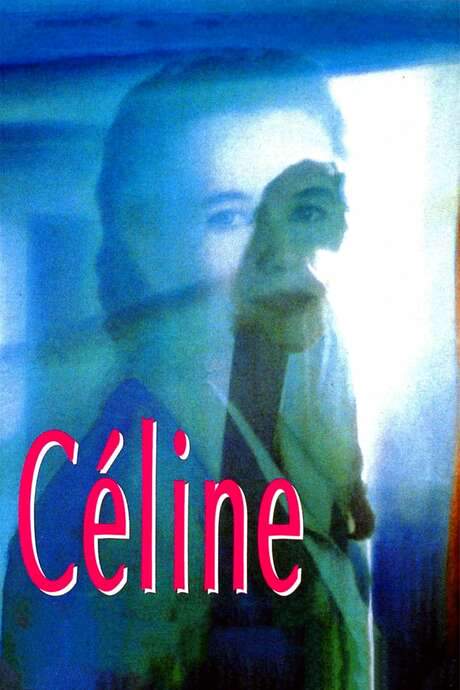
After her father's death, 22‑year‑old Céline inherits most of his estate but gives it to her stepmother, causing her fiancé to leave. After several failed suicide attempts she is hospitalized, where nurse Genevieve—also struggling with depression—takes charge of her care. Under Genevieve’s support, Céline slowly recovers and the two women become close.
Warning: spoilers below!
Haven’t seen Céline yet? This summary contains major spoilers. Bookmark the page, watch the movie, and come back for the full breakdown. If you're ready, scroll on and relive the story!
Read the complete plot breakdown of Céline (1992), including all key story events, major twists, and the ending explained in detail. Discover what really happened—and what it all means.
At 22, Céline finds her life unraveling in a matter of days: she loses her father, a billionaire who dies in her arms, discovers she was adopted by an employee of her late father, relinquishes her share of the inheritance, and watches her fiancé Olivier walk away when she needs him most. In the wake of these blows, she feels emptied of purpose and status, as if she no longer belongs to the world she once knew.
A rain-soaked street encounter changes everything. Geneviève, a home nurse who has endured her own share of hardship, finds Céline prostrate and crying and helps her back to the country home known as the Vieux Moulin. The task of tending to Céline falls to Geneviève, who is asked by Céline’s mother, Madame Giraud, to live at the property and oversee Céline’s recovery. Geneviève, herself scarred by past crises and a looming threat of heart trouble, accepts the burden with a quiet resolve born of experience.
Initially, the plan leans on conventional medicine: tranquilizers and standard care. Yet Geneviève soon shifts the approach, asking Céline to seek help from within rather than rely on pills. When Céline pleads for relief, she blurts out a simple, stark request: “Help me.” In response, Geneviève begins to guide her not through prescriptions but through structure and self-discipline, inviting her to embrace a slower rhythm of life.
Under this new regimen, Céline gradually adopts relaxation, meditation, and yoga, moving from passive despair toward a steadier mental and emotional footing. With Gérard, a physician friend and occasional companion, Céline begins to rediscover a taste for living and to reconnect with the world outside the four walls of the Vieux Moulin. A bond of trust strengthens between the two women, and the home settles into a quiet, nature-filled cadence that seems to healing in its own right.
As Céline sinks deeper into meditation, she begins to display remarkable, almost otherworldly abilities: she can project her presence to different places in her mind, she experiences precognition that helps avert danger, and she finds herself in two places at once—a phenomenon known as bilocation. These developments intensify the sense that something extraordinary is unfolding around her.
The paranormal phenomena accelerate, presenting as benevolent miracles: scratches on a child vanish, and a paralytic who had seemed beyond help regains the use of his legs in his presence. Yet alongside the miracles, a dark silhouette—the Shadow of Death—looms over Geneviève, unsettling the careful balance the two women are building. Céline’s experiences intensify to the point where she feels drawn to what she calls a higher presence, a sense of merging with the divine that occurs during meditation.
Word of Céline’s abilities spreads through the neighborhood, turning her into a figure some hail as a holy healer. People line up at the Vieux Moulin to seek cures and testimonies, and one visitor even claims to have seen Christ by her side. The growing crowd and the mounting gullibility weigh on Céline, and eventually she decides to step away from the attention and leave.
In a private letter, Céline explains that she has entered a consecrated path and that the miraculous phenomena have ceased around her. She also reveals that she is being sent—perhaps for life—on a mission to the Chinese border, and that she has donated the property to her nurse. The news unsettles Geneviève, who collapses under the weight of the revelation and faces a serious heart attack. The giant black silhouette—Death’s shadow—returns to claim her, but Céline reappears to dispel the ominous figure and, in a tender moment, places a ring on Geneviève’s finger, sealing their lifelong friendship and offering a tangible sign of the extraordinary bonds between them.
With dawn comes a new chapter. Geneviève, still alive, begins a sincere romance with Gérard and—together with him—opens a shared office within the house, symbolizing a lasting, grounded life beyond the earlier upheavals. Outside, the sun shines on the landscape as life continues, quietly resilient and full of quiet wonder.
Life goes on.
Last Updated: October 09, 2025 at 12:33
Discover curated groups of movies connected by mood, themes, and story style. Browse collections built around emotion, atmosphere, and narrative focus to easily find films that match what you feel like watching right now.
Stories where profound female connections guide the path from despair to recovery.If you appreciated the deep bond between Céline and Genevieve, this collection features similar movies where female friendship is the catalyst for healing. These stories explore recovery from grief, trauma, or mental health struggles, emphasizing quiet strength and emotional support over dramatic confrontations.
These narratives typically begin with a character in a state of deep emotional isolation or crisis, often due to grief, trauma, or mental illness. The arrival of another woman, who may be a caregiver, friend, or stranger, initiates a slow, non-linear process of healing. The central relationship is built on empathy and shared vulnerability rather than romance, driving the protagonist's journey toward a new, often bittersweet, stability.
Movies are grouped here for their shared focus on the redemptive power of female companionship. They share a meditative tone, a slow pacing that allows for emotional depth, and a narrative structure where the relationship itself is the primary vehicle for change and hope.
Quiet character studies where grief opens a door to mystical transformation.For viewers who were captivated by the mystical elements in Céline, this section features movies like it that explore spiritual awakening. These dramas often start with profound loss and use a slow, meditative pace to depict a character's journey toward a new, transcendent understanding of life and healing.
The narrative pattern involves a protagonist grounded in a difficult reality—such as grief or illness—who begins to experience unexplained phenomena or a deep internal shift. This spiritual dimension is woven subtly into the story, complementing rather than overpowering the character's emotional journey. The ending often suggests a new path or purpose that is bittersweet, as the character moves beyond their old life.
These films are united by their unique blend of emotional realism with mystical or spiritual themes. They share a slow, meditative pacing that encourages introspection, a tone that balances melancholy with wonder, and a focus on internal transformation over external plot.
Don't stop at just watching — explore Céline in full detail. From the complete plot summary and scene-by-scene timeline to character breakdowns, thematic analysis, and a deep dive into the ending — every page helps you truly understand what Céline is all about. Plus, discover what's next after the movie.
Track the full timeline of Céline with every major event arranged chronologically. Perfect for decoding non-linear storytelling, flashbacks, or parallel narratives with a clear scene-by-scene breakdown.
Discover the characters, locations, and core themes that shape Céline. Get insights into symbolic elements, setting significance, and deeper narrative meaning — ideal for thematic analysis and movie breakdowns.
Get a quick, spoiler-free overview of Céline that covers the main plot points and key details without revealing any major twists or spoilers. Perfect for those who want to know what to expect before diving in.
Visit What's After the Movie to explore more about Céline: box office results, cast and crew info, production details, post-credit scenes, and external links — all in one place for movie fans and researchers.
Discover movies like Céline that share similar genres, themes, and storytelling elements. Whether you’re drawn to the atmosphere, character arcs, or plot structure, these curated recommendations will help you explore more films you’ll love.
Céline (1992) Scene-by-Scene Movie Timeline
Céline (1992) Movie Characters, Themes & Settings
Céline (1992) Spoiler-Free Summary & Key Flow
Movies Like Céline – Similar Titles You’ll Enjoy
The Captive (2002) Complete Plot Breakdown
birth/rebirth (2023) Movie Recap & Themes
Camille Claudel 1915 (2013) Complete Plot Breakdown
In the Name of My Daughter (2015) Spoiler-Packed Plot Recap
Café de Flore (2012) Complete Plot Breakdown
Continue (2024) Complete Plot Breakdown
Sibyl (2019) Ending Explained & Film Insights
Seventeen Times Cécile Cassard (2002) Full Movie Breakdown
Cecilie (2007) Full Movie Breakdown
Galia (1966) Spoiler-Packed Plot Recap
Crying for Love (2008) Complete Plot Breakdown
Céline (2008) Ending Explained & Film Insights
Céline and Julie Go Boating (1974) Spoiler-Packed Plot Recap
Chloé (1996) Ending Explained & Film Insights
Le Cri de la soie (1996) Ending Explained & Film Insights