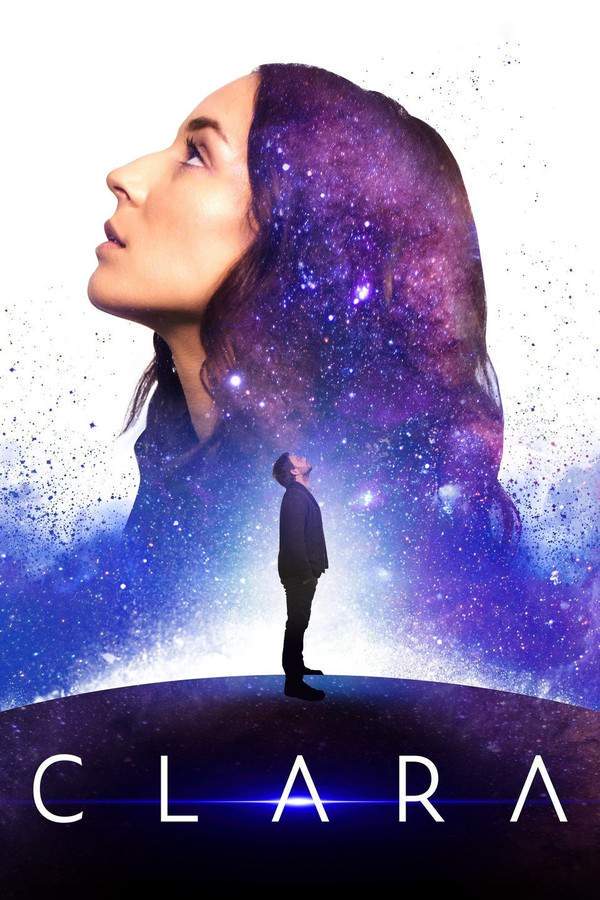
Astronomer Isaac Bruno is driven by a relentless search for extraterrestrial life, but his work is complicated by a personal tragedy. When he meets the mysterious artist Clara, they form an unexpected partnership, combining his scientific expertise with her unique perspective. Together, they delve into newly released stellar data, hoping to make revolutionary discoveries while Isaac confronts his past and rekindles his passion for the universe.
Find where to stream, rent, or buy Clara (2019) in the US with current JustWatch availability, up-to-date pricing, and platform listings for subscription, rental, and digital purchase options.
Warning: spoilers below!
Haven’t seen Clara yet? This summary contains major spoilers. Bookmark the page, watch the movie, and come back for the full breakdown. If you're ready, scroll on and relive the story!
Trace every key event in Clara (2019) with our detailed, chronological timeline. Perfect for unpacking nonlinear stories, spotting hidden connections, and understanding how each scene builds toward the film’s climax. Whether you're revisiting or decoding for the first time, this timeline gives you the full picture.
Last updated: March 05, 2026 at 18:40
Find frequently asked questions about the Clara (2019) timeline, including chronological order, nonlinear jumps, cause-and-effect links, and scene sequence clarifications. This timeline FAQ helps explain when key events happen, how moments connect, and why the story unfolds in that specific order.
Isaac's obsession stems from the death of his infant son two years earlier. The trauma drove him to pour all his energy into the search for intelligent life, using the hunt for alien contact as a way to cope with his grief and find meaning in a universe that felt fundamentally unjust. His work becomes an all-consuming mission that alienates him from colleagues and leads him to bend ethical boundaries.
Clara suffers from an autoimmune disease that gradually degrades her organs and muscles. The film reveals this diagnosis in the hospital scene, explaining why she was taking medication throughout the story. Despite her declining health, she maintains enough physical capability to walk and speak, demonstrating a stubborn resilience until her death.
Earlier scenes show Clara taking medication and experiencing moments of weakness, hinting at her underlying condition.
Isaac pulls away from Clara because he is deeply afraid of vulnerability and emotional attachment. He explicitly states that meaningful things must be proven by data, not by feeling. After losing his son, Isaac associates love with potential loss and heartbreak, so he initially resists allowing himself to love Clara despite their growing connection.
Isaac's scientific worldview and his statement that 'anything meaningful must be proven by data' foreshadows his emotional resistance.
After Clara discovers a promising exoplanet, Isaac becomes desperate for more data to study it. When his access to university facilities is cut off following his suspension, he sneaks back into the university at night and lies to the Chilean telescope operators, claiming his friend Charlie had given permission. This act of deception marks a turning point where his obsession overrides his ethical judgment.
Isaac's prior misappropriation of telescope time and his hostile behavior toward colleagues establish his willingness to bend rules.
After Isaac muses that the universe is a 'cosmic accident,' Clara offers a philosophical counterpoint: the atoms that made up his dead son still exist in the universe, merely transformed into other matter. She suggests their connection endures in a broader, cosmic sense. This perspective helps Isaac become more open emotionally and marks a pivotal moment in their relationship.
At the JPL press conference announcing proof of intelligent alien life, Isaac is not in his assigned seat. Instead, he sits apart, lost in memory of Clara. Having lost Clara before seeing the discovery through, Isaac prioritizes remembering her over basking in scientific glory. The moment represents his emotional growth, choosing love and memory over career validation.
Clara's death before the discovery was confirmed sets up Isaac's preference for personal memory over public recognition.
The aliens send two messages to Isaac: first, his name in Morse code addressed directly to 'Isaac Bruno,' and second, an audio file of a Bob Dylan song that Isaac and Clara used to listen to together. The message confirms not only the existence of intelligent life but also that they have been observing Isaac and Clara specifically, bridging the cosmic and personal themes of the film.
Clara asks Isaac to map the universe using TESS data and select a star by intuition rather than following the data blindly. Isaac deliberately chooses a spot outside the current dataset, a seemingly irrational choice that Clara trusts despite lacking empirical backing. Later, this very location reveals anomalies from an artificial object, proving that intuition can sometimes succeed where pure data analysis fails.
Rebecca Jenkins is Isaac's ex-wife, and they lost their baby son two years before the film takes place. This shared tragedy is the source of Isaac's obsessive search for meaning through science. Rebecca tells Isaac bluntly that discovering alien life won't bring back their dead child, yet she still agrees to help him secure telescope time at Keck, showing both her lingering care for him and her attempt to help him find closure.
The trauma of losing their son drives Isaac's fixation throughout the entire film.
Discover curated groups of movies connected by mood, themes, and story style. Browse collections built around emotion, atmosphere, and narrative focus to easily find films that match what you feel like watching right now.
Profound personal loss collides with the search for meaning in the vastness of space.If you were moved by the blend of personal tragedy and cosmic wonder in Clara, explore more movies like it. These films feature characters using scientific exploration as a way to process profound loss, offering bittersweet, emotionally heavy stories about healing and connection.
Stories in this thread follow a linear but layered path. A protagonist, immobilized by grief, is drawn into a scientific or philosophical puzzle. Through this external quest—often involving data, observation, or collaboration with an unexpected partner—they slowly confront their inner pain. The climax typically delivers a dual resolution: a transcendent discovery that validates their search, and a poignant, personal acceptance of their loss.
These movies are grouped because they share a core DNA: they use the framework of science fiction not for escapist adventure, but as a profound metaphor for processing human emotion. The mood is consistently melancholic yet hopeful, the pacing steady to allow for introspection, and the emotional weight is heavy. They balance intimate character drama with the wonder of discovery, resulting in a uniquely bittersweet tone.
Two broken people find unexpected redemption and purpose through a deep, transformative connection.Loved the deep, healing bond between Isaac and Clara? Discover similar movies about transformative partnerships. These films focus on characters who are emotionally or physically wounded finding unexpected purpose and healing through a profound connection with another person, often while working on a shared goal.
The narrative pattern involves two protagonists, each isolated by their pain. Their meeting is often serendipitous. As they work together on a tangible goal (an artistic project, a scientific inquiry, solving a mystery), walls come down. The partnership forces them to confront what they've been avoiding. The arc is defined by emotional vulnerability, shared purpose, and a climax that involves a sacrifice or a parting, but leaves both characters fundamentally changed and healed.
These films are connected by their core focus on character-driven healing through partnership. They prioritize emotional depth and vulnerability over plot mechanics. The tone is consistently bittersweet, acknowledging the pain of loss or illness while celebrating the redemptive power of human connection. The pacing is steady, allowing the relationship to develop naturally, and the emotional payoff is significant, making the viewer feel the weight and the grace of the characters' journeys.
Don't stop at just watching - explore Clara in full detail. From the complete plot summary and scene-by-scene timeline to character breakdowns, thematic analysis, and a deep dive into the ending - every page helps you truly understand what Clara is all about. Plus, discover what's next after the movie.
Read a complete plot summary of Clara, including all key story points, character arcs, and turning points. This in-depth recap is ideal for understanding the narrative structure or reviewing what happened in the movie.
Discover the characters, locations, and core themes that shape Clara. Get insights into symbolic elements, setting significance, and deeper narrative meaning - ideal for thematic analysis and movie breakdowns.
Discover movies like Clara that share similar genres, themes, and storytelling elements. Whether you’re drawn to the atmosphere, character arcs, or plot structure, these curated recommendations will help you explore more films you’ll love.
Clara (2019) Plot Summary & Movie Recap
Clara (2019) Scene-by-Scene Movie Timeline
Clara (2019) Spoiler-Free Summary & Key Flow
Movies Like Clara – Similar Titles You’ll Enjoy
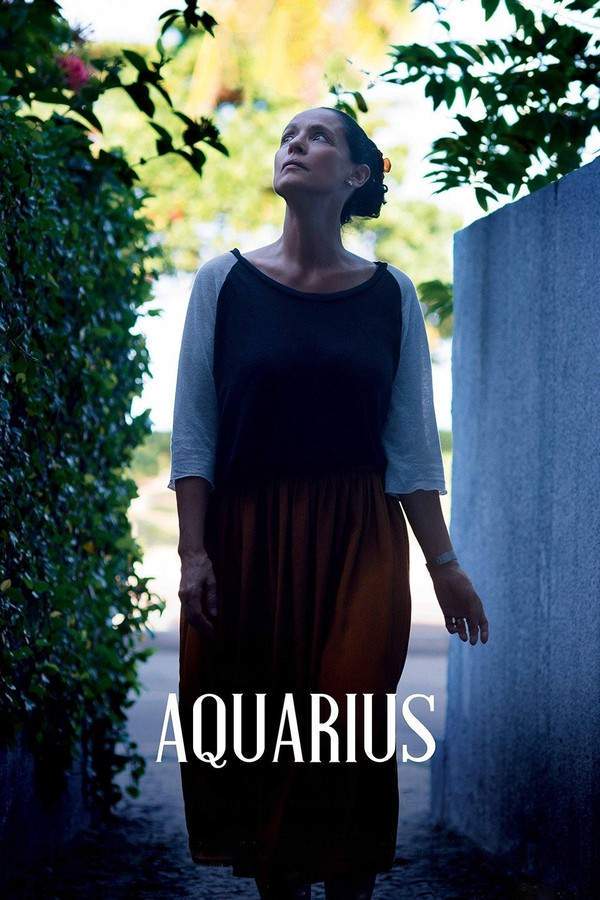
Aquarius (2016) Spoiler-Packed Plot Recap
Clara Sola (2022) Full Summary & Key Details
Claire Dolan (2000) Complete Plot Breakdown
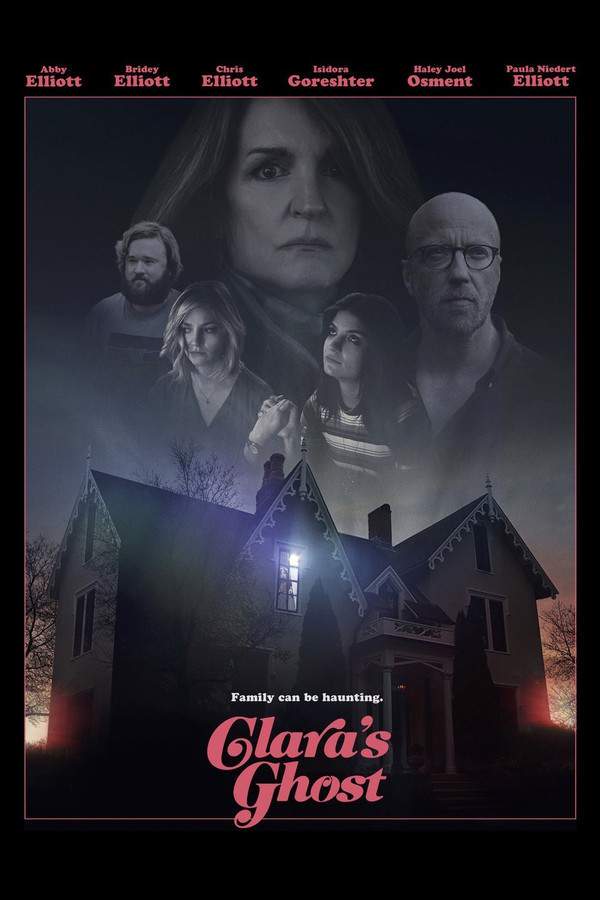
Clara's Ghost (2018) Movie Recap & Themes
birth/rebirth (2023) Movie Recap & Themes
Aniara (2019) Ending Explained & Film Insights
Eva (2015) Movie Recap & Themes
Elizabeth Harvest (2018) Ending Explained & Film Insights
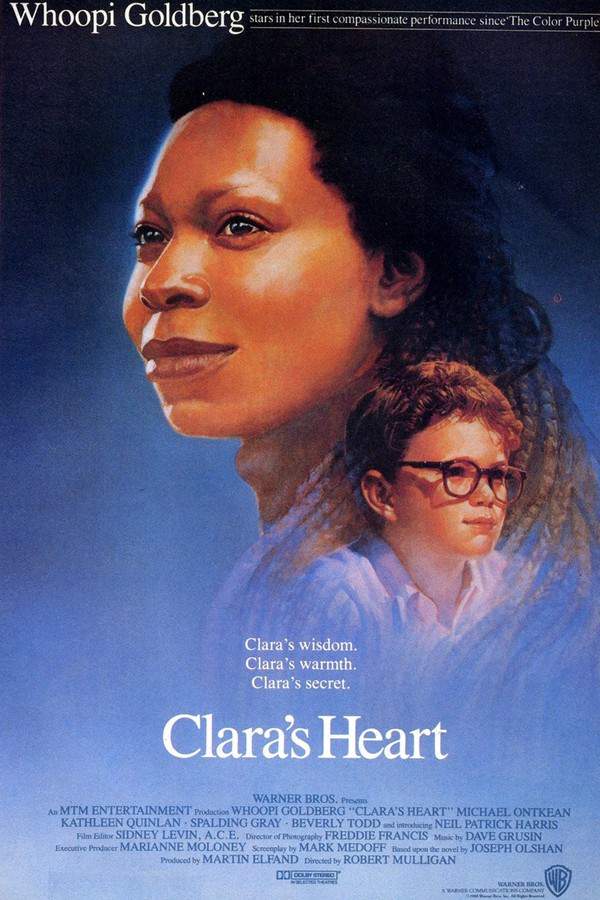
Clara's Heart (1988) Detailed Story Recap
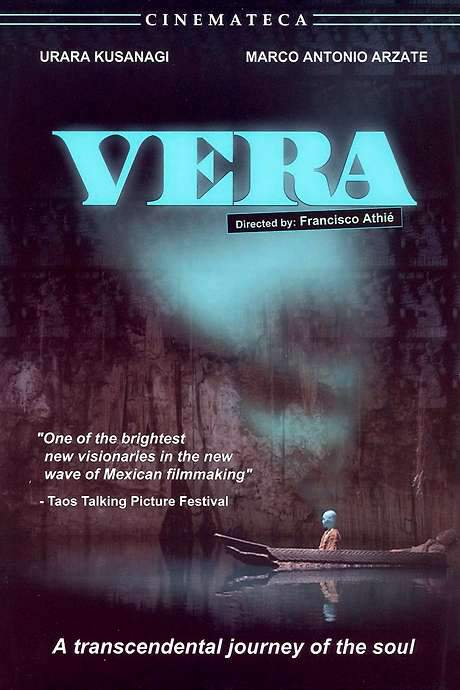
Vera (2003) Film Overview & Timeline
Surviving My Mother (2007) Plot Summary & Ending Explained
Clara’s Summer (2004) Complete Plot Breakdown
Brutalist (2024) Full Movie Breakdown
Saint Clara (1996) Story Summary & Characters
Claire of the Moon (1992) Film Overview & Timeline