






Plot Explained Spoilers guaranteed!
Plot Explained

Browse by genre

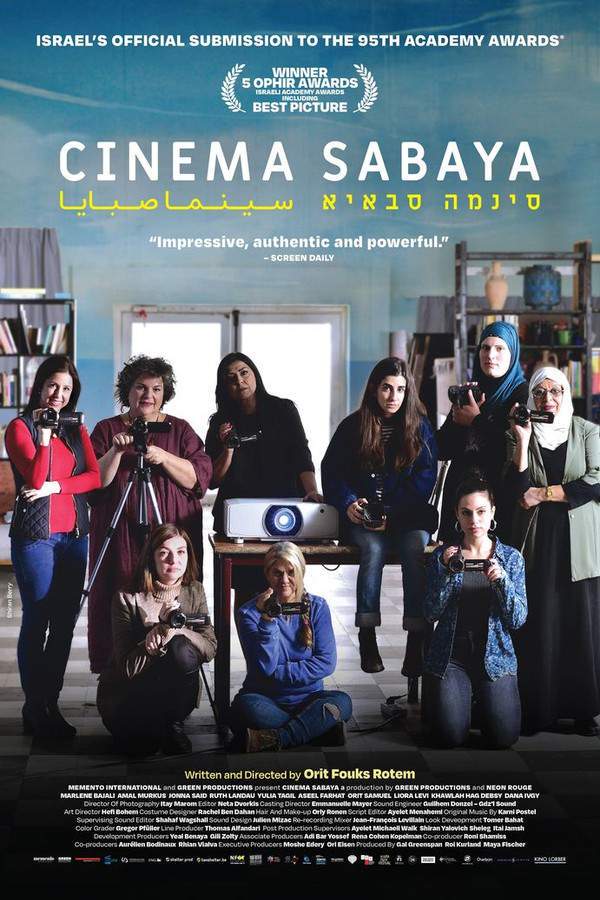
Cinema Sabaya (2023) movie poster

Timeline

Cinema Sabaya (2023) Timeline Explained – Every Event in Order

Release, runtime and language
2023 · 92 min · Hebrew
Echo score 82
Directed by
Orit Fouks Rotem
Starring
Dana Ivgy, Amal Murkus, Aseel Farhat, Joanna Said, Khawlah Hag-Debsy, Liora Levi

In a small town, a group of Arab and Jewish women participate in a video workshop led by a young filmmaker. As they explore their personal experiences and share intimate moments, long-held preconceptions begin to dissolve, fostering empathy and understanding. Through the creative process and a willingness to be vulnerable, these women—mothers, daughters, and wives—form a strong connection, ultimately building bridges between their cultures and communities.

On this page (5)
  1. 1 Where to watch
  2. 2 Events in order (14)
  3. 3 Timeline questions answered
  4. 4 Movie threads
  5. 5 Every angle

Where to watch

Where to Watch Cinema Sabaya (2023)

Where can you watch Cinema Sabaya? Stream, rent or buy it in the US, including on Hoopla, Kanopy and Amazon Video: current JustWatch availability with up-to-date prices.

Streaming availability powered by JustWatch

14 events in order · contains spoilers

Cinema Sabaya Timeline: Events in Chronological Order

Every key event of Cinema Sabaya (2023) in order, scene by scene, with when and where it takes place. Use it to untangle flashbacks, time jumps and parallel storylines, to refresh your memory before the sequel or to find the exact scene you are thinking of.

  1. Introduction of Rona

    Rona, a passionate young filmmaker from Tel Aviv, arrives at the community center to lead a video workshop. Her excitement about using film as a medium encourages the women to share their stories and express their emotions.

    Where
    Community Center
  2. Gathering of Participants

    A diverse group of Arab and Jewish women gathers at the community center to participate in the workshop. Among them are Nasrin, Nahed, Souad, Lubna, Carmela, Awatef, Eti, Gila, and Yelena, each bringing their unique backgrounds and experiences.

    Where
    Community Center
  3. Exploration of Personal Stories

    As the workshop unfolds, Rona guides the participants in exploring their personal stories. They begin filming their lives, capturing moments of joy, struggle, and the day-to-day challenges they face as women in a complex world.

  4. Confronting Stereotypes

    The women present their footage, leading to discussions that challenge societal stereotypes. This sharing of experiences allows them to confront deeply held beliefs about each other's cultures.

    Where
    Community Center
  5. Building Connections

    As the walls of prejudice and misunderstanding begin to crumble, the women form profound connections. Their common experiences of motherhood and love foster a sense of solidarity and support among them.

  6. Creating Empathy through Art

    The workshop becomes a space where art serves as a bridge between the participants. Through their films, they learn to empathize with one another's struggles and triumphs, building a unique sisterhood.

    Where
    Community Center
  7. Personal Growth

    Each woman undergoes personal growth as they reflect on their lives and articulate their stories through film. This process allows them to reclaim their narratives and challenge their own biases.

  8. Joy and Laughter

    Throughout the workshop, moments of joy and laughter emerge among the women. These shared light-hearted experiences contrast with the heavier conversations and deepen their bond.

    Where
    Community Center
  9. Final Screening

    The workshop culminates in a final screening of their films. This event serves as both a celebration of their hard work and a powerful moment of shared vulnerability as they watch each other's stories unfold.

    Where
    Community Center
  10. Impact of the Workshop

    The women reflect on the impact of the workshop on their lives. They express gratitude for the connections formed and the insights gained, acknowledging the transformative power of creativity.

  11. Critical Acclaim

    As the film, Cinema Sabaya, is completed, it garners critical acclaim. It wins five Ophir Awards, including Best Picture and Best Director, showcasing the success of the workshop's impact.

  12. Submission for Academy Awards

    Cinema Sabaya is selected as Israel's official submission for the 95th Academy Awards. This recognition highlights the film's significance and the stories of the women involved in the workshop.

  13. Legacy of Empowerment

    The narrative of Cinema Sabaya stands as a testament to empowerment through community and creativity. The participants' experiences resonate beyond the workshop, inspiring others to challenge divides and foster unity.

  14. Inspiration from Orit Fouks Rotem

    Written and directed by Orit Fouks Rotem, the film is inspired by her own experiences as a teacher. Her vision brings forth the joys and struggles of connecting diverse communities through art.

Last updated: November 04, 2024 at 00:17

Was this helpful?

Timeline questions answered

Cinema Sabaya Timeline Explained: Your Questions Answered

When does it happen, and why in that order? The questions people ask about the chronology of Cinema Sabaya (2023): time jumps, flashbacks, cause and effect between scenes and the correct order of events, each answered with spoilers.

Q1

Why does Rona travel from Tel Aviv to lead the video workshop?

Rona is a passionate young filmmaker from Tel Aviv who believes in film's power to help people express their emotions and share personal stories. She leads the workshop at the community center as a way to bring together women from different backgrounds through the creative medium of video, using her skills to facilitate genuine connection and understanding.

Foreshadowing: Rona's excitement about film as a medium is established early, showing her belief in art's transformative potential.

  • rona
  • filmmaker
  • tel aviv
  • workshop
  • video
  • community center
Q2

How do the Arab and Jewish women overcome their initial prejudice?

The women gradually overcome prejudice by sharing their personal footage and stories with each other. As they present their lives, moments of joy, struggle, and everyday challenges, they confront stereotypes and discover shared experiences of motherhood and love, which creates empathy and breaks down the walls between them.

  • prejudice
  • stereotypes
  • arab
  • jewish
  • connection
  • empathy
  • understanding
Q3

What kinds of personal stories do the workshop participants share?

The women share intimate stories about their lives as mothers, daughters, and wives in a conflict-ridden world. They capture moments of joy, struggle, and everyday challenges they face as women, using film to express emotions and experiences they might not otherwise articulate.

  • personal stories
  • motherhood
  • vulnerability
  • film
  • sharing
  • emotions
Q4

How does the act of filming their lives help the women connect with each other?

Filming forces the women to reflect on their own experiences and then share them with others. When they watch each other's footage, they see beyond societal roles and discover common human experiences, which creates a powerful sense of solidarity and mutual understanding.

  • filming
  • reflection
  • sharing
  • connection
  • vulnerability
  • solidarity
Q5

What happens during the final screening of the women's films?

The workshop culminates in a final screening where the women watch each other's completed films. This event is both a celebration of their hard work and a powerful moment of shared vulnerability as they witness each other's stories, marking the peak of their emotional connection.

  • final screening
  • films
  • celebration
  • vulnerability
  • conclusion
Q6

Why does the film bring together Arab and Jewish women specifically?

The film focuses on Arab and Jewish women to explore how creative expression can bridge cultural and political divides. By gathering women from these two communities in a shared space, the story demonstrates how personal narratives can foster empathy and challenge the societal stereotypes that often divide them.

  • arab
  • jewish
  • cultural divide
  • bridge
  • community
  • divide
  • unity
Q7

What cultural and social barriers exist between the women at the start of the workshop?

At the start, the women hold deeply ingrained prejudices and societal stereotypes about each other's cultures. These barriers are reinforced by the broader conflict between their communities, making initial interactions awkward and guarded as they navigate unfamiliar perspectives.

  • barriers
  • stereotypes
  • prejudice
  • culture
  • society
  • initial tension
Q8

How does the film portray art as a bridge between different communities?

The film shows art as a bridge by creating a safe space where vulnerability becomes strength. Through the video workshop, the women use creativity to express truths that bypass political and cultural divides, allowing genuine human connection to form beyond the barriers of prejudice.

  • art
  • bridge
  • creativity
  • community
  • expression
  • connection
Q9

What are the key transformative moments in the workshop?

Key transformative moments include each woman presenting their personal footage for the first time, the discussions that follow that challenge stereotypes, and the final screening where they witness the cumulative impact of their shared stories. Each revelation builds toward genuine empathy and personal growth.

  • transformation
  • growth
  • revelation
  • turning point
  • personal change
Q10

How do moments of joy and laughter contribute to the women's bonding?

Throughout the workshop, moments of joy and laughter emerge naturally among the women, providing balance to heavier conversations about prejudice and struggle. These shared light-hearted experiences deepen their bond and create authentic connections beyond the cultural divides.

  • joy
  • laughter
  • bonding
  • lightness
  • friendship
  • sisterhood

Movie threads

More Movies Like Cinema Sabaya, by Mood & Story

Curated lists built around what makes Cinema Sabaya tick: the same mood, the same kind of story or the same emotional payoff. Each list explains why these movies belong together.

Movies where art builds community like Cinema Sabaya

Stories where creative expression helps people overcome differences and find common ground. Explore movies like Cinema Sabaya where creative workshops or artistic collaboration become a powerful tool for connection. These similar drama films show how shared vulnerability through art can bridge cultural divides and build strong, supportive communities among diverse individuals.

  • uplifting
  • reflective
  • supportive
  • intimate
  • hopeful
  • community
  • Tone: hopeful, reflective
  • Pacing: steady, character-driven
Why these movies?

The story pattern: These narratives often follow a workshop or group setting where a shared creative project provides a safe space for participants. As they create together, personal stories are shared, leading to a gradual dissolution of prejudice and the formation of deep, empathetic bonds that transcend initial differences.

Why they belong together: Movies are grouped here for their shared focus on art as a catalyst for interpersonal and intercultural understanding. They share a hopeful tone, a steady, reflective pace, and a narrative structure centered on collective growth and the surprising connections forged through creative expression.


Intimate female friendship dramas like Cinema Sabaya

Character-driven dramas about women forming deep, supportive bonds through shared experiences. If you liked the focus on female connection in Cinema Sabaya, discover more movies with similar heartfelt stories. These dramas showcase women forming strong, supportive friendships, often in group settings, where sharing personal journeys leads to empowerment and understanding.

  • intimate
  • supportive
  • uplifting
  • vulnerable
  • heartfelt
  • empowering
  • Tone: hopeful, intimate
  • Pacing: steady, reflective
Why these movies?

The story pattern: The narrative pattern involves a group of women, often from varied walks of life, brought together by a common circumstance. Through a series of intimate conversations and shared challenges, they move from being strangers or even adversaries to forming a deeply supportive network that empowers each member.

Why they belong together: These films are united by their intimate, character-focused exploration of female relationships. They share a medium emotional weight, a hopeful outlook, and a steady pace that allows the audience to fully invest in the emotional journeys and the strengthening bonds between the characters.

Every angle

Cinema Sabaya (2023) Explained: Plot, Timeline & Characters

Everything about Cinema Sabaya in one place: what happens in the plot summary, the timeline in chronological order, the characters and meaning and a spoiler-free summary. What's After the Movie adds the cast, box office and post-credit scenes.

Coming soon on iOS and Android

The Plot Explained Movie Summary App

Plot summaries, endings explained and timelines on your phone. Catch up on any movie in minutes, save your favorites and never miss a twist again.

Be the first to know when we launch. Your email stays private, always.

Learn more about the app