








Plot Explained Spoilers guaranteed!
Plot Explained

Browse by genre

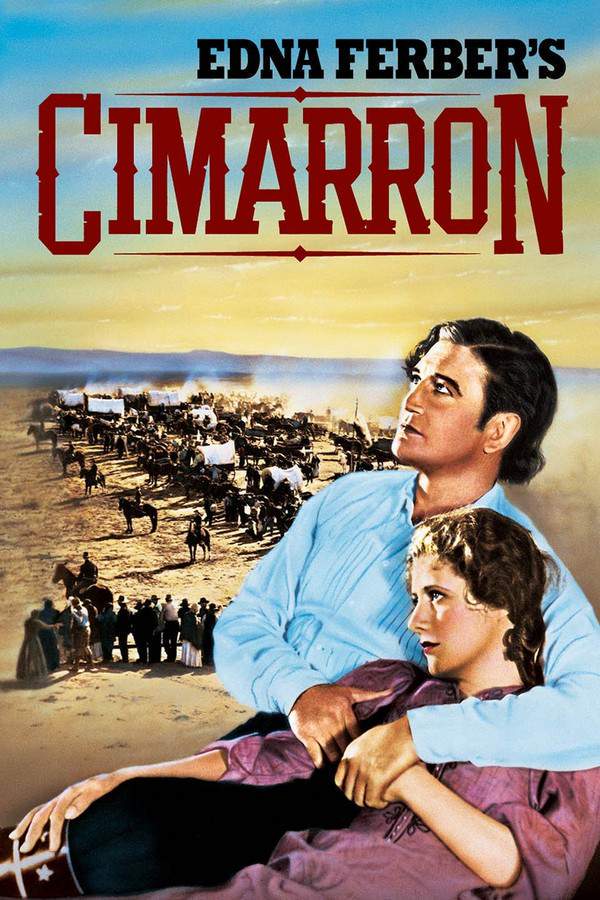
Cimarron (1931) movie poster

Characters & Themes

Cimarron (1931) Characters, Setting & Themes Explained

Release, runtime and language
1931 · 123 min · English
JustWatch #33,982 4
Directed by
Wesley Ruggles
Starring
George E. Stone, Irene Dunne, Edna May Oliver, Estelle Taylor, Nance O'Neil, Richard Dix

In 1889, lawyer Yancey Cravat and his wife Sabra leave behind their established city life to venture into the Oklahoma frontier. Yancey’s departure leaves Sabra in charge of the newspaper, forcing her to face the challenges of settling a new territory. Over four decades, she contends with the harsh realities of the land and the evolving dynamics of her marriage, as their relationship is tested by ambition, circumstance, and the constant struggle for survival in a rapidly changing landscape.

On this page (9)
  1. 1 Where to watch
  2. 2 Characters explained (4)
  3. 3 Where & when it takes place
  4. 4 Themes & meaning (3)
  5. 5 Character & meaning questions
  6. 6 The book behind the movie
  7. 7 Movie threads
  8. 8 Movies like Cimarron
  9. 9 Every angle

Where to watch

Where to Watch Cimarron (1931)

Where can you watch Cimarron? Stream, rent or buy it in the US, including on Artiflix, Plex and Amazon Video: current JustWatch availability with up-to-date prices.

Streaming availability powered by JustWatch

4 main characters · contains spoilers

Cimarron Characters Explained: Who Is Who

The main characters of Cimarron (1931), heroes and villains: what drives them, how they change over the course of the story and what each of them reveals about the film's bigger ideas.

  • Yancey Cravat (Richard Dix)

    A driven frontier entrepreneur and former newspaperman who founds the Oklahoma Wigwam to shape a rough camp into a hopeful town. He outsmarts rivals, faces violent threats, and wrestles with guilt after killing The Kid, leading him to seek new land and later return to Osage. His arc spans love, ambition, and personal sacrifice as he dies in Sabra’s arms.

    • 💡 Ambition
    • 🗡️ Frontier Justice
    • 💔 Guilt
  • Sabra Cravat (Irene Dunne)

    Yancey’s wife and a resourceful, strong-willed figure who helps guide the family through frontier upheavals. She later becomes a pivotal guardian of the Wigwam and raises the children while navigating evolving political and social landscapes, even as she contends with anti-Native sentiment in the community.

    • 🗞️ Power
    • 🧭 Resilience
    • 🏛️ Politics
  • Dixie Lee

    played by Estelle Taylor

    A young prostitute who disrupts the Bear Creek land grab by attracting attention and influencing the land rush outcome. She becomes entangled with the Cravats and is central to a notable legal case in which Sabra helps secure her acquittal, illustrating frontier vulnerabilities and the role of women in the town’s morality debates.

    • 💃 Morality
    • 💼 Influence
    • 🧭 Frontier Sex & Power
  • The Kid

    played by Stanley Fields

    An outlaw and old acquaintance of Yancey who leads a gang threatening Osage. Yancey’s confrontation with The Kid epitomizes frontier violence and justice, and his eventual encounter with the Kid marks a turning point in Yancey’s stay in the territory.

    • 🗡️ Outlaw
    • ⚔️ Rivalry
    • 🕯️ Redemption

Last updated: October 04, 2025 at 08:05

Was this helpful?

Setting

Where and When Does Cimarron Take Place?

The setting of Cimarron (1931): the year and time period, the places and locations, and how they shape the characters, the mood and the tension of the story.

Time period

1889–1907

The narrative spans the core frontier era from the 1889 land rush through Oklahoma’s statehood in 1907. It follows the rise of Osage as a settled community amid the turn-of-the-century boom in oil and industry. The tale also touches the era’s wider events, including the Spanish–American War and the early oil boom.

Location

Oklahoma Territory, Osage, Bear Creek

The story unfolds on the late 19th-century Oklahoma frontier, starting with the 1889 land rush into the Oklahoma Territory. It centers on the boomtown of Osage, where settlers chase land and opportunity amid lawlessness and ambition. The Bear Creek claim becomes a focal point in the race between claimants and fortunes.

  • 🗺️ Frontier
  • 🇺🇸 Oklahoma Territory
  • 💎 Oil Boom

Last updated: October 04, 2025 at 08:05

Was this helpful?

3 major themes

Cimarron Meaning: Themes & Message Explained

What is Cimarron (1931) really about? The emotional, social and philosophical themes the film keeps returning to, its symbolism and the message beneath the surface.

  • Media & Influence

    A central thread is how journalism shapes community power. Yancey builds the Oklahoma Wigwam to frame Osage as a respectable town, and Sabra later wields editorial influence in politics and law. Dixie Lee’s public case intersects with press power, illustrating how media can sway public opinion and outcomes.

  • Law & Justice

    Frontier justice collides with formal law as outlaws threaten Osage. Yancey’s confrontations with The Kid epitomize the rough pursuit of order on the frontier, while his later actions test the boundaries between vigilante and lawful action. The period’s legal proceedings and personal guilt drive character choices.

  • Frontier Change

    The story tracks the transformation from border camp to settled town as Oklahoma approaches statehood. Land rushes, newspaper politics, and the oil boom redefine wealth and power on the prairie. Native American presence and shifting alliances reveal the region’s complex social landscape.

Last updated: October 04, 2025 at 08:05

Was this helpful?

Character & theme questions

Cimarron Characters & Meaning: Your Questions Answered

The questions people ask about Cimarron (1931): who the characters really are, their relationships, what the symbols mean, where it takes place and what the movie is really about. Each answer contains spoilers.

Q1

Where is the movie set?

The story takes place on the Oklahoma frontier, primarily in the boomtown of Osage. It begins with the 1889 land rush into the Oklahoma Territory and centers on the Bear Creek area as settlers compete for land and opportunity.

  • oklahoma frontier
  • osage
  • boomtown
  • land rush
Q2

When does the story take place?

The movie spans from 1889 through Oklahoma's statehood in 1907, covering approximately four decades of frontier history. It begins with the dramatic land rush and follows the transformation of the territory into a settled community.

  • 1889
  • 1907
  • land rush
  • frontier era
  • statehood
Q3

What does the Media & Influence theme cover?

The movie explores how journalism shapes community power. Yancey Cravat builds the Oklahoma Wigwam newspaper to establish Osage as a respectable town, while his wife Sabra later uses editorial influence to affect politics and law, demonstrating the media's ability to sway public opinion.

  • journalism
  • newspaper
  • media power
  • community influence
Q4

What does the Law & Justice theme explore?

The film examines frontier justice as outlaws threaten Osage, with Yancey's confrontations with The Kid representing the rough pursuit of order. The theme explores the blurred lines between vigilante justice and lawful action, particularly through Yancey's guilt after killing The Kid.

  • frontier justice
  • law
  • outlaws
  • vigilante
  • yancey cravat
Q5

What does the Frontier Change theme represent?

This theme tracks the transformation from lawless border camp to settled town as Oklahoma approaches statehood. The narrative shows how land rushes, newspaper politics, and the oil boom redefine wealth and power, while also revealing complex social attitudes toward Native Americans.

  • frontier
  • settlement
  • oil boom
  • transformation
  • statehood
Q6

Who is Yancey Cravat?

Yancey Cravat is a driven frontier entrepreneur and former newspaperman who leaves city life to venture into the Oklahoma Territory. He founds the Oklahoma Wigwam to shape a rough camp into a hopeful town, grappling with ambition, guilt, and personal sacrifice throughout his journey.

  • yancey cravat
  • newspaperman
  • frontier entrepreneur
  • oklahoma wigwam
Q7

Who is Sabra Cravat?

Sabra Cravat is Yancey's wife, a resourceful and strong-willed woman who helps guide her family through frontier upheavals. She becomes the guardian of the newspaper, raises their children, and navigates evolving political landscapes while contending with anti-Native sentiment in the community.

  • sabra cravat
  • newspaper owner
  • political rise
  • family
Q8

Who is Dixie Lee in the story?

Dixie Lee is a young prostitute who disrupts the Bear Creek land grab by attracting attention and influencing the land rush outcome. She becomes entangled with the Cravats and is central to a legal case where Sabra helps secure her acquittal, illustrating frontier vulnerabilities and women's roles in the town's morality debates.

  • dixie lee
  • prostitute
  • land rush
  • legal case
  • bear creek
Q9

Who is The Kid in Cimarron?

The Kid is an outlaw and old acquaintance of Yancey who leads a gang threatening Osage. His confrontation with Yancey epitomizes frontier violence and justice, and their encounter marks a turning point in Yancey's stay in the territory, leaving Yancey with lasting guilt.

  • the kid
  • outlaw
  • gang
  • frontier violence
  • yancey cravat
Q10

What kind of world does the movie depict?

The movie depicts the late 19th-century Oklahoma frontier as a world of opportunity and lawlessness. It shows a boomtown atmosphere where settlers chase land and wealth amid violent competition, with the coming oil boom further transforming the social and economic landscape.

  • frontier world
  • boomtown
  • oil boom
  • opportunity
  • lawlessness
Q11

How does Osage change throughout the movie?

Osage transforms from a lawless frontier camp during the 1889 land rush into a settled community by the time of Oklahoma's statehood in 1907. The movie tracks this evolution through the rise of newspapers, the oil industry, and shifting social dynamics.

  • osage evolution
  • frontier to town
  • oil industry
  • settlement

Movie threads

More Movies Like Cimarron, by Mood & Story

Curated lists built around what makes Cimarron tick: the same mood, the same kind of story or the same emotional payoff. Each list explains why these movies belong together.

Bittersweet Pioneer Epics like Cimarron

Sweeping stories of building a life against the harsh frontier. If you liked Cimarron's sprawling narrative of frontier life, you'll appreciate these other movies like it. This section features films with similar epic scope, focusing on the hopeful yet heavy experience of pioneering, where personal ambition meets the harsh reality of building a new world.

  • epic
  • hopeful
  • melancholic
  • dramatic
  • resilient
  • nostalgic
  • Tone: hopeful, bittersweet
  • Pacing: steady, epic
Why these movies?

The story pattern: These narratives often follow a multi-generational or long-term arc, beginning with a hopeful venture into the unknown. The story is punctuated by significant hardships—personal loss, marital strain, and the brutal realities of the land—building towards a conclusion that acknowledges the achievements but lingers on the sacrifices made along the way.

Why they belong together: Movies in this thread are grouped by their shared focus on the pioneer experience, blending a steady, deliberate pace with a tone that balances hope against heavy emotional weight. They deliver a complex, bittersweet emotional payoff that feels earned after a long, difficult journey.

Movies about Marriages Tested by Time like Cimarron

Stories of long-term relationships strained by ambition and circumstance. For viewers who connected with the complex marital journey in Cimarron, this collection offers similar movies like it. These films feature relationships that are central to the plot and are profoundly tested over a long period, exploring themes of ambition, sacrifice, and evolving partnerships.

  • dramatic
  • reflective
  • melancholic
  • resilient
  • emotional
  • complex relationships
  • Tone: dramatic, reflective
  • Pacing: steady, character-driven
Why these movies?

The story pattern: The narrative pattern follows a couple through significant portions of their lives, using time jumps to highlight key moments of strain and connection. The conflict often arises from one partner's consuming ambitions or external events that pull them apart, forcing the other to find their own strength. The arc is less about romantic courtship and more about the endurance and evolution of a bond under duress.

Why they belong together: These films are grouped by their deep focus on a primary relationship as a vehicle for drama. They share a complex narrative structure, a steady pacing that allows for character depth, and a heavy emotional weight derived from watching a partnership be challenged and transformed.

If you liked this

Movies Like Cimarron

Similar movies to Cimarron: the same genre, themes or kind of story. Each one comes with its own plot summary, timeline and ending explained.

Browse all movie summaries

Every angle

Cimarron (1931) Explained: Plot, Timeline & Characters

Everything about Cimarron in one place: what happens in the plot summary, the timeline in chronological order, the characters and meaning and a spoiler-free summary. What's After the Movie adds the cast, box office and post-credit scenes.

Coming soon on iOS and Android

The Plot Explained Movie Summary App

Plot summaries, endings explained and timelines on your phone. Catch up on any movie in minutes, save your favorites and never miss a twist again.

Be the first to know when we launch. Your email stays private, always.

Learn more about the app