Plot Explained Spoilers guaranteed!
Plot Explained

Browse by genre

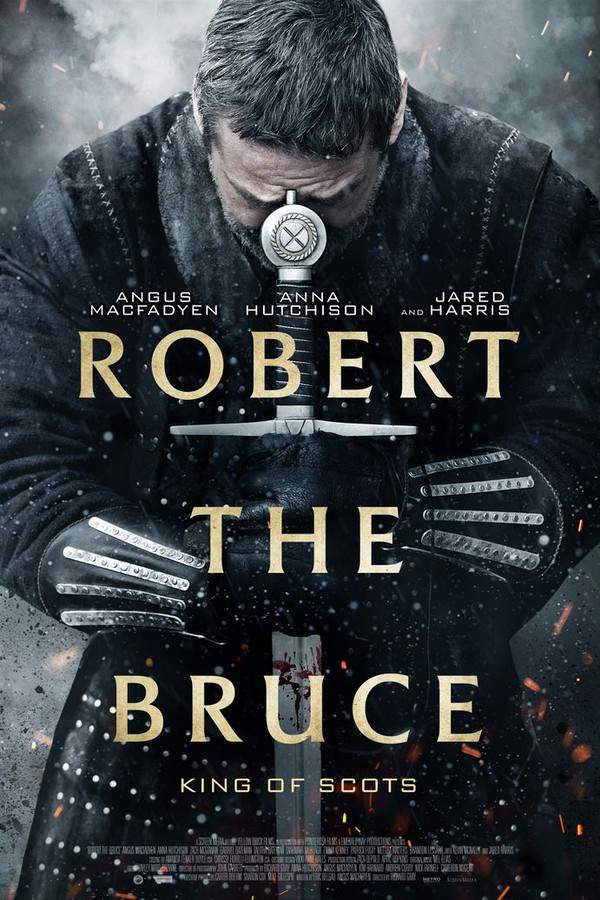
Robert the Bruce (2019) movie poster

Plot Summary

Robert the Bruce (2019) Plot Summary Explained

Release, runtime and language
2019 · 124 mins · English
Echo score 49
JustWatch #5,082 18
Directed by
Richard Gray
Starring
Gabriel Bateman, Jared Harris, Patrick Fugit, Diarmaid Murtagh, Anna Hutchison, Melora Walters

In 1306, Robert the Bruce, a Scottish king, becomes an outlaw as his country faces invasion. Determined to liberate his land, he must first rediscover his strength and resolve to withstand the relentless persecution of those seeking his death and English support. He fights for freedom, defying a powerful empire and enduring hardship in his quest for Scottish independence.

On this page (6)
  1. 1 Where to watch
  2. 2 What happens: full plot
  3. 3 Plot questions answered
  4. 4 Movie threads
  5. 5 Movies like Robert the Bruce
  6. 6 Every angle

Where to watch

Where to Watch Robert the Bruce (2019)

Where can you watch Robert the Bruce? Stream, rent or buy it in the US, including on Amazon Prime Video, fuboTV and Fawesome: current JustWatch availability with up-to-date prices.

Streaming availability powered by JustWatch

Full plot summary · contains spoilers

What Happens in Robert the Bruce: Full Plot Summary

The whole story of Robert the Bruce (2019) explained, from the opening scene to the final frame: every key event, every twist and what it all adds up to. Read it as a quick recap before the sequel, to check a scene you missed, or to finally understand what really happened.

In 1306, not long after the execution of William Wallace, a fragile peace is stitched together in a chapel through a tense truce between Robert the Bruce Angus Macfadyen and John Comyn Jared Harris. Comyn offers to renounce his claim to the Scottish throne and back Robert in exchange for land and money. Robert confronts him, aware of Comyn’s plan to betray him to the English at the meeting site, and the two men fight a brutal duel that ends with Comyn slain. Outside, chaos erupts as the guards clash, led by Robert's loyal vassal, James Douglas [Diarmaid Murtagh], in a scene that foreshadows the costs of leadership and revolution.

By winter 1313, Robert has only a small band of followers left and camps in the woods. Douglas shares with Hamish, a young boy, the stubborn belief that Robert will never surrender and will one day lead Scotland to victory. But Robert himself voices a harsher truth: the war, in his view, is over for now, and he urges his companions to return home. Three disillusioned soldiers seize the moment, contemplating a raid to capture Robert and claim the bounty, while one argues that killing him would be a mortal sin. The party parts ways, and Robert departs with Hamish and Douglas, stepping away from the possibility of a dramatic triumph and toward a more personal resolve to protect those loyal to him.

In a remote mountain cottage, Morag Macfie [Anna Hutchison] tells her son Scot [Gabriel Bateman], his niece Iver [Talitha Eliana Bateman] and nephew Carney [Brandon Lessard] the story of Robert’s killing of Comyn. Scot, who bears the sting of his father’s death in service to Robert, harbors a wary resentment toward the man they’ve learned to call king. He spots Robert moving through the woods one day but keeps his distance. Later, Morag and Scot visit the grave of Scot’s father, and Scot reports the sighting to his mother, who remains cautious but curious about the intruder they shelter.

Three pursuing soldiers catch up to Robert and launch an attack, wounding him fatally but not stopping his will to endure. He kills two of them but is gravely injured by Will [Patrick Fugit], who seeks the reward. Robert escapes to a cave, where he finds a moment of reflection and the resolve to endure, while Brandubh, the sheriff [Zach McGowan], leads the search for him, feigning friendship to get closer. Brandubh’s men are ordered to recover Robert’s sword for repairs, a detail that threads through the hands of Carney’s master, Sean, a blacksmith, who briefly encounters his daughter Briana [Emma Kenney] as she tends to her world of work and care.

Scot, Iver, and Carney eventually stumble upon the wounded Robert while out hunting and bring him back to Morag’s home, defying their clan’s English-aligned loyalties. In the winter’s quiet and the shelter of Morag’s family, Robert rebuilds his strength, apologizes to Scot for his father’s death, and begins teaching Carney swordsmanship, slowly integrating himself into their lives. He grows close to Morag and commits himself to making the sacrifices made by families like theirs matter in the long fight for Scotland’s freedom. Yet danger remains; a loyalist who witnessed Robert’s presence at Morag’s house reports back to Brandubh, who mobilizes an assault on the family.

The confrontation escalates when Brandubh arrives with his forces. Morag’s family braces for battle as Iver and Scot take position in the trees with bows, Carney hides a sword, and Briana hides in the barn. The assault unfolds with brutal ferocity, but Robert, Briana’s bravery, and the protection of Morag’s home turn the tide. Morag herself fights to save Robert’s life, killing Brandubh and securing a crucial victory. Briana dies in the conflict, and the family buries her as Robert continues to press forward with a renewed sense of purpose. They eventually reach the fortress of Angus MacDonald, where they find a welcome that hints at a future where Robert’s long effort might bear fruit.

Years pass, and Morag visits Scot’s grave, a reminder that Scot died fighting for Robert at Bannockburn in 1314, a turning point that quietly reshaped Scotland’s fate. The tale closes on the notion that the sacrifices of quiet families, the stubborn courage of a few, and the resilience of a nation can, in time, yield a broader freedom.

Last updated: February 25, 2026 at 08:15

Was this helpful?

Plot questions answered

Robert the Bruce Plot Explained: Your Questions Answered

The questions people ask most about Robert the Bruce (2019): what happens in the confusing scenes, why the characters do what they do, the twists, hidden details and what the ending means. Each answer contains spoilers.

Q1

Why did Robert the Bruce kill John Comyn in the chapel?

Robert killed John Comyn because he discovered Comyn was planning to betray him to the English. Comyn had agreed to renounce his claim to the Scottish throne and support Robert in exchange for land and money, but Robert realized this was a trap and that Comyn intended to hand him over to the English at their meeting. The two fought a brutal duel, ending with Comyn's death.

Foreshadowing: The chapel truce was always fragile, with both men distrusting each other's motives from the start.

  • john comyn
  • chapel truce
  • betrayal
  • duel
  • robert the bruce
Q2

Why did Robert tell his followers the war was over in 1313?

By winter 1313, Robert's forces had been reduced to a small band of followers facing relentless English persecution. He told them the war was over for now not because he had given up on Scottish independence, but because he wanted his loyal men to return home and survive rather than continue dying in a hopeless guerrilla struggle. He chose to protect those loyal to him rather than lead them to futile death.

Foreshadowing: Douglas had told Hamish that Robert would never surrender and would one day lead Scotland to victory, foreshadowing his eventual return to leadership.

  • outlaws
  • war
  • scottish independence
  • followers
  • retreat
Q3

Why did Scot resent Robert the Bruce?

Scot harbored resentment toward Robert because his father had died in service to Robert. When Morag told the story of Robert killing Comyn, Scot's anger toward the man his clan now called king intensified. He viewed Robert as responsible for his father's death, creating a barrier of distrust that had to be overcome before Scot could eventually fight alongside him.

Foreshadowing: Scot's sighting of Robert in the woods and his decision not to immediately reveal it showed his conflicted feelings, curiosity outweighing his initial hostility.

  • scot
  • morag
  • grief
  • father death
  • resentment
Q4

How did Robert the Bruce end up at Morag's cottage?

After being pursued by three soldiers, Robert was wounded in a fight, two soldiers killed and one, Will, inflicting a grave wound on him. He escaped to a cave to recover his resolve. Meanwhile, Scot, Iver, and Carney were hunting in the woods when they discovered the wounded Robert and brought him back to their family home at Morag's cottage, defying their clan's English-aligned loyalties.

Foreshadowing: The earlier scene of Scot spotting Robert in the woods planted the connection that would lead to his rescue.

  • wound
  • pursuit
  • cave
  • rescue
  • morag cottage
Q5

How did Morag manage to kill Brandubh the sheriff?

During Brandubh's assault on Morag's home, the family mounted a coordinated defense. Morag fought directly to protect Robert and killed Brandubh in the confrontation. The assault was brutal, with Iver and Scot firing from the trees with bows, Carney hidden with a sword, and Briana defending the barn. Robert, Briana's bravery, and the family's defenses ultimately turned the tide against Brandubh's forces.

Foreshadowing: Brandubh's earlier strategy of feigning friendship to get close to Robert had established him as a cunning but ultimately overconfident antagonist.

  • brandubh
  • morag
  • assault
  • sheriff
  • defense
Q6

What happened to Briana in the final battle?

Briana, the blacksmith's daughter who had appeared briefly in earlier scenes, died during Brandubh's assault on Morag's home. She fought bravely in the conflict alongside Robert and the family, but was killed in the fighting. The family buried her before continuing their journey, and her death added to the film's theme of sacrifice in the fight for freedom.
Foreshadowing: Her earlier appearance at the blacksmith's workshop, tending to her work, had humanized her before her tragic death.

  • briana
  • death
  • sacrifice
  • battle
  • burial
Q7

Why did Morag's family shelter Robert despite English loyalty?

Despite their clan's English-aligned loyalties, Morag's family decided to shelter the wounded Robert after Scot, Iver, and Carney found him. They acted partly from compassion and partly from growing curiosity about the man they had heard stories about. Robert's genuine remorse for Scot's father's death, his teaching of swordsmanship to Carney, and his growing connection with Morag gradually earned their loyalty.

Foreshadowing: Morag's cautious but curious reaction when Scot reported the intruder in their woods hinted at her eventual decision to help.

  • morag
  • shelter
  • loyalty
  • compassion
  • english
Q8

What was the significance of Robert's sword being taken for repairs?

Brandubh ordered his men to recover Robert's sword for repairs, threading the weapon through the hands of Carney's master Sean, the village blacksmith. This detail connected the broader political conflict to the intimate family story, as it was through Sean's workshop that Briana briefly appeared. The sword's journey symbolized how the war touched even the smallest lives and trades.

Foreshadowing: This scene established the blacksmith's family connection that would later become significant when Briana joined the defense.

  • sword
  • repair
  • blacksmith
  • brandubh
  • sean
Q9

What happened to Scot after Robert left the cottage?

Scot eventually overcame his resentment and fought alongside Robert the Bruce. Years later, Scot died fighting for Robert at the Battle of Bannockburn in 1314, a turning point that reshaped Scotland's fate. When Morag visited his grave, it underscored the personal cost of the broader struggle for independence, showing how the fight for freedom demanded sacrifice from ordinary families.

Foreshadowing: Robert's time at the cottage, where he apologized for Scot's father's death and earned his trust, directly led to Scot's decision to join his cause.

  • scot
  • bannockburn
  • 1314
  • death
  • battle
Q10

What was the significance of the Battle of Bannockburn?

The Battle of Bannockburn in 1314 was the decisive turning point in the Scottish Wars of Independence. Robert the Bruce's victory over the English army secured Scotland's de facto independence and established Robert as a legendary king. The film shows this triumph as bittersweet, achieved only through the sacrifices of those like Scot who died fighting, emphasizing that freedom came at profound personal cost.

Foreshadowing: Robert's years of hardship, recovery, and building of alliances at Angus MacDonald's fortress all led to this moment.

  • bannockburn
  • 1314
  • scottish independence
  • victory
  • english
Q11

Why did Robert apologize to Scot for his father's death?

While recovering at Morag's cottage, Robert personally apologized to Scot for his father's death in service to Robert's cause. This moment was crucial because it showed Robert's genuine remorse and humanity, he was not just a king or military leader but a man aware of the human cost of his ambition. This apology helped heal Scot's resentment and ultimately turned him into a loyal supporter who would die for Robert at Bannockburn.

Foreshadowing: Robert's apology was the turning point in his relationship with Scot, transforming their dynamic from hostility to loyalty.

  • apology
  • remorse
  • father
  • scot
  • forgiveness
Q12

How did Robert recover his strength and resolve at Morag's cottage?

Robert recovered both physically and emotionally during his time at Morag's cottage. The winter months in the family's shelter allowed his wounds to heal, but more importantly, his connection with Morag's family helped him rediscover his purpose. By teaching Carney swordsmanship, earning Scot's trust through apology, and committing to make their sacrifices matter, Robert transitioned from a defeated outlaw to a leader ready to resume the fight for Scotland's freedom.

Foreshadowing: His earlier moment of reflection in the cave, where he resolved to endure, planted the seeds for his recovery.

  • recovery
  • strength
  • resolve
  • morag
  • healing

Movie threads

More Movies Like Robert the Bruce, by Mood & Story

Curated lists built around what makes Robert the Bruce tick: the same mood, the same kind of story or the same emotional payoff. Each list explains why these movies belong together.

Bittersweet Historical Victories like Robert the Bruce

Stories where liberation triumphs, but is shadowed by profound sacrifice. Find movies like Robert the Bruce where the fight for freedom culminates in a bittersweet triumph. These historical dramas feature high stakes, heavy emotional weight, and a hopeful yet somber tone, perfect for viewers who appreciate victories tempered by sacrifice.

  • historical
  • grim
  • hopeful
  • resilient
  • somber
  • tense
  • Tone: hopeful, somber, bittersweet
  • Pacing: steady, deliberate
Why these movies?

The story pattern: These narratives follow leaders or revolutionaries through a hero's journey, often beginning at their lowest point. The central conflict is against an overwhelming empire or oppressive force, with the climax achieving a significant victory. However, the resolution is shaded by the personal costs endured, such as the deaths of allies or the burden of leadership, creating a complex, bittersweet emotional conclusion.

Why they belong together: Movies are grouped here because they share a specific emotional blend: the hopeful tone of a righteous struggle combined with the somber gravity of its cost. They feature steady pacing that allows for character reflection, high intensity from life-or-death stakes, and a final feeling that is both triumphant and mournful.

Leadership Redemption arcs like Robert the Bruce

A broken leader finds strength in exile to reclaim their destiny. Explore movies similar to Robert the Bruce featuring a leader's redemption journey. If you liked seeing a wounded king recover his resolve with the help of unexpected allies, these films about resilience, survival, and returning from exile will resonate.

  • redemption
  • resilient
  • survival
  • exile
  • determined
  • leadership
  • Tone: grim, determined, reflective, hopeful
  • Pacing: steady, character-driven
Why these movies?

The story pattern: The plot begins with a protagonist at their lowest ebb, often due to betrayal or defeat, forced into hiding or exile. The core of the story is their internal struggle with doubt and grief, followed by a physical and spiritual recovery facilitated by a 'found family' or a few loyal followers. The narrative builds steadily towards a climactic return, where the redeemed leader confronts their past failures to secure a new future.

Why they belong together: These films are united by the specific character arc of redemption and the thematic focus on perseverance. They share a grim yet determined mood, a steady pacing that allows for deep character reflection, and a mix of survivalist tension and hopeful resolve. The experience is defined by watching a broken figure slowly reclaim their purpose.

If you liked this

Movies Like Robert the Bruce

Similar movies to Robert the Bruce: the same genre, themes or kind of story. Each one comes with its own plot summary, timeline and ending explained.

Browse all movie summaries

Every angle

Robert the Bruce (2019) Explained: Plot, Timeline & Characters

Everything about Robert the Bruce in one place: what happens in the plot summary, the timeline in chronological order, the characters and meaning and a spoiler-free summary. What's After the Movie adds the cast, box office and post-credit scenes.

Coming soon on iOS and Android

The Plot Explained Movie Summary App

Plot summaries, endings explained and timelines on your phone. Catch up on any movie in minutes, save your favorites and never miss a twist again.

Be the first to know when we launch. Your email stays private, always.

Learn more about the app