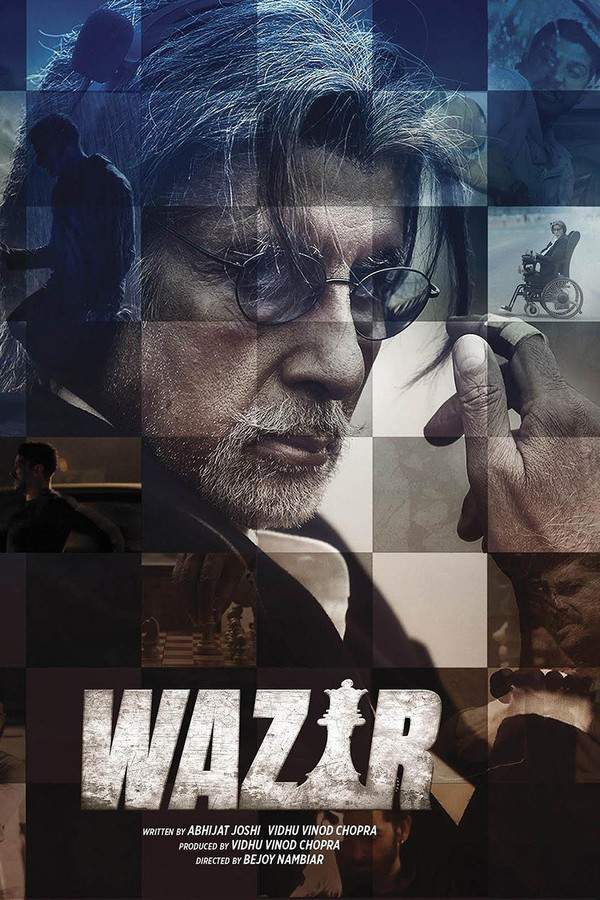
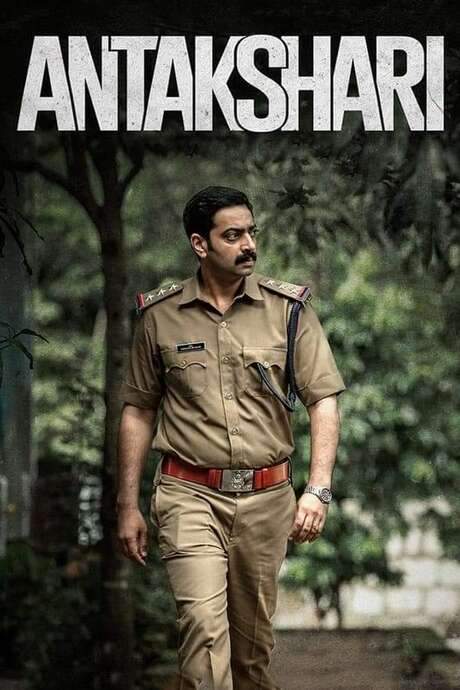
A Hyderabad bomb blast leaves forty people dead and launches a tense, high-stakes investigation that reaches into the courtroom. Five terrorists are arrested, found guilty, and sentenced to death, among them Aditya, Nithiin, who stubbornly maintains his innocence and presses an appeal while behind bars. The case unfolds with a careful interplay of legal maneuvering and personal history, and Aditya’s resilience becomes the quiet thread that ties the drama together.
In prison, a surprising alliance forms. Aditya befriends an elderly inmate, Srimannarayana (Narayan), a devoted chess enthusiast whose passion for the game opens a new door for him. Narayan, portrayed by Sai Chand, recognizes a natural talent in Aditya and begins teaching him the strategic depths of chess, forecasting that the man’s gifts could surpass the confines of his conviction. Their unlikely bond anchors the story as the clock ticks toward the verdict, and Narayan’s faith in Aditya’s potential grows into a crucial, guiding force.
The courtroom drama centers on Manasa, a determined lawyer who takes up the case. Manasa, Rakul Preet Singh brings a calm, analytical presence to the proceedings, listening to Aditya’s story and weighing the evidence with care. Aditya recounts a difficult backstory: an orphan raised by a traveling circus that specialized in magic tricks, he drifted into petty white-collar scams as an adult, and he fell in love with Yatra. After a vacation together, Yatra vanishes, and Aditya is arrested when emails linked to the Hyderabad blast surface on his laptop. He insists he is innocent and maintains that his alibi—an accomplice who could corroborate his whereabouts—was not properly pursued, punctuating the mystery with a sense of unfinished truth.
As the court pushes forward, Manasa confronts a painful reality: the truth Aditya has learned is more perilous than the charges themselves. He has discovered that Yatra is intimately connected to the terrorism plot and may have orchestrated events to ensure he wouldn’t testify. With this in mind, Manasa pushes for a fair hearing, but the system’s momentum collides with the fearsome pressures of the case. In a bold move, Narayan reaches out to Varna, Aditya’s former crime partner, to impersonate Yatra in court to test the case’s strengths and weaknesses. Varna agrees, hoping to expose gaps in the prosecution’s narrative, but Manasa uncovers the deception and withdraws the appeal, sealing the death sentence’s finality. The prospect of a presidential pardon becomes Aditya’s solitary beacon.
Determined to prove his innocence, Aditya decides to demonstrate an extraordinary talent—his chess prowess. With Narayan’s help, he earns permission to enter a major chess championship, a decision that becomes a turning point in the larger political and social landscape surrounding his case. He wins the tournament, and the spectacle of a convicted terrorist triumphing in a professional arena captures national attention. He publicly proclaims his innocence and dedicates his prize money to build a sports stadium inside the prison precinct, a bold gesture that shifts public sentiment and fuels a growing demand for clemency.
Yet a new tragedy shifts the mood again. A fresh terrorist attack rekindles fear, and the president rejects Aditya’s clemency request, testing the limits of belief and justice. Manasa delivers a crushing update: Yatra’s real name is Isabel, and she has been killed in a police encounter, further fracturing Aditya’s already frayed hopes. In the face of another blow, he endures the weight of the verdict while clinging to one last dream.
On the day of his execution, Aditya asks for a final, almost magical wish: to participate in the World Chess Championship held in the very stadium that his donation helped build. In a dramatic turn, he asks to use the restroom and vanishes. The authorities race to find him, but the search yields nothing—until the truth finally unfolds. The stadium’s hidden escape tunnel, built by Aditya’s childhood friend Swami, reveals itself. Inside the bathroom, Aditya employs the magic tricks from his circus past to conjure a smoky diversion and slip away through the tunnel, leaving the crowd stunned and the audience craving closure.
This tale, built on a foundation of personal history, clever strategy, and the fragile line between guilt and innocence, closes with the revelation of an audacious escape and a testament to resilience under pressure. The film uses chess as a metaphor for life’s gambits: every move matters, every doubt lingers, and the ultimate checkmate comes not from the board, but from a patient, unyielding search for truth.