




Plot Explained Spoilers guaranteed!
Plot Explained

Browse by genre

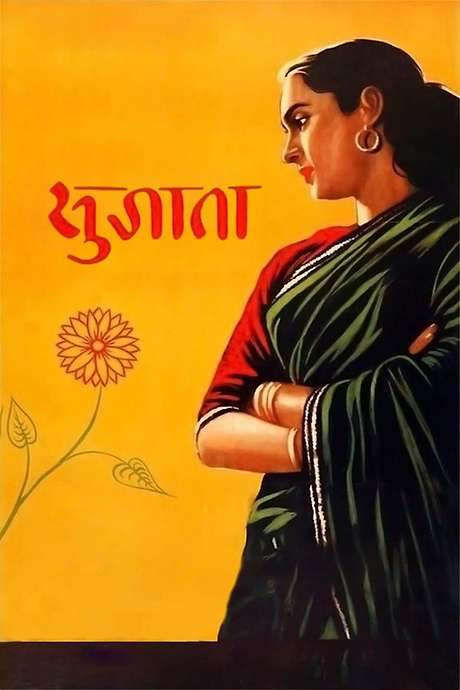
Charulata (1964) movie poster

Timeline

Charulata (1964) Timeline Explained – Every Event in Order

Release, runtime and language
1964 · 117 mins · Bengali, Bangla
JustWatch #25,788 3
Directed by
Satyajit Ray
Starring
Soumitra Chatterjee, Madhabi Mukherjee, Kamu Mukherjee, Bankim Ghosh, Shyamal Ghoshal, Shailen Mukherjee

Set in 1870s India, Charulata is an isolated, artistically inclined woman who rarely sees her busy journalist husband, Bhupati. Concerned for her unhappiness, Bhupati invites his cousin Amal—a budding poet—to spend time with Charulata and encourage her creativity. Amal and Charulata quickly connect through their shared love of art, deepening her emotional world.

On this page (7)
  1. 1 Where to watch
  2. 2 Events in order (15)
  3. 3 Timeline questions answered
  4. 4 The book behind the movie
  5. 5 Movie threads
  6. 6 Movies like Charulata
  7. 7 Every angle

Where to watch

Where to Watch Charulata (1964)

Where can you watch Charulata? Stream, rent or buy it in the US, including on Amazon Video, Apple TV Store and Fandango At Home: current JustWatch availability with up-to-date prices.

Streaming availability powered by JustWatch

15 events in order · contains spoilers

Charulata Timeline: Events in Chronological Order

Every key event of Charulata (1964) in order, scene by scene, with when and where it takes place. Use it to untangle flashbacks, time jumps and parallel storylines, to refresh your memory before the sequel or to find the exact scene you are thinking of.

  1. Charulata's isolation in Calcutta

    In 1879 Calcutta, Charulata feels increasingly isolated inside Bhupati's well-serviced home as he pursues politics and the freedom movement. The Bengali Renaissance backdrop highlights the tension between public life and private longing. She longs for intellectual companionship beyond embroidery and window-watching.

    When
    1879
    Where
    Calcutta
  2. Bhupati invites Umapada and Manda into the household

    Bhupati announces that his brother-in-law Umapada will join to manage the newspaper's finances, and he invites Umapada's wife Manda to live with them to keep Charu company. The arrangement promises courtesy and society but foreshadows friction and mismatched interests. Charu remains detached from the domestic routine.

    When
    1879
    Where
    Bhupati's residence, Calcutta
  3. Umapada and Manda settle in

    Umapada and Manda settle into the house, altering its rhythms and dynamics. Charu's sense of isolation deepens as she is surrounded by visitors who offer little intellectual stimulation. The stage is set for new conflicts between tradition and Charu's sensibilities.

    When
    1879
    Where
    Calcutta
  4. Amal arrives and is enlisted to help

    Amal, Bhupati's younger cousin, arrives from college and initially wants to rest, but Bhupati assigns him to proofread the newspaper and to nurture Charu's literary talents. He becomes the catalyst for Charu's evolving self-expression and the story's emotional center. The tension between duty and desire begins to simmer.

    When
    1879
    Where
    Bhupati's residence, Calcutta
  5. Charu and Amal bond over literature

    Charu and Amal form a rapport through debates about literature and poetry, discovering intellectual kinship beyond the household's constraints. Charu crafts a beautiful notebook for Amal, insisting that whatever he writes is meant for their eyes only. Their teasing but tender friendship hints at a deeper connection.

    When
    1879
    Where
    Calcutta
  6. Amal's marriage offer surfaces

    A wealthy Bardhaman family offers Amal a match, and Bhupati encourages him to seize the opportunity for status and study abroad. Amal wavers, tempted by the prospect of Europe, but ultimately asks for time to decide. The possibility of departure creates inner turmoil for him.

    When
    1879
    Where
    Calcutta
  7. Amal's and Charu's literary breakthroughs

    Amal's essay is accepted for publication, and Charu quietly writes her own piece, which is published in an even more selective periodical. Amal is impressed by Charu's talent and urges her to continue writing. Charu, however, privately laments and fears losing her voice.

    When
    1879
    Where
    Calcutta
  8. Charu reveals her story and gifts

    Charu shows Amal the magazine containing her story and, while he reads, tells Manda that she will take over Amal's paan-making and gifts him a pair of slippers she made. Amal admires her writing and encourages her to persevere.

    When
    1879
    Where
    Charu's home
  9. Amal's departure

    Guilty about his growing feelings for Charu, Amal packs his belongings and leaves, leaving behind the slippers and a note inviting Charu to keep writing. The departure marks a pivotal turning point for Charu and Bhupati.

    When
    1879
    Where
    Calcutta
  10. The party, theft, and dismissal

    During a party celebrating Liberal victory, Umapada slips away and steals money from Bhupati's safe, fleeing with Manda by claiming she needs care for her sick father. The theft exposes the fragility of trust within the household and the newspaper's finances. Bhupati's anger grows as the situation spirals.

    When
    Evening
    Where
    Bhupati's residence, Calcutta
  11. Charu's story published becomes publicly known

    Nishikanta announces Charu's story at the party, embarrassing Bhupati who had not disclosed Charu's accomplishment. The moment upends the household's façade, revealing tensions between private achievement and public recognition. Charu's talent becomes a public talking point.

    When
    During party
    Where
    Bhupati's party, Calcutta
  12. Financial crisis and Bhupati's decision

    The supplier reveals that Umapada forged payments, and Bhupati confronts Amal with the truth. Realizing he can no longer trust mankind, Bhupati decides to shut down the newspaper. The creative impulse in Charu and Amal's bond has been tested by betrayal.

    When
    After party
    Where
    Bhupati's office/home, Calcutta
  13. Seashore trip and plan for expansion

    Charu and Bhupati take a trip to the seashore, where she suggests broadening the paper to cover culture while Nishikanta handles politics. They return energized by a shared vision for reforming the newspaper. Their moment hints at reconciliation, even as underlying tensions remain.

    When
    After party
    Where
    Seashore near Calcutta
  14. Amal's acceptance from Madras and renewed tension

    A letter arrives from Amal, saying he will accept the marriage proposal, leaving Charu and Bhupati to confront what this means for their futures. Bhupati rushes to discuss with Nishikanta, while Charu's feelings for Amal hang in the air. The storm of change feels imminent.

    When
    Shortly after seashore trip
    Where
    Calcutta
  15. The unresolved reconciliation

    Charu and Bhupati tentatively reach out to each other, but the moment freezes as the image on the screen cuts away, leaving their reconciliation unresolved. The film ends on this note of ambiguity, underscoring the fragility of love within a changing society. The path forward remains uncertain.

    When
    Final scene
    Where
    Calcutta

Last updated: October 09, 2025 at 14:09

Was this helpful?

Timeline questions answered

Charulata Timeline Explained: Your Questions Answered

When does it happen, and why in that order? The questions people ask about the chronology of Charulata (1964): time jumps, flashbacks, cause and effect between scenes and the correct order of events, each answered with spoilers.

Q1

Why does Bhupati neglect Charulata despite loving her?

Bhupati is consumed by his political work running a newspaper dedicated to the freedom movement. While he genuinely loves Charulata, his attention is entirely absorbed by public duty and politics, leaving her isolated in their comfortable home. The tension between his public responsibilities and private relationships creates the emotional void that defines Charulata's existence.

Foreshadowing: Early scenes show Charulata watching from windows, embroidery in hand, while Bhupati works late, establishing her loneliness before Amal arrives.

  • bhupati
  • charulata
  • neglect
  • politics
  • newspaper
  • isolation
Q2

Why does Charulata form such a deep connection with Amal?

Charulata and Amal share a profound intellectual kinship through their love of literature and poetry. Amal is the first person in her life who engages with her artistic sensibilities and treats her creativity as valuable. This intellectual companionship fills the emotional void left by Bhupati's neglect, making their bond natural and significant.

Foreshadowing: When Amal arrives, Bhupati explicitly asks him to nurture Charulata's literary talents, setting the stage for their connection.

  • amal
  • charulata
  • literature
  • poetry
  • intellectual bond
  • companionship
Q3

Why does Amal decide to leave the household?

Amal leaves because he feels guilty about his growing romantic feelings for Charulata. He recognizes that his emotional connection to her has become inappropriate given her marriage to his cousin. Rather than act on these feelings, he chooses to depart, leaving behind the slippers Charulata made for him and a note encouraging her to keep writing.

Foreshadowing: His internal struggle is visible when he tells Charulata he will not write again, and his guilt deepens as their bond strengthens.

  • amal
  • departure
  • guilt
  • feelings
  • charulata
  • leaving
Q4

Why does Umapada steal money from Bhupati?

Umapada is opportunistically dishonest and takes advantage of his position in the household. During the chaos of the party celebrating the Liberal victory, he steals money from Bhupati's safe and flees with his wife Manda under the pretext of her father being ill. His theft is motivated by personal greed rather than any specific grievance.

Foreshadowing: Umapada and Manda's arrival already foreshadows discord, Manda offers no intellectual stimulation, and the arrangement feels transactional.

  • umapada
  • manda
  • theft
  • money
  • steal
  • party
Q5

Why does Charulata decide to stop writing after her story is published?

Charulata stops writing because she fears losing her voice and feels overwhelmed by the emotional complexity of her situation. While her story's publication represents a triumph of her artistic expression, it coincides with Amal's departure and the chaos in the household. Her decision not to write again reflects her emotional turmoil and perhaps a sense that expressing herself has brought only pain.

Foreshadowing: When Charulata shows Amal the magazine, her reaction shifts from pride to sorrow, foreshadowing her decision to stop writing.

  • charulata
  • writing
  • story
  • publication
  • stop writing
  • artistic voice
Q6

Why does Bhupati consider shutting down the newspaper after the theft?

Bhupati decides to shut down the newspaper because Umapada's betrayal has destroyed his faith in humanity. The theft by someone close to him, combined with the embarrassment of Charulata's unpublished story becoming public, leads him to question the value of his life's work. He sees the newspaper as pointless if he cannot trust those around him.

Foreshadowing: The supplier's revelation that Umapada forged payments directly triggers Bhupati's loss of faith and decision to end the paper.

  • bhupati
  • newspaper
  • shut down
  • umapada
  • theft
  • faith
Q7

Why does Amal ultimately accept the Bardhaman marriage proposal?

Amal accepts the marriage proposal because he cannot act on his feelings for Charulata and sees no future for himself in Calcutta. The Bardhaman family offers financial stability and a trip to England to study law, opportunities that represent escape and a fresh start. His acceptance is also a form of surrender to societal expectations and practical considerations over romantic desire.

Foreshadowing: Amal initially wavers when the proposal arrives, showing his internal conflict between opportunity and his feelings for Charulata.

  • amal
  • marriage proposal
  • bardhaman
  • acceptance
  • england
  • law studies
Q8

What does the film's ambiguous ending signify?

The ending shows Charulata and Bhupati attempting a fragile reconciliation, Charulata invites Bhupati inside after he hesitates at the doorway, but the scene freezes on a photograph-like still, leaving their future uncertain. It suggests they may rebuild their relationship, but the emotional damage from neglect, betrayal, and lost love remains unresolved. The ambiguity reflects the complexity of love within changing society.

Foreshadowing: The entire film builds toward this moment of potential reconnection, with each character's choices leading to this point of uncertain renewal.

  • ending
  • reconciliation
  • ambiguous
  • freeze frame
  • bhupati
  • charulata
  • future
Q9

Why does Nishikanta announcing Charulata's story cause such tension?

Nishikanta's public announcement of Charulata's published story embarrasses Bhupati because she had not discussed the publication with him. This exposes the private sphere of their marriage to public scrutiny and makes Bhupati feel undermined. The moment also reveals the tension between Charulata's emerging voice as a writer and her subordinate position in the household.

Foreshadowing: Charulata quietly arranged her story's publication without telling Bhupati, keeping it hidden from her husband.

  • nishikanta
  • announcement
  • story
  • publication
  • embarrassment
  • bhupati
  • public
Q10

What causes the financial crisis in Bhupati's household?

The financial crisis is caused by Umapada's theft of money from Bhupati's safe during the party, compounded by his forgery of newspaper payments. The combination of the theft and the subsequent revelation that he had been embezzling funds pushes the household into financial difficulty and contributes to Bhupati's decision to shut down the newspaper.

Foreshadowing: The party atmosphere provides cover for Umapada's escape, and earlier hints of his character suggest his dishonesty.

  • financial crisis
  • umapada
  • theft
  • forgery
  • newspaper
  • bhupati
Q11

Why does Charulata gift Amal the slippers she made?

Charulata gifts Amal the slippers as a tangible expression of her affection and care for him. While she tells Manda she will take over Amal's paan-making, the slippers represent something more personal, an intimate gesture that shows she values him beyond intellectual companionship. The gift carries romantic undertones, signaling her emotional investment in their connection.

Foreshadowing: Earlier, Charulata crafts Amal a beautiful notebook for his writing, establishing her pattern of expressing affection through handmade gifts.

  • charulata
  • amal
  • slippers
  • gift
  • handmade
  • affection
Q12

Why does Bhupati invite Amal to stay with them?

Bhupati invites Amal to stay ostensibly to keep Charulata company and encourage her literary talents, but his practical motivations include having someone to proofread the newspaper. Bhupati sees value in pairing his wife's artistic inclinations with Amal's intellectual pursuits, believing this will benefit both Charulata and his publication.

Foreshadowing: Bhupati explicitly states he wants Amal to help with the newspaper and nurture Charulata's creative abilities.

  • bhupati
  • amal
  • invite
  • household
  • proofread
  • charulata
Q13

Why does Charulata feel so isolated despite living in comfort?

Charulata feels isolated because her intellectual and artistic needs are unmet in her daily life. While she lives in material comfort with servants and a refined home, she has no one who shares her passion for literature and art. Bhupati is consumed by politics, and the household visitors, Umapada and Manda, offer no intellectual stimulation, leaving her emotionally and mentally starved.

Foreshadowing: Early scenes show Charulata at windows, watching the world outside, with only embroidery to occupy her creative mind.

  • charulata
  • isolation
  • comfort
  • intellectual
  • artistic
  • boredom
  • household

Movie threads

More Movies Like Charulata, by Mood & Story

Curated lists built around what makes Charulata tick: the same mood, the same kind of story or the same emotional payoff. Each list explains why these movies belong together.

Movies about quiet yearning and unspoken desires like Charulata

Stories of powerful emotions simmering beneath a surface of restraint. If you enjoyed the subtle emotional currents and restrained passion of Charulata, this list features similar movies. Discover other films centered on unspoken love, quiet longing, and the powerful drama of emotions held just beneath the surface, often set against restrictive social backdrops.

  • yearning
  • restrained
  • melancholic
  • introspective
  • quiet
  • delicate
  • Tone: melancholic, yearning, restrained
  • Pacing: slow, deliberate
Why these movies?

The story pattern: Narratives in this thread often revolve around characters navigating a deep emotional or intellectual connection that is inhibited by external constraints or internal duty. The central conflict is not overt action but the internal struggle between desire and propriety, leading to moments of profound, often bittersweet, realization.

Why they belong together: These films are grouped together because they share a core focus on restrained emotional expression, a melancholic tone, and a pacing that allows the viewer to sit with the characters' quiet internal conflicts. They prioritize nuance and subtlety over dramatic confrontation.
Movies about intellectual and emotional awakenings like Charulata

Journeys of self-discovery sparked by art, ideas, or a new connection. For viewers who appreciated Charulata's story of a woman's artistic and emotional awakening, this collection highlights similar films. Find stories about characters discovering new parts of themselves through intellectual stimulation or profound personal connections, often with bittersweet consequences.

  • introspective
  • awakening
  • transformative
  • thoughtful
  • poignant
  • artistic
  • Tone: thoughtful, bittersweet, poignant
  • Pacing: slow to steady, character-driven
Why these movies?

The story pattern: The narrative pattern follows a protagonist, frequently feeling confined or unfulfilled, whose perspective is radically widened by an external catalyst. This awakening brings immense personal growth but also new conflicts, as the character's expanded consciousness clashes with their former life, leading to a transformative but often complex ending.

Why they belong together: These movies are united by their central theme of personal transformation through intellectual or emotional discovery. They share a thoughtful, character-driven approach, a medium complexity in exploring internal change, and a tone that balances the euphoria of awakening with the pain of new realities.

If you liked this

Movies Like Charulata

Similar movies to Charulata: the same genre, themes or kind of story. Each one comes with its own plot summary, timeline and ending explained.

Browse all movie summaries

Every angle

Charulata (1964) Explained: Plot, Timeline & Characters

Everything about Charulata in one place: what happens in the plot summary, the timeline in chronological order, the characters and meaning and a spoiler-free summary. What's After the Movie adds the cast, box office and post-credit scenes.

Coming soon on iOS and Android

The Plot Explained Movie Summary App

Plot summaries, endings explained and timelines on your phone. Catch up on any movie in minutes, save your favorites and never miss a twist again.

Be the first to know when we launch. Your email stays private, always.

Learn more about the app