




Plot Explained Spoilers guaranteed!
Plot Explained

Browse by genre

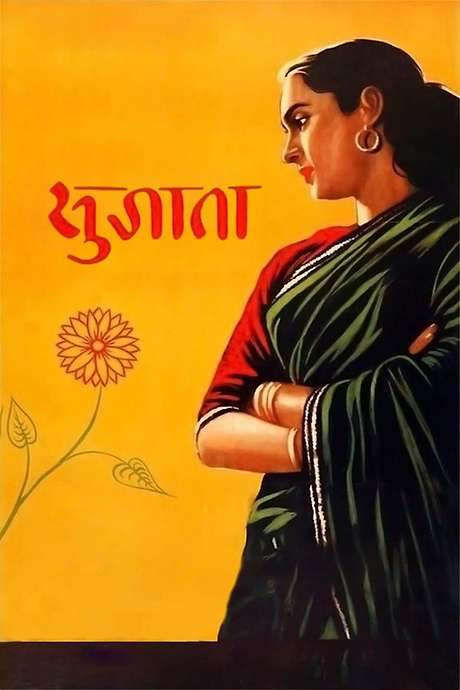
Charulata (1964) movie poster

Characters & Themes

Charulata (1964) Characters, Setting & Themes Explained

Release, runtime and language
1964 · 117 mins · Bengali, Bangla
JustWatch #25,788 3
Directed by
Satyajit Ray
Starring
Soumitra Chatterjee, Madhabi Mukherjee, Kamu Mukherjee, Bankim Ghosh, Shyamal Ghoshal, Shailen Mukherjee

Set in 1870s India, Charulata is an isolated, artistically inclined woman who rarely sees her busy journalist husband, Bhupati. Concerned for her unhappiness, Bhupati invites his cousin Amal—a budding poet—to spend time with Charulata and encourage her creativity. Amal and Charulata quickly connect through their shared love of art, deepening her emotional world.

On this page (9)
  1. 1 Where to watch
  2. 2 Characters explained (6)
  3. 3 Where & when it takes place
  4. 4 Themes & meaning (3)
  5. 5 Character & meaning questions
  6. 6 The book behind the movie
  7. 7 Movie threads
  8. 8 Movies like Charulata
  9. 9 Every angle

Where to watch

Where to Watch Charulata (1964)

Where can you watch Charulata? Stream, rent or buy it in the US, including on Amazon Video, Apple TV Store and Fandango At Home: current JustWatch availability with up-to-date prices.

Streaming availability powered by JustWatch

6 main characters · contains spoilers

Charulata Characters Explained: Who Is Who

The main characters of Charulata (1964), heroes and villains: what drives them, how they change over the course of the story and what each of them reveals about the film's bigger ideas.

  • Charulata (Charu)

    played by Madhabi Mukherjee

    Charulata is an intelligent, artistic wife who feels isolated within her well-serviced home. She quietly nourishes her mind through conversations with Amal and through secret writing, revealing a voice that longs for expression. Her sensitivity and curiosity drive the film’s intimate drama and its exploration of female creativity.

    • ✨ Intellectual
    • 🎨 Creative
    • 🔒 Repressed
    • 💭 Reflective
  • Bhupati Dutta

    played by Shailen Mukherjee

    Bhupati is a wealthy Bengali intellectual who edits a small political newspaper. He is passionate about politics, yet emotionally distant from Charu, balancing public life with a fragile personal connection. His disillusionment at a critical moment deepens the film’s examination of trust, idealism, and the costs of political fervor.

    • 🎭 Intellectual
    • 💼 Patron
    • 🌀 Distant
  • Amal

    played by Soumitra Chatterjee

    Amal is Bhupati’s younger cousin who arrives with a desire to write but is pressed into helping with the paper. He forms a gentle, provocative bond with Charu and becomes a catalyst for her literary awakening. He is thoughtful and torn by a marriage proposal, weighing staying in India against opportunities abroad.

    • 🎨 Writer
    • 🧭 Thoughtful
    • 💔 Torn
  • Umapada

    played by Shyamal Ghoshal

    Umapada is a failed lawyer invited to manage the newspaper’s finances. He is pushy and opportunistic, ultimately stealing from Bhupati and exposing the fragility of trust within the household. His actions precipitate a crisis that tests every character’s loyalties.

    • 💼 Opportunist
    • 💸 Thief
    • 🧭 Unreliable
  • Manda

    played by Gitali Roy

    Manda is Umapada’s wife, a domestic and traditional presence who offers Charu little intellectual stimulation. She embodies the conventional domestic sphere and acts as a counterpoint to Charu’s longing for cultural and personal growth.

    • 🏡 Domestic
    • 🎀 Traditional
    • 💬 Conventional
  • Nisikanta (Nishikanta)

    played by Suku Mukherjee

    Nisikanta is Bhupati’s friend who publicly celebrates Charu’s writing, causing embarrassment for Bhupati and highlighting the friction between private achievement and public acknowledgment. He represents the liberal circle that engages with literature and politics, challenging the couple’s expectations.

    • 🎭 Friend
    • 🗞️ Social
    • 🤝 Catalyst

Last updated: October 04, 2025 at 14:23

Was this helpful?

Setting

Where and When Does Charulata Take Place?

The setting of Charulata (1964): the year and time period, the places and locations, and how they shape the characters, the mood and the tension of the story.

Time period

1879

The events unfold in 1879, a period when the Bengali Renaissance influenced cultural and political life under British rule. Newspapers and literary circles thrived, shaping public discourse and personal ambitions. The era’s expectations of gender roles and family duties frame Charu’s inner life and the couple’s decisions.

Location

Calcutta, India

Set in Calcutta in 1879, during the height of the Bengali Renaissance under British rule. The city is a hub of intellectual activity, newspapers, and salon debates that mirror the characters’ pursuits in literature and politics. The domestic home contrasts with the public sphere of Bhupati’s political newspaper, highlighting the era’s social dynamics.

  • 🏙️ Urban
  • 🇮🇳 Colonial India
  • 🕰️ 19th Century

Last updated: October 04, 2025 at 14:23

Was this helpful?

3 major themes

Charulata Meaning: Themes & Message Explained

What is Charulata (1964) really about? The emotional, social and philosophical themes the film keeps returning to, its symbolism and the message beneath the surface.

  • Creativity vs Conformity

    Charulata’s sharp intellect and artistic sensibilities are stifled by domestic routines and social norms. Amal’s arrival becomes a catalyst for her to discover and cultivate her writing. The film probes how personal expression can survive—and require—careful navigation within a constrained society.

  • Love and Isolation

    Charu’s awakening feelings for Amal unfold inside a closed household, where affection clashes with propriety. Their intimate connection remains unspoken due to social boundaries, underscoring a longing that cannot be fully realized. The narrative uses this tension to explore longing, secrecy, and the ache of unfulfilled love.

  • Public Life vs Private Life

    The newspaper and liberal politics provide a backdrop against which Charu’s inner life contends with public roles. Bhupati’s ambitions and Charu’s secret writings reveal how personal fulfillment can collide with public duty. The film anchors its tension in a period when the press and culture were catalysts for modern ideas and social change.

Last updated: October 04, 2025 at 14:23

Was this helpful?

Character & theme questions

Charulata Characters & Meaning: Your Questions Answered

The questions people ask about Charulata (1964): who the characters really are, their relationships, what the symbols mean, where it takes place and what the movie is really about. Each answer contains spoilers.

Q1

What is the setting of Charulata and why does it matter?

The film is set in Calcutta in 1879, during the Bengali Renaissance under British rule. This was a period of intense intellectual and cultural activity in Bengal, where newspapers, literary salons, and political debates shaped public life. The setting matters because it provides the backdrop for the tension between Charu's private creative world and the public spheres of journalism and politics that define the men around her.

Foreshadowing: The colonial-era setting establishes the social constraints that limit Charu's artistic expression and emotional fulfillment.

  • calcutta
  • bengal
  • colonial india
  • 1879
  • bengali renaissance
  • setting
Q2

When does Charulata take place?

The film is set in 1879, during the height of the Bengali Renaissance. This was a transformative era when Bengali culture, literature, and political consciousness were flourishing under British rule. The time period is significant because it shapes the characters' expectations around gender roles, family duty, and the limited options available to educated women like Charu.

  • 1879
  • colonial era
  • historical setting
  • bengal
  • 19th century
Q3

What are the main themes in Charulata?

The film explores three interconnected themes: Creativity vs Conformity, as Charu's artistic talents are stifled by domestic expectations; Love and Isolation, as her growing feelings for Amal remain unspoken due to social boundaries; and Public Life vs Private Life, highlighting the tension between Bhupati's political ambitions and Charu's inner emotional world. These themes intersect to show how personal fulfillment often conflicts with social duty.

  • creativity
  • conformity
  • love
  • isolation
  • public vs private
  • themes
Q4

What does the theme of creativity versus conformity mean in Charulata?

The theme examines how Charu's intellectual and artistic sensibilities are constrained by the domestic routines and social norms of Victorian-era Bengal. Her husband Bhupati invites his cousin Amal to encourage her creativity, but even this expression is mediated by patriarchal structures. The film shows how personal artistic voice can survive within a constrained society, but only through careful navigation of expectations placed on women.

  • art
  • creativity
  • conformity
  • women's role
  • expression
  • society
Q5

How does the film explore love and isolation?

Charu's awakening feelings for Amal develop within the closed household, where emotional connection is constrained by propriety and social boundaries. Their bond deepens through shared love of art, but remains unspoken due to the conventions of the time. The film uses this tension to explore the aching reality of unfulfilled longing, love that cannot be fully expressed or realized within the social framework.

  • love
  • longing
  • isolation
  • emotion
  • unrequited
  • social boundaries
Q6

Who is Charulata and what defines her?

Charulata (Charu) is an intelligent and artistically inclined woman who feels trapped in her well-serviced but emotionally empty home. She nourishes her mind through secret writing and conversations with Amal. Her defining traits are her sensitivity, curiosity, and deep need for creative expression. She represents the unrecognized creative voice of women in 19th-century Bengal, whose talents were often subordinated to domestic duty.

  • charulata
  • charu
  • protagonist
  • female lead
  • artist
  • intelligent
Q7

Who is Bhupati and what is his role in the story?

Bhupati Dutta is a wealthy Bengali intellectual who edits a small political newspaper. He is passionate about politics and social change but emotionally distant from his wife Charu. His role is to represent the public sphere of ideas and duty that competes with private emotional connection. His disillusionment later in the film deepens the exploration of trust, idealism, and the costs of political fervor.

  • bhupati
  • husband
  • newspaper
  • politician
  • intellectual
  • editor
Q8

Who is Amal and what is his significance?

Amal is Bhupati's younger cousin, a budding poet who arrives at the household hoping to focus on writing but is instead pressed into helping with the newspaper. He becomes a catalyst for Charu's literary awakening through their shared love of art. His significance lies in representing the potential for artistic and emotional fulfillment that exists just beyond Charu's reach, while he himself faces a choice between staying in India and opportunities abroad.

  • amal
  • poet
  • cousin
  • catalyst
  • artist
  • romantic interest
Q9

How does Calcutta's environment shape the story?

Calcutta in 1879 was a hub of intellectual activity where newspapers, literary circles, and political debates thrived. The contrast between the domestic home and the public sphere of Bhupati's newspaper highlights the era's social dynamics. This environment shapes the story by creating a world where ideas and creativity are valued theoretically, yet where a woman's artistic voice remains confined to private spaces.

  • calcutta
  • city
  • intellectual
  • environment
  • social dynamics
  • colonial city
Q10

How does the film portray women's creative expression in colonial Bengal?

The film portrays women's creative expression as both present and suppressed. Charu possesses genuine artistic talent and secret writings, but her creative voice has no legitimate public outlet within the social framework of 1879 Bengal. The film shows how even when encouraged, by Bhupati inviting Amal, it is done on patriarchal terms. Charu's creativity becomes an act of quiet rebellion against the limited roles available to educated women.

  • women
  • creativity
  • expression
  • colonial
  • bengal
  • female artist
  • society
Q11

What does the film say about emotional neglect in marriage?

The film examines how emotional neglect manifests in a marriage where physical needs are met but intellectual and emotional connection is absent. Bhupati provides a comfortable home for Charu but lacks the emotional awareness to recognize her loneliness. The story explores how this neglect, who unintentional it may be, creates vulnerability to connection outside the marriage, without condemning any character simplistically.

  • marriage
  • neglect
  • emotion
  • loneliness
  • relationship
  • husband wife
Q12

What does the theme of public versus private life mean in Charulata?

The theme explores how the newspaper and liberal politics provide a backdrop that contrasts sharply with Charu's inner life. Bhupati's ambitions in public life leave little room for personal connection, while Charu's secret writings represent her private fulfillment. The film shows how personal happiness can collide with public duty, particularly in a period when the press and culture were driving social change while leaving individual emotional needs unspoken.

  • public
  • private
  • politics
  • newspaper
  • duty
  • personal fulfillment

Movie threads

More Movies Like Charulata, by Mood & Story

Curated lists built around what makes Charulata tick: the same mood, the same kind of story or the same emotional payoff. Each list explains why these movies belong together.

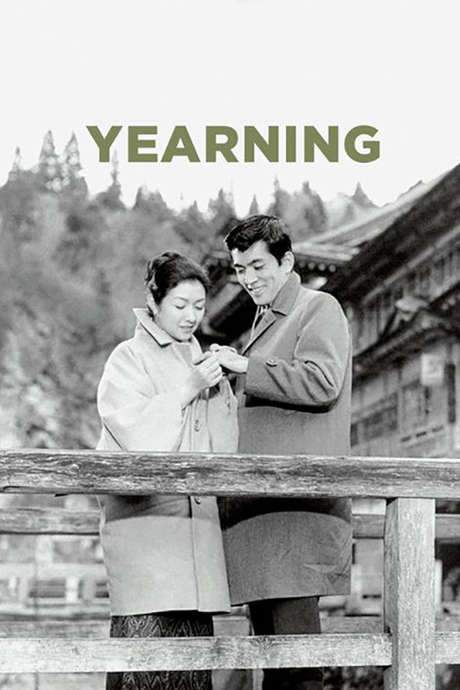
Movies about quiet yearning and unspoken desires like Charulata

Stories of powerful emotions simmering beneath a surface of restraint. If you enjoyed the subtle emotional currents and restrained passion of Charulata, this list features similar movies. Discover other films centered on unspoken love, quiet longing, and the powerful drama of emotions held just beneath the surface, often set against restrictive social backdrops.

  • yearning
  • restrained
  • melancholic
  • introspective
  • quiet
  • delicate
  • Tone: melancholic, yearning, restrained
  • Pacing: slow, deliberate
Why these movies?

The story pattern: Narratives in this thread often revolve around characters navigating a deep emotional or intellectual connection that is inhibited by external constraints or internal duty. The central conflict is not overt action but the internal struggle between desire and propriety, leading to moments of profound, often bittersweet, realization.

Why they belong together: These films are grouped together because they share a core focus on restrained emotional expression, a melancholic tone, and a pacing that allows the viewer to sit with the characters' quiet internal conflicts. They prioritize nuance and subtlety over dramatic confrontation.
Movies about intellectual and emotional awakenings like Charulata

Journeys of self-discovery sparked by art, ideas, or a new connection. For viewers who appreciated Charulata's story of a woman's artistic and emotional awakening, this collection highlights similar films. Find stories about characters discovering new parts of themselves through intellectual stimulation or profound personal connections, often with bittersweet consequences.

  • introspective
  • awakening
  • transformative
  • thoughtful
  • poignant
  • artistic
  • Tone: thoughtful, bittersweet, poignant
  • Pacing: slow to steady, character-driven
Why these movies?

The story pattern: The narrative pattern follows a protagonist, frequently feeling confined or unfulfilled, whose perspective is radically widened by an external catalyst. This awakening brings immense personal growth but also new conflicts, as the character's expanded consciousness clashes with their former life, leading to a transformative but often complex ending.

Why they belong together: These movies are united by their central theme of personal transformation through intellectual or emotional discovery. They share a thoughtful, character-driven approach, a medium complexity in exploring internal change, and a tone that balances the euphoria of awakening with the pain of new realities.

If you liked this

Movies Like Charulata

Similar movies to Charulata: the same genre, themes or kind of story. Each one comes with its own plot summary, timeline and ending explained.

Browse all movie summaries

Every angle

Charulata (1964) Explained: Plot, Timeline & Characters

Everything about Charulata in one place: what happens in the plot summary, the timeline in chronological order, the characters and meaning and a spoiler-free summary. What's After the Movie adds the cast, box office and post-credit scenes.

Coming soon on iOS and Android

The Plot Explained Movie Summary App

Plot summaries, endings explained and timelines on your phone. Catch up on any movie in minutes, save your favorites and never miss a twist again.

Be the first to know when we launch. Your email stays private, always.

Learn more about the app