Plot Explained Spoilers guaranteed!
Plot Explained

Browse by genre

Cease Fire (1985) movie poster

Characters & Themes

Cease Fire (1985) Characters, Setting & Themes Explained

Release, runtime and language
1985 · 97 mins · English
Loading streaming availability…
Directed by
David Nutter
Starring
Don Johnson, Lisa Blount, Robert F. Lyons, Andrew Garrett, Josh Segal, Dan Fitzgerald

Tim Murphy, a Vietnam veteran, loses his job and is plunged back into the trauma of his war experiences. The resurfacing nightmares strain his marriage and family life until he joins a veterans’ therapy group. Through the fellowship of fellow vets and his wife's steadfast love, he confronts his demons and begins to heal.

On this page (8)
  1. 1 Where to watch
  2. 2 Characters explained (6)
  3. 3 Where & when it takes place
  4. 4 Themes & meaning (4)
  5. 5 Character & meaning questions
  6. 6 Movie threads
  7. 7 Movies like Cease Fire
  8. 8 Every angle
Loading streaming availability…

6 main characters · contains spoilers

Cease Fire Characters Explained: Who Is Who

The main characters of Cease Fire (1985), heroes and villains: what drives them, how they change over the course of the story and what each of them reveals about the film's bigger ideas.

  • Tim Murphy (Don Johnson)

    A Vietnam veteran fifteen years home, now married with children, Tim is out of work and plagued by relived memories of combat. He wanders the house with a knife during a nighttime confrontation, threatening the safety of his family. His reluctance to seek help gives way to a devastating episode that pushes his loved ones to confront the depths of his trauma.

    • 🧠 Veteran
    • 🪖 PTSD
    • 💔 Family man
  • Paula Murphy (Lisa Blount)

    Tim's wife, trying to understand his terror and protect the family. She joins a Women's Group in search of support and possible solutions, and she fights to keep the family intact as Tim's condition worsens. Her resolve and empathy anchor the family amid chaos.

    • ❤️ Partner
    • 💪 Support-seeking
    • 🏡 Family
  • Luke (Robert F. Lyons)

    Tim's veteran friend who hopes to reconcile with his wife but is overwhelmed by the strain of civilian life. His return from separation is marred by news of divorce papers, leading to a fatal confrontation that underscores the fragility of relationships after war.

    • 🪖 Veteran
    • 💔 Strained relationship
    • 🕯️ Tragic end
  • Badman (Richard Chaves)

    A fellow soldier who fights alongside Tim and is present during the harrowing patrol. His death during the unit's ambush marks a brutal turn in the story and deepens Tim's guilt and sense of responsibility.

    • 🪖 Veteran
    • 💀 Loss
    • ⚔️ Combat ally
  • Rafer (John Archie)

    A member of Tim's unit who is killed as mortars and gunfire close in during the escape, heightening the urgency and despair of the situation.

    • 🪖 Veteran
    • 🕯️ Sacrifice
    • 💥 War violence
  • Sanchez (Jorge Gil)

    A fellow soldier shown in the cohort during the mission; he is wounded during the confrontation, becoming a reminder of the cost of every operation.

    • 🪖 Veteran
    • 🩹 Injury
    • 🛡️ Unit

Last updated: October 04, 2025 at 13:08

Was this helpful?

Setting

Where and When Does Cease Fire Take Place?

The setting of Cease Fire (1985): the year and time period, the places and locations, and how they shape the characters, the mood and the tension of the story.

Time period

Late 20th century

Set in the years following the Vietnam War, the narrative traces a veteran's struggle to readjust long after his service. The period reflects a society still grappling with how to help returning soldiers, and the limited recognition of PTSD. The timeframe underscores the slow, painful process of healing and the fragility of the family unit amid memory and danger.

Location

Tim's Home, Luke's Apartment, Veterans Office, Local Community Center

Most scenes unfold in a suburban American setting, centering on Tim's home as a battleground between memory and reality. The film also follows Luke's apartment and local veterans' facilities, illustrating how veterans navigate civilian life. The settings emphasize the strain on family life as trauma bleeds into daily routines.

  • 🏠 Domestic setting
  • 🌆 Suburban life
  • 💔 Family tension

Last updated: October 04, 2025 at 13:08

Was this helpful?

4 major themes

Cease Fire Meaning: Themes & Message Explained

What is Cease Fire (1985) really about? The emotional, social and philosophical themes the film keeps returning to, its symbolism and the message beneath the surface.

  • Trauma

    A Vietnam veteran's mind is haunted by memories of combat, blurring past and present. Intrusive flashbacks drive dangerous actions at home and threaten his family's safety. The film treats trauma as a persistent force shaping relationships and personal stability.

  • Family

    Paula's efforts to support Tim and preserve the family illustrate the strain of caregiving under crisis. Their relationship is tested by fear, frustration, and the pull of professional help. The story shows children and spouses navigating a healing process within a fractured home.

  • Loss

    The death of Tim's comrades during the unit's patrol underscores the cost of war brought home. Luke's divorce and subsequent death magnify the theme of irreversible loss. The violence of combat reverberates through Tim's life, influencing his future choices.

  • Support

    The film depicts veterans' groups and social support as vital tools for dealing with trauma, even as Tim resists opening up. Paula's search for help contrasts with Tim's reluctance to speak, highlighting the tension between individual struggle and communal aid. The narrative suggests that connection and professional help can guide families toward recovery.

Last updated: October 04, 2025 at 13:08

Was this helpful?

Character & theme questions

Cease Fire Characters & Meaning: Your Questions Answered

The questions people ask about Cease Fire (1985): who the characters really are, their relationships, what the symbols mean, where it takes place and what the movie is really about. Each answer contains spoilers.

Q1

Where does Cease Fire take place?

The movie is set primarily in suburban America, focusing on Tim Murphy's home as the main setting where his trauma constantly intrudes on family life. Additional locations include Luke's apartment and local veterans' facilities, showing how veterans navigate civilian existence. The domestic setting contrasts sharply with the wartime memories that haunt Tim, turning his home into a battleground between past and present.

  • setting
  • suburban america
  • home
  • veterans facility
Q2

What time period does Cease Fire depict?

Cease Fire takes place in the late 20th century, specifically years after the Vietnam War ended. Tim is depicted as being fifteen years home from the war, showing that his trauma has persisted long after his service. The timeframe reflects a period when society was still learning how to recognize and treat PTSD, and when veterans often struggled without adequate support or understanding.

  • time period
  • vietnam war
  • 1980s
  • veteran recovery
Q3

How does Cease Fire portray PTSD?

The film treats trauma as a persistent, invasive force that blurs the line between past combat and present reality for Tim Murphy. Intrusive flashbacks of combat and war crimes disrupt his daily life, leading to dangerous episodes where he threatens his family's safety. The movie depicts PTSD not as a temporary condition but as an ongoing struggle that requires professional help and family support to overcome.

  • ptsd
  • trauma
  • vietnam veteran
  • flashbacks
  • psychological
Q4

What are the main themes of Cease Fire?

Cease Fire explores four interconnected themes: trauma as a persistent force that shapes relationships and stability; family as a unit tested by the strain of caregiving and fear; loss through the death of Tim's comrades and the irreversible damage war causes to relationships; and support through veteran groups and professional help as vital tools for healing. The narrative emphasizes that connection and communal aid can guide families toward recovery, even when individual resistance to help is strong.

  • themes
  • trauma
  • family
  • loss
  • support
  • healing
Q5

Who is Tim Murphy in Cease Fire?

Tim Murphy is a Vietnam veteran fifteen years home, married with children, who is out of work and plagued by relived memories of combat. His character arc shows a man whose reluctance to seek help leads to devastating episodes that threaten his family's safety. The story follows his transformation from isolation and resistance to eventually confronting his demons through veteran therapy and his wife's steadfast support.

  • tim murphy
  • protagonist
  • vietnam veteran
  • ptsd
Q6

Who is Paula Murphy and what is her role?

Paula Murphy is Tim's wife, portrayed as the emotional anchor of the family throughout the film. She actively seeks support by joining a Women's Group while trying to understand her husband's terror and protect their children. Her determination to keep the family intact despite worsening conditions represents the strain of caregiving under crisis, and her empathy becomes crucial to Tim's eventual path toward healing.

  • paula murphy
  • wife
  • caregiver
  • family support
Q7

Who is Luke in Cease Fire?

Luke is Tim's veteran friend who represents the fragile state of relationships affected by war trauma. He hopes to reconcile with his wife but is overwhelmed by the difficulties of civilian life. His story arc underscores the theme of irreversible loss, as his attempt to return from separation is derailed by divorce papers, leading to a fatal confrontation that demonstrates the devastating consequences of unresolved trauma.

  • luke
  • veteran friend
  • divorce
  • loss
Q8

What role do veteran support groups play in Cease Fire?

The film depicts veteran support groups as vital tools for dealing with trauma, even though Tim initially resists opening up about his experiences. These groups represent the tension between individual struggle and communal aid that runs through the narrative. The story suggests that professional help and peer connection can guide families toward recovery, contrasting Paula's active search for solutions with Tim's initial reluctance to seek assistance.

  • veteran groups
  • therapy
  • support
  • healing
  • ptsd treatment
Q9

How does the film portray the loss of Tim's comrades?

The deaths of Tim's fellow soldiers, particularly Badman during the unit's ambush and Rafer during the chaotic escape, underscore the lasting cost of war that veterans carry home. These losses deepen Tim's guilt and sense of responsibility, reinforcing trauma as a persistent force shaping his present decisions. The film shows how the violence of combat reverberates through Tim's life, affecting his relationships and future choices.

  • badman
  • rafer
  • comrades
  • death
  • guilt
  • survivor guilt
Q10

How does Cease Fire depict the impact on family relationships?

Cease Fire portrays the family as a unit under severe strain from trauma bleeding into daily routines. The suburban home becomes a site of tension where Tim's nighttime episodes threaten safety and stability. Children and spouses are shown navigating a healing process within a fractured home, with Paula's efforts illustrating both the strain and the resilience of family bonds under crisis.

  • family
  • marriage
  • children
  • strain
  • domestic tension
Q11

Does Cease Fire offer a hopeful resolution?

The film ends on a bittersweet note, Tim begins to heal and is supported by his wife, suggesting hope is possible through connection and professional help. However, this resolution is tempered by the profound cost of war: the death of his friend Luke and the lingering weight of his memories. The narrative acknowledges that while healing is achievable, it comes with permanent scars and requires ongoing effort.

  • ending
  • resolution
  • healing
  • hope
  • recovery

Movie threads

More Movies Like Cease Fire, by Mood & Story

Curated lists built around what makes Cease Fire tick: the same mood, the same kind of story or the same emotional payoff. Each list explains why these movies belong together.

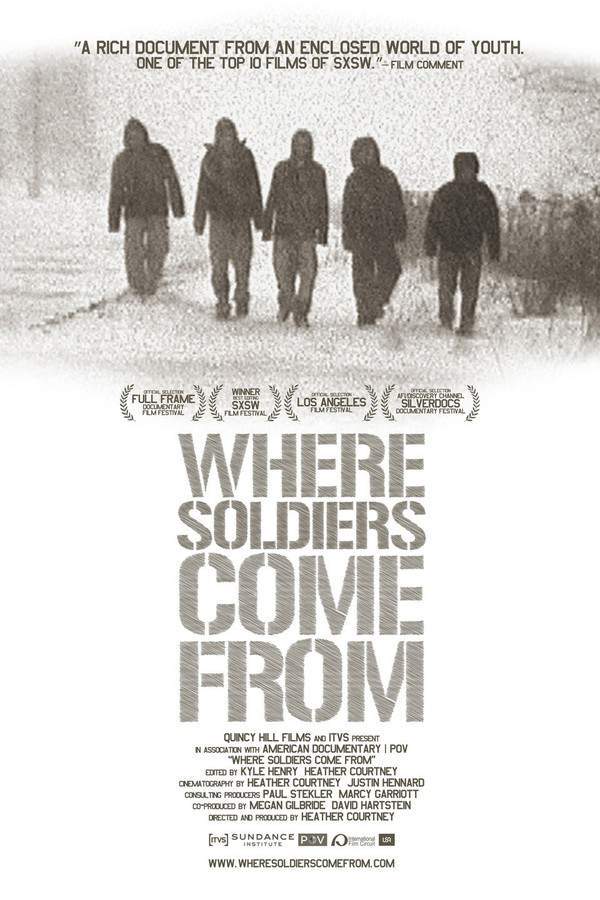
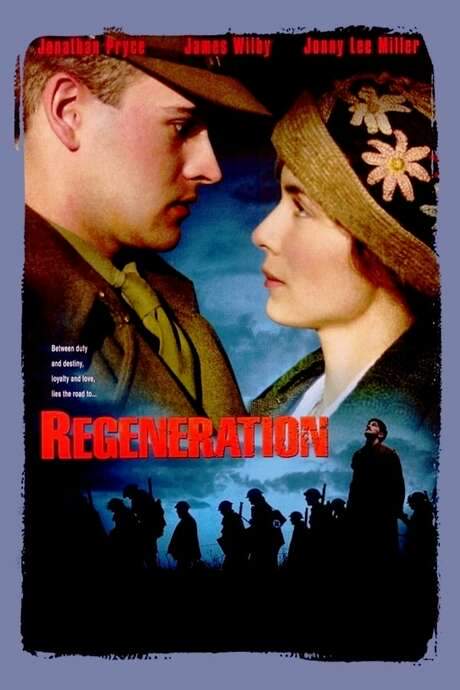
Movies about war trauma aftermath like Cease Fire

Gripping stories of soldiers grappling with psychological wounds long after the battle ends. If you were affected by the intense portrayal of PTSD in Cease Fire, these movies offer similar experiences. This collection features powerful dramas about soldiers confronting the psychological cost of war, focusing on therapy, survivor's guilt, and the impact on family life.

  • traumatic
  • somber
  • gripping
  • desperate
  • hopeful
  • psychological
  • Tone: melancholic, intense, somber
  • Pacing: steady, character-driven
Why these movies?

The story pattern: Stories in this thread typically follow a linear progression from crisis to tentative recovery. A protagonist, shattered by wartime experiences, faces a breaking point in their personal life. The narrative oscillates between their present-day struggles and vivid, traumatic flashbacks, culminating in a confrontation with their past that leads to a bittersweet or hopeful, but never easy, resolution.

Why they belong together: Movies are grouped here for their unflinching focus on the psychological toll of combat. They share a high-intensity, melancholic tone, heavy emotional weight, and a straightforward narrative structure that prioritizes emotional truth over complex plotting. The central theme is always the long, difficult journey of living with trauma.
Movies about bittersweet psychological healing like Cease Fire

Emotionally heavy dramas where characters confront deep trauma to find fragile hope. For viewers who appreciated the hopeful yet hard-worn resolution in Cease Fire, this list features similar movies about overcoming trauma. These stories show characters grappling with severe psychological issues, often through therapy or support groups, leading to a bittersweet but meaningful conclusion.

  • somber
  • hopeful
  • gripping
  • anxious
  • emotional
  • heavy
  • Tone: somber, hopeful, melancholic
  • Pacing: steady, deliberate
Why these movies?

The story pattern: The narrative pattern involves a character in crisis, whose unresolved trauma severely impacts their present relationships. Through a catalyst—often a supportive figure or a therapeutic community—they are forced to confront their past. The journey is arduous and linear, with setbacks and painful revelations, culminating in an ending that is not purely happy but signifies genuine, hard-earned progress and a chance for a better future.

Why they belong together: These movies share a specific emotional mix: they begin with oppressive bleakness and anxiety but navigate toward a cautiously hopeful, bittersweet conclusion. They maintain a steady, deliberate pacing that allows for deep character exploration and carry a heavy emotional weight derived from authentic portrayals of trauma and recovery.

If you liked this

Movies Like Cease Fire

Similar movies to Cease Fire: the same genre, themes or kind of story. Each one comes with its own plot summary, timeline and ending explained.

Browse all movie summaries

Every angle

Cease Fire (1985) Explained: Plot, Timeline & Characters

Everything about Cease Fire in one place: what happens in the plot summary, the timeline in chronological order, the characters and meaning and a spoiler-free summary. What's After the Movie adds the cast, box office and post-credit scenes.

Coming soon on iOS and Android

The Plot Explained Movie Summary App

Plot summaries, endings explained and timelines on your phone. Catch up on any movie in minutes, save your favorites and never miss a twist again.

Be the first to know when we launch. Your email stays private, always.

Learn more about the app