
Cart
Year: 2014
Runtime: 103 mins
Language: Korean
Director: Boo Ji-young
Today, I get the sack. In response to a sudden dismissal of staff, workers at a big retail store begin a protest against their employer’s oppressive labor policies.
Where to Watch Cart?
Find where to stream, rent, or buy Cart (2014) in the US with current JustWatch availability, up-to-date pricing, and platform listings for subscription, rental, and digital purchase options.





Streaming availability powered by 
Warning: spoilers below!
Haven’t seen Cart yet? This summary contains major spoilers. Bookmark the page, watch the movie, and come back for the full breakdown. If you're ready, scroll on and relive the story!
Timeline – Cart (2014)
Trace every key event in Cart (2014) with our detailed, chronological timeline. Perfect for unpacking nonlinear stories, spotting hidden connections, and understanding how each scene builds toward the film’s climax. Whether you're revisiting or decoding for the first time, this timeline gives you the full picture.
Last updated: February 24, 2026 at 14:13
Cart (2014) Timeline Questions Answered – Chronology FAQ
Find frequently asked questions about the Cart (2014) timeline, including chronological order, nonlinear jumps, cause-and-effect links, and scene sequence clarifications. This timeline FAQ helps explain when key events happen, how moments connect, and why the story unfolds in that specific order.
Why do the temporary workers decide to go on strike in Cart?
The temporary workers decide to strike after the company abruptly announces that all temporary workers will be laid off. Sun-hee, Hye-mi, Soon-rye, Ok-soon, and Mi-jin resolve to challenge the wrongful dismissals and the store's exploitative labor practices. They choose collective action because individual resistance would be futile against corporate power, and the sudden loss of income threatens their livelihoods.
Earlier scenes establish Sun-hee's hope for promotion to regular worker, making the layoff announcement even more devastating.
Why does Hye-mi give up the strike?
Hye-mi, who was the initial leader of the strike, caves under mounting pressure from management. The company employs divide-and-conquer tactics, specifically targeting the leader to fracture the movement. Facing intense corporate pressure and likely personal consequences, Hye-mi withdraws from the protest, creating a leadership vacuum and demonstrating how companies exploit individual vulnerabilities to break collective action.
The company begins playing workers against each other, testing loyalties and sowing internal conflicts before Hye-mi's decision.
Why does Sun-hee become the leader of the protest?
Sun-hee, who is initially shy and passive, is thrust to the front lines of the demonstrations when other leaders emerge or become compromised. As the movement grows and requires more visible representatives, Sun-hee discovers untapped reserves of determination and resilience within herself. Her transformation from a quiet, diligent worker to a bold activist becomes a central arc of the film.
Sun-hee's long hours and steady performance as a model employee hint at her hidden strength and commitment.
How does the protest affect Sun-hee's relationship with her son Tae-young?
The protest transforms Sun-hee's relationship with her estranged high school-age son Tae-young. As she discovers new determination and resilience through the activism, this personal growth begins to alter their dynamic. Her newfound voice and courage at the picket lines mirrors the changes happening in her family life, bringing new complexity to their relationship and showing how standing up for herself at work impacts her role as a mother.
Early scenes establish the estrangement between Sun-hee and Tae-young, making their evolving relationship a meaningful subplot.
Why is Dong-joon's decision to join the strike significant?
Dong-joon, the junior manager and only male representative of the store's labor union, joins the women in their protests. His involvement is significant because it lends legitimacy to the movement and broadens the base of support within the company. The alliance between a manager and the temporary workers represents an unusual unified front against corporate practices and shifts the balance of power in the labor dispute.
As a union representative, Dong-joon has institutional knowledge of company tactics and access to internal information.
What divide-and-conquer tactics does the company use against the workers?
The company uses divide-and-conquer tactics by playing workers against each other and testing individual loyalties. They apply pressure selectively, targeting leaders like Hye-mi to fracture the movement from within. This strategy aims to undermine the collective resolve the women have built, attempting to break solidarity by creating internal conflicts and personal rivalries among the workers.
The timeline notes the company begins sowing internal conflicts after the workers recognize their collective power.
Why are the temporary workers particularly vulnerable to layoff?
The temporary workers are particularly vulnerable because they lack the job security and benefits of regular employees. Despite being model workers like Sun-hee, who performs at the level of permanent staff, they exist in precarious employment with no long-term contracts. The sudden layoff notice exposes how disposable temporary workers are to large corporations, driving the urgency of their protest.
Sun-hee's belief that hard work leads to promotion is established early, making the layoff feel like a betrayal.
Why do Ok-soon and Mi-jin continue supporting the strike after Hye-mi gives up?
Ok-soon and Mi-jin stay committed to the strike even after Hye-mi caves under pressure because they believe in the cause and understand the personal stakes involved. Their continued involvement represents the resilience of the broader movement beyond individual leaders. Despite the setback and heightened tension, they keep the flame of resistance alive, demonstrating that solidarity can persist even when leadership falters.
Ok-soon is characterized as naive but earnest, while Mi-jin is the youngest, suggesting different motivations for their persistence.
What happens at the end of Cart? Does the strike succeed?
The film ends with a bittersweet tone. While the strike suffers setbacks with Hye-mi's departure, the women who remain, particularly Ok-soon and Mi-jin, continue to fight. The ending emphasizes solidarity and empowerment rather than a clear victory, highlighting the personal costs of collective action while also showing how the experience transforms Sun-hee. The film leaves viewers with a sense of resilience amid economic precarity rather than a complete triumph.
The meta notes describe the ending as bittersweet with a sense of empowerment amidst struggle.

Explore Movie Threads
Discover curated groups of movies connected by mood, themes, and story style. Browse collections built around emotion, atmosphere, and narrative focus to easily find films that match what you feel like watching right now.
Collective Resistance Dramas Similar to Cart
Ordinary people unite against oppressive systems and fight for dignity.Movies like Cart explore ordinary people organizing against corporate exploitation and systemic injustice. If you enjoyed the labor struggle narrative and themes of solidarity in Cart, you'll appreciate these powerful stories of collective action.








Narrative Summary
These narratives typically begin with individual grievances that escalate into collective action when injustice becomes unbearable. The story follows the group's journey from initial organizing through setbacks and small victories, emphasizing the personal costs and emotional bonds formed through shared struggle.
Why These Movies?
Movies in this thread share a focus on group solidarity against institutional oppression, featuring realistic workplace settings, tense confrontations, and emotionally heavy stakes where livelihoods are on the line.
Character Transformation Stories Like Cart
Individual transformation emerges from fighting for something bigger than oneself.Movies similar to Cart focus on personal growth emerging from social activism. If you appreciated Sun-hee's journey from quiet employee to determined activist, these films explore how fighting injustice changes individuals fundamentally.

Let the River Flow
2023
Satyagraha
2013

Valley of Tears
2003

As I Open My Eyes
2016

The Burdened
2023
Cart
2014

The Strawberry Statement
1970

Blossoms Under Somewhere
2024
Unbowed
2011

The Silent Revolution
2018
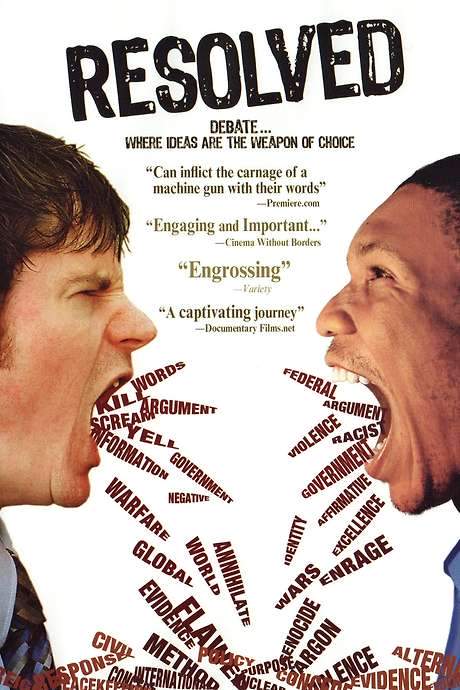
Resolved
2007

Man of Iron
1981

By The People
2005

The Strategy of the Snail
1993

Leader
2010
Narrative Summary
These films follow a character's awakening as they transition from passive acceptance to active participation in social causes. The journey involves overcoming fear, developing leadership skills, and discovering personal agency through collective struggle, often with bittersweet but empowering resolutions.
Why These Movies?
These films are grouped by their focus on individual transformation within social movements, blending heavy emotional stakes with character development arcs that mirror the larger conflict.
Unlock the Full Story of Cart
Don't stop at just watching - explore Cart in full detail. From the complete plot summary and scene-by-scene timeline to character breakdowns, thematic analysis, and a deep dive into the ending - every page helps you truly understand what Cart is all about. Plus, discover what's next after the movie.
Cart Summary
Read a complete plot summary of Cart, including all key story points, character arcs, and turning points. This in-depth recap is ideal for understanding the narrative structure or reviewing what happened in the movie.

Characters, Settings & Themes in Cart
Discover the characters, locations, and core themes that shape Cart. Get insights into symbolic elements, setting significance, and deeper narrative meaning - ideal for thematic analysis and movie breakdowns.


