
Cart
Year: 2014
Runtime: 103 mins
Language: Korean
Director: Boo Ji-young
Today, I get the sack. In response to a sudden dismissal of staff, workers at a big retail store begin a protest against their employer’s oppressive labor policies.
Where to Watch Cart?
Find where to stream, rent, or buy Cart (2014) in the US with current JustWatch availability, up-to-date pricing, and platform listings for subscription, rental, and digital purchase options.





Streaming availability powered by 
Warning: spoilers below!
Haven’t seen Cart yet? This summary contains major spoilers. Bookmark the page, watch the movie, and come back for the full breakdown. If you're ready, scroll on and relive the story!
Timeline & Setting – Cart (2014)
Explore the full timeline and setting of Cart (2014). Follow every major event in chronological order and see how the environment shapes the story, characters, and dramatic tension.
Last updated: February 17, 2026 at 17:05
Main Characters – Cart (2014)
Meet the key characters of Cart (2014), with detailed profiles, motivations, and roles in the plot. Understand their emotional journeys and what they reveal about the film’s deeper themes.
Last updated: February 17, 2026 at 17:05
Major Themes – Cart (2014)
Explore the central themes of Cart (2014), from psychological, social, and emotional dimensions to philosophical messages. Understand what the film is really saying beneath the surface.
Last updated: February 17, 2026 at 17:05
Cart (2014) Character & Theme Questions Answered – Info FAQ
Browse frequently asked questions about Cart (2014) focused on characters, relationships, themes, symbols, setting, and story context. This movie info FAQ gives spoiler-aware explanations for character arcs, world details, and thematic interpretation so readers can better understand what the film is really about.
Where does the story take place?
The film is set in a large retail supermarket in South Korea. The story unfolds within the bright aisles and fast-paced environment of this modern workplace, where cashiers and staff navigate demanding bosses and shifting employment contracts. The setting highlights the fragility of temporary workers and the human costs of corporate retail practices.
When is the movie set?
Cart is set in contemporary present-day South Korea. The story centers on sudden layoffs of temporary workers and the rise of grassroots resistance, reflecting current debates about precarious work, contract-based employment, and workplace dignity in the modern economy.
What are the main themes in the movie?
The film explores three interconnected themes: Strike, where workers organize protests after mass layoffs; Empowerment, particularly of women who emerge as leaders through collective action; and Exploitation, highlighting how companies use layoffs and misdirection to weaken workers while exposing systemic precarity in temporary labor.
Who is Sun-hee and what is her role?
Sun-hee (played by Yum Jung-ah) is a veteran cashier and mother of two who starts the strike as a model employee but is pushed to the front lines. Her quiet determination grows into leadership as she challenges expectations and asserts her rights. The protests test her relationship with her estranged teenage son Tae-young, highlighting the balancing act between career and family.
Who is Hye-mi and why is she important?
Hye-mi (played by Moon Jeong-hee) is a single mother who becomes a driving force in the strike, championing collective action with passion and principle. She leads with pragmatism, balancing fierce demands with care for her colleagues. Her resolve binds the group together even as tensions rise, making her instrumental to the movement's cohesion.
How does the movie portray empowerment?
The film portrays empowerment through Sun-hee's transformation from a quiet model employee to a front-line leader who discovers resilience she didn't know she had. The women's collective action unlocks confidence that extends beyond the store floor into their personal lives. They learn to rely on each other rather than waiting for top-down solutions, gaining agency in both workplace and domestic spheres.
How does the film depict labor exploitation?
Cart depicts exploitation through the company's use of layoffs and strategic misdirection to weaken workers and sow internal divisions. The contrast between stated fairness and actual practices exposes systemic precarity in temporary labor. The emotional toll on families and communities becomes a central theme, with the story showing how corporate policies create vulnerability among workers who have little job security.
What triggers the strike in the movie?
The strike is triggered by sudden layoffs of temporary workers at the supermarket. Workers stage a bold protest after receiving layoff notices, turning the supermarket into a protest zone. Demonstrations escalate as more colleagues join, revealing the scale of shared grievances and testing solidarity among the workforce.
Who is Tae-young and what is his significance?
Tae-young (played by Doh Kyung-soo) is Sun-hee's estranged high school-age son. His presence in the narrative underscores the personal stakes of workplace battles. His relationship with Sun-hee highlights the balancing act between career and family, showing how economic precarity affects not just workers but their families and personal relationships.
What role do female workers play in the story?
Female workers are central to the film's narrative and themes. Sun-hee emerges as a leader, Hye-mi drives the collective action, and Soon-rye represents the human stakes of labor precarity. The movie emphasizes how the women's collective action unlocks confidence and extends beyond the workplace into their personal lives, making gender and solidarity a key dimension of the story.
What message does the movie convey about workplace rights?
Cart conveys that precarious work and contract-based employment create vulnerability for ordinary workers, but collective action can challenge oppressive labor policies. The filmcomments on the power of solidarity in a modern economy, suggesting that workers must rely on each other rather than waiting for top-down solutions to achieve workplace dignity and fair treatment.
Who is Dong-joon and what is his role?
Dong-joon (played by Kim Kang-woo) is a junior store manager and the only male representative of the labor union. He reluctantly joins the strike and becomes a bridge between workers and management. His involvement challenges stereotypes about gender and leadership in labor movements and complicates relationships on both sides of the conflict.

Explore Movie Threads
Discover curated groups of movies connected by mood, themes, and story style. Browse collections built around emotion, atmosphere, and narrative focus to easily find films that match what you feel like watching right now.
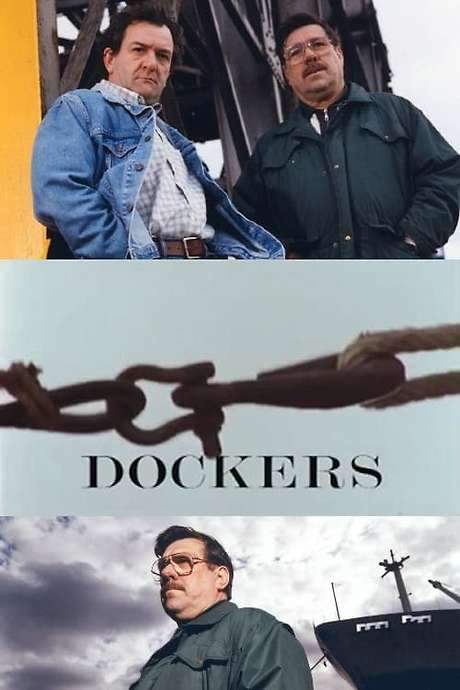
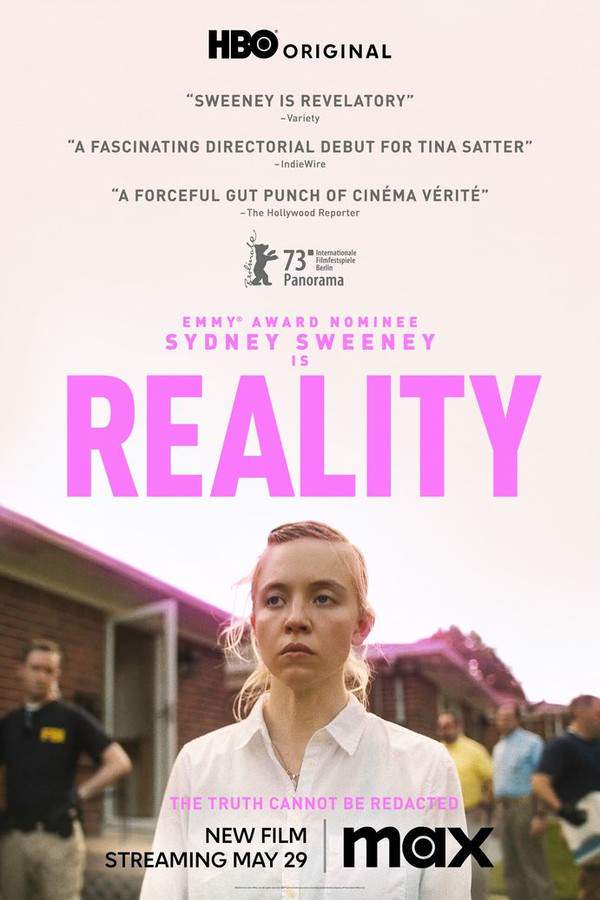
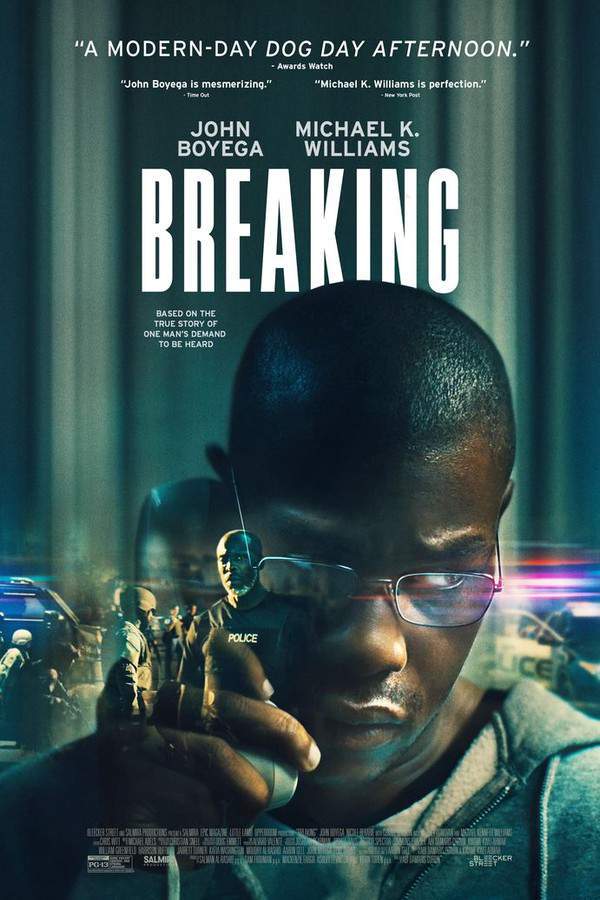
Collective Resistance Dramas Similar to Cart
Ordinary people unite against oppressive systems and fight for dignity.Movies like Cart explore ordinary people organizing against corporate exploitation and systemic injustice. If you enjoyed the labor struggle narrative and themes of solidarity in Cart, you'll appreciate these powerful stories of collective action.







Narrative Summary
These narratives typically begin with individual grievances that escalate into collective action when injustice becomes unbearable. The story follows the group's journey from initial organizing through setbacks and small victories, emphasizing the personal costs and emotional bonds formed through shared struggle.
Why These Movies?
Movies in this thread share a focus on group solidarity against institutional oppression, featuring realistic workplace settings, tense confrontations, and emotionally heavy stakes where livelihoods are on the line.
Character Transformation Stories Like Cart
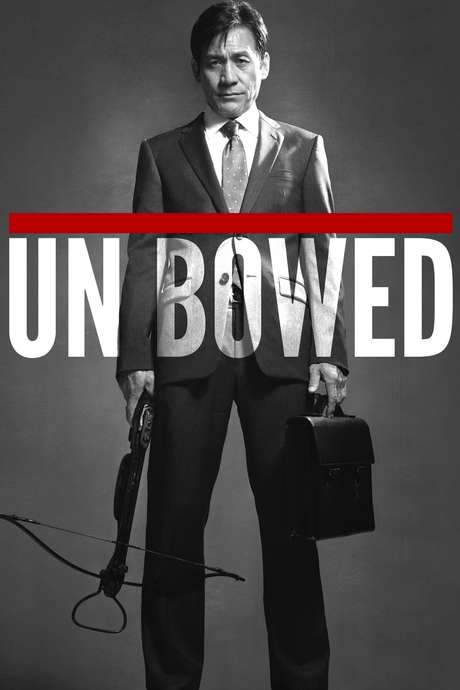
Individual transformation emerges from fighting for something bigger than oneself.Movies similar to Cart focus on personal growth emerging from social activism. If you appreciated Sun-hee's journey from quiet employee to determined activist, these films explore how fighting injustice changes individuals fundamentally.

Let the River Flow
2023

Satyagraha
2013

Valley of Tears
2003

As I Open My Eyes
2016

The Burdened
2023
Cart
2014

The Strawberry Statement
1970

Blossoms Under Somewhere
2024
Unbowed
2011

The Silent Revolution
2018
Resolved
2007

Man of Iron
1981

By The People
2005

The Strategy of the Snail
1993

Leader
2010
Narrative Summary
These films follow a character's awakening as they transition from passive acceptance to active participation in social causes. The journey involves overcoming fear, developing leadership skills, and discovering personal agency through collective struggle, often with bittersweet but empowering resolutions.
Why These Movies?
These films are grouped by their focus on individual transformation within social movements, blending heavy emotional stakes with character development arcs that mirror the larger conflict.
Unlock the Full Story of Cart
Don't stop at just watching - explore Cart in full detail. From the complete plot summary and scene-by-scene timeline to character breakdowns, thematic analysis, and a deep dive into the ending - every page helps you truly understand what Cart is all about. Plus, discover what's next after the movie.
Cart Summary
Read a complete plot summary of Cart, including all key story points, character arcs, and turning points. This in-depth recap is ideal for understanding the narrative structure or reviewing what happened in the movie.

Cart Timeline
Track the full timeline of Cart with every major event arranged chronologically. Perfect for decoding non-linear storytelling, flashbacks, or parallel narratives with a clear scene-by-scene breakdown.


