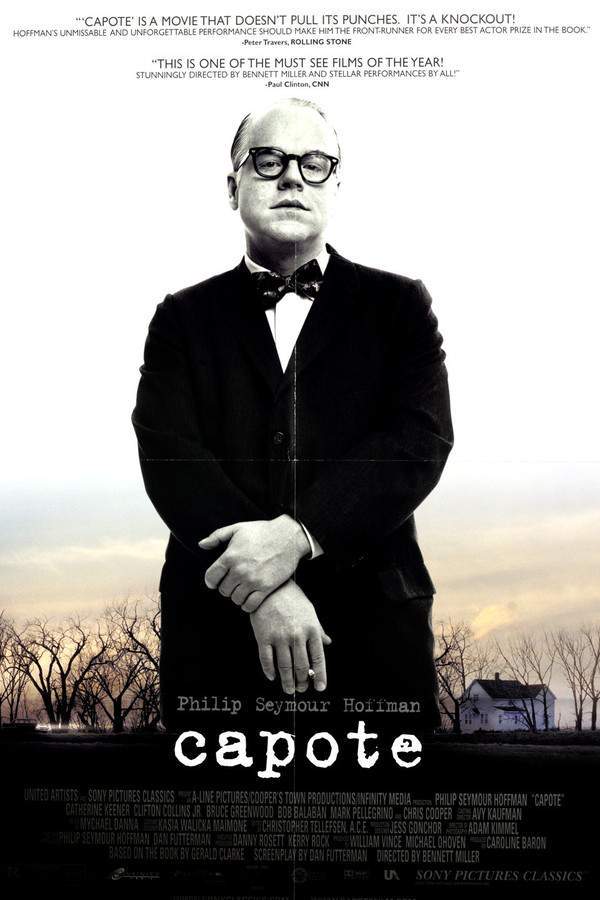
Capote
Year: 2005
Runtime: 114 min
Language: English
Director: Bennett Miller
Budget: $7M
The acclaimed author Truman Capote becomes fascinated by the murder of a Kansas family and travels to the small town where it occurred. He develops a close, complicated relationship with Perry Smith, one of the accused killers, while investigating the crime and uncovering hidden truths about the community and its inhabitants. The experience profoundly impacts Capote, blurring the lines between reporting and personal involvement.
Where to Watch Capote?
Find where to stream, rent, or buy Capote (2005) in the US with current JustWatch availability, up-to-date pricing, and platform listings for subscription, rental, and digital purchase options.











Warning: spoilers below!
Haven’t seen Capote yet? This summary contains major spoilers. Bookmark the page, watch the movie, and come back for the full breakdown. If you're ready, scroll on and relive the story!
Timeline & Setting – Capote (2005)
Explore the full timeline and setting of Capote (2005). Follow every major event in chronological order and see how the environment shapes the story, characters, and dramatic tension.
Last updated: October 22, 2024 at 19:04
Main Characters – Capote (2005)
Meet the key characters of Capote (2005), with detailed profiles, motivations, and roles in the plot. Understand their emotional journeys and what they reveal about the film’s deeper themes.
Last updated: October 22, 2024 at 19:04
Major Themes – Capote (2005)
Explore the central themes of Capote (2005), from psychological, social, and emotional dimensions to philosophical messages. Understand what the film is really saying beneath the surface.
Last updated: October 22, 2024 at 19:04
Capote (2005) Character & Theme Questions Answered – Info FAQ
Browse frequently asked questions about Capote (2005) focused on characters, relationships, themes, symbols, setting, and story context. This movie info FAQ gives spoiler-aware explanations for character arcs, world details, and thematic interpretation so readers can better understand what the film is really about.
Where is Capote set?
The film takes place in Kansas, specifically in the rural farm country where the Clutter family murder occurred. The stark, open landscapes of Kansas provide a stark contrast to the horrific events of the story, emphasizing the darkness that can lurk within peaceful, small-town America.
What time period does Capote cover?
Capote spans from 1959 to 1965, beginning with the Clutter family murder in 1959 and ending with the execution of the killers in 1965. This period represents a transformative era in America marked by cultural shifts, evolving societal norms, and a growing public fascination with crime and morality.
What does Moral Ambiguity mean in Capote?
The film explores moral ambiguity through Capote's complex relationship with Perry Smith, one of the convicted killers. As Capote becomes emotionally invested in Smith's story while pursuing literary success, he grapples with the ethical responsibilities of a writer and the blurred lines between reporting and personal involvement, raising questions about guilt, innocence, and redemption.
What theme of obsession does Capote explore?
Capote's obsession with the Clutter case drives him to immerse himself completely in the lives of those involved. His pursuit of a compelling narrative leads him to blur the boundaries between journalist and participant, showing how his obsession distorts his perspective and ethical judgment.
What consequences does Capote examine?
The film examines the irrevocable consequences faced by all involved, the Clutter family who were victims, the killers Perry Smith and Dick Hickock who faced execution, and Capote himself who suffered emotionally and professionally. The pursuit of closure and truth carries devastating costs for everyone touched by the case.
Who is Perry Smith in Capote?
Perry Smith is portrayed as a deeply troubled and vulnerable figure convicted of the Clutter family murder. His complex interactions with Capote reveal layers of emotional depth and inner turmoil, making him a tragic character whose humanity challenges simple notions of guilt and innocence.
What is Truman Capote's relationship with Perry Smith like?
Capote develops an intense, emotionally complicated bond with Perry Smith during his research. This relationship transcends typical journalist-subject dynamics, with Capote becoming personally invested in Smith's fate while simultaneously using their connection to craft his literary masterpiece.
What role does Harper Lee play in Capote?
Nelle Harper Lee, Capote's childhood friend and author of To Kill a Mockingbird, serves as a voice of reason throughout the film. She provides ethical perspective on Capote's actions and choices, often questioning the moral implications of his pursuit of the story, representing a contrast to his increasingly obsessive behavior.
Who is Alvin Dewey in Capote?
Alvin Dewey is the lawman who investigates the Clutter family murders. His dedication to solving the case and pursuing justice contrasts with Capote's artistic ambitions, embodying the tension between law enforcement and narrative storytelling that runs through the film.
How does the 1950s Kansas setting affect Capote's tone?
The setting of rural Kansas in the late 1950s and early 1960s creates a melancholy backdrop that emphasizes the tragedy of the Clutter murders. The peaceful, wide-open landscapes sharply contrast with the horror of the crimes, reinforcing the film's melancholic tone and themes of darkness in seemingly innocent places.
What does Capote say about writer ambition and ethics?
The film critically examines the cost of literary ambition, showing how Capote's pursuit of a great story leads him to manipulate his relationship with Perry Smith. His ethical compromises, using emotional connection for material, delaying publication for personal gain, ultimately contribute to his psychological decline and question whether artistic achievement justifies moral sacrifice.
Does Capote find redemption in the film?
The film presents a definitively sad ending where no character achieves redemption. Capote's obsession destroys him emotionally and professionally, Perry Smith and Dick Hickock face execution, and the Clutter family remains forever impacted by tragedy. The film suggests that the pursuit of closure and literary greatness comes at an irrevocable cost.

Explore Movie Threads
Discover curated groups of movies connected by mood, themes, and story style. Browse collections built around emotion, atmosphere, and narrative focus to easily find films that match what you feel like watching right now.
Obsessive character studies like Capote
Stories where a character's obsession leads to their own moral and psychological ruin.Movies like Capote that follow a protagonist's consuming obsession, often with tragic consequences. If you were fascinated by Truman Capote's morally complex relationship with his subject, you'll find similar stories of psychological descent and blurred ethical lines in these carefully paced, emotionally heavy dramas.

Dark Illness
1990

The Black Monk
1988
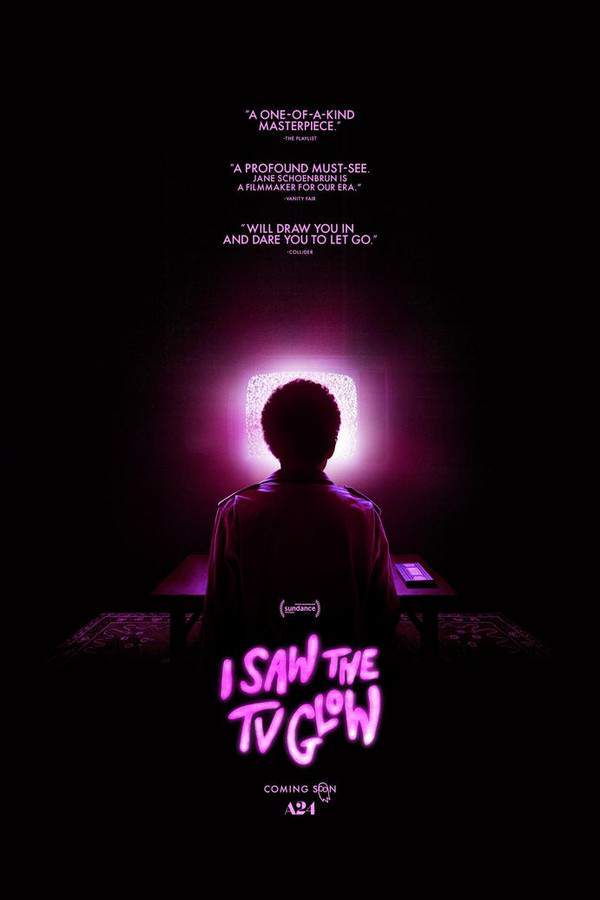
I Saw the TV Glow
2024
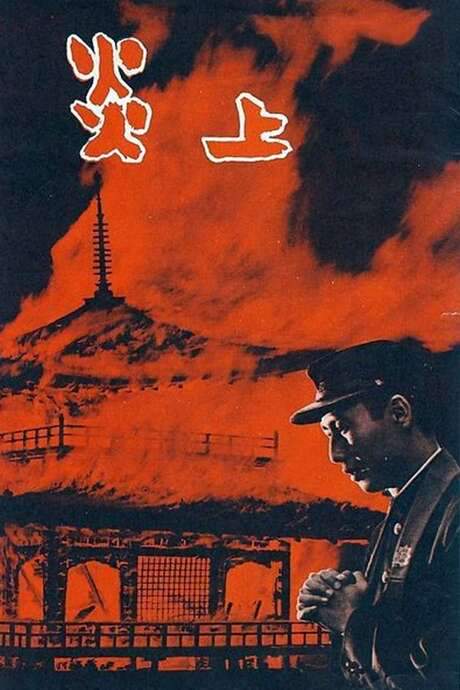
Conflagration
1958

Long Day's Journey Into Night
2019
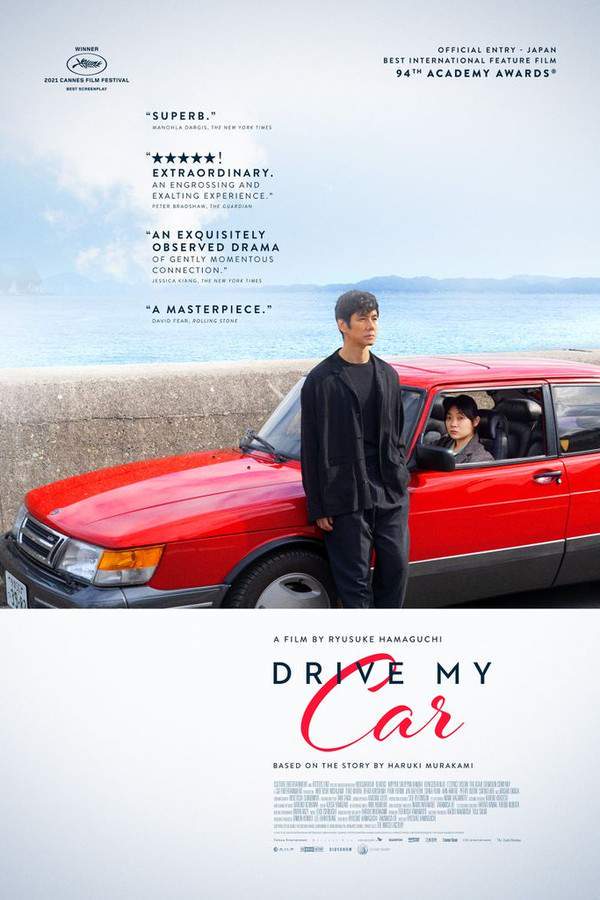
Drive My Car
2021
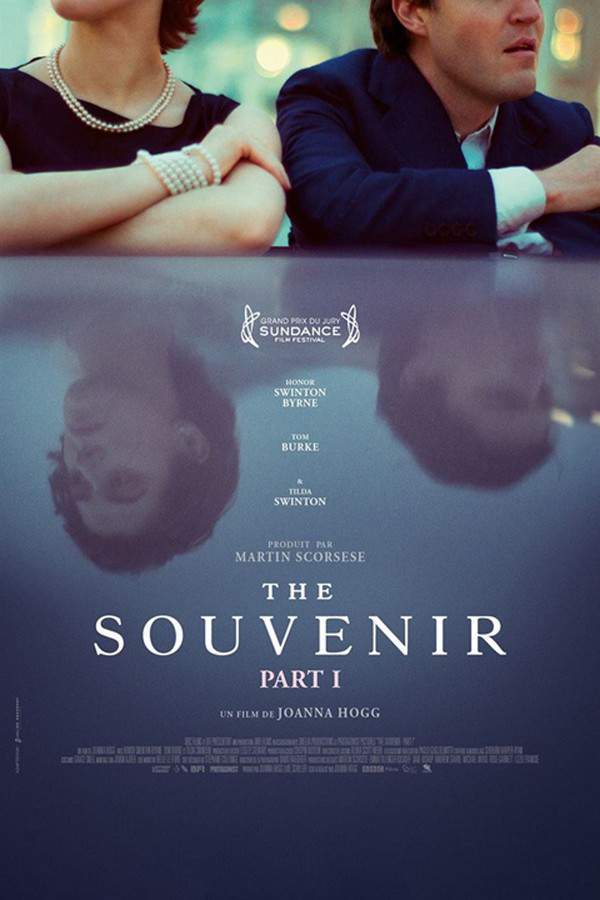
The Souvenir
2019
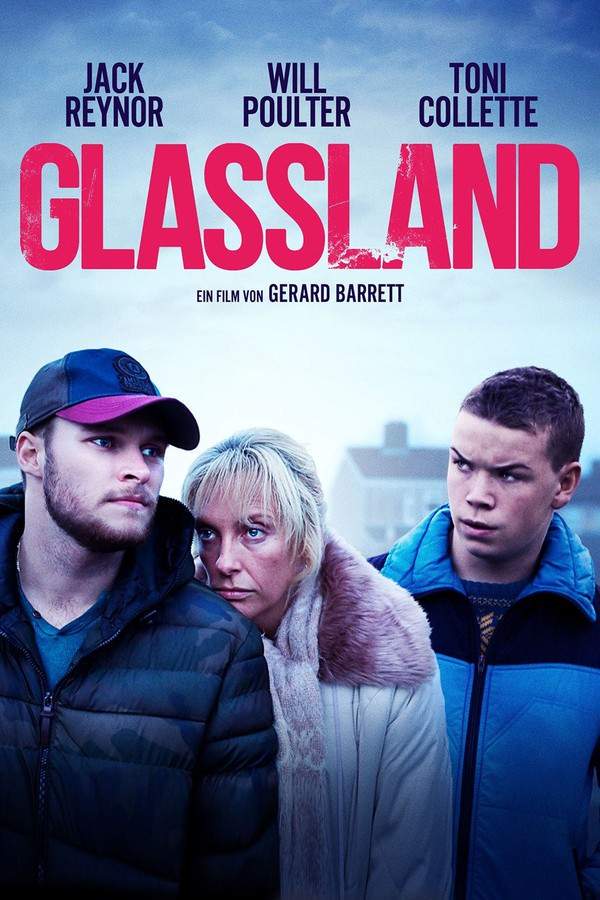
Glassland
2016

The Asthenic Syndrome
1989

The Insatiable Moon
2011
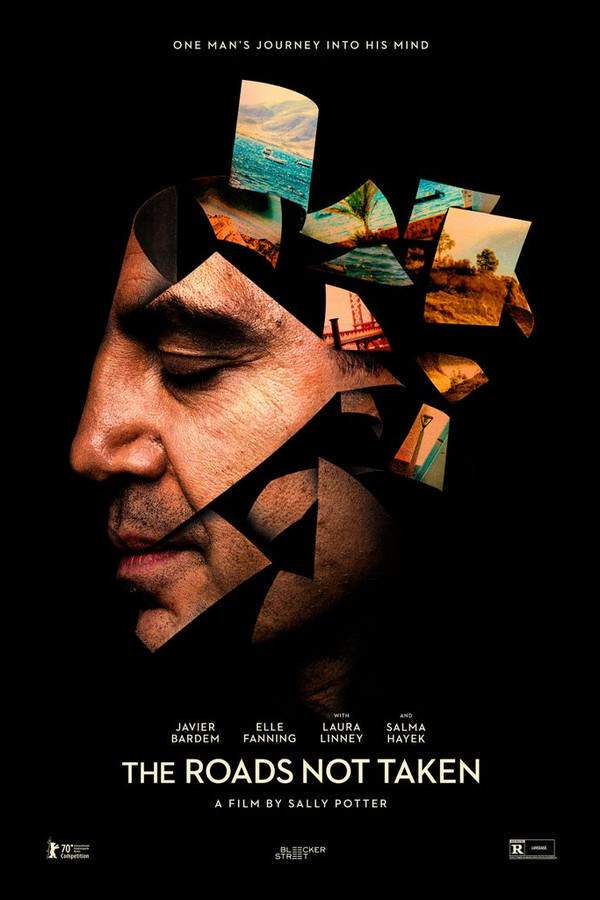
The Roads Not Taken
2020
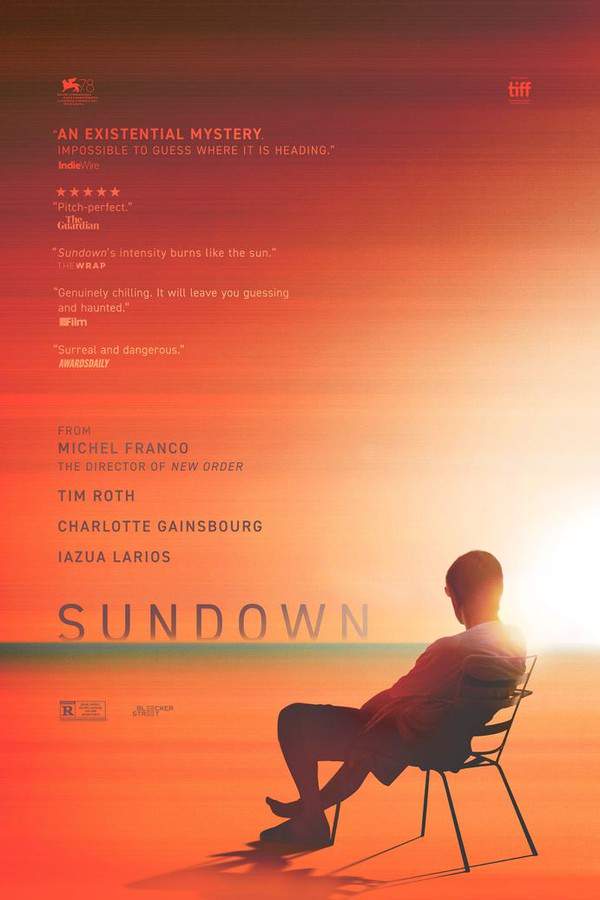
Sundown
2022

Under the Open Sky
2025
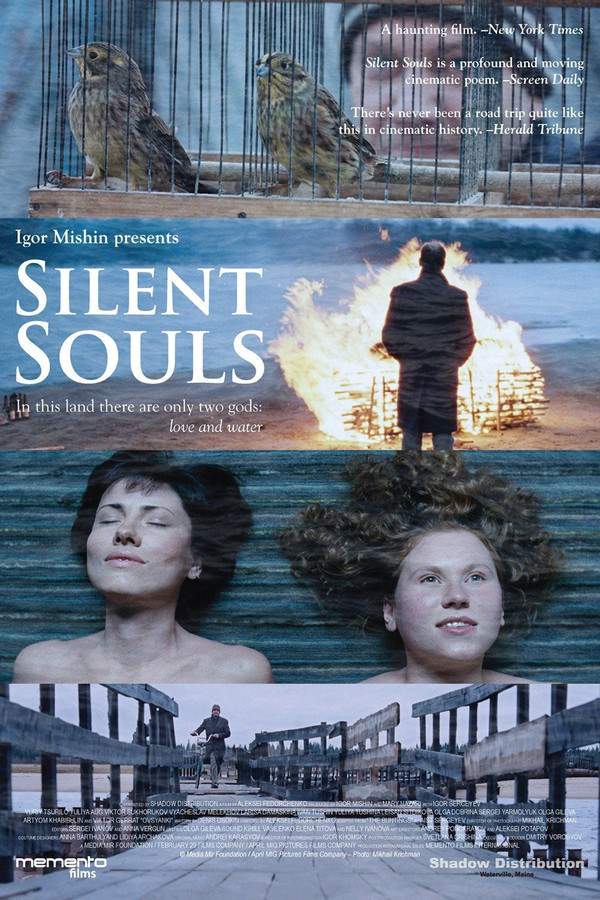
Silent Souls
2011

The Fire Within
1963
Narrative Summary
The narrative follows a protagonist who initiates a professional or personal investigation that becomes an all-consuming obsession. Their initial objectivity dissolves as they form a complicated, often manipulative bond with their subject. The story's tension comes from the protagonist's internal moral conflict and the psychological toll of their fixation, culminating in a personal downfall rather than a simple resolution of the initial mystery.
Why These Movies?
These movies are grouped by their shared focus on a singular, destructive obsession. They feature a similar emotional trajectory: a slow-burning intensity, a melancholic tone, and a heavy emotional weight derived from watching a character compromise their ethics and well-being for a goal that ultimately destroys them.
Slow burn ethical dramas like Capote
Deliberate, character-focused stories where ethical lines are blurred and crossed.If you appreciated the slow, deliberate pacing and heavy ethical questions in Capote, this list features similar movies. These are character-driven stories focused on moral ambiguity, the cost of ambition, and the psychological impact of crossing professional and personal boundaries, often resulting in a somber or bittersweet ending.
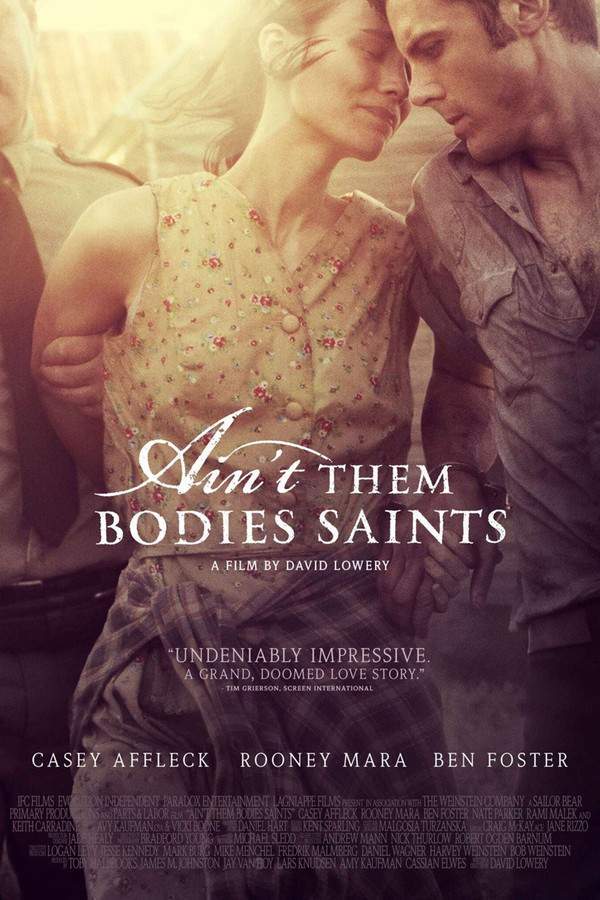
Ain't Them Bodies Saints
2013
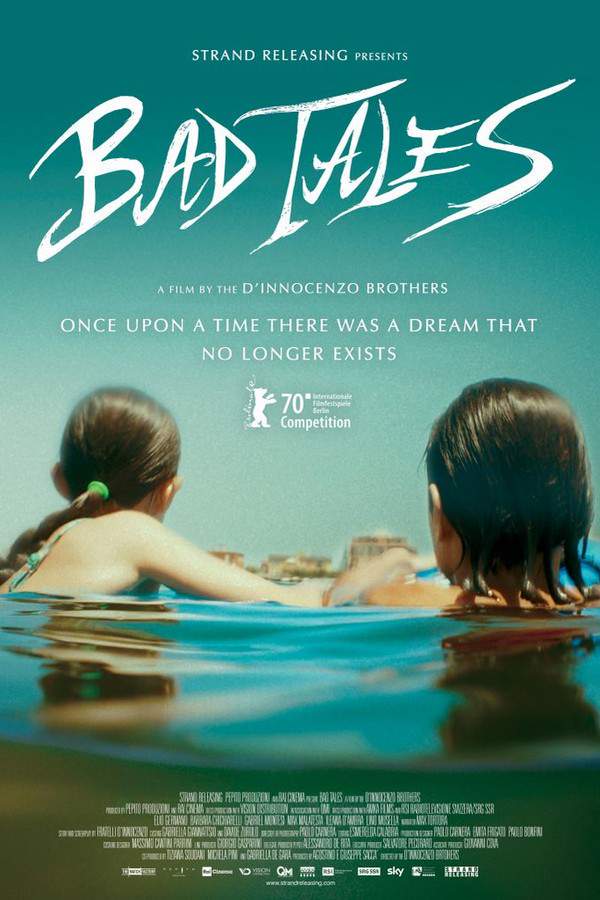
Bad Tales
2021

The Heart of the Matter
1953
Capote
2005
Under the Open Sky
2025
The Souvenir
2019
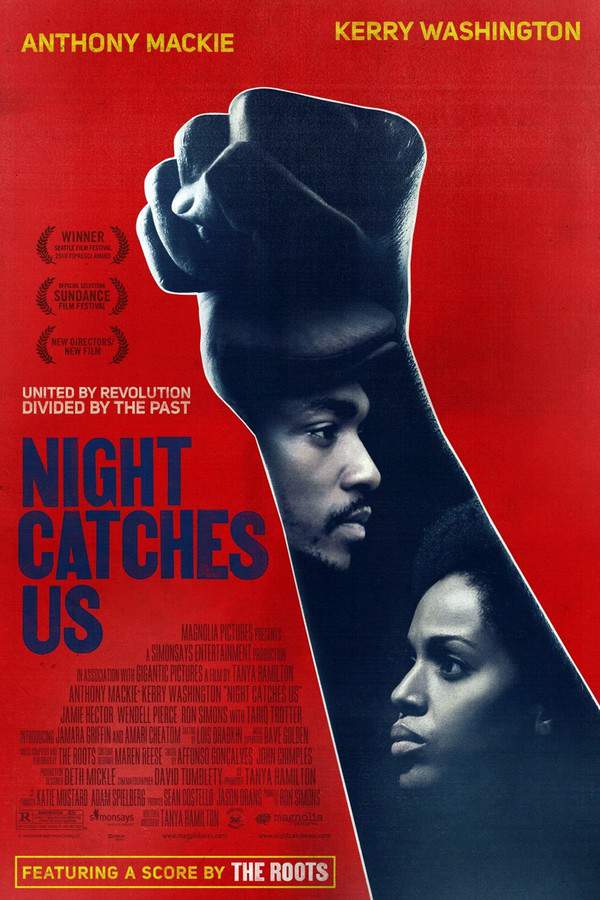
Night Catches Us
2010
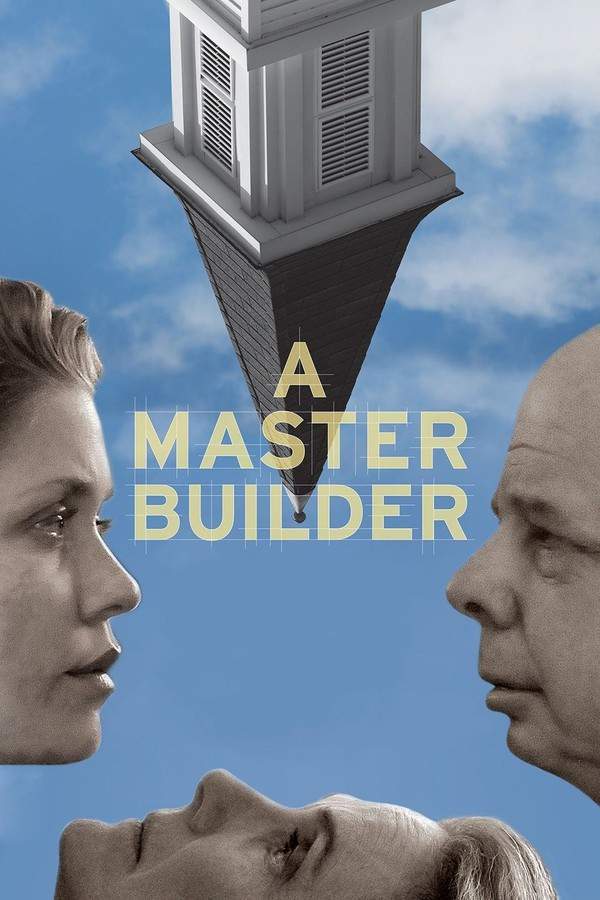
A Master Builder
2014

Contempt
1963

The Ceremony
1971
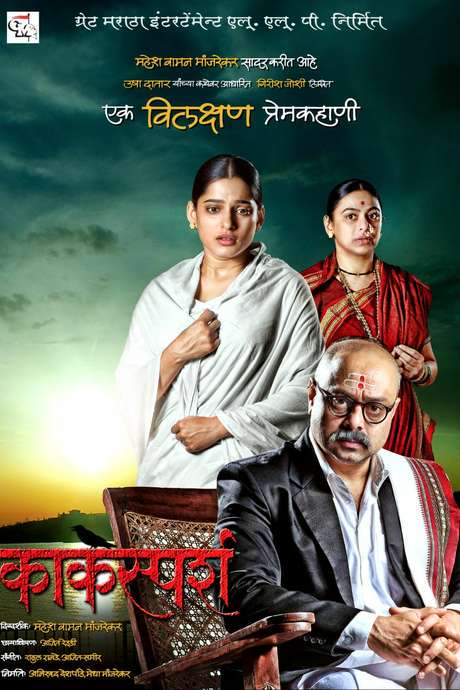
Kaksparsh
2012
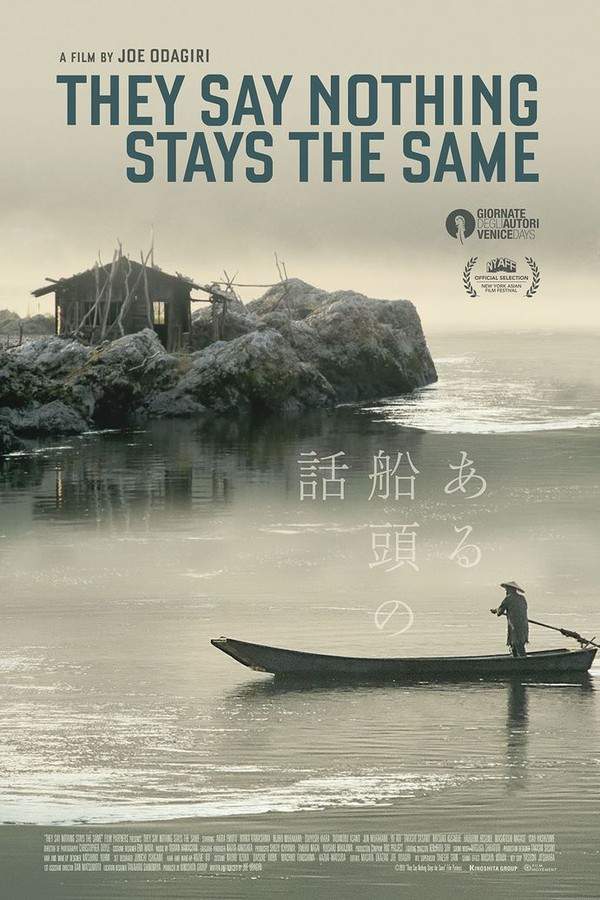
They Say Nothing Stays the Same
2021

Road to Salina
1970
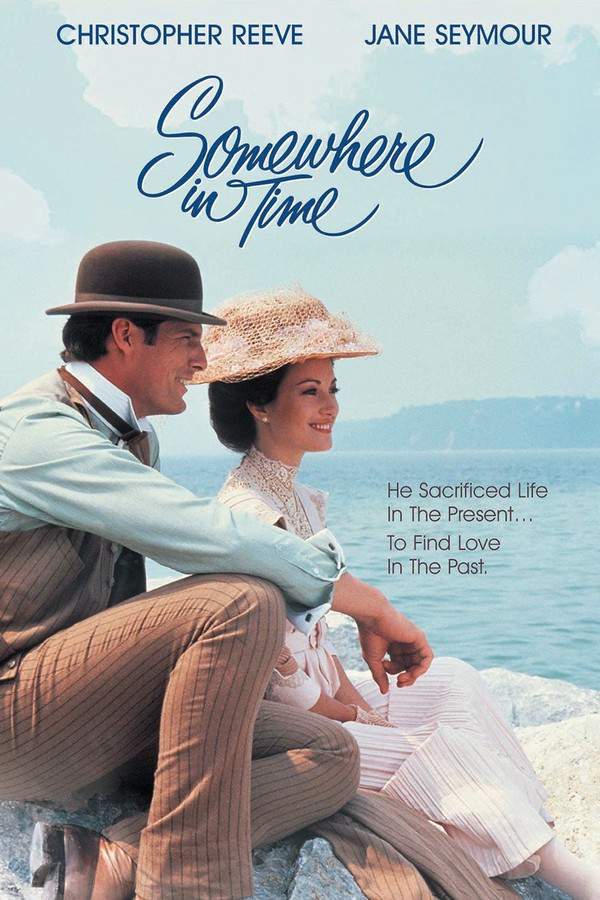
Somewhere in Time
1980
Longford
2006
Narrative Summary
Narratives in this thread unfold gradually, allowing the weight of ethical dilemmas to build. The central conflict is internal and interpersonal, focusing on the tension between ambition, duty, and empathy. The plot is secondary to the character's psychological journey as they navigate gray areas, with the climax often being a moment of profound moral realization or failure rather than a conventional resolution.
Why These Movies?
Movies are grouped here based on a shared combination of slow pacing, high emotional weight, and a central theme of moral ambiguity. They create a similar viewing experience: thoughtful, tense, and emotionally draining, leaving the audience to ponder complex questions about right and wrong long after the film ends.
Unlock the Full Story of Capote
Don't stop at just watching - explore Capote in full detail. From the complete plot summary and scene-by-scene timeline to character breakdowns, thematic analysis, and a deep dive into the ending - every page helps you truly understand what Capote is all about. Plus, discover what's next after the movie.
Capote Summary
Read a complete plot summary of Capote, including all key story points, character arcs, and turning points. This in-depth recap is ideal for understanding the narrative structure or reviewing what happened in the movie.

Capote Timeline
Track the full timeline of Capote with every major event arranged chronologically. Perfect for decoding non-linear storytelling, flashbacks, or parallel narratives with a clear scene-by-scene breakdown.


Similar Movies to Capote
Discover movies like Capote that share similar genres, themes, and storytelling elements. Whether you’re drawn to the atmosphere, character arcs, or plot structure, these curated recommendations will help you explore more films you’ll love.
Blue Caprice
2013

Infamous
2006
True Story
2015
Capone
2020
A Kind of Murder
2016
Kansas
1988

A Place Among the Living
2003
Copkiller
1983

In Cold Blood
1967

Crime, Inc.
1945

Killer: A Journal of Murder
1995

An American Tragedy
1931

In Cold Blood
1000

The Glass House
1972

Kansas City Confidential
1952
Explore More About Movie Capote
Capote (2005) Plot Summary & Movie Recap
Capote (2005) Scene-by-Scene Movie Timeline
Capote (2005) Spoiler-Free Summary & Key Flow
Movies Like Capote – Similar Titles You’ll Enjoy
Blue Caprice (2013) Complete Plot Breakdown
Infamous (2006) Ending Explained & Film Insights
True Story (2015) Complete Plot Breakdown
Capone (2020) Film Overview & Timeline
A Kind of Murder (2016) Movie Recap & Themes
Kansas (1988) Story Summary & Characters
A Place Among the Living (2003) Full Movie Breakdown
Copkiller (1983) Ending Explained & Film Insights
In Cold Blood (1967) Complete Plot Breakdown
Crime, Inc. (1945) Full Movie Breakdown
Killer: A Journal of Murder (1995) Spoiler-Packed Plot Recap
An American Tragedy (1931) Full Summary & Key Details
In Cold Blood (1000) Full Movie Breakdown
The Glass House (1972) Detailed Story Recap
Kansas City Confidential (1952) Film Overview & Timeline