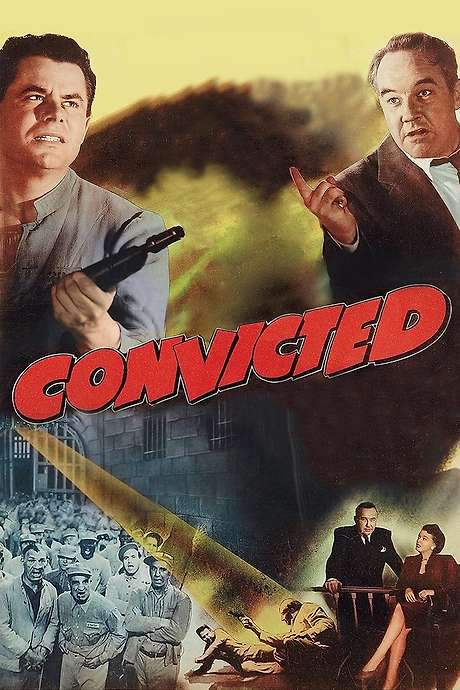
In Chicago in 1932, during Prohibition, the murder of policeman John W. Bundy inside a speakeasy sets off a chain of arrests and convictions. Eddie Dunn portrays Bundy on screen, while Frank Wiecek Richard Conte and another man are swiftly tried and condemned to 99 years for the crime.
Eleven years pass before a new thread pulls at the case. Wiecek’s mother places a classified ad in the city’s paper offering a $5,000 reward for information about the real killers, and city editor Brian Kelly Lee J. Cobb assigns the ambitious reporter P. J. McNeal James Stewart to investigate further. McNeal starts with doubts about Wiecek’s guilt, believing the long-ago verdict may be wrong, but he runs into stubborn resistance from the police and the state's attorney, who are reluctant to admit they might have erred. The pressure doesn’t stop there: politicos at the state capital push to shut down a story that could embarrass the current administration.
As McNeal digs deeper, he writes an article titled Where is Wanda Skutnik. In a bar, he finds Wanda Skutnik Betty Garde, now married, and he confronts her about the earlier testimony. Wanda denies lying in court and becomes defensive when pressed, complicating McNeal’s quest for the truth. The investigation continues to hinge on testimony, press coverage, and the stubborn Sta te apparatus, all seen through McNeal’s skeptical yet determined lens.
The turning point comes with an enlarged photograph that reveals the date of a newspaper, a detail that undermines a crucial witness. This visual clue undermines the credibility of the key testimony and gradually exposes the flaws in the earlier case. As the image is examined and re-examined, Wiecek’s innocence begins to emerge, despite the initial certainty of guilt that surrounded the original trial. The film thus portrays a fight for justice that traverses police pressure, political machinations, and the stubborn pursuit of truth by a determined journalist.
Throughout the narrative, the tension between due process, media scrutiny, and political influence is laid bare, inviting viewers to weigh the cost of upholding a conviction versus the possibility that those in power can be swayed by ambition. The characters’ paths intertwine as the truth slowly illuminates the past, challenging long-held assumptions and offering a measured meditation on the reliability of memory, eyewitness testimony, and the power of new evidence to overturn a seemingly settled case.