Plot Explained Spoilers guaranteed!
Plot Explained

Browse by genre

By Dawn’s Early Light (1990) movie poster

Timeline

By Dawn’s Early Light (1990) Timeline Explained – Every Event in Order

Release, runtime and language
1990 · 101 mins · English
Directed by
Jack Sholder
Starring
Rip Torn, Danielle von Zerneck, Rebecca De Mornay, Darren McGavin, Peter MacNicol, Jeffrey DeMunn

Four strangers have three minutes to make two choices after a Soviet insurgents’ nuclear warhead destroys Donetsk, Ukraine. The blast sparks a frantic race between U.S. and Soviet leaders to avert nuclear holocaust. The president tries to restrain his military, but aides panic; when a helicopter crash seems to kill him, zealous advisers seize power.

On this page (5)
  1. 1 Events in order (15)
  2. 2 Timeline questions answered
  3. 3 Movie threads
  4. 4 Movies like By Dawn’s Early Light
  5. 5 Every angle

15 events in order · contains spoilers

By Dawn’s Early Light Timeline: Events in Chronological Order

Every key event of By Dawn’s Early Light (1990) in order, scene by scene, with when and where it takes place. Use it to untangle flashbacks, time jumps and parallel storylines, to refresh your memory before the sequel or to find the exact scene you are thinking of.

  1. Soviet launch triggers US retaliation

    A dissident faction in the Soviet Union launches a nuclear strike at Donetsk from Turkey, triggering a rapid defense response. Soviet automated defense systems misinterpret the attack as a NATO assault and retaliate with a measured launch of ICBMs toward the United States. The world trembles as the first mobilizations set the stage for full-scale escalation.

    When
    1991, shortly after the initial strike
    Where
    Donetsk, Turkey
  2. SAC commander urges counterattack

    SAC Commander General Renning presses the President to authorize a large-scale counterstrike. The Soviet leader explains the dissidents’ actions and urges a stand-down, but is prepared to accept a US counterstrike with devastating casualties on both sides. The clock ticks as senior leaders weigh the consequences of furious retaliation.

    When
    moments after the first strike
    Where
    SAC Headquarters, Offutt AFB, Nebraska
  3. Second strike and all-out plan

    News of a second Soviet attack coerces a reluctant Presidential decision to authorize a multi-part all-out strike. The plan calls for immediate US ICBMs, followed by SLBMs hours later, and then a wave of bombers over the Soviet Union. The chain of command tightens as the countdown begins.

    When
    shortly after the initial retaliation
    Where
    White House, Washington, D.C.
  4. Alice takes command on Looking Glass

    Renning issues the first-order alarms just before the first wave. Alice, the commander of Looking Glass, takes control of the airborne command platform, coordinating defenses as the crisis widens. The responsibility for the counterstrike shifts to the Looking Glass crew.

    When
    moments before the first wave
    Where
    Looking Glass airborne command plane
  5. Presidential escape and China's miscalculation

    The President departs aboard Marine One and learns the second Soviet attack was directed at China. He attempts to cancel the retaliatory plan, but a nearby nuclear detonation forces down his helicopter. The crisis deepens as the leaders wrestle with a plan that could annihilate nations.

    When
    early in the crisis
    Where
    Marine One, en route to safety
  6. Polar Bear 1 takes off

    A B-52 bomber, Polar Bear 1, lifts off from Fairchild Air Force Base with Major Cassidy and Captain Moreau at the controls. A nuclear flash partially blinds Moreau and a crewman is killed by the shock wave, yet the mission presses on toward Russia. The crew steels themselves for a dangerous overflight.

    When
    shortly after the first strike
    Where
    Fairchild Air Force Base, Washington
  7. Harpoon and Condor assume control

    Admiral Harpoon commands Nightwatch, the presidential flying command platform, as Condor is sworn in as President. Harpoon briefs Condor on the evolving threats and argues for continuing the attack, while the Looking Glass crew remains a key yet conflicted link in the chain of command.

    When
    after the first strike
    Where
    Nightwatch operations center
  8. Cassidy and Moreau urge abort

    Cassidy and Moreau react emotionally to the orders and persuade their crew to abort the mission. The reality of civilian casualties weighs heavily, and the crew becomes a focal point for the ethical tension wilding through the chain of command. Their resistance to escalation marks a human counterpoint to strategic plans.

    When
    mid-crisis
    Where
    Polar Bear 1, en route to Russia
  9. Tyler's suicide during the mission

    Crewman Tyler, devastated by the loss of his family at Fairchild, commits suicide by ejecting without a parachute, destroying the crew except for the two pilots. The tragedy underscores the mental strain and moral weight borne by those on the front lines of annihilation.

    When
    during the mission
    Where
    Polar Bear 1, aboard B-52
  10. Presidential crisis and stand-off talks

    The President is found badly injured at the crash site and taken to a FEMA shelter. He negotiates a one-hour stand-off with the Soviet leader, while Nightwatch and Looking Glass provide real-time updates. A tense pause hangs over the possibility of de-escalation.

    When
    following Marine One crash
    Where
    FEMA shelter near Washington, D.C.
  11. Looking Glass detects retreat signals

    Looking Glass notices Polar Bear 1 having abandoned its attack and a Soviet squadron turning back. Alice seeks to recall the rest of the U.S. bombers to orchestrate a ceasefire. The data points toward a potential path to de-escalation if recalled in time.

    When
    shortly after
    Where
    Looking Glass airborne
  12. Condor pushes ahead, Fargo explains limits

    Condor orders Nightwatch to send fighters to shoot down Polar Bear 1, while Alice hesitates for authority. Fargo informs Condor that the authority to issue recalls lies with Nightwatch, highlighting a critical bottleneck in command.

    When
    before final decisions
    Where
    Nightwatch operations center
  13. Carrier interception and torpedo strike

    Two Navy fighters attempt to intercept Polar Bear 1, but their carrier is sunk by a Soviet nuclear torpedo. The attack is halted, with the crews forced to acknowledge an ominous turn of events in the Pacific.

    When
    climax of the crisis
    Where
    Pacific Ocean vicinity
  14. Ram and stand-down

    The President finally connects with Condor and orders a stand-down. Alice and Looking Glass decide to ram their plane into Nightwatch to stop launch orders, sacrificing themselves to prevent further catastrophe. The dramatic act buys time for a ceasefire and de-escalation.

    When
    closing stage
    Where
    Airspace around Looking Glass and Nightwatch
  15. Stand-down and a fragile future

    With the Ram thwarted and orders halted, Cassidy and Moreau fly toward the sunrise, realizing their fuel will not last to reach land. They sense a fragile future for humanity and report that the world has a chance to survive this crisis. The crisis ends with a cautious hope emerging from near annihilation.

    When
    final scene
    Where
    Over the Pacific Ocean, approaching sunrise

Last updated: November 22, 2025 at 16:00

Was this helpful?

Timeline questions answered

By Dawn’s Early Light Timeline Explained: Your Questions Answered

When does it happen, and why in that order? The questions people ask about the chronology of By Dawn’s Early Light (1990): time jumps, flashbacks, cause and effect between scenes and the correct order of events, each answered with spoilers.

Q1

Why does the Soviet Union launch missiles at the United States?

The Soviet automated defense systems misinterpret a nuclear strike launched by Soviet dissidents from Turkey as a NATO attack. The dissidents fire at Donetsk, Ukraine, and the Soviet defensive systems retaliate against what they perceive as a NATO strike, launching ICBMs toward the United States.

Foreshadowing: Early tension is established through the fragile political situation between the US and Soviet Union.

  • Soviet missiles
  • ICBMs
  • Donetsk
  • nuclear strike
  • automated defense
  • nato
Q2

Why does the President authorize a full nuclear counterattack?

After a second Soviet attack (which is later revealed to be aimed at China), the President reluctantly authorizes a multi-part assault including ICBMs, submarine-launched missiles, and B-52 bombers. He acts under extreme pressure from military commanders and the belief that a second strike is imminent, though he seeks any diplomatic solution first.

Foreshadowing: The President initially tries to work with the Soviet leader to stand down.

  • President
  • counterattack
  • ICBM
  • submarine missiles
  • bombers
  • military orders
Q3

Who becomes President after the helicopter crash?

After Marine One is forced down by a nuclear detonation and the President is severely injured, Vice President Condor is sworn in as President. Condor takes a hawkish stance and orders continued attacks even after opportunities for de-escalation emerge.

Foreshadowing: The chain of command succession is established early in the crisis.

  • Condor
  • President
  • Vice President
  • succession
  • helicopter crash
  • FEMA shelter
Q4

Why does Tyler eject without a parachute?

Tyler, a crewman aboard Polar Bear 1, is devastated by the loss of his family at Fairchild Air Force Base during the nuclear attacks. Overwhelmed by grief and the psychological burden of carrying out an apocalyptic mission, he commits suicide by ejecting without a parachute.

Foreshadowing: The human cost of nuclear war is shown through personal losses throughout the film.

  • Tyler
  • suicide
  • eject
  • Polar Bear 1
  • crew
  • family loss
  • emotional breakdown
Q5

Why does Looking Glass ram Nightwatch?

When Condor orders Nightwatch to transmit submarine launch orders despite the President ordering a stand-down, Alice and the Looking Glass crew deliberately ram their aircraft into Nightwatch to destroy the communications equipment and prevent the launch orders from being broadcast. They sacrifice themselves to halt the escalation.

Foreshadowing: The tension between Looking Glass and Nightwatch builds as the chain of command fractures.

  • Looking Glass
  • Nightwatch
  • ram
  • communications
  • Alice
  • James Earl Jones
  • sacrifice
Q6

What prevents the submarine launch from completing?

The Looking Glass crew's ram of Nightwatch destroys the communication equipment needed to transmit the submarine launch orders. Combined with the President finally reaching Condor directly to order a stand-down, this halts the submarine strike before it can be executed.

Foreshadowing: Alice seeks authority throughout the crisis to recall the bombers and stop the attack.

  • submarine
  • launch orders
  • Nightwatch
  • stand-down
  • communications
  • attack halted
Q7

Why does Polar Bear 1 turn back from its attack?

Polar Bear 1, the B-52 bomber, abandons its attack run after Looking Glass detects that Soviet forces are also pulling back. The crew, led by Major Cassidy and Captain Moreau, decides to heed what appears to be a de-escalation signal, though Condor initially orders fighters to shoot them down.

Foreshadowing: The potential for mutual de-escalation is hinted at when Soviet forces are observed retreating.

  • Polar Bear 1
  • B-52
  • Cassidy
  • Moreau
  • retreat
  • de-escalation
  • bomber recall
Q8

How does the President ultimately stop the nuclear attack?

After being evacuated to a FEMA shelter following the Marine One crash, the President negotiates a one-hour stand-off with the Soviet leader. He then directly contacts Condor to order a stand-down, and the Looking Glass crew's sacrifice prevents the final launch orders from reaching the submarines.

Foreshadowing: The President works throughout the crisis to find diplomatic solutions.

  • President
  • stand-down
  • FEMA shelter
  • negotiate
  • Condor
  • recall
  • bombers
Q9

What is the Looking Glass airborne command post?

Looking Glass is the Air Force's flying command post, codenamed Look-Back-in-the-Sky, responsible for coordinating nuclear forces if ground-based command centers are destroyed. Piloted by Alice (James Earl Jones), it becomes the critical link in the chain of command during the crisis.

Foreshadowing: Alice takes command on Looking Glass as the SAC commander pushes for counterattack.

  • Looking Glass
  • airborne command
  • Alice
  • James Earl Jones
  • SAC
  • command post
  • Pacific
Q10

Why does the Soviet squadron retreat?

Looking Glass detects a Soviet squadron turning back, suggesting that Soviet leadership is also seeking de-escalation. This mutual withdrawal creates a window for peace if the US bombers can be recalled in time, though Condor initially refuses to accept this signal.

Foreshadowing: The Soviet leader explains the dissidents' actions and offers chances for stand-down throughout the crisis.

  • Soviet squadron
  • retreat
  • de-escalation
  • Looking Glass
  • attack stopped
  • ceasefire
Q11

Why does the President go to a FEMA shelter?

After Marine One is forced down by a nearby nuclear detonation, the President is badly injured and evacuated to a FEMA shelter near Washington D.C. From there, he continues to command the crisis and negotiate with Soviet leadership while the military chain of command fragments.

Foreshadowing: The Presidential escape early in the crisis establishes the fractured command structure.

  • President
  • FEMA shelter
  • Marine One
  • crash
  • injured
  • Washington
  • command
Q12

Why does Condor push for continued attack even after peace signals appear?

Condor, now sworn in as President, takes a hardline hawkish stance and overrules any attempts at de-escalation. He orders Nightwatch to continue the attack and even commands fighters to shoot down the retreating Polar Bear 1, prioritizing retaliation over diplomatic solutions despite the President's direct orders to stand down.

Foreshadowing: Colonel Fargo lobbies for a relentless approach that could push the world over the edge.

  • Condor
  • hawkish
  • attack
  • stand-down
  • Fargo
  • Nightwatch
  • military
  • retaliation

Movie threads

More Movies Like By Dawn’s Early Light, by Mood & Story

Curated lists built around what makes By Dawn’s Early Light tick: the same mood, the same kind of story or the same emotional payoff. Each list explains why these movies belong together.

Movies like By Dawn’s Early Light: Nuclear Brinkmanship Thrillers

High-stakes political crises where the fate of the world hangs in the balance. If you liked the tense, high-stakes political maneuvering in By Dawn’s Early Light, you'll find similar suspense in these movies. This thread features thrillers about global crises, military protocols, and the desperate efforts to avert disaster, capturing a similar feel of urgent, world-ending dread.

  • tense
  • urgent
  • paranoid
  • claustrophobic
  • anxious
  • grim
  • Tone: tense, grim, paranoid
  • Pacing: fast, urgent
Why these movies?

The story pattern: Stories in this thread typically follow multiple factions—political leaders, military commanders, and often a lone dissenter—as a single catastrophic event triggers a chain reaction of protocol, panic, and power struggles. The narrative is driven by escalating tension and impossible choices made under extreme pressure, with survival often coming at a devastating cost.

Why they belong together: These films are grouped by their shared core experience: creating sustained, high-intensity anxiety through political and military brinkmanship. They share a fast pace, a tense and grim tone, and explore themes of chain of command, mutual assured destruction, and the heavy psychological weight of decisions that affect millions.

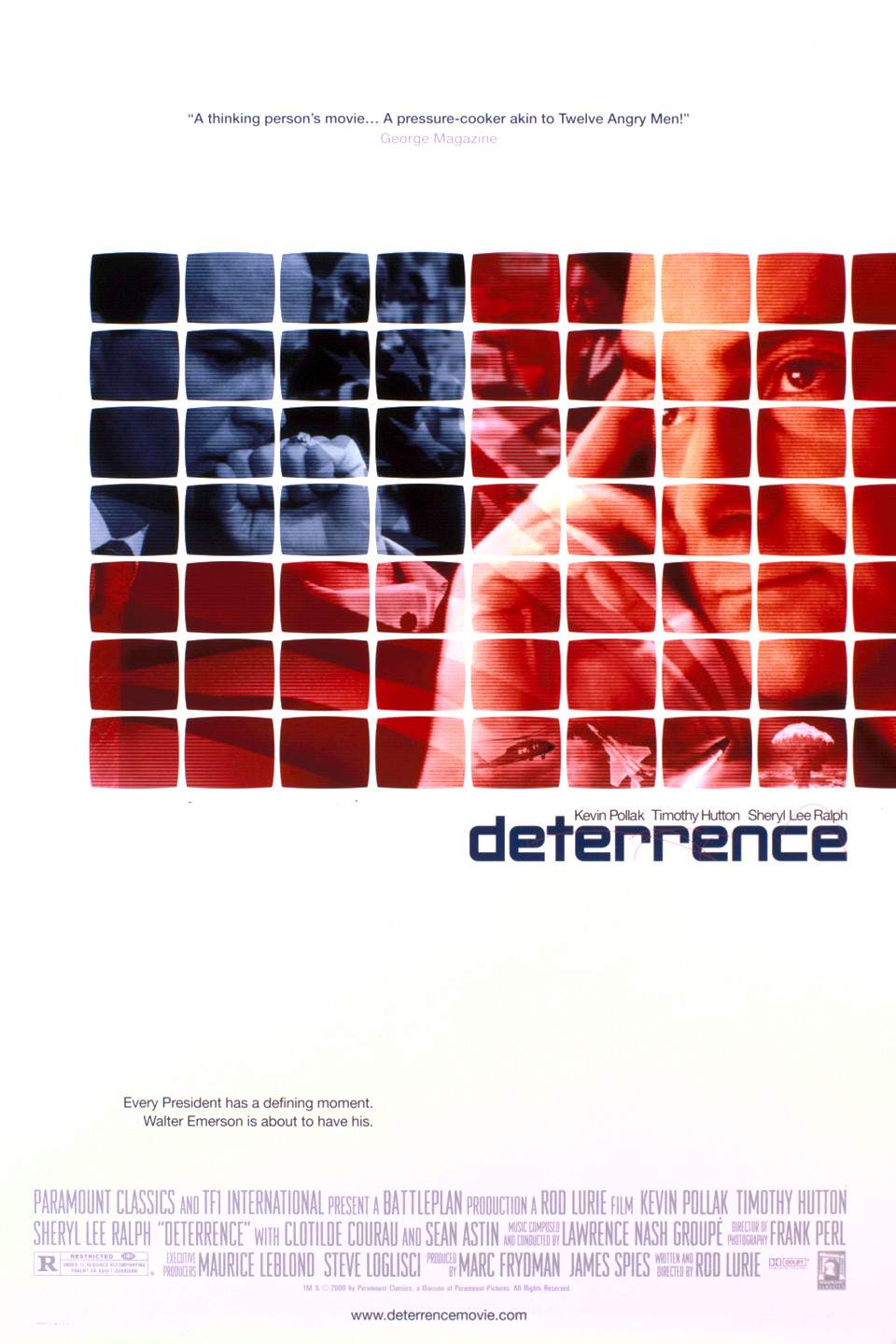
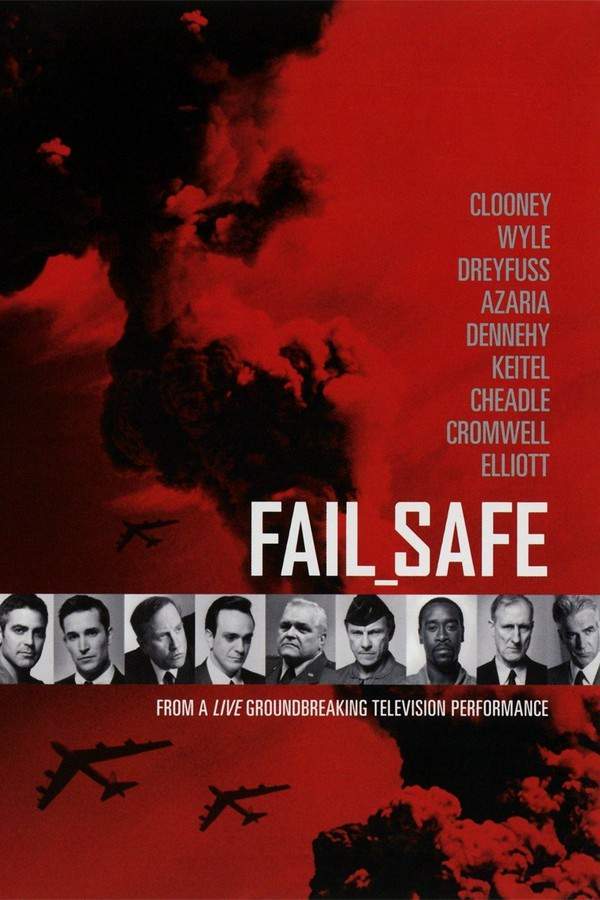
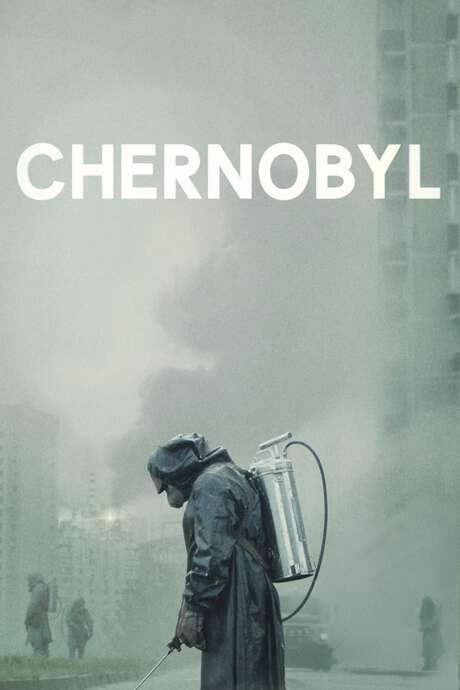
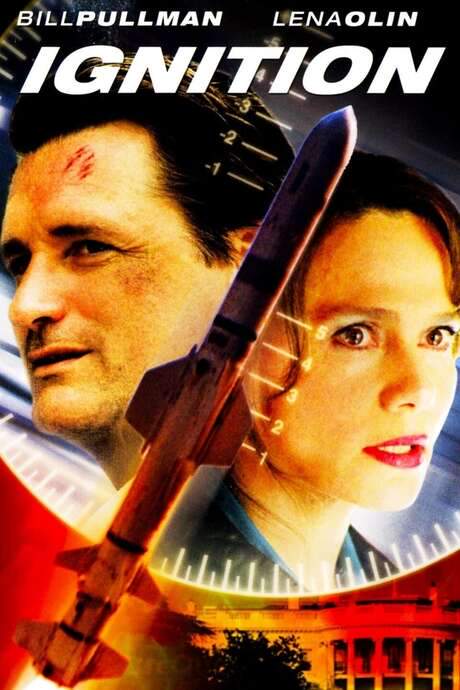
Movies with Institutional Chaos like in By Dawn’s Early Light

Stories where systems of power break down under extreme pressure. For viewers who enjoyed the theme of a fractured chain of command in By Dawn’s Early Light, this thread collects movies where systems break down. Discover similar stories about political maneuvering, zealous aides, and the chaos that erupts when protocols fail, all capturing a desperate, high-pressure vibe.

  • paranoid
  • claustrophobic
  • tense
  • desperate
  • anxious
  • grim
  • Tone: tense, dark, paranoid
  • Pacing: fast, frantic
Why these movies?

The story pattern: The narrative pattern involves a central authority figure (like a president) who becomes isolated or incapacitated, allowing subordinate factions with conflicting agendas to vie for control. The conflict arises from within the institution itself, creating a claustrophobic battle of wills where the enemy is not just an external threat, but also the breakdown of trust and procedure.

Why they belong together: These movies are united by their focus on the internal dynamics of power structures under duress. They share a tense, paranoid mood and often a fast pace, driven by coups, betrayals, and the desperate attempts of principled characters to restore order from within a collapsing system.

If you liked this

Movies Like By Dawn’s Early Light

Similar movies to By Dawn’s Early Light: the same genre, themes or kind of story. Each one comes with its own plot summary, timeline and ending explained.

Browse all movie summaries

Every angle

By Dawn’s Early Light (1990) Explained: Plot, Timeline & Characters

Everything about By Dawn’s Early Light in one place: what happens in the plot summary, the timeline in chronological order, the characters and meaning and a spoiler-free summary. What's After the Movie adds the cast, box office and post-credit scenes.

Coming soon on iOS and Android

The Plot Explained Movie Summary App

Plot summaries, endings explained and timelines on your phone. Catch up on any movie in minutes, save your favorites and never miss a twist again.

Be the first to know when we launch. Your email stays private, always.

Learn more about the app