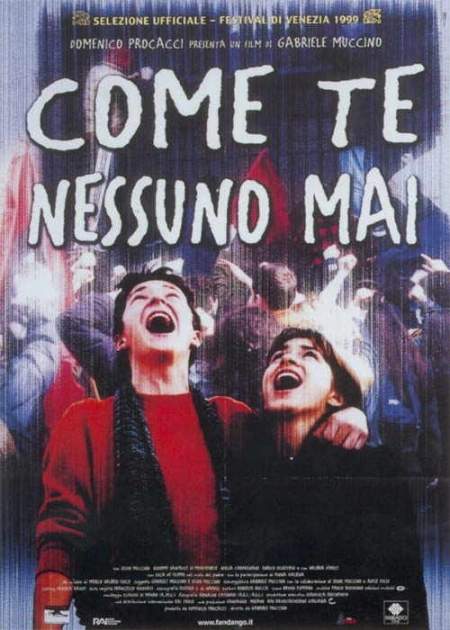
Year: 1999
Runtime: 84 mins
Language: Italian
Director: Gabriele Muccino
Set against a revolutionary backdrop in Rome, a high school is occupied as teenage lives collide. Silvio, like his friends eager to lose his virginity, attempts to pursue a girl who is already his friend’s girlfriend, oblivious that her best friend secretly loves him. Meanwhile, his parents—former 60s activists—scorn the youths’ aimless political zeal.
Warning: spoilers below!
Haven’t seen But Forever in My Mind yet? This summary contains major spoilers. Bookmark the page, watch the movie, and come back for the full breakdown. If you're ready, scroll on and relive the story!
Read the complete plot breakdown of But Forever in My Mind (1999), including all key story events, major twists, and the ending explained in detail. Discover what really happened, and what it all means.
The film follows Silvio, Silvio Muccino, a young Italian teen navigating the tides of sexual awakening amid a charged political moment among his peers. He moves within a tight circle that includes his best friend Ponzi, Giuseppe Sanfelice, and a broader group of classmates whose daily lives at school become a rallying ground for competing ideas and loyalties. When the school faces privatization, the students debate how to respond, and the most radical voices begin to steer the mood toward action: the decision is made to occupy the school as a stand against the threat.
That night, the group splits into spaces for girls and boys, the air thick with smoke, curiosity, and the first hints of adult questions. Martino, Simone Pagani, boasts aloud about his sexual stamina—“ten minutes,” he claims—while the girls trade quick, candid gossip about moments of intimacy. The atmosphere is a blend of bravado, longing, and a raw honesty that marks the edge of their youth.
The following morning, Ponzi arrives to fetch Silvio and drops the news that the school has already been shut down and that an invasion by the students is imminent. When they reach the school, Silvio becomes one of the first inside, slipping through a back door as the others flood in. In the corridors, he crosses paths with Martino’s girlfriend—an old flame who will become the center of growing tension—as they share a charged moment that parties with rumor and memory. Silvio’s later confession to Ponzi about this encounter fuels a rumour that spirals through their circle: what began as a whispered curiosity edges toward betrayal as the tale echoes through the group.
Back at home, Silvio confronts a tense, unresolved dialogue with his father, a moment that lays bare the friction between generations—the old world of expectations clashing with new impulses and questions about duty, loyalty, and love. The emotional heat from the dinner table lingers as he returns to the school, where the occupation deepens and the atmosphere shifts to a mix of danger and exhilaration. The climate of activism is overlaid with a troubling theatre of power, as images of past protests and revolutionary symbols frame the present conflict.
Claudia, Giulia Louise Steigerwalt, begins to step fully into the story as a pivotal voice. Over months, she realizes she is in love with Silvio. A friend nudges her to tell him the truth, and she works up the courage to call, only to learn that Silvio’s feelings seem directed toward another girl. The moment becomes a complex negotiation of desire and honesty, and when she finally suggests they hang out to talk, the door to something more honest begins to swing open. Meanwhile, Martino, who has learned of the gossip, drives to Silvio’s house and confronts him with anger and jealousy, escalating the tension between the friends.
When the police arrive to quell the occupation, the students resist with stubborn energy—eggs hurled at officers, chants filling the air, and a surge of adrenaline that leaves many of the younger militants facing arrest. Silvio and Claudia slip away from the chaos, and Claudia opens up about loving him for a long time. She walks him home, where the mood of the night hangs heavy, and she retreats to sleep with dreams unsettled by the revelations of the day. For Silvio, the boundaries between friendship, desire, and responsibility begin to blur in new and uneasy ways.
The story returns to the school’s smoky rooms and the rooftop where the tension between secrecy and longing finally erupts. Silvio and Claudia’s relationship deepens as she confesses her love openly, and they share a kiss that turns into something more intimate under the open sky. The moment is both exhilarating and risky, a bold act of youth in the face of adults’ disapproval. Afterward, Silvio rushes to Ponzi to tell him about what happened, and Ponzi vows to keep the secret, even as the weight of what has occurred settles on their shoulders. The chatter of the group—mixed with bravado and fear—lingers as they walk away from the night that changed everything.
In the end, the film lingers on the complexity of growing up in a time of political upheaval: a circle of friends pushed to test loyalty, truth, and love, learning that trust and courage often arrive in imperfect moments. The final images capture the quiet aftermath of a night of risk, where newfound love and hard realities coexist, and where each young person must decide what to reveal, what to protect, and how to carry the lessons of their experiences into whatever comes next.
Last updated: October 09, 2025 at 10:46
Explore frequently asked questions about But Forever in My Mind (1999) with spoiler-rich answers covering the full plot summary, major story beats, character motivations, hidden details, and ending meaning. This movie summary FAQ helps explain confusing scenes, plot twists, and narrative decisions in clear, searchable detail.
While rummaging through the school archives during the occupation, Silvio discovers that Martino has been bragging about his sexual exploits with his girlfriend, calling the encounter brief. When Silvio shares this information, the girlfriend learns of Martino's boast and becomes furious with him. In the charged atmosphere of the occupation, Silvio and she share a kiss, driven by a mix of rebellion, curiosity, and the adrenaline of the moment.
Earlier, the boys and girls had separate conversations about sexual experiences, establishing that rumors and reputation matter greatly among the group.
Martino learns that rumors about Silvio kissing his girlfriend have spread through their circle of friends. Overcome with jealousy and feeling betrayed, Martino storms to Silvio's house to confront him directly. The confrontation escalates into violence when Martino punches Silvio, combining personal betrayal with the heightened emotions of the ongoing occupation.
The tension between friends was established earlier when Martino boasted about his sexual achievements, setting the stage for his explosive reaction to perceived infidelity.
Claudia realizes she has been in love with Silvio for six months but struggles with the vulnerability that confessing requires. A friend eventually convinces her to act on her feelings, prompting her to call Silvio. When she finally reaches him, she learns he seems interested in another girl, which complicates her confession and forces her to navigate the delicate terrain of revealing long-hidden emotions.
Throughout the early narrative, Claudia is present in Silvio's circle but never explicitly acts on her feelings, hinting at her unspoken devotion.
The school faces privatization by authorities, which threatens their education and future. The most politically engaged students rally their peers, arguing that taking direct action is necessary to resist the threat. The decision to occupy represents both a genuine political stance and a rite of passage for the teenagers testing their agency against institutional authority.
The film's opening establishes the privatization threat as the catalyst that brings the friend group together into organized action.
Silvio returns home during the occupation and confronts his father at dinner, exposing the generational divide between them. Silvio's parents are former 60s activists who now hold conventional expectations for their son, creating friction when Silvio engages in what they view as aimless political zeal. The argument reflects the broader theme of clashing values between parents who once protested and children now finding their own causes.
The meta notes explicitly identify generational conflict as a central theme, and Silvio's father's disapproval is established early as a source of tension.
Authorities send police to forcefully remove the students occupying the school. The students respond by throwing eggs at officers and chanting protests, escalating the confrontation. The police respond with force, beating some protesters and arresting numerous students, including Martino and Ponzi, while Silvio and Claudia escape in the chaos.
The occupation was always framed as a direct challenge to authority, making violent confrontation inevitable.
After the chaos of the police confrontation and the emotional fallout from the rumors, Silvio goes to Claudia's home. She invites him in, and they share a kiss that leads them to the rooftop. There, Claudia asks if they should make love, and Silvio agrees. Their connection represents both genuine affection and a turning point for Silvio, marking his transition from chasing rumors to embracing someone who truly loves him.
Claudia's earlier realization of her six-month love for Silvio and her nervous phone call established the groundwork for this intimate moment.
After spending the night with Claudia on the rooftop, Silvio rushes to tell Ponzi that he is no longer a virgin. Despite the tensions and rumors that have strained their friend group, Ponzi swears to keep the secret, demonstrating loyalty that endures even through the conflicts and betrayals that characterized the occupation.
Ponzi has been Silvio's closest friend throughout, often acting as his confidant and partner in navigating the chaos of the occupation.
The film concludes with Silvio and his friends walking away after the night of the occupation, carrying the weight of new romances, political passions, and uncertain futures. Many friends have been arrested, relationships have shifted, and the characters must now face what comes next without the unifying cause of the protest. The ending reflects the reality of growing up, new beginnings coexist with hard truths, and not everything is neatly resolved.
The meta notes identify the ending as deliberately bittersweet, capturing the uncertain transition from youth to adulthood.
When Silvio shares the story of his encounter with Martino's girlfriend in the archives, the rumor spreads rapidly through their social circle. The accusation that Silvio betrayed his friend with his girlfriend triggers jealousy and outrage, particularly from Martino. The tension is amplified by the already charged atmosphere of the occupation, where emotions run high and loyalties are tested under the pressure of both political and personal stakes.
The earlier scene where boys and girls trade stories about intimacy establishes how reputation and gossip function within their group.
Discover curated groups of movies connected by mood, themes, and story style. Browse collections built around emotion, atmosphere, and narrative focus to easily find films that match what you feel like watching right now.
Adolescent lives collide with political rebellion, amplifying personal anxieties.Find films similar to But Forever in My Mind that blend the raw energy of teenage life with the tense backdrop of political rebellion. If you liked the mix of adolescent longing and social conflict, explore these coming-of-age stories set against a world in flux.
These narratives typically follow a group of teenagers whose personal journeys of sexual awakening, friendship, and identity formation are set against a larger political conflict. The plot intertwines intimate character moments with public acts of defiance, showing how the personal is political and vice versa, often leading to a loss of innocence.
They are grouped by their shared atmosphere of youthful rebellion, both personal and political. They share a tense, charged mood, moderate emotional weight, and a focus on the raw, often awkward, experiences of adolescence amplified by a world that feels just as unstable as their emotions.
Awkward teenage romance unfolds amidst complicated friendships and social pressures.Discover stories similar to But Forever in My Mind that explore the tangled web of teenage relationships. If you enjoyed the film's portrayal of secret crushes, friendship tension, and bittersweet romantic awakenings, this collection captures that specific blend of anxious longing and emotional growth.
The narrative pattern involves a protagonist, often oblivious, pursuing one romantic interest while being secretly admired by another. This creates a triangle of unrequited or complicated feelings set within a close-knit social group. The journey is marked by awkward attempts, misunderstandings, and the painful, yet formative, lessons of love, culminating in an ending that is more reflective than purely happy.
These films share a core focus on the specific emotional mix of adolescent sexual awakening: high romance tension, medium sadness, and a bittersweet resolution. They prioritize the raw, anxious mood of teenage relationships and the variable pacing that balances quiet moments of longing with the drama of social interplay.
Don't stop at just watching - explore But Forever in My Mind in full detail. From the complete plot summary and scene-by-scene timeline to character breakdowns, thematic analysis, and a deep dive into the ending - every page helps you truly understand what But Forever in My Mind is all about. Plus, discover what's next after the movie.
Track the full timeline of But Forever in My Mind with every major event arranged chronologically. Perfect for decoding non-linear storytelling, flashbacks, or parallel narratives with a clear scene-by-scene breakdown.
Discover the characters, locations, and core themes that shape But Forever in My Mind. Get insights into symbolic elements, setting significance, and deeper narrative meaning - ideal for thematic analysis and movie breakdowns.
Discover movies like But Forever in My Mind that share similar genres, themes, and storytelling elements. Whether you’re drawn to the atmosphere, character arcs, or plot structure, these curated recommendations will help you explore more films you’ll love.
But Forever in My Mind (1999) Scene-by-Scene Movie Timeline
But Forever in My Mind (1999) Movie Characters, Themes & Settings
But Forever in My Mind (1999) Spoiler-Free Summary & Key Flow
Movies Like But Forever in My Mind – Similar Titles You’ll Enjoy
Come te nessuno mai (2000) Spoiler-Packed Plot Recap
Premature (2014) Detailed Story Recap
Fabrizio’s Initiation (2015) Plot Summary & Ending Explained
Sex and the Teenage Mind (2002) Full Summary & Key Details
Just About Love? (2007) Story Summary & Characters
Four Friends (1981) Full Summary & Key Details
Friends Forever (1987) Film Overview & Timeline
The High schoolers (1986) Full Summary & Key Details
It’s Just in My Head (2020) Detailed Story Recap
The Graduates (1995) Ending Explained & Film Insights
Poor But Beautiful (1957) Detailed Story Recap
Ecco fatto (1998) Spoiler-Packed Plot Recap
Forever Young (2022) Movie Recap & Themes
Forever-Forever (2023) Plot Summary & Ending Explained
The Schoolmate (1977) Ending Explained & Film Insights