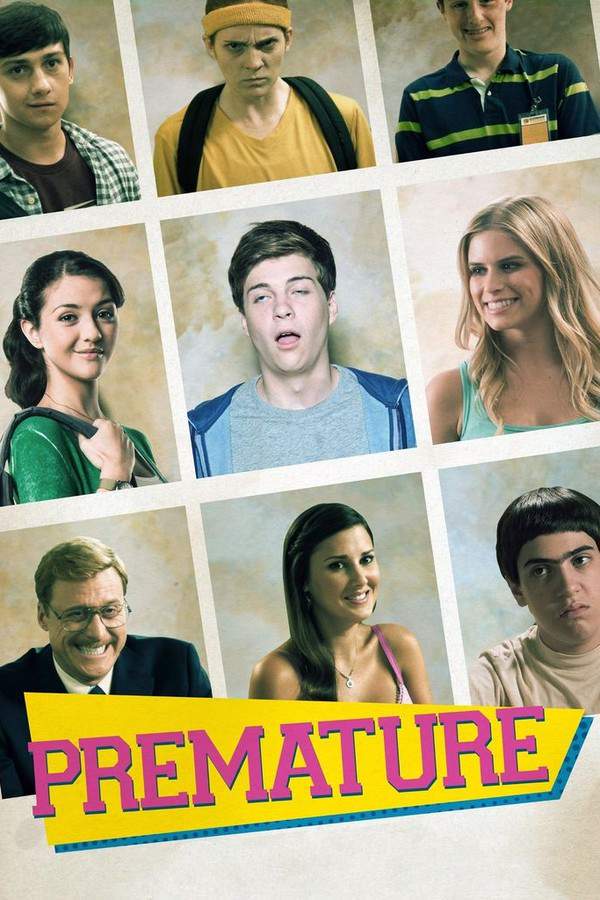
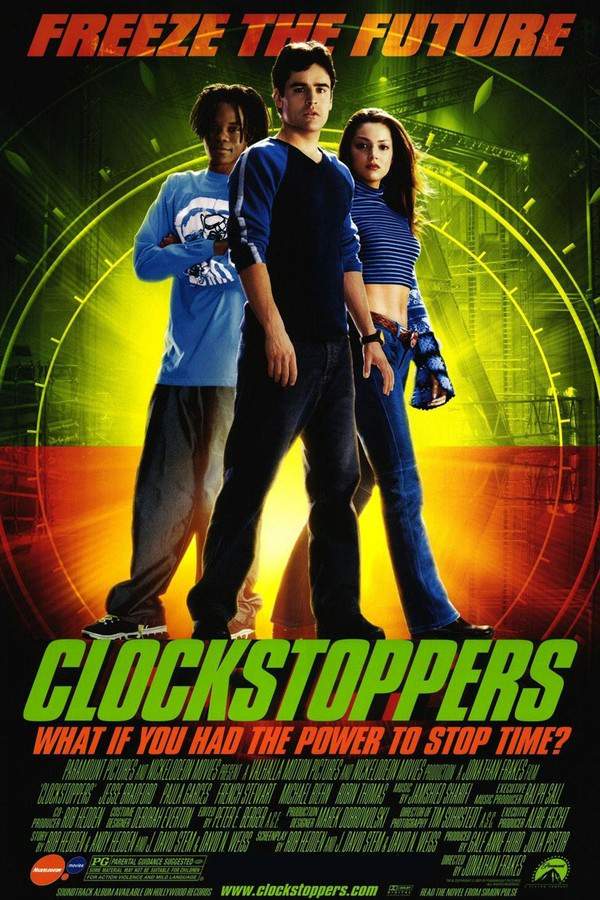
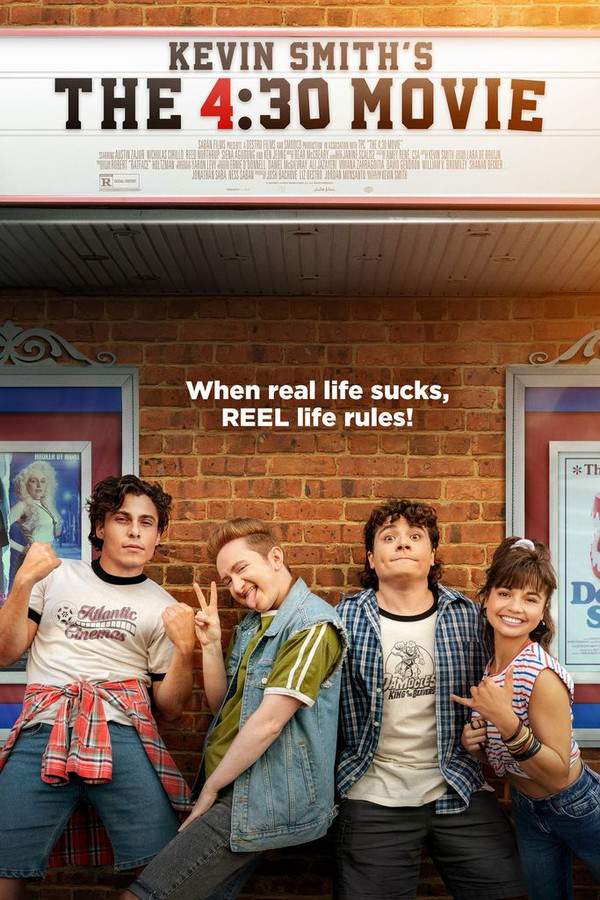
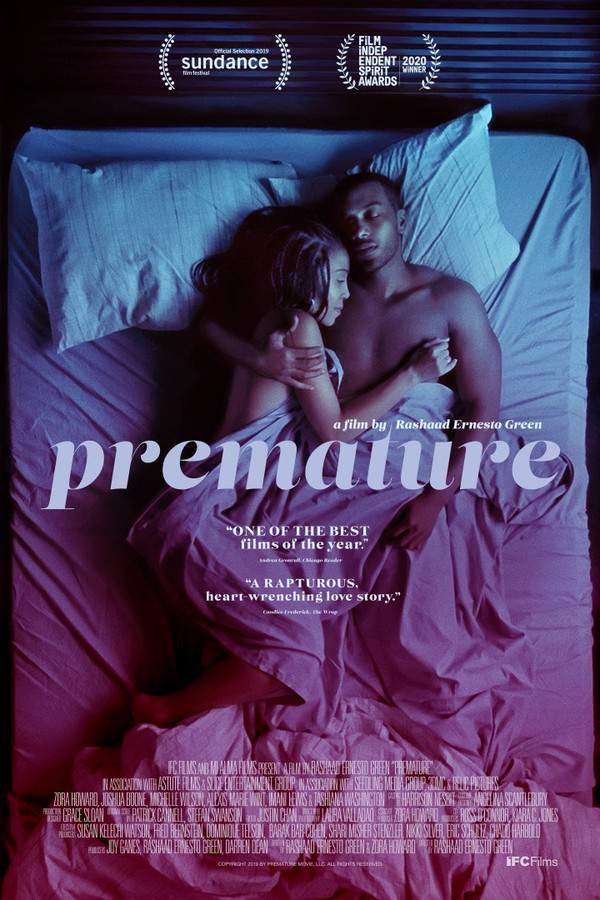
Rob Crabbe is a regular, awkward high school student whose ordinary day unfolds into something far stranger when a college-entrance interview looms as a potential turning point in his life. The interview is meant to be a straightforward step toward a future that his parents, and possibly the school, expect him to pursue, specifically to Georgetown University. The morning begins with a personal mishap that would feel embarrassing in any ordinary day, but on this day it quickly reveals itself as part of something larger: his mother discovers a mess in Rob’s linens and asks him to sort things out, adding a tense, domestic layer to an already unsettled mood.
The interview itself arrives with its own heavy atmosphere. The examiner, Jack Roth, carries a weight of his own, tearing up after sharing that his wife recently passed away. That moment of vulnerability broadens the scene from a routine assessment into a moment of shared human fragility, as Rob navigates the awkwardness and the fear that his future may hinge on this one chance. As if the emotional pressure weren’t enough, a flurry of small misfortunes interrupts the day: a water pistol accident that splashes chaos across the hall, and a minor collision that disrupts the flow of Rob’s plans. Each incident compounds Rob’s anxiety, making the day feel increasingly out of his control even before the most surreal twist arrives.
Into this already unusual mix enters Angela, an attractive classmate who seems to be drawn to Rob. Her presence injects a new dimension into the day, suggesting the possibility of romance and a sense of connection that Rob has perhaps been missing amid the ordinary hustle of high school life. Their encounter unfolds with warmth and mutual curiosity, hinting at something more—an attraction that Rob wants to nurture even as the rest of the day unravels around him. Yet just as their moment appears to promise a straightforward path, the day resets. Rob wakes up in his room as if nothing had happened, the same morning returning with the same unsettling familiarity. At first he doubts his senses, believing it might be a dream, but the repetition stubbornly confirms that something extraordinary is at work.
Driven by a mix of confusion and curiosity, Rob begins to test the limits of this inexplicable loop. He pushes at the edges of the day, experimenting with bold, even reckless actions in the hope that one of them might offer an escape from the repetition. He drives a golf cart through the school corridors, a drastic departure from anything resembling normal behavior. He spends time in the school bus with his friends, and he engages in stunts and boundary-testing moments along the way. He faces missed opportunities, awkward conversations, and the nagging sense that every choice resets the clock to the very start. The loop keeps returning him to the same morning, each reset erasing the progress he hoped to make and forcing him to confront the same challenges from a fresh angle.
Throughout these cycles, Rob’s relationship with Angela continues to flicker in and out of focus, but another person begins to hold a deeper place in his thoughts: Gabrielle. The repeated days allow Rob to observe Gabrielle from different angles, to notice the subtleties of her personality, and to understand the growing warmth he feels toward her. The more Rob sees, the more he realizes that his feelings for Gabrielle are shaping the way he experiences the loop itself. Their interactions become a beacon in the night of repetition, guiding him toward a meaningful realization about what truly matters in his life.
As the loops persist, Rob makes a surprising shift from trying to break free at any cost to seeking a genuine connection that could alter the very fabric of the day. The moments with Gabrielle move from fleeting, casual exchanges to something richer and more enduring, and Rob begins to perceive a path forward not by escaping the loop, but by embracing the feelings that have grown between them. Their bond grows stronger as they share quiet, intimate moments that feel real even within the confines of a repeating day. The emotional depth of their relationship becomes the key to understanding the anomaly around him, offering a reason to wake up each morning with renewed purpose rather than a sense of futility.
In the final arc, Rob confronts the core truth of his situation: it is not enough to chase shortcuts or to force a change through disruptive action. The turning point arrives when he and Gabrielle acknowledge the depth of their connection and choose to step into the unknown together, trusting that their feelings will guide them through whatever the day throws at them. In that moment of honesty and vulnerability, the time loop begins to break, and the day finally moves forward toward a future that feels earned rather than merely escaped. The narrative leaves Rob with a sense of clarity about what he wants from life, and it underscores the idea that genuine connection can alter even the most perplexing cycles.
Ultimately, the story blends coming-of-age elements with a science-fiction premise to explore themes of hope, responsibility, and the power of love to reshape one’s path. Rob’s journey—from a hesitant student facing a pivotal interview to a young person who discovers a meaningful bond that transcends repetition—offers a thoughtful meditation on choice, consequence, and the ways in which our relationships define us. The film maintains a steady, grounded tone even as it toys with fantastical possibilities, inviting viewers to reflect on their own moments when time seems to bend and where their own courage might lead them when every dawn presents a chance to begin again.