Plot Explained Spoilers guaranteed!
Plot Explained

Browse by genre

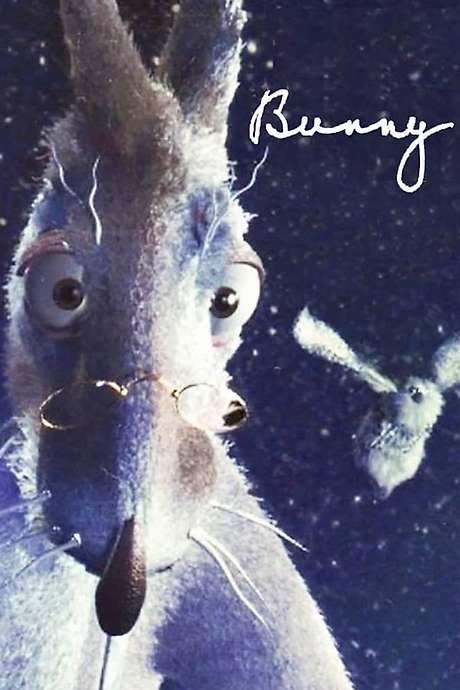
Bunny (1998) movie poster

Timeline

Bunny (1998) Timeline Explained – Every Event in Order

Release, runtime and language
1998 · 7 mins · English
Directed by
Chris Wedge
Starring
Bosmuend Pike

Elderly rabbit Bunny, who uses a walker, is baking a cake at night in her kitchen, a wedding‑day photograph hanging on the wall. A persistent moth buzzes around; she shooes it out, turns off the porch light, and returns to her work. The moth slips back in, she bats it with a wooden spoon and it lands in the batter. After mixing and pouring the batter into a pan, she slides it into the oven, but the moth transforms the oven into a portal, beckoning Bunny on a voyage of reunion.

On this page (5)
  1. 1 Events in order (12)
  2. 2 Timeline questions answered
  3. 3 Movie threads
  4. 4 Movies like Bunny
  5. 5 Every angle

12 events in order · contains spoilers

Bunny Timeline: Events in Chronological Order

Every key event of Bunny (1998) in order, scene by scene, with when and where it takes place. Use it to untangle flashbacks, time jumps and parallel storylines, to refresh your memory before the sequel or to find the exact scene you are thinking of.

  1. Moth intruder disrupts Bunny's kitchen

    In the forest cabin kitchen, Bunny the elderly rabbit is trying to bake a cake. A large moth buzzes around relentlessly, thwarting her attempts to concentrate. The insect even collides with a wedding photograph of Bunny and her late husband, setting off a chain of irritation and chaos.

    When
    Night
    Where
    Bunny's kitchen, forest cabin
  2. Photo knocked into batter and pan

    Frustrated, Bunny knocks the photograph into the cake batter. She tries to rescue it but ends up mixing the image into the batter anyway. She pours the batter into a pan and slides the cake into the oven, setting the timer.

    When
    Night
    Where
    Bunny's kitchen
  3. Sleep overtakes the baker as the oven glows

    With the timer ticking, Bunny nods off, tired from the night’s irritations. The oven emits loud rumbles and a blue-white light pours from inside. The door creaks open, pulling her attention toward the glow and inviting curiosity she cannot resist.

    When
    Night
    Where
    Bunny's kitchen, oven
  4. Bunny enters the oven; wings appear

    Crawling toward the opening, Bunny slips inside the oven. A pair of giant moth wings sprouts from her back, enabling her to be propelled along by the insect’s lead. She enters an otherworldly space where light and shadow swirl in unfamiliar patterns.

    Where
    Inside the oven
  5. Moths guide the journey toward the light

    Bunny finds herself among dozens of moths drawn to the bright light. They drift through a surreal, dreamlike expanse as if mapping a path beyond the oven. The group moves in unison, guiding her toward a destination beyond ordinary space.

    Where
    Along the luminous path
  6. Propelled by wings through a shared voyage

    The moth wings on Bunny’s back become the propulsion for a collective ascent. The imagery emphasizes movement, transformation, and an escape from the normal world. The journey feels pacifying yet otherworldly as they glide forward together.

    Where
    The luminous space
  7. The wedding photo comes to life within the journey

    As the voyage continues, the wedding photograph in Bunny’s possession begins to glow. The younger Bunny appears within the image and rests her head on her husband’s shoulder. Shadows and reflections of moths cross the frame, merging memory with a startling new reality.

    Where
    In the glow of the wedding photograph
  8. Wedge offers an alternate reading

    During the Ice Age DVD intro, Wedge offers his take on these events. He suggests Bunny dies in her sleep and the oven acts as a gateway to the afterlife. He frames the sequence as a spiritual journey toward reunion with her husband.

  9. The image embodies reunion after life

    Following Wedge's interpretation, the narrative emphasizes a peaceful transition rather than a literal voyage. Bunny's spirit is drawn toward the bright light and toward the husband she lost. The scene reinforces themes of memory, love, and continued connection beyond death.

  10. The final image seals the memory

    The film closes with a close-up of the wedding photograph coming to life. The younger Bunny rests against her husband, and moth shadows drift across the image. The frame ties together memory, transformation, and eternal companionship.

    When
    End
    Where
    Close-up on wedding photograph
  11. Memory, light, and moths as symbols

    Throughout the narrative, light and moths symbolize transcendence and memory. The story suggests love persists in memory and beyond ordinary life, with the kitchen portal and revived photo serving as a bridge between loss and ongoing connection.

  12. Overall takeaway

    The sequence invites interpretation as either a literal voyage or a dreamlike journey of the soul. It centers on the living wedding photograph and the moths as guides through life, death, and memory in a single, haunting vision.

Last updated: February 17, 2026 at 19:57

Was this helpful?

Timeline questions answered

Bunny Timeline Explained: Your Questions Answered

When does it happen, and why in that order? The questions people ask about the chronology of Bunny (1998): time jumps, flashbacks, cause and effect between scenes and the correct order of events, each answered with spoilers.

Q1

Why is the moth so attracted to the oven light?

The moth is drawn to the oven's blue-white glow because it represents the threshold between life and death. In the film, the light serves as a beacon to the afterlife, similar to how moths are naturally attracted to flame. This attraction pulls Bunny toward the oven and initiates her supernatural journey, symbolizing her subconscious readiness to leave the living world.

Foreshadowing: The moth's persistent circling in the kitchen hints at its role as a guide to the beyond.

  • moth
  • oven light
  • afterlife
  • symbolism
  • death journey
Q2

Why does Bunny smash the wedding photo into the cake batter?

Bunny's action stems from a moment of frustration combined with grief. The moth colliding with the treasured photograph of her late husband triggers emotional pain, and in her irritation, she pushes it deeper into the batter rather than rescuing it. This act represents her unresolved grief and the way memories of her husband become intertwined with her daily life, eventually leading to the photo's transformation in the oven.

Foreshadowing: The photograph's placement in the batter foreshadows its later magical transformation and revival.

  • wedding photo
  • grief
  • batter
  • memory
  • husband
Q3

Does Bunny die in the film?

Yes, Bunny dies in her sleep. The film's director confirmed through the Ice Age DVD introduction that the story depicts a death-and-afterlife passage. After she falls asleep, the oven transforms into a portal, and her spirit undertakes the journey toward reunion with her late husband. The blue-white light, the rumbling, and her peaceful crawl into the oven all represent the transition from life to death.

Foreshadowing: The gentle, quiet build-up to Bunny falling asleep establishes a peaceful passing rather than a violent one.

  • death
  • afterlife
  • spirit journey
  • dying
  • peaceful passage
Q4

Why does Bunny sprout moth wings in the oven?

The wings represent Bunny's transformation into a spirit being guided toward the afterlife. When she enters the oven, she is no longer bound by her elderly body and walker. The giant moth wings symbolize her transcendence from the physical world and her acceptance of death. She becomes one with the moths, joining them on their collective journey toward the light.

Foreshadowing: The moths circling the kitchen earlier hinted at their role as spiritual guides.

  • wings
  • transformation
  • moths
  • spirit
  • transcendence
Q5

What does it mean when the wedding photo comes alive?

The living wedding photo symbolizes Bunny's spiritual reunion with her late husband. As she travels through the luminous path, the photograph transforms and shows the younger Bunny resting her head on her husband's shoulder, indicating that she has reached him in the afterlife. The moths' shadows crossing the image represent the bridge between the living memory and eternal companionship beyond death.

Foreshadowing: The photograph's journey through the batter and into the oven prepared for this resurrection.

  • wedding photo
  • reunion
  • husband
  • afterlife
  • memories
Q6

Is the oven actually a portal to the afterlife?

Yes, the oven functions as a gateway to the afterlife. According to the director's interpretation provided in the Ice Age DVD introduction, the oven transforms into a portal after Bunny dies in her sleep. The blue-white light, the rumbling, and the open door represent the threshold between the living world and what lies beyond. The moths guide her through this portal toward peace and reunion.

Foreshadowing: The oven's warm glow and the timer ticking create anticipation for this transformation.

  • oven
  • portal
  • afterlife
  • gateway
  • light
Q7

What is the significance of the moth landing in the cake batter?

The moth landing in the batter represents the inevitable connection between death and memory. The insect carries the soul's essence, and by entering the cake that will be baked in the oven, it becomes the catalyst for Bunny's transformation. This seemingly accidental moment sets the entire afterlife journey in motion, merging the mundane act of baking with the supernatural departure from life.

Foreshadowing: The moth's earlier circling established its role as an agent of change.

  • moth
  • batter
  • cake
  • death catalyst
  • transformation
Q8

Why does Bunny live alone in the forest?

Bunny lives alone because she has outlived her husband, as evidenced by the wedding photograph of them together and her grief when the moth disturbs it. Her solitary life in the remote cabin reflects the loneliness of widowhood. The film uses her isolation to establish the emotional weight that makes her eventual reunion with her husband in the afterlife meaningful and redemptive.

Foreshadowing: The wedding photo's prominence in the kitchen immediately establishes her loss.

  • loneliness
  • widowhood
  • husband
  • forest cabin
  • solitude
Q9

What does the blue-white light from the oven represent?

The blue-white light represents the divine glow of the afterlife or spiritual realm. It emanates from the oven after Bunny dies, beckoning her toward transcendence. This light is what draws the moths and eventually Bunny herself, symbolizing the universal pull toward death as a peaceful transition rather than something frightening.

Foreshadowing: The light first appears subtly as the oven heats, building toward its full brightness.

  • blue light
  • spiritual realm
  • afterlife glow
  • transition
  • divine light
Q10

What does the ending of Bunny mean?

The ending confirms Bunny's peaceful reunion with her husband in the afterlife. The close-up of the wedding photo coming to life, with the younger Bunny resting on her husband's shoulder while moth shadows dance across the frame, signifies that she has successfully crossed over and found eternal companionship. It transforms the memory of their love into a literal, ongoing presence beyond death.

Foreshadowing: The entire journey through the luminous space was leading to this moment of reunion.

  • ending
  • reunion
  • husband
  • afterlife
  • eternal love

Movie threads

More Movies Like Bunny, by Mood & Story

Curated lists built around what makes Bunny tick: the same mood, the same kind of story or the same emotional payoff. Each list explains why these movies belong together.

Movies blending grief and magic like Bunny

Stories where supernatural elements gently guide characters through profound loss. Discover similar films where magical realism and gentle fantasy explore themes of grief, loss, and the afterlife. If you liked Bunny's bittersweet journey, you'll find more movies here about supernatural transitions and emotional reunion.

  • melancholic
  • dreamlike
  • peaceful
  • reflective
  • magical
  • bittersweet
  • Tone: bittersweet, melancholic, reflective
  • Pacing: slow, deliberate, meditative
Why these movies?

The story pattern: Narratives in this thread often begin with a character grappling with loneliness or loss. A supernatural or magical event then serves as a catalyst, guiding them on an introspective journey that blurs the line between reality and fantasy, culminating in a moment of profound peace or acceptance.

Why they belong together: These films are grouped together because they share a unique blend of melancholy and wonder, using a gentle pace and a bittersweet tone to explore heavy themes without becoming emotionally overwhelming. They prioritize mood and emotional resonance over complex plots.
Movies about quiet supernatural transitions like Bunny

Character-driven stories where the mundane gives way to a peaceful supernatural departure. Find more films like Bunny that depict a gentle, character-focused journey into the afterlife or a supernatural state. These movies share a slow, reflective pace and a focus on emotional closure and peaceful transitions.

  • peaceful
  • liminal
  • reflective
  • supernatural
  • bittersweet
  • lonely
  • Tone: bittersweet, peaceful, melancholic
  • Pacing: slow, atmospheric, deliberate
Why these movies?

The story pattern: The narrative pattern involves a character, often isolated or elderly, experiencing a quiet, almost mundane life. A supernatural event subtly intrudes, not as a threat, but as an invitation or a natural progression. The story follows their serene acceptance and transition, emphasizing emotional resolution over plot-driven conflict.

Why they belong together: These films are connected by their shared focus on a peaceful, accepted transition into a different state of being. They avoid high-stakes conflict, instead using a slow pace and atmospheric storytelling to explore themes of mortality, reunion, and the liminal space between life and death.

If you liked this

Movies Like Bunny

Similar movies to Bunny: the same genre, themes or kind of story. Each one comes with its own plot summary, timeline and ending explained.

Browse all movie summaries

Every angle

Bunny (1998) Explained: Plot, Timeline & Characters

Everything about Bunny in one place: what happens in the plot summary, the timeline in chronological order, the characters and meaning and a spoiler-free summary. What's After the Movie adds the cast, box office and post-credit scenes.

Coming soon on iOS and Android

The Plot Explained Movie Summary App

Plot summaries, endings explained and timelines on your phone. Catch up on any movie in minutes, save your favorites and never miss a twist again.

Be the first to know when we launch. Your email stays private, always.

Learn more about the app