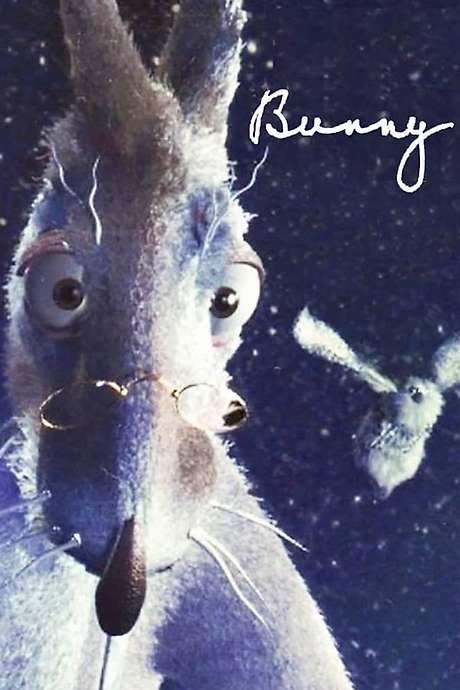
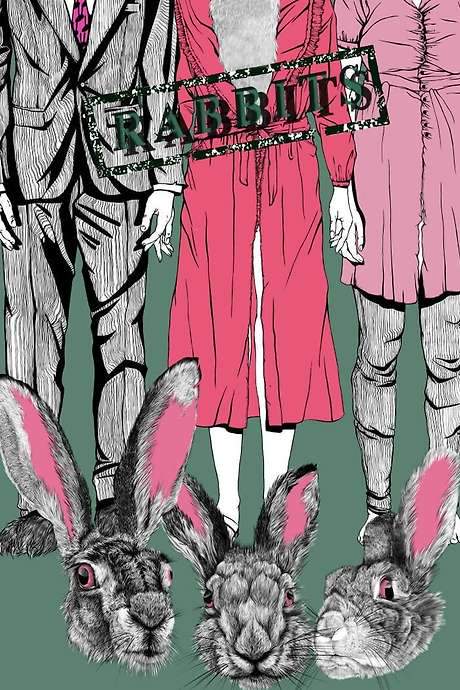
In a remote forest, Bosmuend Pike voices Bunny, an elderly rabbit who lives alone in a small cabin tucked among pines and quiet snow. Her days are simple, marked by the steady rhythm of baking and the soft creak of the cabin, yet a sense of loneliness hums beneath the routine. One night, a large moth becomes a persistent visitor, buzzing relentlessly around the kitchen as Bunny works on a cake, its flight tracing little circles in the warm air.
The insect’s restless circling grows irritating, and it nudges Bunny toward a memory she keeps tucked away: a wedding photograph of herself with her late husband. The moth collides with the treasured image, sending it flailing into the bowl of cake batter. With a mix of annoyance and heartbreak, she tugs the photo out, smashes it deeper into the batter, and then pours the cake into a pan, setting the oven to heat and the timer to tick away. The room fills with the quiet hiss of heat and the soft clatter of utensils as the cake begins to take shape.
Sleep comes quickly once the timer clicks, but it is not a restful one. The kitchen trembles with loud rumblings, and a blue-white light leaks from the oven door, which suddenly falls open. Bunny, drawn by the glow, crawls toward the opening and slips inside. What follows is a breathtaking transformation: she and the moth seem to glide into an otherworldly space, propelled by a pair of giant moth wings that sprout from Bunny’s back. The glow pulls them onward, and soon Bunny finds herself among dozens of other moths drawn to the same bright beacon.
The journey unfolds with dreamlike clarity, a delicate balance of memory and mystery. The camera lingers on the moment when the oven’s light becomes a doorway to somewhere beyond the forest, and Bunny rises with a quiet, almost peaceful resolve as she moves closer to the source of that light. The sequence is both eerie and tender, underscoring the film’s themes of memory, transformation, and the intimate link between love and loss. The mood remains contemplative, never hurried, inviting viewers to reflect on what it means to be drawn toward a final resting place after a life lived in the quiet shelter of a home.
The film closes with a close-up of the wedding photo, which somehow comes alive: the younger Bunny rests her head on her husband’s shoulder, a small, contented smile playing on her lips. The image shifts with the faint movement of two moths’ shadows and reflections dancing across the picture, as if the past itself is shifting to welcome her into the light. It’s a visual echo of the journey Bunny has undertaken, a quiet affirmation that memories can travel with us beyond the ordinary boundaries of the world we know.
According to the Ice Age DVD introduction by Wedge, Bunny’s journey can be understood as a death-and-afterlife passage: Bunny dies in her sleep, and the oven serves as a gateway to the afterlife. Her spirit is instinctively drawn toward a bright light, much like a moth drawn to a flame, and in that pull she is finally reunited with her husband. This interpretation is offered as a perspective on the film’s dreamlike events, adding a layer of reflective meaning to the luminous voyage Bunny undertakes.