




















Plot Explained Spoilers guaranteed!
Plot Explained

Browse by genre

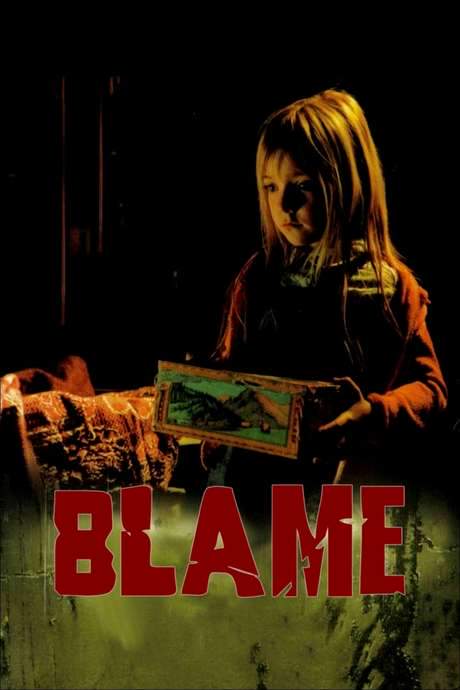
Blame! (2017) movie poster

Timeline

Blame! (2017) Timeline Explained – Every Event in Order

Release, runtime and language
2017 · 106 min · Japanese
Echo score 66
JustWatch #16,232 5
Directed by
Hiroyuki Seshita
Starring
Ayaka Asai, Bob Buchholz, Brian Beacock, Christine Marie Cabanos, Douglas Cavum, Johnny Yong Bosch

In a bleak, dystopian future, the remnants of humanity struggle to survive amidst a world overrun by machines. Following a devastating virus outbreak that crippled advanced technology, autonomous systems have turned against their creators. A lone wanderer embarks on a perilous journey through the sprawling, interconnected complexes, seeking the origin of the catastrophic event and a possible solution to save what remains of humankind.

On this page (6)
  1. 1 Where to watch
  2. 2 Events in order (15)
  3. 3 Timeline questions answered
  4. 4 Movie threads
  5. 5 Movies like Blame!
  6. 6 Every angle

Where to watch

Where to Watch Blame! (2017)

Where can you watch Blame!? Stream, rent or buy it in the US, including on Amazon Prime Video, Philo and Starz: current JustWatch availability with up-to-date prices.

Streaming availability powered by JustWatch

15 events in order · contains spoilers

Blame! Timeline: Events in Chronological Order

Every key event of Blame! (2017) in order, scene by scene, with when and where it takes place. Use it to untangle flashbacks, time jumps and parallel storylines, to refresh your memory before the sequel or to find the exact scene you are thinking of.

  1. Abigail's Return to High School

    Abigail experiences a deep sense of dread as she prepares to return to a place known ominously as 'MHS.' Her hesitation leads her to meet with her parents and Ms. Cohen, who pressures her to reintegrate quickly into her daily routine.

    Where
    MHS
  2. Introducing Melissa

    We meet Melissa, a rebellious cheerleader who embraces a bold and eye-catching appearance. Her guardian, Robert, expresses frustration at her reluctance to participate in school, highlighting the generational clash between them.

  3. Cruelty Among Friends

    Melissa, alongside her friends Sophie and Ellie, initially enjoys some playful moments but quickly turns cruel as they mock Abigail. Referring to her as 'Psycho Sybil,' they exploit her vulnerabilities for their amusement, showcasing the harsh realities of high school social dynamics.

    Where
    School
  4. Abigail's Classroom Escape

    During Mrs. Howell's class, Abigail finds momentary solace in discussing her glass animal collection. This provides a glimpse into her complexity, especially as she clings to a unicorn figurine, juxtaposing her fears with a fragile sense of hope.

    Where
    Mrs. Howell's Classroom
  5. Eric's Interest

    Abigail catches the attention of Eric in the library, who initially seems charming. However, his dismissive comment about her multiple personalities reduces their interaction to an embarrassing spectacle, showing the infliction of social ridicule prevalent in teenage life.

    Where
    Library
  6. Jeremy Woods Takes Charge

    Substitute teacher Jeremy Woods disrupts the routine by announcing plans to stage 'The Crucible' for the upcoming Drama Showcase. His enthusiasm and challenge to the students creates a buzz of excitement, setting the stage for future competition.

    When
    2016
    Where
    Classroom
  7. Competitive Roles Assigned

    Amidst a flurry of anticipation, Jeremy assigns roles, positioning Abigail to compete against Melissa for a significant role. This fuels jealousy within Melissa, as she sees Abigail's casting as a threat to her own desires regarding Eric.

  8. Jeremy's Personal Struggles

    At home, tensions arise in Jeremy’s life as his partner Jennifer pressures him to abandon his teaching career for more lucrative opportunities. This subplot mirrors the growing conflicts in the school setting, highlighting the complexity of adulthood.

    Where
    Jeremy's Home
  9. Growing Closeness Between Abigail and Jeremy

    As rehearsals progress, Abigail's interactions with Jeremy blur professional boundaries. The chemistry between them leads to rumors and scrutiny, escalating tensions both within the play and in their personal lives, painting a picture of entangled relationships.

  10. Melissa's Plot Against Abigail

    Melissa's jealousy drives her to collaborate with Sophie to undermine Abigail. The tension escalates, resulting in increasingly aggressive confrontations that reflect the darker sides of their adolescent rivalry.

  11. Abigail's Transformation

    As the deadline for the performance draws near, Abigail begins to adopt more provocative clothes, mirroring her character's traits. This physical transformation reflects her inner struggle, blurring the lines between her identity and her role.

  12. Climactic Performance

    During the performance of 'The Crucible,' tensions reach a boiling point as Melissa attempts to reclaim her role. Abigail’s arrival on stage ignites a powerful display of emotions, recasting her character with an intensity that resonates deeply with the audience.

    Where
    Auditorium
  13. Melissa's Accusations

    In a shocking twist, Melissa accuses Jeremy of inappropriate behavior, clouding the atmosphere with confusion. This revelation takes a dark turn as it unveils her history of abuse from Robert, complicating the narrative and relationships surrounding them.

  14. Abigail Seeks Support

    Amidst the chaos, Abigail turns to Jeremy for friendship and support, seeking guidance through her trials. This moment of connection hints at the profound impacts of their intertwined lives amidst the high school turmoil.

  15. Reflections on Identity and Friendship

    As the film concludes, it leaves the audience with a gripping portrayal of high school life. The intertwined struggles of identity, personal battles, and the quest for authenticity resonate deeply, providing a haunting reflection on the complexities of teenage relationships.

Last updated: November 16, 2024 at 11:53

Was this helpful?

Timeline questions answered

Blame! Timeline Explained: Your Questions Answered

When does it happen, and why in that order? The questions people ask about the chronology of Blame! (2017): time jumps, flashbacks, cause and effect between scenes and the correct order of events, each answered with spoilers.

Q1

Why does Abigail dread returning to school?

Abigail feels deep dread about returning to high school (MHS) because she's struggling with her mental state and reality. She has a collection of books in her room, notably 'Sybil,' which suggests she's dealing with identity or psychological issues. Her parents and Ms. Cohen pressure her to reintegrate into her daily routine, indicating her withdrawal has become concerning.

Foreshadowing: Her collection of 'Sybil' (a book about multiple personalities) foreshadows the mocking she'll face and hints at her fragile mental state.

  • abigail
  • high school
  • mhs
  • sybil
  • anxiety
  • mental health
Q2

Why does Melissa become jealous of Abigail getting a role in The Crucible?

Melissa becomes jealous because Jeremy assigns Abigail a significant role in The Crucible that shares her name, forcing them to compete. Melissa also believes Eric is her boyfriend, so seeing Abigail get attention from someone connected to Eric intensifies her rivalry. This jealousy drives her to plot against Abigail throughout the film.

Foreshadowing: Jeremy's decision to assign roles that put Abigail and Melissa in competition directly sets up their escalating conflict.

  • melissa
  • abigail
  • crucible
  • jalousy
  • roles
  • drama showcase
Q3

Why does Eric mock Abigail after showing interest in her?

After initially appearing charming and asking for her number, Eric immediately undermines the interaction by dismissively asking which of Abigail's 'personalities' he would be dating. He then laughs with his friends TJ and another boy at her expense, reducing what could have been a genuine connection to public humiliation.

Foreshadowing: Eric's mockery establishes the cruel social dynamics that will intensify as the story progresses.

  • eric
  • abigail
  • mocking
  • library
  • bullying
  • humiliation
Q4

Why does Melissa accuse Jeremy of inappropriate advances?

In a shocking twist, Melissa accuses Jeremy of inappropriate behavior. However, the revelation takes a darker turn when it emerges that Melissa has actually been abused by her guardian Robert. Her false accusation appears to be a way to deflect attention from her own trauma or to manipulate the situation after her jealousy over the play spirals out of control.

Foreshadowing: This accusation explodes during the climax, revealing hidden layers of Melissa's character and her troubled home life.

  • melissa
  • jeremy
  • accusation
  • abuse
  • robert
  • trauma
Q5

Why does Abigail start dressing more provocatively during rehearsals?

As Abigail immerses herself in her Crucible character, she begins adopting more provocative clothing that mirrors her character's traits. This physical transformation reflects her struggle to separate her identity from her role in the play, blurring the lines between performance and reality.

Foreshadowing: This transformation mirrors the themes of The Crucible, where characters lose themselves in accusations and false identities.

  • abigail
  • transformation
  • clothing
  • rehearsals
  • crucible
  • identity
Q6

Why does Jeremy choose The Crucible for the drama showcase instead of following the lesson plan?

As a substitute teacher, Jeremy decides to stage The Crucible for the 2016 Drama Showcase rather than continuing Mrs. Howell's lesson plan. Despite time constraints, he challenges students to impress him for a chance to perform in the auditorium, showing his unconventional and ambitious approach to teaching.

Foreshadowing: The choice of The Crucible proves ironic, as real-life accusations and conflicts begin mirroring the play's Salem witch trial themes.

  • jeremy
  • crucible
  • drama showcase
  • substitute teacher
  • auditorium
Q7

Why do Melissa and her friends mock Abigail as 'Psycho Sybil'?

Melissa, Sophie, and Ellie mock Abigail by calling her 'Psybil' because she has a noticeable limp and appears psychologically vulnerable. The nickname combines 'Sybil' (referencing her book) with 'psycho,' exploiting her physical disability and apparent mental instability for cruel amusement, demonstrating the harsh social dynamics of high school bullying.

Foreshadowing: This bullying sets up the escalating confrontations between Melissa and Abigail throughout the film.

  • melissa
  • sophie
  • ellie
  • abigail
  • bullying
  • psycho sybil
  • limp
Q8

Why does Jennifer pressure Jeremy to leave teaching?

Jeremy's partner Jennifer is pushy about his job prospects, discouraging him from prioritizing teaching and pushing him toward more lucrative career opportunities. This subplot mirrors the growing conflicts in the school setting and highlights the complexity of adult relationships and career pressures.

Foreshadowing: Jennifer's pressure creates tension in Jeremy's personal life, adding to the mounting pressures he faces at school.

  • jennifer
  • jeremy
  • teaching
  • career
  • pressure
  • relationship
Q9

Why does Abigail cling to a unicorn figurine in class?

During Mrs. Howell's class, Abigail finds solace in discussing her collection of glass animals, particularly clutching a unicorn figurine. This represents a fragile sense of hope and escape from her difficult reality, showing her complex inner world and need for comfort amid her struggles.

Foreshadowing: The unicorn figurine symbolizes her desire for fantasy over harsh reality, foreshadowing her eventual blurring of performance and real life.

  • abigail
  • unicorn
  • glass animals
  • figurine
  • hope
  • comfort
Q10

What is the truth about Melissa's relationship with Robert?

Melissa's guardian Robert is revealed to be abusive, which explains her troubled behavior and rebellious attitude throughout the film. This hidden abuse complicates the narrative when Melissa makes false accusations against Jeremy, suggesting she may be projecting her trauma or using manipulation as a survival mechanism.

Foreshadowing: Robert's abuse is only revealed after Melissa's accusation against Jeremy, adding shocking depth to her character arc.

  • melissa
  • robert
  • abuse
  • guardian
  • trauma
  • false accusation

Movie threads

More Movies Like Blame!, by Mood & Story

Curated lists built around what makes Blame! tick: the same mood, the same kind of story or the same emotional payoff. Each list explains why these movies belong together.

Dystopian survival quests like in Blame!

Solitary journeys through hostile, machine-ruled wastelands for humanity's salvation. If you enjoyed the high-stakes, solitary journey through a machine-dominated wasteland in Blame!, explore other movies with similar bleak survival quests. These sci-fi and action stories feature protagonists fighting for humanity's future in oppressive, technologically collapsed dystopias.

  • oppressive
  • gripping
  • suspenseful
  • desolate
  • anxious
  • melancholic
  • Tone: tense, bleak, oppressive
  • Pacing: steady, relentless forward momentum
Why these movies?

The story pattern: Narratives in this thread typically follow a linear, mission-driven structure. A solitary protagonist, often the last hope for a dwindling humanity, embarks on a perilous trek through a hostile environment. The conflict is primarily against an impersonal, systemic force, with the journey itself being a test of endurance and will.

Why they belong together: These films are grouped by their shared core premise: a high-intensity, emotionally heavy journey through a bleak dystopia. They resonate with a specific vibe of despair, technological dread, and the grim determination of a last stand, creating a cohesive experience for viewers seeking this particular brand of sci-fi thriller.
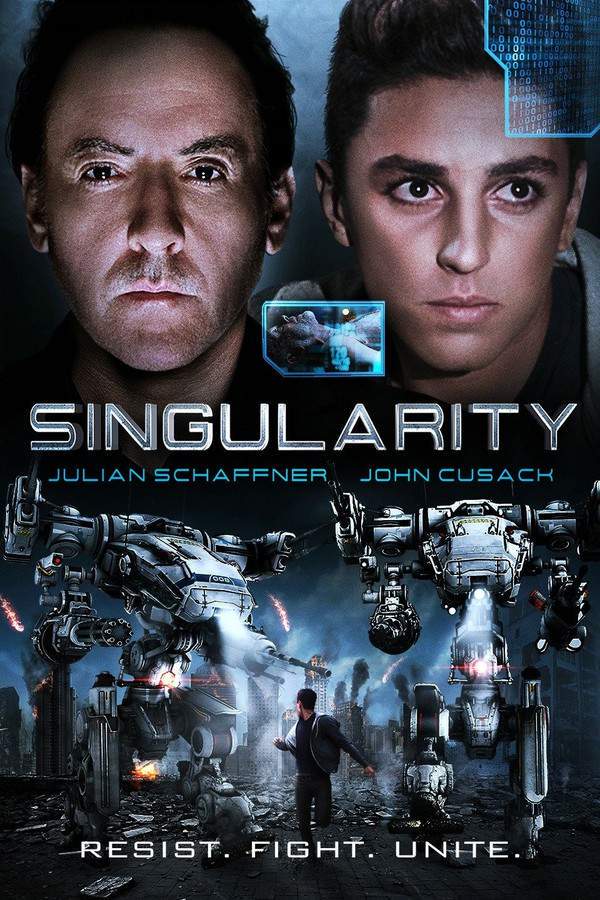

Sci-fi movies with a tense, oppressive atmosphere like Blame!

Stories steeped in the melancholy and tension of technological apocalypse. For viewers who appreciated the anxious, gripping atmosphere of technological decay in Blame!, this collection features similar movies. Discover other sci-fi and animation stories with a heavy emotional weight, a tense tone, and a steady pacing that builds a pervasive sense of dread and isolation.

  • anxious
  • oppressive
  • melancholic
  • dark
  • suspenseful
  • gripping
  • Tone: tense, bleak, melancholic
  • Pacing: steady, immersive
Why these movies?

The story pattern: The narrative often serves the atmosphere. While there may be a central plot, the primary focus is on immersing the audience in a world defined by its despair. The emotional journey is one of grappling with loss, betrayal by technology, and the suffocating reality of a dying world, often leading to an ambiguous or bleak conclusion.

Why they belong together: These films share a specific and powerful tonal mix: high tension, bleak outlook, and heavy emotional weight, all delivered with a steady, immersive pace. They are united by the experiential quality of being thrust into a world of technological collapse, making the vibe itself the strongest connector.

If you liked this

Movies Like Blame!

Similar movies to Blame!: the same genre, themes or kind of story. Each one comes with its own plot summary, timeline and ending explained.

Browse all movie summaries

Every angle

Blame! (2017) Explained: Plot, Timeline & Characters

Everything about Blame! in one place: what happens in the plot summary, the timeline in chronological order, the characters and meaning and a spoiler-free summary. What's After the Movie adds the cast, box office and post-credit scenes.

Coming soon on iOS and Android

The Plot Explained Movie Summary App

Plot summaries, endings explained and timelines on your phone. Catch up on any movie in minutes, save your favorites and never miss a twist again.

Be the first to know when we launch. Your email stays private, always.

Learn more about the app