Bhutto

Bhutto

Year: 2010

Runtime: 111 min

Language: German

Directors: Duane Baughman, Johnny O'Hara

BiographyDocumentary

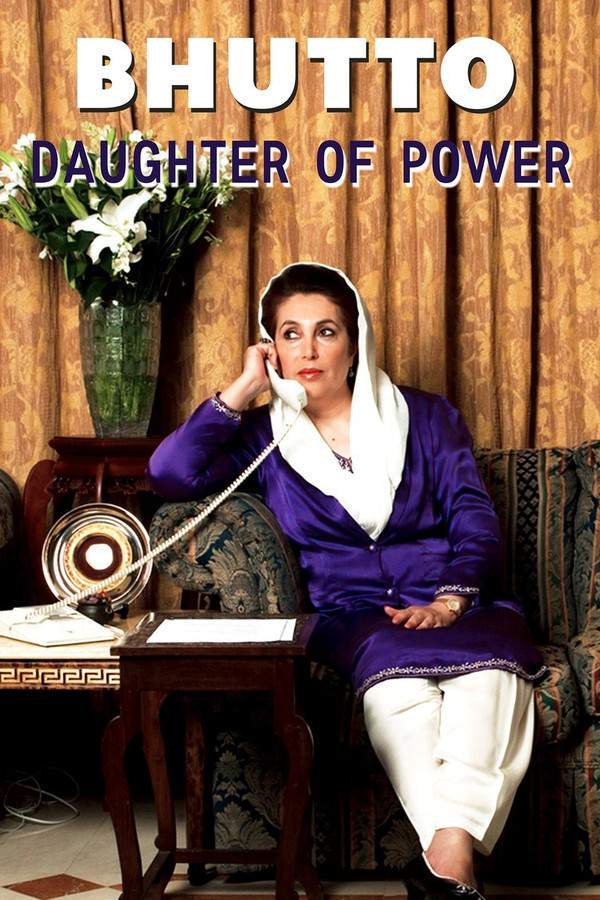
This documentary explores the extraordinary life of Benazir Bhutto, Pakistan's first female Prime Minister. Through extensive archival footage and revealing interviews, it recounts her political journey and the challenges she faced. The film portrays her fight against corruption and her attempts to address the rise of radical Islam, highlighting a dramatic story set against the backdrop of modern Pakistan. It’s a compelling look at a remarkable leader and a turbulent era.

Warning: spoilers below!

Haven’t seen Bhutto yet? This summary contains major spoilers. Bookmark the page, watch the movie, and come back for the full breakdown. If you're ready, scroll on and relive the story!

Bhutto (2010) – Full Plot Summary & Ending Explained

Read the complete plot breakdown of Bhutto (2010), including all key story events, major twists, and the ending explained in detail. Discover what really happened, and what it all means.

BHUTTO is an engaging theatrical documentary that delves into the life of one of the most intricate and intriguing figures of our time. This epic narrative unfolds the heroism of a woman battling against traditional norms and terrorism in Pakistan, arguably one of the most perilous places on earth. As a nuclear-armed nation teetering on the edge of instability, Pakistan was uniquely tied to the life of Benazir Bhutto, who hailed from a prosperous family that became the cornerstone of the country's political dynasty.

Often likened to the "Kennedys of Pakistan," the Bhutto family shares a legacy steeped in both tragedy and triumph, mirroring that of its American counterpart. The journey of Benazir Bhutto is emblematic of Pakistan itself, entwined with the tumultuous history of her homeland. Pakistan was established in 1947, while Benazir was born six years later, in 1953. The nation emerged during the partition of the Indian subcontinent as a haven for Muslims following the end of British rule. However, internal strife quickly erupted, leading to military conflicts with its larger neighbor, India, and ultimately setting the stage for a military-dominated political landscape.

As the daughter of the visionary political leader Zulfikar Ali Bhutto, Benazir was destined for a path laden with challenges from birth. Growing up in a wealthy feudal household in Sindh province, Zulfikar pursued an education abroad, marrying Nusrat Isipani, an Iranian beauty, while at Oxford. Together, they raised their children—Benazir, Murtaza, Sanam, and Shanawaz—with an emphasis on equal education, defying the conventions of gender roles prevalent in their society.

While her father's political career soared, with stunning oratory at the UN leading him to become the first democratically elected president and later prime minister, Benazir was exploring the world herself. She attended Harvard University amidst the revolutionary fervor of the 1960s, participating in anti-war protests and witnessing the burgeoning women's movement. After studying at Oxford, she initially envisioned a life of luxury in diplomacy. However, fate intervened dramatically when her father was overthrown in a coup led by General Zia ul Haq, culminating in his wrongful execution on fabricated charges.

In the ensuing chaos, Benazir chose to fight for justice, while her brothers fled to avoid persecution. Alongside her mother, she faced imprisonment under Zia's oppressive regime, which enforced extreme interpretations of Islam and subjugated women under harsh laws. During this grim period, her brothers were wrongfully branded as terrorists in a politically charged climate.

Tragedy struck again during a family reunion in France when Shanawaz was found dead under dubious circumstances. Grieving yet resolute, Benazir returned to Pakistan to reclaim her father's legacy, experiencing a wave of national support that catalyzed her political ambitions. In 1988, she stood before millions eager to see her lead, cleverly navigating traditional barriers by entering into an arranged marriage with Asif Ali Zardari, known for his playboy reputation. Soon, while managing her campaign and preparing for motherhood, a crucial turning point occurred as General Zia's mysterious death cleared her way to power.

At the young age of 35, and with a newborn son in tow, she made history by becoming the first female prime minister of a Muslim nation. However, her term was marred by allegations of corruption, leading to a swift ousting after just twenty months. Even so, her resilience shone through as she continued to strive for a second term, appointing her husband as finance minister—a move that backfired, earning him the infamous moniker of "Mr. 10%."

As political turbulence escalated, Murtaza Bhutto returned to confront Benazir for control of the Pakistan People's Party, only to be tragically killed under controversial circumstances. His death was a dagger to her political stature, leading to her second term ending in shame, alongside her husband's imprisonment.

In exile, she raised her children in Dubai, giving lectures on the growing menace of radical Islamic terrorism. Then came 9/11, shifting the geopolitical landscape and thrusting Pakistan into the foreground of the war on terror, further complicating her homeland's plight. The increasing turmoil in Pakistan led to her eventual reinstatement in 2007 as a beacon of hope for democracy amid chaos.

Ultimately, Benazir Bhutto's life was cruelly cut short by assassination, but in death, she emerged as a martyr, leaving behind a controversial legacy that will be examined and discussed for generations to come.
Last updated: October 25, 2024 at 11:25

Was this helpful?

Bhutto (2010) Plot Questions Answered – Summary FAQ

Explore frequently asked questions about Bhutto (2010) with spoiler-rich answers covering the full plot summary, major story beats, character motivations, hidden details, and ending meaning. This movie summary FAQ helps explain confusing scenes, plot twists, and narrative decisions in clear, searchable detail.

Q1

Why did Benazir Bhutto return to Pakistan in 2007?

A.

Benazir Bhutto returned to Pakistan in 2007 because President Pervez Musharraf reinstated her political party, the Pakistan People's Party, amid growing political chaos and unrest in the country. After years of exile in Dubai, she saw an opportunity to revive democracy and position herself as a unifying force against extremism. Her return represented hope for many Pakistanis yearning for stable democratic leadership during a period of increasing Taliban influence and political violence.

The documentary earlier shows her giving lectures in Dubai about radical Islamic terrorism, establishing her as a potential counterforce to extremism.

Benazir Bhutto return Pakistan 2007 democracy Musharraf
Q2

How did General Zia's death clear the way for Benazir Bhutto?

A.

General Zia ul Haq's mysterious death in 1988 suddenly removed the authoritarian military ruler who had overthrown and executed Benazir's father. With Zia gone, the political vacuum allowed for a return to democratic elections. Benazir, who had become a symbol of resistance against Zia's regime during her imprisonment, leveraged her father's legacy and her own political martyrdom to galvanize public support. This combination of factors enabled her to win the 1988 election and become Prime Minister at age 35.

The documentary establishes Zia as the oppressive force who imprisoned Benazir and executed her father, making his removal the pivotal moment for her political ascent.

General Zia death Benazir Bhutto 1988 election Prime Minister
Q3

Why was Benazir Bhutto ousted after only 20 months in office?

A.

Benazir Bhutto's first term ended after just 20 months due to allegations of corruption and mismanagement. President Ghulam Ishaq Khan, citing these corruption charges, dismissed her government in 1990. The charges centered on abuse of power and financial misconduct, though supporters argued the accusations were politically motivated. This pattern of corruption allegations would continue to haunt her political career and contributed to her eventual downfall.

Earlier scenes show her appointing her husband Asif Ali Zardari as finance minister, a decision that would later earn him the "Mr. 10%" nickname and fuel corruption allegations.

Benazir Bhutto ousted 1990 corruption charges dismissed
Q4

What happened to Murtaza Bhutto?

A.

Murtaza Bhutto, Benazir's younger brother, was killed in 1996 under controversial circumstances upon his return to Pakistan. Police claimed he was shot while resisting arrest during a confrontation at his home. However, his supporters and human rights groups alleged that the shooting was staged and that Murtaza was extrajudicially murdered. The incident severely damaged Benazir's political reputation and was used by her opponents to question her integrity, contributing to the end of her second term.

Earlier in the documentary, Murtaza is shown returning to confront Benazir for control of the Pakistan People's Party, creating family conflict.

Murtaza Bhutto death 1996 police shooting controversy
Q5

Why was Asif Ali Zardari called "Mr. 10%"?

A.

Asif Ali Zardari earned the nickname "Mr. 10%" because he was accused of taking a 10% commission on government contracts and business deals during his tenure as Benazir's finance minister. The term became synonymous with perceived corruption within her government and was widely used by political opponents to discredit her administration. Zardari's reputation for graft ultimately contributed to public dissatisfaction with her government and strengthened calls for her removal.

The documentary shows Benazir appointing her husband as finance minister, a decision that proved politically damaging.

Asif Ali Zardari Mr. 10% corruption commission contracts
Q6

How did Benazir Bhutto die?

A.

Benazir Bhutto was assassinated on December 27, 2007, during a campaign rally in Rawalpindi, Pakistan. She was shot in the neck and chest by a lone gunman who then detonated a suicide bomb. Despite being rushed to a hospital, she succumbed to her injuries. Her assassination shocked the world and triggered widespread riots across Pakistan. She became a martyr for democracy, and her death marked a devastating end to her political journey.

The documentary establishes the constant threat of political violence she faced throughout her career, including earlier assassination attempts.

Benazir Bhutto assassination 2007 Rawalpindi shooting bomb
Q7

Why did Benazir Bhutto marry Asif Ali Zardari?

A.

Benazir Bhutto married Asif Ali Zardari in an arranged marriage in 1987, a strategic decision designed to help her overcome traditional barriers in Pakistani politics. At the time, she needed a husband to appear as a respectable political figurehead according to societal norms. Zardari came from a wealthy political family and was seen as a suitable match, despite his known playboy reputation. The marriage was largely political, intended to provide her with the appearance of stability needed to run for office.

The documentary shows her navigating traditional gender barriers throughout her political ascent.

Benazir Bhutto marriage Asif Ali Zardari arranged political
Q8

Why did Benazir Bhutto go into exile?

A.

Benazir Bhutto went into exile in Dubai in the late 1990s after her government was dismissed for the second time amid mounting corruption allegations and her husband's imprisonment. Facing political persecution and unable to safely return to Pakistan, she relocated to Dubai where she lived for several years, raising her children and giving international lectures. During this exile period, she became increasingly vocal about the dangers of radical Islamic terrorism, particularly after the 9/11 attacks shifted global attention to the region.

Her second ousting coincides with her husband Asif Ali Zardari's imprisonment on corruption charges.

Benazir Bhutto exile Dubai 1990s corruption imprisonment
Q9

Why did Benazir Bhutto enter politics after her father's execution?

A.

Benazir Bhutto entered politics primarily to restore her father's legacy and fight the military dictator General Zia ul Haq who had overthrown and executed him on fabricated charges. After her father's wrongful execution in 1979, she and her mother were imprisoned by Zia's regime, fueling her resolve to continue his political work. Rather than fleeing like her brothers, she chose to stay and resist, eventually leading the Pakistan People's Party as a symbol of opposition to military dictatorship.

The documentary shows her father Zulfikar Ali Bhutto as a charismatic leader, establishing why his legacy mattered so deeply to her.

Benazir Bhutto father Zulfikar Ali Bhutto execution politics resistance
Q10

What role did 9/11 play in Benazir Bhutto's political return?

A.

The 9/11 attacks in 2001 dramatically shifted the geopolitical landscape and brought Pakistan into the center of the global war on terror. This created new political opportunities for exiled leaders like Benazir Bhutto, as the United States sought partners in the region to combat terrorism. Her anti-extremist stance and international profile made her a potential ally for Western powers. The post-9/11 environment increased pressure on Pakistan to embrace democracy, which ultimately helped pave the way for her return in 2007.

During her exile, the documentary shows her lecturing about the growing threat of radical Islamic terrorism.

9/11 war on terror Benazir Bhutto return Pakistan extremism
Q11

Why is Benazir Bhutto considered a martyr?

A.

Benazir Bhutto is considered a martyr because she was assassinated while campaigning for democracy in Pakistan, making the ultimate sacrifice for her political beliefs. Her death transformed her from a controversial political figure into a symbol of resistance against extremism and dedication to democratic values. Despite years of political setbacks, corruption allegations, and personal tragedy, she continued to return to Pakistan to fight for what she believed in, ultimately giving her life for those principles. Her martyrdom ensured her legacy would endure in Pakistani politics.

The documentary portrays her as someone who repeatedly risked her life to return to Pakistan despite knowing the dangers.

Benazir Bhutto martyr martyrdom legacy democracy assassination
Mobile App Preview

Coming soon on iOS and Android

The Plot Explained Mobile App

From blockbusters to hidden gems - dive into movie stories anytime, anywhere. Save your favorites, discover plots faster, and never miss a twist again.

Sign up to be the first to know when we launch. Your email stays private, always.

Explore Movie Threads

Discover curated groups of movies connected by mood, themes, and story style. Browse collections built around emotion, atmosphere, and narrative focus to easily find films that match what you feel like watching right now.

Tragic Political Biographies like Bhutto

Documentaries and dramas about leaders whose lives ended in martyrdom.For viewers seeking movies like Bhutto, this section features gripping political biographies and documentaries about leaders who faced immense challenges. These stories share a heavy emotional weight, a dark tone, and often end in tragedy, exploring the high-stakes world of power and sacrifice.

tragicdramaticsoberingintensegrippingresilientoppressivehistorical

Narrative Summary

The narrative follows a charismatic or pioneering leader's ascent to power, detailing their ambitions and reforms. The story then builds tension through escalating political threats, personal betrayals, and systemic opposition, culminating in a shocking and deeply saddening conclusion that underscores the personal cost of their public life.

Why These Movies?

Movies in this thread are grouped by their shared focus on real-world political tragedy, a dark and intense tone, and a heavy emotional journey. They resonate with viewers interested in historically significant, sobering stories about the perils of leadership and the nature of sacrifice.

Heavy Historical Documentaries like Bhutto

Sobering non-fiction films that explore dark chapters of modern history.If you liked the intense and gripping historical account in Bhutto, explore these similar documentaries. They delve into complex modern conflicts, political turmoil, and significant figures, sharing a steady pace, high emotional intensity, and a focus on sobering real-world events.

grippingsoberingintensedramatichistoricaltragicrevealingoppressive

Narrative Summary

These documentaries typically present a linear or thematic exploration of a significant historical period or conflict. They build their case through evidence and personal testimony, creating a sense of inevitable tragedy or profound conflict. The journey is one of discovery and often dismay, revealing the human cost behind major world events.

Why These Movies?

These films are united by their documentary format, their focus on weighty historical subjects, and their ability to deliver a powerful, often somber emotional experience. They appeal to viewers who want to be intellectually engaged and emotionally moved by real stories.

Unlock the Full Story of Bhutto

Don't stop at just watching - explore Bhutto in full detail. From the complete plot summary and scene-by-scene timeline to character breakdowns, thematic analysis, and a deep dive into the ending - every page helps you truly understand what Bhutto is all about. Plus, discover what's next after the movie.

Bhutto Timeline

Track the full timeline of Bhutto with every major event arranged chronologically. Perfect for decoding non-linear storytelling, flashbacks, or parallel narratives with a clear scene-by-scene breakdown.

Bhutto Timeline

Characters, Settings & Themes in Bhutto

Discover the characters, locations, and core themes that shape Bhutto. Get insights into symbolic elements, setting significance, and deeper narrative meaning - ideal for thematic analysis and movie breakdowns.

Characters, Settings & Themes in Bhutto

Bhutto Spoiler-Free Summary

Get a quick, spoiler-free overview of Bhutto that covers the main plot points and key details without revealing any major twists or spoilers. Perfect for those who want to know what to expect before diving in.

Bhutto Spoiler-Free Summary

More About Bhutto

Visit What's After the Movie to explore more about Bhutto: box office results, cast and crew info, production details, post-credit scenes, and external links - all in one place for movie fans and researchers.

More About Bhutto

Similar Movies to Bhutto

Discover movies like Bhutto that share similar genres, themes, and storytelling elements. Whether you’re drawn to the atmosphere, character arcs, or plot structure, these curated recommendations will help you explore more films you’ll love.