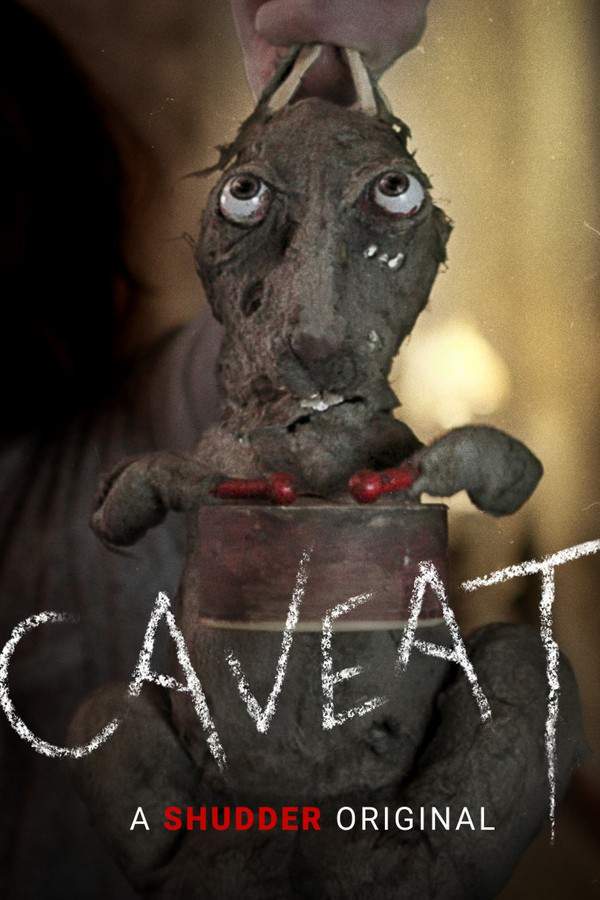
Tarun, an architect, moves into a luxurious bungalow with his wife Namrata Manisha Koirala and their children, 10-year-old Taman and 6-year-old Nimmi. During an exploration of the house, Nimmi discovers a doll and begins including someone named “Shabbu” in all her activities. The family initially chalks this up to Nimmi’s vivid imagination, but she soon points to an empty space and insists that Shabbu is real, turning a quiet residence into a place thick with unexplained presence.
Tarun’s younger sister, Pooja Madhu Shalini, arrives for a visit, and the family’s conversation turns toward Nimmi’s fixation with Shabbu. The household staffer, Laxman, claims there is a spirit in the house, a conviction that Tarun greets with skepticism. Night after night, the bungalow grows increasingly hostile: knocks at unearthly hours, eerie noises, and movements that defy explanation. The tension between Tarun’s rational stance and Laxman’s warnings creates a growing rift, and it seems every corner of the home hides a potential disturbance.
As Nimmi’s attachment to Shabbu deepens, the family seeks professional help and consults a psychiatrist. The doctor offers a practical reading: Nimmi’s imaginary friend could arise from loneliness and serve as a familiar mechanism for a child seeking attention. Yet the unsettling events persist, pressing the family to question what they can rationally explain. When Laxman suddenly disappears, curiosity blossoms in Pooja to uncover the truth, and she installs wireless cameras around the house. The footage captured on these devices appears to show Nimmi playing with what looks like a ghostly apparition, a revelation that shatters Tarun’s skepticism and pushes the family toward leaving the house.
But the house has other plans. The morning after they decide to depart, Nimmi is found missing. The police are called, but they treat the family’s accounts as delusional and offer little help. A chilling sequence follows: a mysterious phone call with Nimmi’s voice coming from the upper floor, the discovery of Laxman’s murder, and the house slipping into a state of lockdown with deadened phones. Taman is killed in the escalating turmoil, and Nimmi appears increasingly possessed, turning her fearsome energy toward her parents.
Pooja joins the fight, and in a desperate struggle, Nimmi’s possession escalates into an attempt to kill her own mother and father. With Pooja’s aid, the danger is contained temporarily, and the family escapes the burning, blood-soaked nightmare that once housed them. As they flee, the remaining survivors stagger out of the building, scarred but alive. In a final, haunting image, Nimmi crawls out of the wreckage at a low angle, and, in a chilling closing moment, introduces herself as Shabbu to the neighborhood children.