Plot Explained Spoilers guaranteed!
Plot Explained

Browse by genre

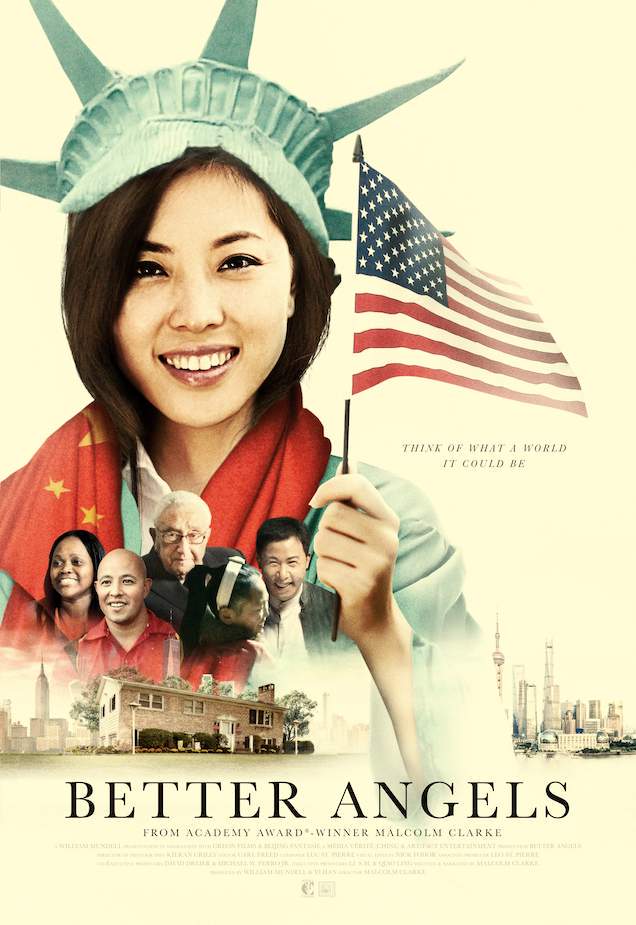
Better Angels (2018) movie poster

Timeline

Better Angels (2018) Timeline Explained – Every Event in Order

Release, runtime and language
2018 · 92 min · English
Loading streaming availability…
Directed by
Malcolm Clarke
Starring
Madeleine Albright, Glad Cheng, Henry Kissinger, James A. Baker, Jianlin Wang

As China's influence grows and challenges the United States, a period of uncertainty arises. This documentary, Better Angels, investigates the complex relationship between these two economic superpowers. It explores the potential consequences of escalating conflict and the possibility of peaceful coexistence, examining the historical tensions and potential pathways toward a more stable global future where differences can be overcome.

On this page (6)
  1. 1 Where to watch
  2. 2 Events in order (12)
  3. 3 Timeline questions answered
  4. 4 Movie threads
  5. 5 Categories
  6. 6 Every angle
Loading streaming availability…

12 events in order · contains spoilers

Better Angels Timeline: Events in Chronological Order

Every key event of Better Angels (2018) in order, scene by scene, with when and where it takes place. Use it to untangle flashbacks, time jumps and parallel storylines, to refresh your memory before the sequel or to find the exact scene you are thinking of.

  1. Opening of the Documentary

    The documentary 'Better Angels' opens by setting the stage for the intricate relationship between the United States and China. It emphasizes the importance of understanding both nations and the consequences of their interactions on a global scale.

  2. Introduction of Narratives

    The film introduces poignant narratives from citizens living in both countries, across various regions including Alabama and Shanghai. These personal stories illustrate the connections and shared experiences between the people of the U.S. and China.

    Where
    Alabama, Shanghai
  3. Highlighting Historical Context

    Throughout the film, the historical context of U.S.-China relations is explored, showcasing key events that have shaped their interactions over the decades. This background provides viewers with insight into the current tensions and complexities.

  4. Voices of Everyday Citizens

    The filmmakers emphasize the voices of everyday citizens, highlighting how their lives are impacted by the political landscape. By presenting these narratives, the film fosters a deeper understanding of the human element behind geopolitical strategies.

    Where
    Iowa, Beijing
  5. Diplomatic Wisdom

    Former U.S. Secretary of State Madeleine Albright shares her insight on diplomacy, likening it to a game of billiards. Her analogy captures the complexities and unpredictable nature of international relations.

  6. Escalating Tensions

    The documentary reflects on the escalating economic and diplomatic tensions between Washington and Beijing. This portrayal resonates with current headlines and emphasizes the urgency of finding a diplomatic resolution.

  7. Call for Collaboration

    Throughout the film, there is a strong advocacy for collaboration between the two superpowers. The filmmakers argue that engaging in mutually beneficial interactions is essential for global stability and peace.

  8. Exploring Ideological Divides

    The film delves into the ideological divides that exist between the U.S. and China, examining how these divides complicate efforts for peace and understanding. It questions whether these barriers can be overcome.

  9. Impact of Social Media

    A critical examination is conducted regarding the influence of social media on international relations. The filmmakers underscore that the fate of billions may be impacted by a single tweet, highlighting the risks of escalation.

  10. Advocating for Rationality

    The film concludes with a strong message advocating for a more rational approach to U.S.-China relations. It urges both countries to seek understanding and respect rather than confrontation as geopolitical tensions rise.

  11. Future Implications

    In its closing statements, 'Better Angels' poses critical questions about the future of U.S.-China relations. It emphasizes the need for dialogue, cooperation, and an avoidance of isolationism for the sake of global security.

  12. Final Reflections

    The film leaves viewers with thought-provoking reflections on the interconnectedness of nations. It suggests that resolving tensions requires not just political maneuvering, but genuine human connections across borders.

Last updated: October 25, 2024 at 11:34

Was this helpful?

Timeline questions answered

Better Angels Timeline Explained: Your Questions Answered

When does it happen, and why in that order? The questions people ask about the chronology of Better Angels (2018): time jumps, flashbacks, cause and effect between scenes and the correct order of events, each answered with spoilers.

Q1

What is the main argument or thesis of Better Angels?

The documentary argues that the United States and China must move beyond confrontational approaches and engage in collaborative, mutually beneficial interactions for global stability. It contends that despite escalating tensions and ideological divides, peaceful coexistence is still possible if both nations pursue rational diplomacy and genuine mutual respect.

  • thesis
  • argument
  • diplomacy
  • collaboration
  • superpowers
Q2

Why does the documentary focus on everyday citizens rather than just political leaders?

The filmmakers use personal narratives from ordinary people in Alabama, Shanghai, Iowa, and Beijing to humanize the geopolitical debate. By showing how individual lives are affected by political decisions, the documentary argues that real human connections across borders are essential to overcoming tensions, not just official diplomatic negotiations.

  • citizens
  • personal stories
  • human element
  • everyday people
Q3

What does Madeleine Albright's billiards analogy mean in the context of the documentary?

Albright's comparison of diplomacy to billiards illustrates that international relations are unpredictable, intentions rarely produce straightforward results. A single policy action creates unintended consequences that affect many other areas, much like a billiard ball hitting multiple others. This analogy underscores why careful, rational diplomacy matters and why miscalculations can escalate tensions.

  • Madeleine Albright
  • diplomacy
  • analogy
  • foreign policy
Q4

Why does the documentary end with questions rather than definitive answers?

The filmmakers intentionally leave the ending open because the questions posed, about whether a new cold war can be avoided and if economic rivalries can be overcome, are genuinely unresolved. This ambiguity reflects the real-time nature of the tensions and acknowledges that the future of U.S.-China relations remains uncertain, depending on choices yet to be made.

  • ending
  • ambiguity
  • future
  • questions
  • resolution
Q5

What does the title 'Better Angels' refer to and why was it chosen?

The title references the concept of 'better angels', the idea that people and nations have a higher moral nature that can guide them toward better decisions. It reflects the documentary's hopeful argument that both the U.S. and China can appeal to their better instincts to overcome rivalry and pursue cooperation rather than conflict.

  • title
  • meaning
  • symbolism
  • metaphor
Q6

What role does social media play in the documentary's argument about U.S.-China relations?

The documentary highlights that modern diplomacy faces unprecedented risks because a single tweet or social media post from a leader can rapidly escalate tensions between nations. This examination argues that the speed and volatility of social media make rational diplomacy more difficult and increase the stakes for miscommunication.

  • social media
  • twitter
  • digital diplomacy
  • risk
  • escalation
Q7

What historical events does the documentary cover to explain current U.S.-China tensions?

The film provides historical context about key events that have shaped U.S.-China relations over decades. This background helps viewers understand how past interactions, including diplomatic breakthroughs and conflicts, have created the complex current situation and why resolving tensions requires understanding this historical foundation.

  • history
  • historical context
  • timeline
  • past events
Q8

Does the documentary take a side, or does it present balanced coverage of both nations?

The documentary maintains a neutral, journalistic tone while clearly advocating for collaboration over confrontation. It presents perspectives from both American and Chinese citizens and examines ideological divides objectively, but ultimately argues that rational, cooperative approaches serve both nations' interests better than escalating conflict.

  • balance
  • objectivity
  • advocacy
  • neutrality
  • coverage
Q9

What ideological differences between the U.S. and China does the documentary examine?

The documentary explores fundamental ideological divisions that complicate cooperation, including differing views on governance, human rights, and economic systems. It questions whether these deep-seated differences can truly be bridged while acknowledging that overcoming them requires more than political maneuvering, it demands genuine mutual respect.

  • ideology
  • divides
  • differences
  • governance
  • systems
Q10

Why was the documentary produced over five years, and does it matter?

The five-year production span allowed filmmakers to capture evolving tensions and changing perspectives as U.S.-China relations shifted. This extended timeline gave them access to real developments rather than hypothetical scenarios, making the documentary's urgency and relevance more compelling as it reflects actual historical progression.

  • production
  • filming
  • time
  • history
  • development
Q11

Why does the documentary focus on specific locations like Alabama, Shanghai, Iowa, and Beijing?

These locations represent diverse economic and cultural contexts within each nation, rural and urban, different industries and lifestyles. By featuring stories from these varied places, the documentary demonstrates that the U.S.-China relationship affects all levels of society, not just capital cities or political elites.

  • locations
  • Alabama
  • Shanghai
  • Iowa
  • Beijing
  • geography

Movie threads

More Movies Like Better Angels, by Mood & Story

Curated lists built around what makes Better Angels tick: the same mood, the same kind of story or the same emotional payoff. Each list explains why these movies belong together.

Soaring Geopolitical Documentaries like Better Angels

Documentaries that unpack the complex and urgent relationships between world powers. Explore movies like Better Angels that offer a sobering look at superpower dynamics. These documentaries thoughtfully examine international relations, diplomacy, and global stability, providing a steady-paced and analytical viewing experience for those interested in complex geopolitical stories.

  • analytical
  • sobering
  • thoughtful
  • urgent
  • cautious
  • informative
  • Tone: neutral, analytical, sobering
  • Pacing: steady, informative
Why these movies?

The story pattern: The narrative pattern involves systematically investigating a major geopolitical issue, often through expert interviews, historical context, and on-the-ground perspectives. The journey is one of discovery and analysis, building a case for understanding complexity rather than offering simple solutions. The ending is frequently ambiguous, reflecting the unresolved nature of real-world challenges.

Why they belong together: These movies are grouped by their shared commitment to a balanced, journalistic tone, a steady pacing that allows for deep analysis, and a focus on the sobering realities of international power dynamics. They create a specific vibe of urgent contemplation.

Thoughtful Movies with Ambiguous Endings like Better Angels

Stories that explore complex questions without providing easy answers. Discover films similar to Better Angels that delve into complex subjects and conclude with thoughtful ambiguity. If you appreciated the film's refusal to offer a simple answer, you'll find more stories here that explore difficult questions and leave you contemplating the possibilities.

  • contemplative
  • thoughtful
  • ambiguous
  • sobering
  • cerebral
  • open-ended
  • Tone: thoughtful, neutral, contemplative
  • Pacing: steady, deliberate
Why these movies?

The story pattern: The narrative pattern involves a deep dive into a multifaceted problem, presenting various perspectives and conflicting evidence. The central conflict is often intellectual or moral rather than purely physical. The story builds to a point of realization about the complexity of the issue, culminating in an ambiguous ending that encourages further reflection rather than providing closure.

Why they belong together: These films are connected by their moderate complexity, medium emotional weight, and, most importantly, their ambiguous or open-ended conclusions. They share a thoughtful pacing and a tone that values the process of questioning over the comfort of resolution.

Categories

Movie Lists Featuring Better Angels

Better Angels appears in these hand-built movie categories. Each one groups movies by a specific mood, theme or story type, with their plot summaries and endings explained.

View all movie categories

Every angle

Better Angels (2018) Explained: Plot, Timeline & Characters

Everything about Better Angels in one place: what happens in the plot summary, the timeline in chronological order, the characters and meaning and a spoiler-free summary. What's After the Movie adds the cast, box office and post-credit scenes.

Coming soon on iOS and Android

The Plot Explained Movie Summary App

Plot summaries, endings explained and timelines on your phone. Catch up on any movie in minutes, save your favorites and never miss a twist again.

Be the first to know when we launch. Your email stays private, always.

Learn more about the app