Plot Explained Spoilers guaranteed!
Plot Explained

Browse by genre

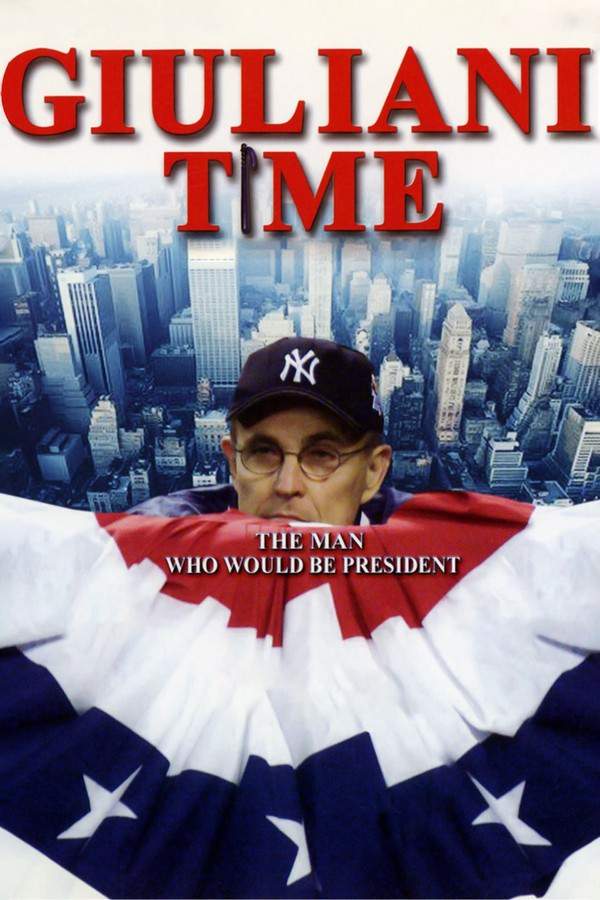
Giuliani Time (2006) movie poster

Plot Summary

Giuliani Time (2006) Plot Summary Explained

Release, runtime and language
2006 · 130 min · English
Loading streaming availability…
Directed by
Kevin Keating
Starring
Rudolph W. Giuliani

Kevin Keating's documentary explores Rudy Giuliani’s time as mayor of New York City before the events of 9/11. The film presents a revealing look at a complicated leader and examines how his legacy was profoundly changed by tragedy. Through interviews with figures such as Ed Koch, Al Sharpton, Donald Trump, and Wayne Barrett, the documentary illuminates Giuliani’s significant impact on the city during his tenure.

On this page (6)
  1. 1 Where to watch
  2. 2 What happens: full plot
  3. 3 Plot questions answered
  4. 4 Movie threads
  5. 5 Movies like Giuliani Time
  6. 6 Every angle
Loading streaming availability…

Full plot summary · contains spoilers

What Happens in Giuliani Time: Full Plot Summary

The whole story of Giuliani Time (2006) explained, from the opening scene to the final frame: every key event, every twist and what it all adds up to. Read it as a quick recap before the sequel, to check a scene you missed, or to finally understand what really happened.

Ever since the tragic events of September 11, 2001, Rudy Giuliani has emerged as a globally recognized figure, synonymous with his leadership as mayor during that catastrophic period. His immediate response to the tragedy catapulted him into the limelight, leading to accolades that included being named Time magazine's Person of the Year, receiving a knighthood from Queen Elizabeth II, and becoming a prominent fundraiser and dynamic campaigner for the Bush/Cheney administration. In the years that followed, Giuliani's name has frequently surfaced as a potential candidate for high-profile roles, such as a senator, governor, and even positions like America's envoy to the United Nations or director of the CIA. As speculation grew, he also became a favored candidate for the 2008 GOP Presidential nomination.

However, the documentary Giuliani Time delves beneath the surface to explore what truly defined "America's Mayor" before he became synonymous with national victory. This film scrutinizes his record in office during the brief years he served as an elected official. What strategies shaped the Republican New Urban Paradigm in an overwhelmingly Democratic city?

During the late 1990s, New York City flourished as a hub of tourism and prosperity, buoyed by the booming dot-com economy. This period was often heralded as a model for a new urban paradigm. Though Giuliani's popularity within New York City fluctuated significantly, particularly among the local populace, he was often heralded outside of local media as being instrumental in transforming the city from a once chaotic environment into a gleaming and affluent metropolis. The accolades he received were largely attributed to his high-profile policies, which included quality of life policing, workfare, and welfare reform, augmenting a narrative deeply influenced by conservative think tanks like the Manhattan Institute. His policies became a benchmark emulated by urban centers worldwide, from London to Mexico City.

Yet, this glowing perspective is challenged by evidence from a variety of federal, state, and local inquiries, alongside firsthand accounts from diverse communities across the city. Many critics argue that Giuliani's political maneuvers fostered racial polarization and division, doing little to alleviate poverty amidst economic prosperity, and even exacerbating the gap between the affluent and the impoverished. The celebrated reduction in crime, counted as one of his significant achievements, remains a contentious issue still debated in academic and professional circles.

Moreover, the long-term fallout from policing techniques such as stop-and-frisk, zero tolerance, and broken windows policing has faced significant scrutiny. His track record regarding First Amendment rights is often cited as problematic, and the documented use and abuse of governmental power during his tenure raised serious concerns. Giuliani Time effectively demonstrates how the era he navigated marked a significant reversal of the progressive social and economic initiatives that thrived throughout the 1960s and 1970s, rooted in the New Deal of the 1930s.

This thought-provoking documentary presents an exhilarating exploration of the political ambitions and misremembered histories associated with Giuliani's time in office. Featuring a spectrum of voices, including former police commissioners, chancellors of schools under his administration, past mayors, conservative policymakers, journalists, policemen, artists, homeless individuals, and even Donald Trump, Giuliani Time offers a multifaceted and compelling viewpoint of this pivotal historical chapter in New York City. The narrative takes viewers on a journey through the extraordinary rise of a once humble mayor, ultimately transforming into an internationally recognized figure—an influence that continues to resonate even today.
Last updated: May 13, 2025 at 20:31

Was this helpful?

Plot questions answered

Giuliani Time Plot Explained: Your Questions Answered

The questions people ask most about Giuliani Time (2006): what happens in the confusing scenes, why the characters do what they do, the twists, hidden details and what the ending means. Each answer contains spoilers.

Q1

Why did Rudy Giuliani gain international fame after 2001?

His immediate response to the September 11 attacks catapulted him into the limelight, earning accolades like Time magazine's Person of the Year. This leadership during the catastrophic period transformed him into a globally recognized figure synonymous with national victory. The documentary Giuliani Time explores how this tragedy profoundly changed his legacy from a local mayor to an international icon.

Foreshadowing: Early leadership during crisis hinted at later global recognition.

  • rudy giuliani
  • 9/11
  • international fame
  • person of the year
  • legacy
Q2

Why were Giuliani's policies controversial among locals?

Critics argue that his political maneuvers fostered racial polarization and did little to alleviate poverty amidst economic prosperity. Many communities felt his administration exacerbated the gap between the affluent and the impoverished rather than unifying the city. The film highlights evidence from local inquiries that challenge the glowing perspective often held outside New York.

Foreshadowing: Early economic prosperity masked underlying social tensions.

  • controversial policies
  • racial polarization
  • poverty
  • local inquiries
  • community division
Q3

What specific policing strategies did the administration implement?

Giuliani implemented high-profile policies such as quality of life policing, workfare, and welfare reform to improve public safety and order. Techniques like stop-and-frisk and zero tolerance became benchmarks emulated by urban centers worldwide but faced severe scrutiny locally. These strategies are credited with reducing crime but remain contentious regarding their social impact and racial equity.

Foreshadowing: Initial crime reduction hinted at future scrutiny regarding equity.

  • policing strategies
  • stop-and-frisk
  • zero tolerance
  • quality of life
  • welfare reform
Q4

How did the film contrast his pre-9/11 record with his later image?

The documentary delves beneath the surface to explore what truly defined America's Mayor before he became synonymous with national victory. It scrutinizes his record in office during the brief years he served as an elected official prior to the tragedy. This thought-provoking exploration challenges the glowing perspective often held by outside media against local accounts.

Foreshadowing: Early accolades obscured the contested local record.

  • pre-9/11 record
  • later image
  • documentary
  • america's mayor
  • local accounts
Q5

Why is the crime reduction during his tenure debated?

While celebrated as one of his significant achievements, the reduction in crime remains a contentious issue still debated in academic and professional circles. The documentary presents evidence from federal and state inquiries that challenge the direct causality of his policies versus other factors. Viewers learn that the long-term fallout from policing techniques faces significant scrutiny regarding effectiveness.

Foreshadowing: Initial crime stats hinted at later academic debate.

  • crime reduction
  • debated
  • academic circles
  • policing techniques
  • effectiveness
Q6

Did his administration unify or divide New York communities?

Many critics argue that Giuliani's political maneuvers fostered racial polarization and division within the city during his tenure. Communities reported that instead of unifying, his administration exacerbated the gap between different socioeconomic and racial groups. The film presents firsthand accounts from diverse communities that challenge the narrative of progress.

Foreshadowing: Early policy shifts hinted at future community division.

  • unify or divide
  • communities
  • racial polarization
  • socioeconomic groups
  • narrative of progress
Q7

How did Giuliani influence urban policy globally?

His policies became a benchmark emulated by urban centers worldwide, from London to Mexico City, showcasing a shift in urban policy. The narrative demonstrates how his governance style influenced a reversal of progressive social and economic initiatives rooted in the New Deal. This global influence continues to resonate even today as cities analyze his successes and failures.

Foreshadowing: Early emulation hinted at future global scrutiny.

  • urban policy
  • globally
  • london
  • mexico city
  • governance style
Q8

What criticisms were raised regarding First Amendment rights?

Giuliani's administration faced backlash for what many perceived as a disregard for First Amendment rights during his tenure. The documented use and abuse of governmental power raised serious concerns about the suppression of dissent. The film highlights these incidents as problematic aspects of his track record alongside policing strategies.

  • first amendment
  • criticisms
  • governmental power
  • suppression of dissent
  • track record
Q9

What political roles did Giuliani pursue after leaving office?

Speculation grew about him running for high-profile roles such as a senator, governor, or even America's envoy to the United Nations. He also became a favored candidate for the 2008 GOP Presidential nomination due to his post-9/11 legacy. His celebrity status provided political leverage that he used to actively campaign for the Bush/Cheney administration.

  • political roles
  • senator
  • governor
  • 2008 gop
  • bush/cheney
Q10

How did the administration affect the gap between rich and poor?

Critics argue that his political maneuvers did little to alleviate poverty amidst economic prosperity and even exacerbated the gap between the affluent and the impoverished. Community divisions were reported where his administration exacerbated socioeconomic and racial groups instead of unifying them. The summary notes that long-term fallout from these policies faced significant scrutiny regarding social inequities.

  • wealth gap
  • rich and poor
  • poverty
  • economic prosperity
  • social inequities
Q11

What is the "New Urban Paradigm" referenced in the film?

This paradigm refers to the Republican New Urban Paradigm shaped in an overwhelmingly Democratic city during the late 1990s. It was augmented by a narrative deeply influenced by conservative think tanks like the Manhattan Institute. The film examines how this model transformed the city into a gleaming and affluent metropolis while hiding social costs.

  • new urban paradigm
  • republican
  • democratic city
  • manhattan institute
  • social costs
Q12

Why did Giuliani campaign for the Bush/Cheney administration?

Following 9/11, Giuliani became a fervent supporter and key fundraiser for the Bush/Cheney administration using his celebrity status. His political leverage allowed him to act as a dynamic campaigner for their policies during the years that followed. This alignment helped solidify his reputation as a prominent figure in national politics beyond New York.

  • campaign
  • bush/cheney
  • fundraiser
  • celebrity status
  • national politics
Q13

How did the dot-com economy affect his tenure?

During the late 1990s, New York City flourished as a hub of tourism and prosperity, buoyed by the booming dot-com economy. This economic environment helped herald the period as a model for a new urban paradigm under Giuliani's leadership. The summary notes that this prosperity often overshadowed the contentious issues regarding social equity and poverty.

  • dot-com economy
  • tenure
  • tourism
  • prosperity
  • social equity
Q14

Who provided critical perspectives in the documentary?

The narrative features a spectrum of voices including former mayors, journalists, policemen, and even Donald Trump. Interviews with figures such as Ed Koch and Al Sharpton illuminate Giuliani's significant impact on the city during his tenure. These diverse perspectives offer a multifaceted and compelling viewpoint of this pivotal historical chapter.

  • critical perspectives
  • documentary
  • ed koch
  • al sharpton
  • donald trump
Q15

When did Giuliani's national fame peak according to the timeline?

His name emerged as a favored candidate for the 2008 GOP Presidential nomination following years of speculation about high-profile political positions. The timeline indicates his popularity surged due to his post-9/11 legacy positioning him as a relevant figure in national politics. This period marks the transition from local mayor to internationally recognized figure.

  • national fame
  • peak
  • 2008 gop
  • timeline
  • post-9/11 legacy

Movie threads

More Movies Like Giuliani Time, by Mood & Story

Curated lists built around what makes Giuliani Time tick: the same mood, the same kind of story or the same emotional payoff. Each list explains why these movies belong together.

Politically charged documentaries like Giuliani Time

Documentaries that deconstruct the complex legacy of a controversial public figure. If you liked the analytical depth of Giuliani Time, explore more movies that dissect the complex legacies of political figures. These documentaries provide serious, revealing examinations of leadership, using interviews and evidence to challenge popular perceptions.

  • thought-provoking
  • analytical
  • revealing
  • instructive
  • serious
  • critical
  • Tone: analytical, critical, serious
  • Pacing: steady, chronological
Why these movies?

The story pattern: Narratives in this thread typically unfold as investigative journeys, chronologically tracing a subject's rise to power and examining key decisions. They present contrasting viewpoints to build a balanced yet critical argument, focusing on the real-world impact of policies and the shaping of a public persona.

Why they belong together: Movies are grouped here for their shared focus on serious political analysis, their neutral-to-critical tone, and their methodical approach to unraveling a complex individual's legacy. They appeal to viewers seeking a thoughtful, evidence-based understanding of power.

Movies that are journalistic exposés like Giuliani Time

Films that pull back the curtain on influential institutions and their leaders. Viewers of Giuliani Time who appreciated its investigative, reportorial style will find similar films here. These movies act as cinematic journalism, uncovering the inner workings of power structures and presenting a critical, instructive look at their impact on society.

  • investigative
  • revealing
  • instructive
  • serious
  • critical
  • fact-based
  • Tone: revealing, instructive, serious
  • Pacing: steady, logical
Why these movies?

The story pattern: The narrative pattern is one of uncovering and building a case. The film assembles facts, testimony, and contrasting perspectives to guide the audience toward a deeper understanding of a subject. The conflict often arises from the gap between public perception and documented reality.

Why they belong together: These films share a sober, instructive mood and a steady pacing that prioritizes clarity and evidence. They are united by a desire to inform and challenge the audience, focusing on real-world issues and the consequences of decisions made by the powerful.

If you liked this

Movies Like Giuliani Time

Similar movies to Giuliani Time: the same genre, themes or kind of story. Each one comes with its own plot summary, timeline and ending explained.

Browse all movie summaries

Every angle

Giuliani Time (2006) Explained: Plot, Timeline & Characters

Everything about Giuliani Time in one place: what happens in the plot summary, the timeline in chronological order, the characters and meaning and a spoiler-free summary. What's After the Movie adds the cast, box office and post-credit scenes.

Coming soon on iOS and Android

The Plot Explained Movie Summary App

Plot summaries, endings explained and timelines on your phone. Catch up on any movie in minutes, save your favorites and never miss a twist again.

Be the first to know when we launch. Your email stays private, always.

Learn more about the app