Plot Explained Spoilers guaranteed!
Plot Explained

Browse by genre

Benedict Arnold: A Question of Honor (2003) movie poster

Characters & Themes

Benedict Arnold: A Question of Honor (2003) Characters, Setting & Themes Explained

Release, runtime and language
2003 · 100 mins · English
Directed by
Mikael Salomon
Starring
Kelsey Grammer, Allen Leech, John Kavanagh, Aidan Quinn, Flora Montgomery, Mark Lambert

On the Revolutionary battlefields, George Washington emerges as the future founding father while Benedict Arnold, once the Continental Army’s trusted commander, wins key victories and earns Washington’s confidence. Torn between patriotism and love for the scheming Peggy Shippen, Arnold defects to Britain and plots his former mentor’s assassination.

On this page (7)
  1. 1 Where to watch
  2. 2 Characters explained (7)
  3. 3 Where & when it takes place
  4. 4 Themes & meaning (4)
  5. 5 Character & meaning questions
  6. 6 Movie threads
  7. 7 Every angle

Where to watch

Where to Watch Benedict Arnold: A Question of Honor (2003)

Where can you watch Benedict Arnold: A Question of Honor? Stream, rent or buy it in the US, including on Amazon Prime Video and Amazon Video: current JustWatch availability with up-to-date prices.

Streaming availability powered by JustWatch

7 main characters · contains spoilers

Benedict Arnold: A Question of Honor Characters Explained: Who Is Who

The main characters of Benedict Arnold: A Question of Honor (2003), heroes and villains: what drives them, how they change over the course of the story and what each of them reveals about the film's bigger ideas.

  • Benedict Arnold (Aidan Quinn)

    Ambitious and highly capable military officer whose early victories elevate him to fame and a coveted promotion. He grows increasingly wary of being undervalued by Congress and Washington, fueling a desire for greater authority. His arc moves from celebrated hero to orchestrator of a treasonous plan to seize West Point.

    • 🧭 Ambition
    • ⚔️ Military genius
    • 🕰️ Complex morality
  • George Washington (Kelsey Grammer)

    Strategic and imposing leader who recognizes Arnold's talents yet grows wary of his ambitions and personal loyalties. He navigates political pressures and rivalries while trying to preserve unity and the war effort. Washington's decisions frame Arnold's career and the Republic’s responses to crisis.

    • 🗺️ Leadership
    • 🏛️ Statesmanship
    • 🧭 Strategic vision
  • Peggy Shippen (Flora Montgomery)

    A charismatic figure drawn to power and influence, Peggy maneuvers through romance and politics to shape Arnold's choices. She influences the trajectory toward treason and tests the limits of loyalty and affection within the wartime environment. Her ambitions intersect with the personal and political stakes of the era.

    • 💘 Romantic influence
    • 🎯 Political maneuvering
    • 🗣️ Persuasion
  • John André (John Light)

    A British officer who becomes Arnold's key liaison in the West Point plot, embodying the clandestine side of the war. His actions and faltering fortunes culminate in his capture and execution, symbolizing the peril of espionage and the costs of treason.

    • 🕵️ Espionage
    • 🤝 Betrayal
  • Joshua Smith (Mark Lambert)

    Pennsylvania governor who exerts political pressure and tries to intimidate Arnold, reflecting the fragile relationship between local governance and military command. He represents the contested authority that shapes Arnold's career and the war effort in the region.

    • 🏛️ Governance
    • 🗳️ Political pressure
  • Major Franks (Tom Murphy)

    Aide and loyalist to Arnold, tasked with logistics, wagons, and protecting his family during mounting tensions. His role highlights the strain of wartime supply and family security amid political storms.

    • ⚙️ Logistics
    • 🛡️ Loyalty
  • Judge Shippen (John Kavanagh)

    Peggy's father who is wary of Arnold's public image and pushes for formal scrutiny through a court-martial. He embodies the skeptical, conservative voice within the revolutionary era's disputes over character and justice.

    • ⚖️ Judgment
    • 🧭 Political influence

Last updated: October 03, 2025 at 10:26

Was this helpful?

Setting

Where and When Does Benedict Arnold: A Question of Honor Take Place?

The setting of Benedict Arnold: A Question of Honor (2003): the year and time period, the places and locations, and how they shape the characters, the mood and the tension of the story.

Time period

Late 18th century (1770s–1780s)

The narrative is anchored in the years of the Revolutionary War, covering campaigns, battles, and political maneuvering from the mid 1770s through the early 1780s. It highlights key moments such as the invasion of Canada, the Battle of Valcour Island, the Saratoga victory, and the West Point plot, culminating in Arnold's exile and the war's aftermath.

Location

Maine wilderness, Canada, Saratoga (New York), Valley Forge (Pennsylvania), Philadelphia (Pennsylvania), West Point (New York), Mount Pleasant (Pennsylvania), United Kingdom

The film unfolds across the major theaters of the American Revolution, from the Maine wilderness and the invasion of Canada to Saratoga and Valley Forge, then moves to Philadelphia and the strategic stronghold at West Point. It also traces Arnold's home life at Mount Pleasant, his periods of recovery, and his eventual exile in the United Kingdom, painting a broad geographic backdrop for the war and its intrigues.

  • 🗺️ Historical settings
  • ⚔️ Revolutionary War theaters

Last updated: October 03, 2025 at 10:26

Was this helpful?

4 major themes

Benedict Arnold: A Question of Honor Meaning: Themes & Message Explained

What is Benedict Arnold: A Question of Honor (2003) really about? The emotional, social and philosophical themes the film keeps returning to, its symbolism and the message beneath the surface.

  • Betrayal

    Betrayal threads through Arnold's rise and fall as personal ambition collides with loyalty to the Republic. The push to seize West Point and the influence of Peggy Shippen propel a wavering sense of duty toward treason. The film probes whether prestige justifies treachery when the greater good seems at stake.

  • Power and Loyalty

    Ambition clashes with loyalty as leaders clash over commands, trust, and status. Washington and Gates vie for influence, shaping Arnold's choices and testing the boundaries between personal glory and national duty. The story questions whether loyalty to a cause can survive political gamesmanship.

  • Leadership

    The narrative centers on command under pressure, contrasting Arnold's bold leadership with political constraints and rivalries. It examines how strategic decisions in warrooms and on the field ripple outward to affect soldiers, civilians, and the fate of the nation. The film uses these dynamics to explore what makes a leader respected or reviled.

  • Memory

    The closing chapters reflect on how Arnold is remembered — heroic by some and traitorous by others. Exile in Britain and the sparse memorials at Saratoga frame a debate about legacy and the price of genius. The epilogue suggests history can sanitize or condemn a complex figure in equal measure.

Last updated: October 03, 2025 at 10:26

Was this helpful?

Character & theme questions

Benedict Arnold: A Question of Honor Characters & Meaning: Your Questions Answered

The questions people ask about Benedict Arnold: A Question of Honor (2003): who the characters really are, their relationships, what the symbols mean, where it takes place and what the movie is really about. Each answer contains spoilers.

Q1

Where is the movie set?

The film is set across the major theaters of the American Revolutionary War, including the Maine wilderness, Canada, Saratoga in New York, Valley Forge in Pennsylvania, Philadelphia, West Point, and Arnold's home at Mount Pleasant in Pennsylvania. The story concludes with his exile in the United Kingdom.

  • settings
  • revolutionary war
  • locations
  • american history
Q2

When does the story take place?

The movie is set during the late 18th century, specifically spanning the 1770s through the early 1780s. It covers key moments of the Revolutionary War including the invasion of Canada, the Battle of Valcour Island, the Saratoga victory, and the West Point plot.

  • time period
  • 1770s
  • 1780s
  • revolutionary war era
Q3

Why is Benedict Arnold considered a traitor?

Arnold, once a celebrated hero who won key victories for the Continental Army, ultimately defected to Britain and plotted to surrender West Point to the British. His treason was motivated by personal ambition, frustration with Congress, and his attraction to Peggy Shippen, leading him to betray his mentor George Washington and the cause of American independence.

  • betrayal
  • treason
  • traitor
  • west point plot
  • peggy shippen
Q4

Who is Peggy Shippen in the story?

Peggy Shippen is a charismatic young woman who becomes romantically involved with Arnold. She is drawn to power and influence, maneuvering through romance and politics to shape his choices. Her ambitions and manipulations are instrumental in pushing Arnold toward treason and aligning him with British interests.

  • peggy shippen
  • romance
  • influence
  • british plot
Q5

What is George Washington's relationship with Arnold?

Washington recognizes Arnold's exceptional military talents but becomes increasingly wary of his growing ambitions and personal loyalties. Despite trusting Arnold with important commands, Washington must navigate political pressures and rivalries while trying to preserve unity in the Continental Army. His decisions ultimately frame Arnold's career trajectory.

  • george washington
  • continental army
  • trust
  • command
Q6

What are the main themes of the movie?

The film explores several interconnected themes: betrayal, as Arnold's personal ambition leads to treason against the Republic; power and loyalty, examining the clash between personal glory and national duty; leadership, contrasting bold military command with political constraints; and memory, reflecting on how history remembers Arnold as both hero and traitor.

  • themes
  • betrayal
  • loyalty
  • leadership
  • memory
  • legacy
Q7

Who is John André in the film?

John André is a British officer who serves as Arnold's key liaison in the West Point conspiracy. He embodies the clandestine and dangerous world of espionage during the war. His capture and execution symbolize the peril facing those involved in treason and the high costs of espionage.

  • john andre
  • british officer
  • espionage
  • west point plot
  • spy
Q8

Why is Saratoga important to Arnold's story?

Saratoga represents Arnold's greatest military victory and the peak of his heroic reputation in the Continental Army. It was here that his bold leadership helped secure a crucial American victory that convinced France to ally with the colonists. The film contrasts this triumph with his later downfall, as he receives little recognition despite his decisive role.

Foreshadowing: Early battlefield successes at Saratoga establish Arnold as a celebrated hero before his eventual betrayal.

  • saratoga
  • victory
  • military hero
  • battle
  • recognition
Q9

Why does Arnold switch sides to Britain?

Arnold's defection is driven by a combination of factors: frustration with Congress for denying him recognition and promotions, resentment at what he perceives as being undervalued by Washington, and his growing involvement with Peggy Shippen who encourages the alliance with British intelligence. The film presents his choice as a tragic collision of personal ambition with loyalty to the cause.

  • defection
  • britain
  • treason
  • motivations
  • peggy shippen
Q10

How is Benedict Arnold portrayed in the film?

The film portrays Arnold as a complex figure, an ambitious and highly capable military officer whose early victories earn him fame and Washington's confidence. His arc traces a tragic descent from celebrated hero to orchestrator of treason, driven by wounded pride, political frustration, and romantic entanglement with Peggy Shippen.

  • benedict arnold
  • protagonist
  • portrayal
  • character arc
Q11

What is the tone and ending of the movie?

The film has a dark tone centered on betrayal and moral decay, with a steady pacing that chronicles Arnold's military successes and gradual turn toward treason. The ending is unambiguously sad, Arnold lives in exile in Britain, his name permanently tarnished as a traitor, sparse memorials at Saratoga standing as the only reminder of his once-heroic service.

  • tone
  • ending
  • dark
  • tragic
  • exile
  • legacy

Movie threads

More Movies Like Benedict Arnold: A Question of Honor, by Mood & Story

Curated lists built around what makes Benedict Arnold: A Question of Honor tick: the same mood, the same kind of story or the same emotional payoff. Each list explains why these movies belong together.

Historical Downfall Dramas like Benedict Arnold: A Question of Honor

Stories exploring the personal and political failures that tarnish a legacy. For viewers who appreciated the somber, steady narrative of Benedict Arnold: A Question of Honor, this collection features movies that chronicle the tragic downfalls of historical figures. If you liked exploring the personal flaws and political pressures that lead to infamy, you'll find similar heavy, character-driven stories here.

  • historical
  • tragic
  • somber
  • melancholic
  • political
  • tense
  • Tone: dark, tragic, somber
  • Pacing: steady, deliberate
Why these movies?

The story pattern: These narratives typically follow a linear, character-focused path, beginning with the protagonist's rise to prominence. The central conflict arises from a fatal character flaw—such as ambition, greed, or pride—clashing with external political pressures. The story builds steadily towards an inevitable, reputation-shattering act of betrayal or failure, culminating in a legacy of disgrace.

Why they belong together: Movies are grouped here for their shared focus on a historical figure's tragic arc, their somber and dark tone, and the heavy emotional weight of watching a legacy collapse. They share a steady, deliberate pacing that allows the downfall to feel both shocking and inevitable.
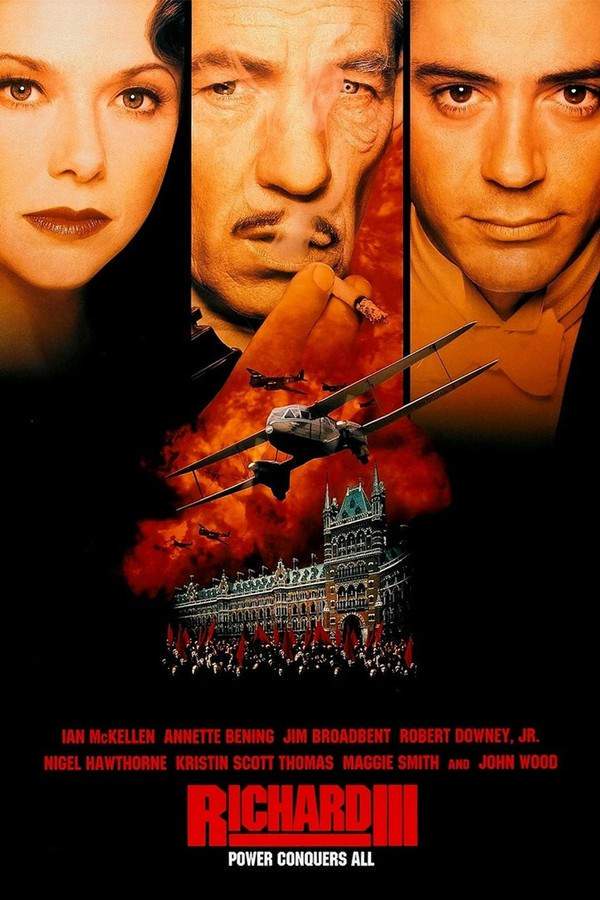
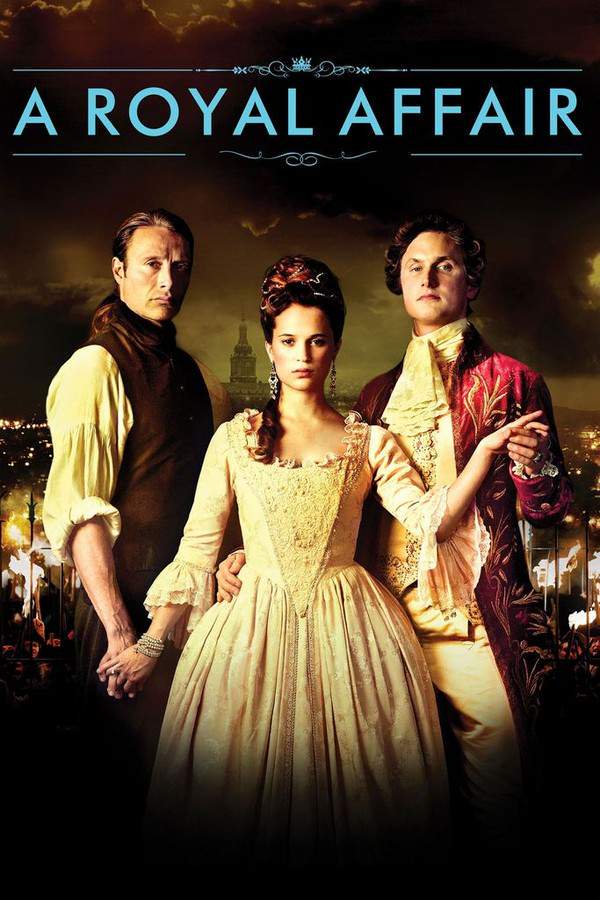
Political Betrayal Thrillers like Benedict Arnold: A Question of Honor

Methodical thrillers where loyalty is tested and trust is systematically broken. If you liked the tense, political intrigue and the methodical build-up to betrayal in Benedict Arnold: A Question of Honor, this section is for you. Discover similar movies with a steady pace, dark tone, and complex characters whose choices lead to devastating consequences.

  • tense
  • political
  • betrayal
  • somber
  • methodical
  • dramatic
  • Tone: dark, tense, political
  • Pacing: steady, methodical
Why these movies?

The story pattern: Stories in this thread often unfold within high-stakes political or organizational settings. The plot centers on a central relationship of trust that is slowly poisoned by resentment, ambition, or external manipulation. The narrative avoids frantic action, instead relying on dialogue, scheming, and psychological tension to create a sense of dread as the betrayal becomes inevitable.

Why they belong together: These films are connected by their primary focus on the theme of betrayal, their methodical pacing that allows the intrigue to simmer, and their consistently dark, tense atmosphere. They deliver a similar viewing experience of psychological tension and moral complexity.

Every angle

Benedict Arnold: A Question of Honor (2003) Explained: Plot, Timeline & Characters

Everything about Benedict Arnold: A Question of Honor in one place: what happens in the plot summary, the timeline in chronological order, the characters and meaning and a spoiler-free summary. What's After the Movie adds the cast, box office and post-credit scenes.

Coming soon on iOS and Android

The Plot Explained Movie Summary App

Plot summaries, endings explained and timelines on your phone. Catch up on any movie in minutes, save your favorites and never miss a twist again.

Be the first to know when we launch. Your email stays private, always.

Learn more about the app