Plot Explained Spoilers guaranteed!
Plot Explained

Browse by genre

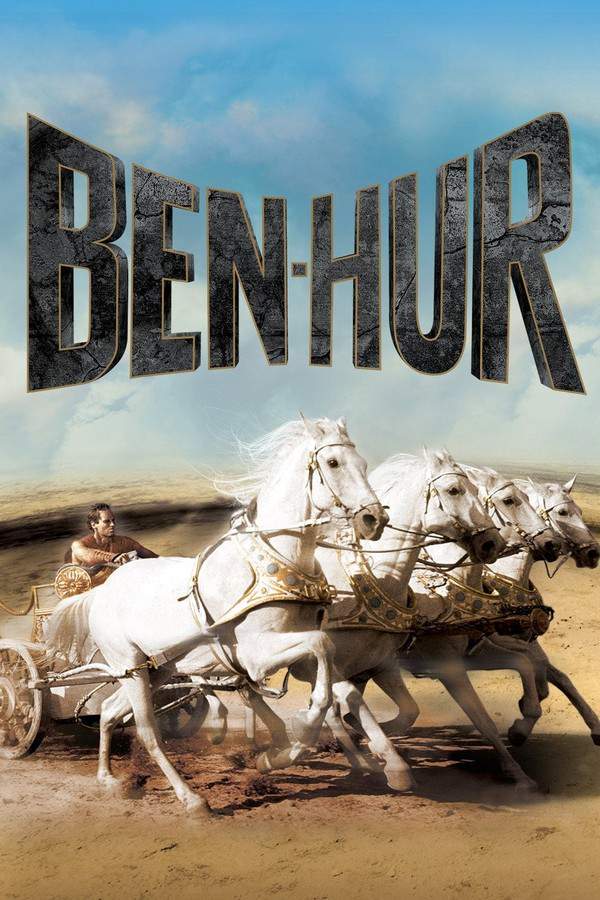
Ben-Hur (1959) movie poster

Timeline

Ben-Hur (1959) Timeline Explained – Every Event in Order

Release, runtime and language
1959 · 212 min · English
Loading streaming availability…
Directed by
William Wyler
Starring
Jack Hawkins, Charlton Heston, Stephen Boyd
Budget
$15M

In ancient Jerusalem, Judah Ben-Hur, a Jewish prince, experiences a devastating betrayal that strips him of his status and plunges him into slavery. Driven by an unwavering desire for justice and fueled by a longing for revenge, he embarks on a perilous journey to confront the former friend responsible for his downfall, a man he once considered a brother.

On this page (7)
  1. 1 Where to watch
  2. 2 Events in order (13)
  3. 3 Timeline questions answered
  4. 4 The book behind the movie
  5. 5 Movie threads
  6. 6 Movies like Ben-Hur
  7. 7 Every angle
Loading streaming availability…

13 events in order · contains spoilers

Ben-Hur Timeline: Events in Chronological Order

Every key event of Ben-Hur (1959) in order, scene by scene, with when and where it takes place. Use it to untangle flashbacks, time jumps and parallel storylines, to refresh your memory before the sequel or to find the exact scene you are thinking of.

  1. The Arrival of Messala

    In AD 26, Judah Ben-Hur, a wealthy prince in Jerusalem, is reunited with his childhood friend Messala, who returns as the commander of the Roman garrison. Their divergent paths create a palpable tension, with Messala now embracing Roman imperialism while Ben-Hur continues to advocate for the freedom of his people.

    When
    AD 26
    Where
    Jerusalem
  2. Family Life

    Ben-Hur enjoys a peaceful life with his mother, Miriam, and sister, Tirzah. Their loyal servant, Simonides, is busy preparing for his daughter's wedding, showcasing the familial bonds and traditions that define Ben-Hur's existence.

    Where
    Jerusalem
  3. The Grand Procession

    During a grand procession for the newly appointed governor of Judea, Valerius Gratus, a tragic accident occurs when a tile falls from Ben-Hur's roof, causing Gratus to fall off his horse. Although unintentional, Messala punishes Ben-Hur severely, sending him to the galleys and imprisoning his mother and sister to instill fear among the Hebrews.

    Where
    Jerusalem
  4. Betrayal and Punishment

    Ben-Hur's refusal to name fellow Hebrews who oppose Roman rule results in his imprisonment and the separation from his family. As he languishes in captivity, he swears vengeance against Messala for the wrongful suffering of his loved ones.

    Where
    Judea
  5. Meeting Jesus

    While enduring hardships as a galley slave, Ben-Hur encounters a local carpenter, interpreted by the audience as Jesus, who compassionately gives him water. This meeting begins to intertwine Ben-Hur's path with the future Messiah's fate.

    Where
    Galley
  6. Rescue and Adoption

    Assigned to the flagship of the Roman Consul Quintus Arrius, Ben-Hur proves his worth during a naval battle against Macedonian pirates. After saving Arrius from drowning, he is adopted by the consul, marking a turning point in his fortunes.

    Where
    At Sea
  7. Return to Jerusalem

    Years later, now a successful charioteer, Ben-Hur returns to Judea and reconnects with Esther. Here, he discovers that his family is alive but tragically afflicted with leprosy, intensifying his quest for redemption and vengeance.

    Where
    Jerusalem
  8. The Chariot Race

    The iconic chariot race unfolds, with Messala employing treacherous tactics against Ben-Hur. In a fierce contest, Messala's reckless actions lead to his demise while Ben-Hur triumphs, but not without losses attached to his victory.

    Where
    Judea
  9. The Valley of the Lepers

    After the race, Ben-Hur learns the location of his mother and sister from a dying Messala, who reveals their presence in the leper colony. This revelation propels Ben-Hur to seek his family and confront the realities of their plight.

    Where
    Valley of the Lepers
  10. Ben-Hur's Transformation

    Ben-Hur encounters Jesus during His trial, leading to a powerful emotional moment filled with compassion and regret. Witnessing the crucifixion, Ben-Hur experiences a profound transformation that redefines his perspective on vengeance and forgiveness.

    Where
    Golgotha
  11. Reunion with Family

    Following Jesus' crucifixion, Ben-Hur's mother and sister are miraculously healed. The emotional reunion highlights the themes of redemption, as they come together after suffering long separations and afflictions.

    Where
    Jerusalem
  12. Message of Forgiveness

    In the wake of his family's reunion, Ben-Hur recounts feeling Jesus' forgiveness and love. This revelation brings him peace and a new understanding of his past actions and intentions, allowing him to let go of his thirst for vengeance.

    Where
    Jerusalem
  13. A New Dawn

    The film concludes with a poignant image of empty crosses at Calvary, symbolizing hope and renewal. A shepherd guides his flock, reinforcing the message of redemption that permeates through Ben-Hur's journey.

    Where
    Calvary

Last updated: November 02, 2024 at 11:48

Was this helpful?

Timeline questions answered

Ben-Hur Timeline Explained: Your Questions Answered

When does it happen, and why in that order? The questions people ask about the chronology of Ben-Hur (1959): time jumps, flashbacks, cause and effect between scenes and the correct order of events, each answered with spoilers.

Q1

Why does Messala betray Ben-Hur?

Messala betrays Ben-Hur because they have fundamentally different views about Roman occupation. While Messala has embraced Roman imperialism and now serves as commander of the Roman garrison, Ben-Hur remains committed to his faith and seeks freedom for the Hebrew people. When Messala asks Ben-Hur to identify Hebrews who speak against Roman rule, Ben-Hur refuses. This refusal, combined with Messala's desire to maintain Roman authority and perhaps a lingering jealousy of Ben-Hur's status, leads Messala to use the falling tile incident as justification to destroy Ben-Hur's life.

Foreshadowing: The tension between them is established early when Messala returns and expresses his embrace of Roman power while Ben-Hur maintains his loyalty to his people.

  • messala
  • betrayal
  • roman
  • friendship
  • political tension
Q2

Why is Ben-Hur sent to the galleys?

Ben-Hur is sent to the galleys because of aaccident during Governor Valerius Gratus's procession. A tile falls from Ben-Hur's roof and strikes the governor, causing him to fall from his horse. Although Messala knows it was an accident, he uses this incident as a pretense to arrest Ben-Hur. The real reason for the harsh punishment is to intimidate the Hebrew community and force them to reveal dissidents. Messala imprisons Ben-Hur's mother and sister as further leverage.

Foreshadowing: Messala's warning to Ben-Hur about the consequences of refusal hints at his willingness to use any means necessary.

  • galleys
  • slavery
  • punishment
  • valerius gratus
  • roman governor
Q3

How does Ben-Hur survive his years as a slave?

Ben-Hur survives his three years as a galley slave through remarkable self-discipline and resilience. He is assigned to the flagship of Roman Consul Quintus Arrius, who is impressed by Ben-Hur's composure and strength. When the Roman fleet battles Macedonian pirates and Arrius's ship is rammed and sinking, Ben-Hur acts heroically by unshackling the other rowers and saving Arrius from drowning. This act of loyalty and bravery earns Arrius's respect and ultimately leads to Ben-Hur's freedom.

Foreshadowing: Ben-Hur's earlier refusal to be trained as a gladiator or charioteer, citing his faith that divine help will guide him, establishes his spiritual outlook.

  • slavery
  • survival
  • quintus arrius
  • naval battle
  • pirates
Q4

Why does Quintus Arrius adopt Ben-Hur?

Quintus Arrius adopts Ben-Hur because Ben-Hur saved his life during the naval battle with Macedonian pirates. When the ship was rammed and sinking, Ben-Hur unshackled the other rowers and pulled Arrius to safety, demonstrating extraordinary courage and loyalty. Impressed by Ben-Hur's character and strength, Arrius advocates for his release when they return to Rome and formally adopts him as his son, giving Ben-Hur Roman citizenship and a position of privilege.

Foreshadowing: Arrius's earlier decision to invite Ben-Hur to train as a gladiator or charioteer shows his growing interest in the young Hebrew.

  • adoption
  • roman citizenship
  • quintus arrius
  • gratitude
  • social rise
Q5

What happens to Ben-Hur's mother and sister?

Ben-Hur's mother Miriam and sister Tirzah are imprisoned by the Romans after his arrest. During their captivity, they contract leprosy, a disease that was common in ancient prisons due to poor conditions. When the Romans discover they have leprosy, they cast them out of Jerusalem into the Valley of the Lepers, a leper colony where afflicted people were forced to live in isolation. Esther conceals this truth from Ben-Hur initially, telling him his family has perished.

Foreshadowing: The harsh imprisonment conditions and the Roman practice of exile foreshadow the sisters' tragic fate.

  • miriam
  • tirzah
  • leprosy
  • valley of the lepers
  • family
Q6

Why does Messala die in the chariot race?

Messala dies because of his own reckless and dangerous tactics during the chariot race. To gain an advantage, Messala attaches blades to his chariot designed to destroy competing chariots. During the race, he uses these weapons aggressively, but his own recklessness proves fatal. When his chariot crashes, Messala is thrown from his vehicle and dies from his injuries. His final words to Ben-Hur reveal the location of his family in the Valley of the Lepers.

Foreshadowing: The earlier buildup of Messala's competitive intensity and his willingness to use any means to win hints at his destructive approach.

  • messala
  • death
  • chariot race
  • crash
  • blades
Q7

How does Ben-Hur win the chariot race?

Ben-Hur wins the chariot race through exceptional driving skill and strategic patience. Guided by the Arab sheikh Ilderim, who provides him with a powerful Quadriga team, Ben-Hur carefully positions his chariot throughout the race. While Messala uses dangerous tactics and attacks other racers, Ben-Hur maintains control and waits for his moment. When Messala makes his final fatal attempt to destroy Ben-Hur's chariot, Ben-Hur skillfully evades, causing Messala's own reckless maneuver to result in his destruction. Ben-Hur crosses the finish line first, achieving victory.

Foreshadowing: Ilderim's earlier praise of Ben-Hur's skill and his strategic advice about using the sun to blind opponents establish Ben-Hur's superior abilities.

  • chariot race
  • victory
  • quadriga
  • ilderim
  • driving skill
Q8

What is the Valley of the Lepers?

The Valley of the Lepers is a colony outside Jerusalem where people afflicted with leprosy were forced to live in isolation from society. In the film, this is where Ben-Hur's mother Miriam and sister Tirzah have been exiled after contracting the disease during their Roman imprisonment. The location is revealed to Ben-Hur by the dying Messala, who tells him to recognize them there. Ben-Hur later visits the colony and sees his family from afar, though they remain too diseased to approach him.

Foreshadowing: The earlier mention of the harsh Roman treatment of prisoners hints at the deplorable conditions that could lead to disease.

  • leprosy
  • exile
  • valley
  • colony
  • isolation
Q9

Why does Ben-Hur give water to Jesus?

Ben-Hur gives water to Jesus twice in the film. The first time occurs when Ben-Hur is enslaved and parched, and a local carpenter (who the audience knows is Jesus) offers him water. This act of compassion deeply impacts Ben-Hur. The second time occurs during Jesus' procession to Golgotha, when Ben-Hur, moved by memory and compassion, offers water to the suffering Jesus, who stumbles under the weight of the cross. This moment represents Ben-Hur's transformation from seeking vengeance to embracing mercy.

Foreshadowing: The initial encounter between Ben-Hur and Jesus as a carpenter establishes the spiritual connection that culminates at the crucifixion.

  • jesus
  • water
  • compassion
  • crucifixion
  • forgiveness
Q10

Why is Ben-Hur present at Jesus' crucifixion?

Ben-Hur is present at Jesus' crucifixion because he and Esther travel to seek Jesus' healing touch for his seriously ill sister Tirzah. They arrive during Jesus' trial before Pontius Pilate. During the procession to Golgotha, Jesus stumbles and falls near Ben-Hur, who is moved to offer water. As Ben-Hur witnesses the crucifixion, he experiences a profound spiritual transformation. He feels Jesus' words of forgiveness penetrate his heart, freeing him from his desire for vengeance and replacing it with love and redemption.

Foreshadowing: Esther's earlier reception of Jesus' teachings during the Sermon on the Mount prepares Ben-Hur's heart for this moment.

  • crucifixion
  • jesus
  • transformation
  • forgiveness
  • redemption
Q11

How are Ben-Hur's mother and sister healed?

Ben-Hur's mother Miriam and sister Tirzah are miraculously healed of their leprosy following the crucifixion of Jesus. The film does not explicitly show the healing moment, but after Jesus dies on the cross, Ben-Hur's family is shown reuniting with him, their disease visibly gone. This healing represents the central miracle of the film and the fulfillment of the spiritual redemption that Ben-Hur experiences through his encounter with Jesus. Their reunion occurs as a direct result of the spiritual transformation Ben-Hur undergoes at Golgotha.

Foreshadowing: The foreshadowing is the entire spiritual arc of the film, building from Ben-Hur's first encounter with Jesus to his transformation at the cross.

  • healing
  • leprosy
  • miracle
  • reunion
  • family
Q12

How does Ben-Hur's desire for revenge change?

Ben-Hur's desire for revenge transforms into forgiveness through his experience at Jesus' crucifixion. Throughout the film, Ben-Hur is consumed by his quest to confront Messala and exact vengeance for what was done to his family. However, when he witnesses Jesus' suffering and death, being crucified despite his innocence, yet praying for forgiveness for his executioners, Ben-Hur experiences a profound change. He describes feeling Jesus' voice take the sword out of his hand. This spiritual revelation releases him from his bitter quest for vengeance and replaces it with love, forgiveness, and peace.

Foreshadowing: Ben-Hur's earlier encounters with Jesus, including receiving water and hearing about his teachings, gradually prepare his heart for this transformation.

  • forgiveness
  • revenge
  • transformation
  • jesus
  • peace
Q13

Why does Esther hide the truth about Ben-Hur's family?

Esther lies to Ben-Hur about his family's fate because she believes the truth would only cause him more pain. When Ben-Hur returns to Jerusalem and asks about his mother and sister, Esther tells him they have died. In reality, they are alive but afflicted with leprosy in the Valley of the Lepers. Esther likely hopes to spare Ben-Hur the additional anguish of knowing his family is living in such terrible conditions, or she may be waiting for the right moment and the right solution to reveal the truth.

Foreshadowing: Esther's deep affection for Ben-Hur, established when he grants her freedom before her arranged marriage, explains her protective motivation.

  • esther
  • lie
  • family secret
  • leprosy
  • protection
Q14

Why does Ben-Hur decide to compete in the chariot race?

Ben-Hur initially hesitates to compete in the chariot race for the new governor Pontius Pilate, despite Ilderim's persuasion. However, he changes his mind when he learns that Messala will be competing. The opportunity to face his betrayer in open competition, potentially defeat him publicly, and potentially use the victory to secure the release of his family motivates Ben-Hur to accept. The race becomes a vehicle for both his revenge plot and his chance at liberation.

Foreshadowing: Ben-Hur's vow of vengeance against Messala, made when he is sent to the galleys, provides the driving force behind his decision.

  • chariot race
  • messala
  • competition
  • revenge
  • decision
Q15

What is the significance of the empty crosses at the end?

The empty crosses at the end of the film signify hope, resurrection, and the victory over death that defines the Christian message. After witnessing the crucifixion, the audience sees the crosses standing empty, implying that Jesus has risen. This image, combined with the shepherd guiding his flock, reinforces the themes of redemption and new life that permeate Ben-Hur's own journey. The film concludes on a note of hope, suggesting that the suffering and tragedy have been transcended through spiritual renewal.

Foreshadowing: The entire film builds toward this spiritual resolution, with each event pointing toward the redemption found at Calvary.

  • empty crosses
  • resurrection
  • hope
  • shepherd
  • redemption

Movie threads

More Movies Like Ben-Hur, by Mood & Story

Curated lists built around what makes Ben-Hur tick: the same mood, the same kind of story or the same emotional payoff. Each list explains why these movies belong together.

Spiritual Redemption Stories Like Ben-Hur

Stories of profound personal transformation through immense hardship and suffering. For viewers who appreciated the profound spiritual journey in Ben-Hur, this section features movies like it, where characters endure immense suffering to find ultimate redemption. These similar epic dramas and historical tales explore themes of faith, forgiveness, and transformation against a backdrop of great personal cost.

  • epic
  • spiritual
  • redemptive
  • melancholic
  • triumphant
  • oppressive
  • Tone: hopeful, melancholic, redemptive
  • Pacing: steady, epic
Why these movies?

The story pattern: The narrative follows a protagonist through a devastating fall from grace—often involving betrayal, injustice, or personal tragedy—into a period of intense physical or emotional suffering. This hardship becomes a transformative experience, forcing a confrontation with their own values and leading to a climactic moment of forgiveness, atonement, or spiritual awakening, resulting in a deeply meaningful, if not entirely happy, conclusion.

Why they belong together: These films are grouped together because they share a specific emotional and thematic arc: the movement from deep despair toward spiritual light. They balance high emotional intensity with a fundamentally hopeful tone, creating a powerful, cathartic viewing experience centered on the human capacity for change and grace.
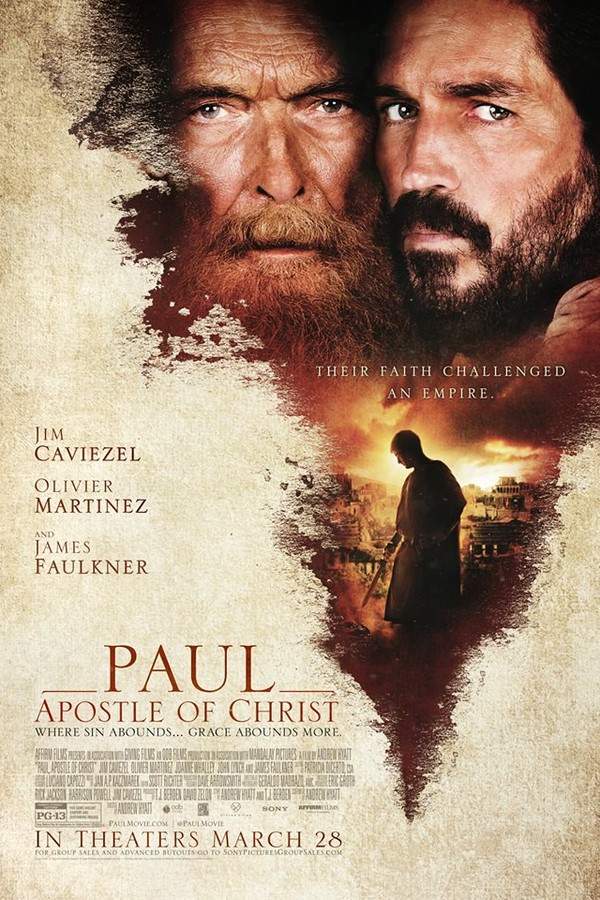
Epic Revenge Stories Like Ben-Hur

Grand-scale stories driven by a singular, all-consuming quest for vengeance. If you loved the high-stakes revenge plot and grand scale of Ben-Hur, explore these movies with similar narratives. Discover other epic dramas and historical adventures where a hero's journey is fueled by betrayal and a relentless drive for justice, featuring intense action and emotional depth.

  • revenge-driven
  • epic
  • triumphant
  • intense
  • dramatic
  • melancholic
  • Tone: tense, revenge-driven, triumphant
  • Pacing: steady, building momentum
Why these movies?

The story pattern: The plot hinges on a catalyzing act of betrayal by a close ally or authority figure, which strips the protagonist of their status, family, or freedom. The core of the story is their determined, often physically grueling, ascent back to a position of power, culminating in a direct, high-stakes confrontation with their betrayer. The journey is as much about reclaiming identity as it is about achieving vengeance.

Why they belong together: These films share a powerful narrative engine: the revenge arc. They feature a steady pacing that builds methodically towards a climactic showdown, high emotional intensity fueled by righteous anger and loss, and a focus on the moral and physical costs of pursuing vengeance on an epic scale.

If you liked this

Movies Like Ben-Hur

Similar movies to Ben-Hur: the same genre, themes or kind of story. Each one comes with its own plot summary, timeline and ending explained.

Browse all movie summaries

Every angle

Ben-Hur (1959) Explained: Plot, Timeline & Characters

Everything about Ben-Hur in one place: what happens in the plot summary, the timeline in chronological order, the characters and meaning and a spoiler-free summary. What's After the Movie adds the cast, box office and post-credit scenes.

Coming soon on iOS and Android

The Plot Explained Movie Summary App

Plot summaries, endings explained and timelines on your phone. Catch up on any movie in minutes, save your favorites and never miss a twist again.

Be the first to know when we launch. Your email stays private, always.

Learn more about the app