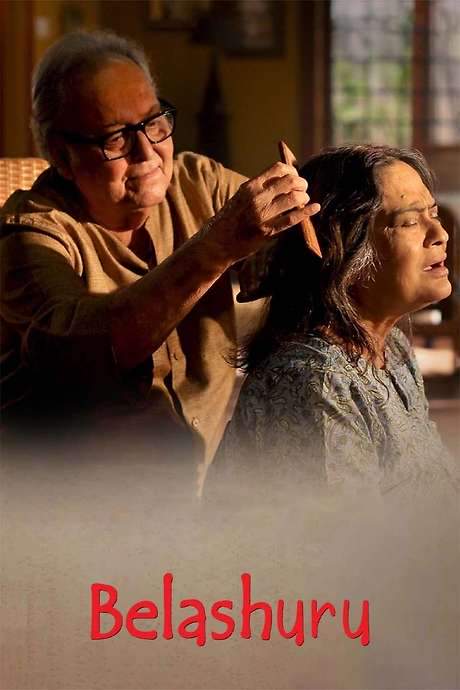
Year: 2022
Runtime: 139 mins
Language: Bengali, Bangla
Directors: Shiboprosad Mukherjee, Nandita Roy
Echo Score: 67Arati Sarkar is struggling with Alzheimer’s disease, causing her family to confront the heartbreaking reality of losing her. The film explores the powerful and enduring bond between parents and children, and the importance of family connections as they navigate this difficult journey together, cherishing the time they have left.
Find where to stream, rent, or buy Belashuru (2022) in the US with current JustWatch availability, up-to-date pricing, and platform listings for subscription, rental, and digital purchase options.
Warning: spoilers below!
Haven’t seen Belashuru yet? This summary contains major spoilers. Bookmark the page, watch the movie, and come back for the full breakdown. If you're ready, scroll on and relive the story!
Read the complete plot breakdown of Belashuru (2022), including all key story events, major twists, and the ending explained in detail. Discover what really happened, and what it all means.
Last updated: October 01, 2025 at 10:24
Explore frequently asked questions about Belashuru (2022) with spoiler-rich answers covering the full plot summary, major story beats, character motivations, hidden details, and ending meaning. This movie summary FAQ helps explain confusing scenes, plot twists, and narrative decisions in clear, searchable detail.
Arati's Alzheimer's disease has caused her to forget key relationships from her adult life. While she can still recognize her children Bijon and Sharmistha, as well as other relatives, her memory of Biswanath as her husband has been erased. She even roams the village searching for her childhood home and a man named Atindra, indicating her mind has regressed to earlier memories from her childhood.
Earlier in the film, Arati's memory gaps are evident when she fails to identify Biswanath as her husband despite his constant presence.
Biswanath relocates Arati to Santiniketan five years after her Alzheimer's diagnosis to reduce noise and stress, which he believes worsens her condition. Additionally, he sees this move as a form of penitence for not giving Arati enough time during their marriage. He takes on the role of her sole caregiver, shouldering the responsibility alone.
The timeline establishes that this move occurs five years after the events of Belaseshe, when Biswanath already felt guilty about his past neglect.
Biswanath believes that shielding Arati from interruptions is essential for her wellbeing. He wants to be her sole caregiver and declares he will take care of Arati without help from their children or nurses. This promise defines his approach and relationship with her in the difficult days that follow.
This vow is made shortly after moving to Santiniketan, establishing Biswanath's determination to personally bear the burden of Arati's care.
Biswanath decides to take Arati back to her native village of Faridpur, hoping familiar surroundings will jog her memory. The trip marks a turning point in their bid to revive Arati's past. During the visit, Arati meets her childhood friend Atindra and feels a surge of happiness, even beginning to recall the day of her marriage.
The plan to trigger Arati's memory is established before the trip, with Biswanath organizing a supportive caravan of family members.
Atindra is Arati's childhood friend from Faridpur. When she meets him during the trip to her native village, Arati feels a surge of happiness and her mood brightens significantly. The encounter stirs hopeful moments and triggers some recollection of her marriage day, though her memory isn't fully restored.
Earlier, Arati roams the village searching for her childhood home and Atindra, showing her mind has regressed to these early memories.
The family reenacts Arati's wedding day with all the customary details to help her remember her husband. While she recognizes the husband's name, she cannot identify him as Biswanath. The exercise triggers emotion and connection, though full recognition remains out of reach.
This happens after the positive encounter with Atindra, as the family tries multiple approaches to restore Arati's memory.
After Sharmistha's visit, Bijon's sexuality and the true state of their marriage surface. Malasree resists pressure to end the relationship and explains their companionship goes beyond mere physical desire. Biswanath supports Malasree's autonomy, showing a broader view of fidelity and devotion.
This revelation comes after the emotional Faridpur trip and Sharmistha's reconciliation with the family.
Palash leaves his director career in Bollywood and works as a television actor in Mumbai. The film shows that their ambitions clash with the pressures of fame, and the couple desires to start a family. This career shift represents a significant change in their life path.
This development occurs in the years following the Faridpur trip, as the family dynamics continue to evolve.
On the eve of the family's departure for Faridpur, Piu reveals she is pregnant. Palash responds by recommitting to their partnership and prioritizing family. Earlier, Palash had become more open to spending time with Piu, recognizing the strain of constant competition between them.
The timeline shows their growing distance before this reconciliation, with Palash choosing family over career competition.
Discover curated groups of movies connected by mood, themes, and story style. Browse collections built around emotion, atmosphere, and narrative focus to easily find films that match what you feel like watching right now.
Intimate stories of families navigating the quiet heartbreak of a loved one's long-term illness.Discover movies like Belashuru that explore the tender, heartbreaking journey of a family caring for a loved one with a long-term illness such as Alzheimer's. These similar dramas focus on enduring bonds, memory loss, and the bittersweet reality of cherishing time together.
These narratives typically follow a linear, character-driven path, charting the gradual impact of an illness on both the individual and their family. The central conflict is internal and emotional, revolving around acceptance, love in the face of loss, and the quiet heroism of daily care. The story structure often emphasizes small, meaningful moments over dramatic plot twists.
Movies are grouped here because they share a somber, heartfelt tone, a slow, deliberate pacing that allows emotions to resonate, and a central thematic focus on the challenges and profound connections revealed through caring for an ailing family member.

Stories where saying goodbye is heartbreaking, but the legacy of love provides a glimmer of hope.If you liked the bittersweet ending of Belashuru, explore these movies about families facing a final goodbye. These similar stories blend sadness with hope, focusing on the enduring power of love and memory after a loss.
The narrative pattern involves a family coming to terms with an inevitable ending, often due to illness or age. The journey is one of collective grief and remembrance, where characters learn to cherish their remaining time and find meaning in their shared history. The conclusion is typically bittersweet, acknowledging the pain of loss but leaving room for hope and the continuation of legacy.
These films are united by their bittersweet emotional conclusion, a medium-to-slow pacing that allows for emotional depth, and a central theme of finding light and love in the shadow of loss. They balance melancholy with warmth.
Don't stop at just watching - explore Belashuru in full detail. From the complete plot summary and scene-by-scene timeline to character breakdowns, thematic analysis, and a deep dive into the ending - every page helps you truly understand what Belashuru is all about. Plus, discover what's next after the movie.
Track the full timeline of Belashuru with every major event arranged chronologically. Perfect for decoding non-linear storytelling, flashbacks, or parallel narratives with a clear scene-by-scene breakdown.
Discover the characters, locations, and core themes that shape Belashuru. Get insights into symbolic elements, setting significance, and deeper narrative meaning - ideal for thematic analysis and movie breakdowns.