This film recounts the complex and ultimately turbulent six-year relationship between flamboyant entertainer Liberace and his much younger lover, Scott Thorson. Based on a memoir, the story explores the highs and lows of their romance, revealing both the indulgence and the struggles within their lives, and offering a glimpse into a hidden chapter of Hollywood history.
Find where to stream, rent, or buy Behind the Candelabra (2013) in the US with current JustWatch availability, up-to-date pricing, and platform listings for subscription, rental, and digital purchase options.
Warning: spoilers below!
Haven’t seen Behind the Candelabra yet? This summary contains major spoilers. Bookmark the page, watch the movie, and come back for the full breakdown. If you're ready, scroll on and relive the story!
Trace every key event in Behind the Candelabra (2013) with our detailed, chronological timeline. Perfect for unpacking nonlinear stories, spotting hidden connections, and understanding how each scene builds toward the film’s climax. Whether you're revisiting or decoding for the first time, this timeline gives you the full picture.
Last updated: October 01, 2025 at 10:23
Find frequently asked questions about the Behind the Candelabra (2013) timeline, including chronological order, nonlinear jumps, cause-and-effect links, and scene sequence clarifications. This timeline FAQ helps explain when key events happen, how moments connect, and why the story unfolds in that specific order.
Liberace attempted to formally adopt Scott in 1979 as a way to control their public image and create a legal cover for their relationship. In that era, an adoption would have provided a socially acceptable explanation for why two men lived together, helping to conceal their romantic relationship from the public and press. The adoption attempt ultimately failed, but it revealed Liberace's pattern of using manipulation and legal loopholes to maintain his carefully crafted public persona.
Liberace consistently denied his relationship with Scott because his manager Seymour Heller protected his carefully curated public image as a flamboyant but ultimately conventional entertainer. Liberace's fame was built on family-friendly performances, and revealing his homosexuality would have destroyed his career and popularity. During the 1970s and 1980s, homosexuality was still widely stigmatized, and Liberace chose to hide his true self rather than face public scandal and professional ruin.
Earlier scenes establish Heller's role in suppressing any information about Liberace's personal life.
Scott's drug use escalated as a result of feeling trapped, controlled, and emotionally isolated within Liberace's world. The relationship was marked by manipulation, jealousy, and strict rules that confined Scott to Liberace's home and orbit. As Liberace became more controlling and secretive, Scott turned to drugs as an escape from the emotional strain and the gilded cage of their luxurious but suffocating lifestyle.
The timeline shows Scott's drug use beginning to worsen in 1981 alongside Liberace's increasing promiscuity.
Scott was evicted in 1982-1983 after a heated confrontation with Liberace. The breakup was driven by years of mounting tensions: Scott's escalating drug use, Liberace's continued infidelities with younger men, and Scott's growing anger at being kept hidden and controlled. Liberace's manager Seymour and security personnel forced Scott to leave with his belongings in plastic bags and instructed him never to contact Liberace again.
Earlier tension points include Liberace hiring Cary James as his new assistant and suggesting they see other people.
After being evicted, Scott hired an attorney in 1984 to seek over $100 million in property rights and compensation from Liberace. The palimony suit claimed Scott was entitled to a share of the wealth he helped accumulate during their five-year relationship. Liberace denied any sexual relationship and offered a modest settlement including cash, cars, dogs, and a house. Scott accepted the deal to avoid the financial burden and uncertainty of a prolonged court battle.
Liberace underwent a dramatic facelift in 1979 because he was obsessed with maintaining a youthful appearance, both for his stage performances and to match his much younger lover Scott. His vanity was tied directly to his public image and his desire to appear ageless. He also enlisted his plastic surgeon Dr. Jack Startz to help make Scott resemble him more closely, demonstrating how deeply control over appearance permeated their relationship.
Liberace called Scott on Christmas Day 1986 because he was dying from AIDS and wanted to see him one last time. During the emotional phone call from Palm Springs, Liberace admitted he was dying, gave Scott one of his gold rings as a final keepsake, and pleaded with him never to reveal their private relationship to the public. This was the last time they spoke, and it represented a poignant moment of vulnerability after years of secrecy.
The relationship deteriorated due to multiple compounding factors over several years: Liberace's increasing control and manipulation, his ongoing sexual relationships with younger men, Scott's escalating drug addiction, and the constant pressure of living in secrecy. As Liberace's mother died in 1980 and the couple grew apart, Scott's anger intensified while Liberace continued his pattern of infidelity and emotional withholding, ultimately leading to Scott's eviction.
The timeline shows tensions beginning to surface after Liberace's mother's death in 1980.
Billy Leatherwood was a fellow performer in Liberace's act who was suddenly cut from the show and forced to leave town in 1977 after receiving a large payout from Liberace's management. His abrupt removal foreshadowed the precariousness of anyone in Liberace's inner circle and demonstrated how Liberace reshaped his environment to maintain control and protect his image. Scott witnessed this and later experienced a similar fate when he was eventually expelled.
Liberace's mother's death in 1980 marked a turning point in the relationship because Scott observed that Liberace showed minimal outward grief despite claiming deep family values. Scott noted this as evidence of Liberace's selective emotions and performative nature. The death seemed to release Liberace from whatever constraints his mother's presence had imposed, and shortly after, the couple's relationship began to deteriorate more rapidly.
Scott stayed because at 18 he was seduced by the glamour, wealth, and opportunity that Liberace's world offered. Coming from a foster home with limited prospects, Scott was drawn into a lifestyle of luxury and excitement. Additionally, the relationship involved genuine emotional moments and intimacy that made leaving difficult. Over time, however, the control, secrecy, and Liberace's manipulations became increasingly oppressive, leading to Scott's eventual breakdown.
Liberace died on February 4, 1987, after a long illness that was later confirmed to be AIDS-related. His death came after months of speculation in the press about his health. At his funeral in Los Angeles, Scott attended and imagined Liberace performing one last time before being carried to heaven, creating a bittersweet closing image that honored both the performer's legacy and the hidden truth of his life.
The film shows Rock Hudson's 1985 AIDS-related death as a pivotal cultural moment that made Scott confront the reality of Liberace's own secret illness. When Scott saw the newspaper headline about Rock Hudson, a major Hollywood star who had also hidden his homosexuality and died from AIDS, it forced Scott to recognize what Liberace was likely hiding. This scene connects the personal story to the broader social reckoning around AIDS and homosexuality in the 1980s.
Discover curated groups of movies connected by mood, themes, and story style. Browse collections built around emotion, atmosphere, and narrative focus to easily find films that match what you feel like watching right now.
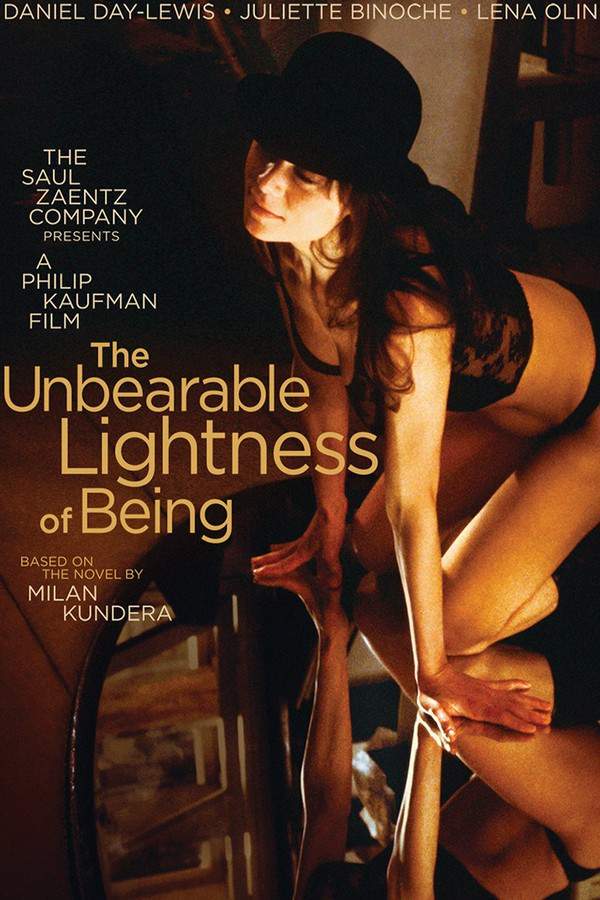
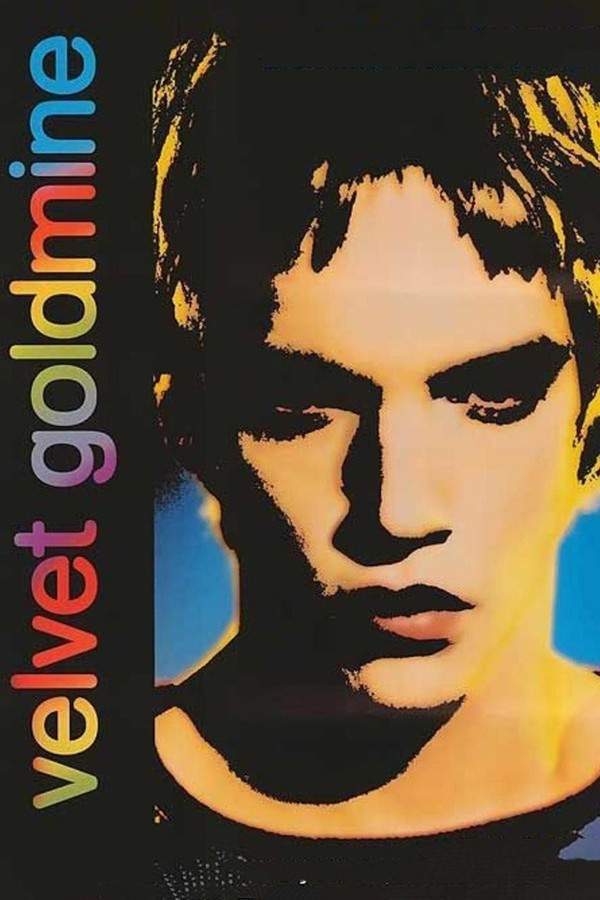
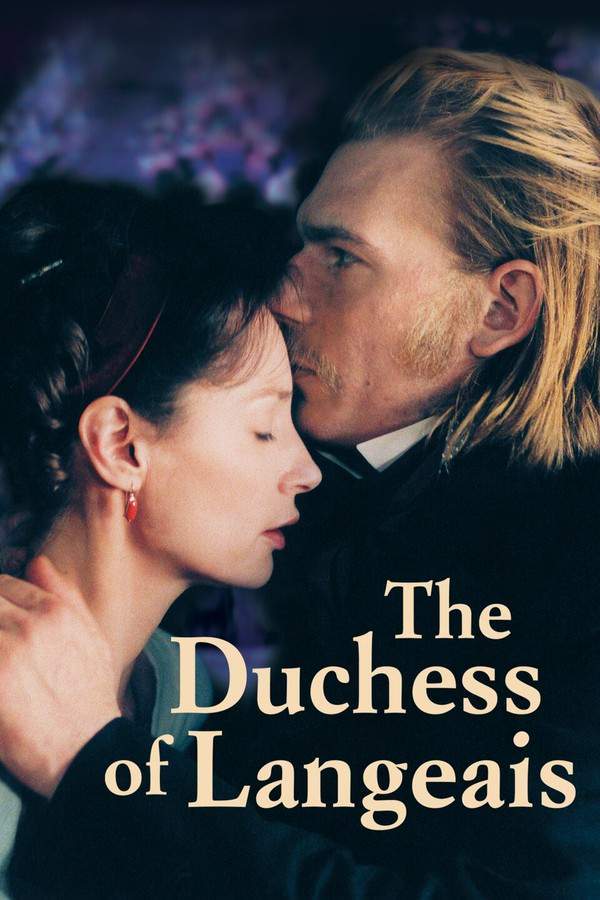
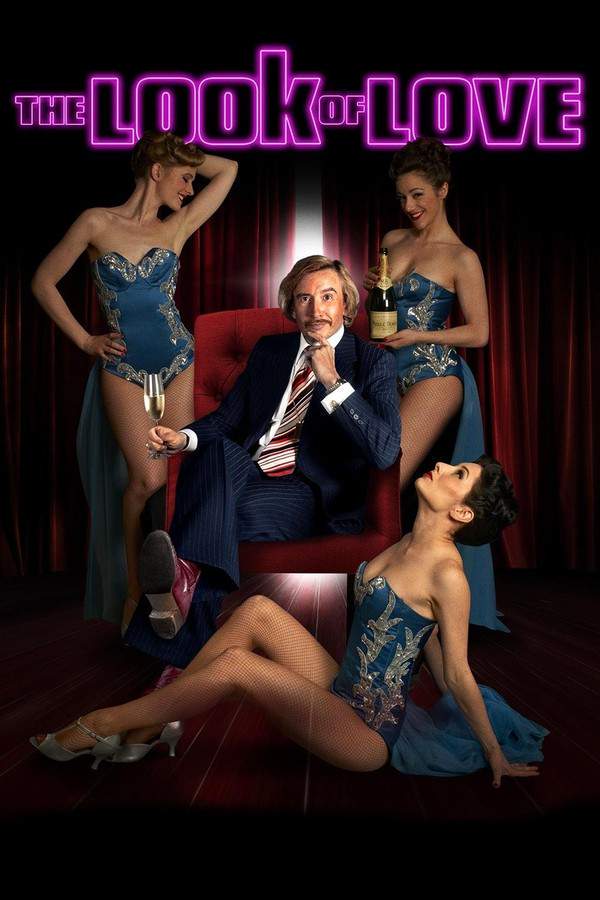
Stories where dazzling wealth and glamour conceal deep emotional isolation and sadness.If you liked the contrast of glittering wealth and deep sadness in Behind the Candelabra, explore more movies like it. This collection features similar dramatic stories where fame and fortune lead to emotional isolation, capturing that same bittersweet and heavy feeling.

Narratives in this thread often follow characters who have achieved material success or public adoration, only to find their lives empty and relationships compromised. The journey typically involves a slow realization that the glittering world they inhabit is a gilded cage, leading to a melancholic reflection on the true cost of their lifestyle.
Movies are grouped here for their shared atmosphere of grandeur paired with sorrow. They share a specific emotional mix where the visual spectacle is undercut by a heavy, reflective tone, exploring themes of loneliness, the corruption of desire, and the personal sacrifices made for a public image.
Intense, complicated love stories defined by power imbalances and dramatic age differences.Fans of the complex, power-imbalanced relationship in Behind the Candelabra will find more movies like it here. Discover similar emotional dramas about turbulent May-December romances, where significant age differences lead to manipulation, addiction, and bittersweet endings.
The narrative pattern follows a whirlwind romance that quickly becomes controlling or codependent. The story often charts a course from infatuation and indulgence to psychological manipulation, conflict over identity and autonomy, and a painful, bittersweet conclusion that leaves both characters scarred.
These films are grouped by their focus on the specific dramatic arc of an age-gap relationship. They share a high emotional intensity, a steady pacing that allows for deep character study, and a heavy weight derived from themes of exploitation, loss of self, and the inevitable collapse of an unbalanced partnership.
Don't stop at just watching - explore Behind the Candelabra in full detail. From the complete plot summary and scene-by-scene timeline to character breakdowns, thematic analysis, and a deep dive into the ending - every page helps you truly understand what Behind the Candelabra is all about. Plus, discover what's next after the movie.
Read a complete plot summary of Behind the Candelabra, including all key story points, character arcs, and turning points. This in-depth recap is ideal for understanding the narrative structure or reviewing what happened in the movie.

Discover the characters, locations, and core themes that shape Behind the Candelabra. Get insights into symbolic elements, setting significance, and deeper narrative meaning - ideal for thematic analysis and movie breakdowns.