Plot Explained Spoilers guaranteed!
Plot Explained

Browse by genre

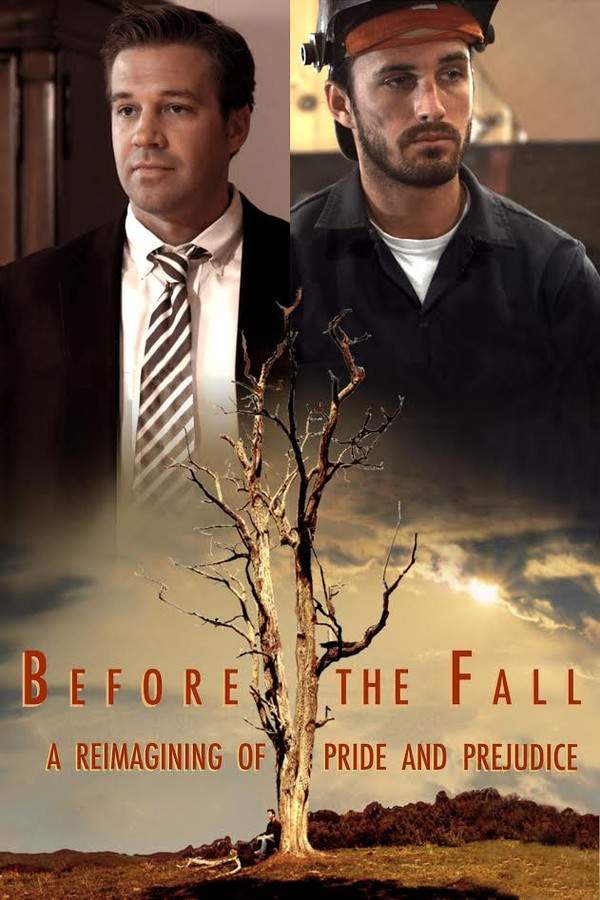
Before the Fall (2005) movie poster

Timeline

Before the Fall (2005) Timeline Explained – Every Event in Order

Release, runtime and language
2005 · 110 min · English
Loading streaming availability…
Directed by
Dennis Gansel
Starring
Devid Striesow, Tom Schilling, Max Riemelt

During the early years of World War II, Germany's specialized "Napola" schools trained future leaders for the Third Reich. A talented young boxer named Friedrich is identified by a recruiter as an ideal candidate to join the prestigious Napola program. This opportunity promises him a way out of poverty and a chance to distance himself from his father’s opposition to the Nazi regime, but his path to success is fraught with challenges and moral dilemmas within the rigid and demanding environment.

On this page (5)
  1. 1 Where to watch
  2. 2 Events in order (14)
  3. 3 Timeline questions answered
  4. 4 Movie threads
  5. 5 Every angle
Loading streaming availability…

14 events in order · contains spoilers

Before the Fall Timeline: Events in Chronological Order

Every key event of Before the Fall (2005) in order, scene by scene, with when and where it takes place. Use it to untangle flashbacks, time jumps and parallel storylines, to refresh your memory before the sequel or to find the exact scene you are thinking of.

  1. Friedrich forges his NaPolA enrollment

    At the start of 1942 Friedrich earns a place at NaPolA but his factory-leaning father opposes the move. He forges his father's signature on the permission slip and slips out of his home during the night. He hitchhikes toward Allenstein, hoping the school will offer him a better life.

    When
    Night, 1942
    Where
    Friedrich's home and road to Allenstein
  2. First night at NaPolA: Friedrich meets his roommate

    On arrival at the Napola Allenstein, Friedrich becomes roommates with Albrecht Stein and the two quickly form a strong bond. They help each other navigate the brutal routines and bullying that define the school year. The friendship anchors them through the harsh culture.

    When
    Opening days, 1942
    Where
    Allenstein NaPolA
  3. A harsh, indoctrinating regime takes hold

    The NaPolA environment emphasizes ruthless discipline and 'survival of the fittest.' Teachers overlook or encourage abuse by older students, while the boxing trainer pushes Friedrich toward mercilessness. This climate shapes Friedrich's early outlook on power and obedience.

    When
    Early days
    Where
    Allenstein NaPolA
  4. News of the father's fate reaching Friedrich

    Friedrich receives a letter informing him that the Gestapo visited his father, an act arranged by the very teacher who mentors him. The news deepens his resolve to succeed at NaPolA, even as it casts a shadow over his family back home. The event underscores the personal cost of the school's politics.

    When
    Early days
    Where
    NaPolA Allenstein
  5. Albrecht opens up about writing and art

    Albrecht shares his passion for writing and the arts with Friedrich, challenging the family's expectations. He begins contributing to the school newspaper, seeking feedback from his friend. The exchange highlights a different, more reflective side of life at NaPolA.

    When
    Early days
    Where
    Allenstein NaPolA
  6. Friedrich's first boxing victory

    Friedrich fights his first NaPolA boxing match and overpowers his opponent, driving him into a corner and delivering a brutal knockout. The crowd roars with approval, but Albrecht scolds him for the cruelty shown. The victory boosts Friedrich's standing within the school, at least temporarily.

    When
    Early days
    Where
    Boxing ring, NaPolA Allenstein
  7. Live grenade drill ends in sacrifice

    During a live grenade drill, one boy panics and drops a grenade. The instructor abandons them in panic, and Siegfried dives onto the grenade to save his classmates, sacrificing himself. The fallen student is hailed as a martyr, exposing the double standards of the regime.

    When
    Winter
    Where
    Training ground, NaPolA Allenstein
  8. Weekend at the Stein mansion and the clash of ideals

    Albrecht invites Friedrich to the Stein family mansion for a weekend, where Gauleiter Heinrich Stein criticizes Albrecht's sensitivity and artistic ambitions. Stein favors Friedrich and undermines his own son's abilities, testing their friendship. The weekend places a strain on their bond.

    When
    Weekend visit
    Where
    Stein family mansion
  9. Winter hunt for Soviet POWs turns tragic

    A winter drill sends the class into the woods with rifles to pursue alleged Soviet prisoners. Friedrich and Albrecht spot figures and open fire, killing the prisoners when they are revealed to be children. Albrecht tries to tend to a wounded boy, but his own father arrives and shoots Albrecht, ending his life. The rest of the prisoners are later rounded up and killed.

    When
    Winter
    Where
    Woodland outskirts near Allenstein
  10. Albrecht's condemnation and the price of rebellion

    In class the next day, Albrecht reads aloud an essay condemning the execution of the prisoners, admitting he has become part of the evil he opposed. The school summons his father to force an apology, but Albrecht refuses. His stand leads Gauleiter Stein to announce that he will take his son from the school to fight on the Eastern Front.

    When
    Next day
    Where
    Allenstein NaPolA
  11. The ice-test and Albrecht's final act

    The following morning, the class is taken to a frozen lake for a test of endurance. Friedrich dives in after the others and searches for Albrecht, who intentionally remains under the ice. He signals in a final moment with a shake of his head before sinking, leaving Friedrich overwhelmed with grief.

    When
    Morning after essay
    Where
    Frozen lake, NaPolA Allenstein
  12. Potsdam boxing match and Friedrich's moral choice

    Friedrich is slated to box against the NaPolA team in Potsdam, with his future at Allenstein hanging on the outcome. Although he overpowers his opponent for a clear win, he chooses not to land the final blow, recognizing the cruelty of the act. The opponent recovers and punches Friedrich, leaving the bout inconsolably tense.

    When
    Match day
    Where
    Potsdam NaPolA boxing ring
  13. Expulsion from NaPolA

    The headmaster expels Friedrich, strips him of his uniform, and forces him to walk naked back to his room. He is forbidden to speak to his roommates as he packs his belongings and is escorted to the gates. The act signals the end of his life inside the NaPolA system.

    When
    Day after Potsdam match
    Where
    Allenstein NaPolA
  14. Friedrich leaves Allenstein

    Friedrich looks back one last time at the rigid fortress of Allenstein as he walks out into the falling snow. The school’s closing narration suggests his future beyond the gates remains uncertain, but his departure marks a break with the regime's brutal path.

    When
    After expulsion
    Where
    Allenstein gates

Last updated: November 22, 2025 at 15:58

Was this helpful?

Timeline questions answered

Before the Fall Timeline Explained: Your Questions Answered

When does it happen, and why in that order? The questions people ask about the chronology of Before the Fall (2005): time jumps, flashbacks, cause and effect between scenes and the correct order of events, each answered with spoilers.

Q1

Why did Friedrich forge his father's signature to attend NaPolA?

Friedrich came from a poor family in 1942 Germany, and his father worked in a factory while opposing the Nazi regime. When the NaPolA recruiter identified Friedrich as a talented boxer and offered him a place at the prestigious school, it represented a rare opportunity to escape poverty and gain status. His father refused to sign the permission slip because he wanted to keep his son away from the Nazi system. Rather than give up this chance, Friedrich forged the signature and left home at night, hitchhiking to Allenstein to begin his new life.

Foreshadowing: Earlier, the recruiter praised Friedrich's boxing talent and presented NaPolA as his chance for a better future.

  • forged signature
  • NaPolA
  • Friedrich's father
  • poverty
  • Nazi school
Q2

Why did Friedrich and Albrecht become close friends at NaPolA?

Both boys were outsiders in different ways at Allenstein. Friedrich was a working-class student whose father opposed the regime, while Albrecht was the sensitive son of a powerful Gauleiter who disapproved of his interest in writing and art. They became roommates and supported each other through the brutal school routines, with Friedrich protecting Albrecht from bullies and Albrecht helping Friedrich understand the moral corruption around them. Their friendship represented a bond across class differences, united by their shared humanity in a dehumanizing environment.

Foreshadowing: On Friedrich's first night at Allenstein, he and Albrecht were paired as roommates and quickly formed their alliance.

  • Albrecht Stein
  • Friedrich
  • friendship
  • roommates
  • class divide
Q3

Why did Albrecht criticize Friedrich after his first boxing match?

While other students and staff celebrated Friedrich's brutal knockout of his opponent, Albrecht saw the violence differently. He viewed Friedrich's ruthless performance as exactly what the regime wanted, compassionless strength that crushed the opponent once he was already beaten. Albrecht's criticism reflected his own moral opposition to the school's values and his concern that Friedrich was becoming what the system demanded. This moment highlighted the tension between Friedrich's ambition to succeed and Albrecht's commitment to maintaining his humanity.

Foreshadowing: The boxing trainer had told Friedrich that compassion for opponents was 'bullshit' and that strength must come first.

  • Albrecht criticism
  • boxing match
  • cruelty
  • moral compromise
Q4

Why did Siegfried dive onto the live grenade?

During a training exercise with live grenades, a panicked student dropped the grenade near a group of classmates. When the instructor abandoned his post in fear, Siegfried made the split-second decision to throw himself onto the grenade, absorbing the explosion and saving those around him. The regime immediately seized on his death as propaganda, honoring him as a martyr who died heroically for his comrades. This sacrifice, while brave, was also exploited by the school to reinforce Nazi ideals of willing self-sacrifice for the collective.

Foreshadowing: The school's curriculum emphasized 'survival of the fittest' and the Nazi doctrine that individual worth came from service to the nation.

  • Siegfried
  • grenade sacrifice
  • martyr
  • Nazi propaganda
  • training exercise
Q5

Why did Gauleiter Stein kill his own son Albrecht?

During the winter patrol, Friedrich and Albrecht were ordered to hunt Soviet prisoners who had allegedly stolen weapons. They discovered the 'enemies' were actually children, and Albrecht rushed to help a wounded boy. When Gauleiter Stein arrived with a search party, he found his son tending to what the regime would consider an enemy. Rather than allow Albrecht to survive and potentially reveal the truth or show compassion for Soviet children, Stein shot his own son to silence him and maintain the lie that the prisoners were armed combatants. This act demonstrated the regime's willingness to eliminate even family members who threatened its narrative.

Foreshadowing: The patrol was sent out after prisoners allegedly stole weapons, but the reality was something far more sinister.

  • Gauleiter Stein
  • Albrecht killed
  • Soviet prisoners
  • children killed
  • father shot son
Q6

Why did Albrecht write an essay condemning the prisoner executions?

After witnessing the massacre of children during the winter patrol and nearly being killed by his own father, Albrecht could not remain silent. He wrote a powerful essay for the school newspaper that condemned the executions as criminal acts and admitted he had become complicit in the evil he opposed. By reading it aloud in class, Albrecht publicly denounced both the regime and his father, knowing it would have severe consequences. His act of rebellion was driven by moral conscience rather than strategy, he could not stomach continuing as a compliant student after what he had seen.

Foreshadowing: Albrecht had spent weeks writing and editing the piece, seeking feedback from Friedrich about how to sharpen his voice.

  • Albrecht essay
  • condemnation
  • executions
  • rebellion
  • moral conscience
Q7

Why did Albrecht stay under the ice during the lake test?

The morning after his essay condemned the regime, Albrecht was told he would be removed from Allenstein and sent to fight on the Eastern Front, a virtual death sentence. When the class performed the lake endurance test, Friedrich reached the other side and Albrecht followed. But rather than climb out, Albrecht chose to remain submerged, signaling to Friedrich with a shake of his head that this was deliberate. He preferred death to being forced into the Nazi war machine. His suicide was an act of final defiance, refusing to let the regime use him as a soldier.

Foreshadowing: Gauleiter Stein had announced that Albrecht would be sent to the Eastern Front, telling the class this was the fate of cowards and weaklings.

  • Albrecht death
  • ice test
  • suicide
  • Eastern Front
  • final defiance
Q8

Why did Friedrich refuse to land the final blow in his Potsdam boxing match?

In the pivotal match against another NaPolA school, Friedrich dominated his opponent and had the chance to deliver a knockout blow, the same brutal finish he had used in his first victory. But he hesitated, remembering Albrecht's earlier criticism of his cruelty. By refusing to finish his opponent, Friedrich rejected the ruthless behavior the regime demanded of him. The opponent recovered and knocked Friedrich out instead, costing his team the victory. This choice marked Friedrich's moral transformation, choosing conscience over ambition.

Foreshadowing: Albrecht had told Friedrich after his first match that his cruelty was not something to celebrate.

  • Friedrich boxing match
  • final blow refused
  • moral choice
  • Albrecht's influence
Q9

Why was Friedrich expelled from NaPolA?

Friedrich's expulsion came the day after the Potsdam match, but the real reason was his moral transformation. By choosing not to deliver the finishing blow and showing compassion for his opponent, Friedrich demonstrated the same 'weakness' the regime despised. Additionally, his close friendship with Albrecht, who had publicly rebelled against the school, made him suspect. The headmaster stripped him of his uniform, forced him to walk back to his room naked, forbade him from saying goodbye to roommates, and escorted him out of the gates. His expulsion was not just punishment for losing the match but elimination of someone no longer willing to embody Nazi ideals.

Foreshadowing: The match observers from universities and Gauleiter Stein's presence made this bout especially high-stakes.

  • Friedrich expelled
  • NaPolA
  • Potsdam match
  • uniform taken
  • rejection of regime
Q10

Why did the Gestapo visit Friedrich's father?

Friedrich received a letter from home revealing that the Gestapo had come to question his father. The visit was arranged by the very NaPolA boxing instructor who had been training Friedrich, the man who saw the boy as his star pupil. This was likely retaliation for Friedrich's success at the school, using his father as leverage or punishment for the family's poor background and presumed disloyalty. The threat to his family shadowed Friedrich throughout his time at Allenstein, adding to the personal cost of his ambition.

Foreshadowing: The boxing trainer had taken special interest in Friedrich, pushing him toward ruthlessness.

  • Gestapo
  • Friedrich's father
  • threat
  • NaPolA instructor
  • family pressure
Q11

Why did the school celebrate Siegfried as a martyr but expel the boy who panicked?

The regime's logic was purely propaganda-driven. Siegfried's sacrifice served Nazi ideology perfectly, he died selflessly for his comrades, embodying the ideal of voluntary death for the collective. He was honored with a grand funeral and his name invoked as heroic. Meanwhile, the boy who panicked and fled from the grenade was labeled weak and expelled for failing the regime's test of courage. The instructor who actually abandoned his post and caused the crisis was quietly commended. This double standard revealed how the regime applied its ideology: sacrifice was celebrated when useful, while weakness was punished regardless of circumstance, and those in power were never held accountable.

Foreshadowing: The school culture emphasized that strength and obedience were absolute virtues, with no room for failure.

  • double standards
  • Siegfried martyr
  • expelled student
  • Nazi ideology
  • hypocrisy
Q12

What happened to Friedrich after he left NaPolA?

The film ends with Friedrich walking out of the Allenstein gates in plain clothes, looking back at the massive school one final time before disappearing into falling snow. The narration states that among those who died for Führer, Fatherland, and Nation, there is no place for suicides, excluding Albrecht from the school's honored dead. Friedrich's future was uncertain; he had no home to return to, his father was under Gestapo surveillance, and Germany was still at war. His departure represented escape from the Nazi system but also entering an unknown future. The bittersweet ending suggested personal failure within the regime but moral liberation.

Foreshadowing: The final scene showed Friedrich as a lone figure walking away from the fortress-like school into the snow.

  • Friedrich future
  • leaving NaPolA
  • ending
  • uncertain fate
  • liberation

Movie threads

More Movies Like Before the Fall, by Mood & Story

Curated lists built around what makes Before the Fall tick: the same mood, the same kind of story or the same emotional payoff. Each list explains why these movies belong together.

Movies about moral conflict in oppressive systems like Before the Fall

Characters wrestle with their conscience inside rigid, brutal systems of power. If you were gripped by the moral struggles in Before the Fall, explore more movies like it. These films feature characters facing ethical dilemmas within rigid institutions, from military schools to brutal regimes, where standing up for what's right comes at a great personal cost.

  • oppressive
  • moral conflict
  • claustrophobic
  • brutal
  • defiant
  • despair
  • Tone: dark, somber, morally complex
  • Pacing: steady, deliberate
Why these movies?

The story pattern: Narratives in this thread typically follow a protagonist who enters or is part of a strict institution, initially seeing it as an opportunity. As the system's true, brutal nature is revealed, they face a slow-burning internal conflict, culminating in a pivotal moment of choice that defines their character and seals their fate within or outside the system.

Why they belong together: Movies are grouped here based on their shared focus on institutional pressure as the primary source of conflict. They create a claustrophobic atmosphere where the central drama is psychological, revolving around the protagonist's erosion of idealism and their ultimate moral decision.


Movies with bittersweet endings of defiance like Before the Fall

Stories where a personal loss is also a hard-won moral victory. For viewers who appreciated the complex ending of Before the Fall, this collection features similar movies with bittersweet conclusions. These stories involve heavy emotional journeys where characters achieve a moral victory or escape a terrible situation, but not without sacrifice and profound personal change.

  • bittersweet
  • defiant
  • despair
  • hopeful ending
  • emotional sacrifice
  • moral victory
  • Tone: dark, bittersweet, defiant
  • Pacing: steady
Why these movies?

The story pattern: The narrative pattern involves a character surviving a harrowing experience that challenges their core values. The climax is not a traditional victory but an act of defiance or rejection of the corrupt world they inhabited. The ending feels bittersweet; they are free from immediate danger but carry the scars of their experience, with their future uncertain but morally cleansed.

Why they belong together: These films are grouped by their specific emotional arc and concluding tone. They share a journey from darkness into a ambiguous light, leaving the audience with a complex mix of sadness for what was lost and hope for the character's reclaimed integrity.

Every angle

Before the Fall (2005) Explained: Plot, Timeline & Characters

Everything about Before the Fall in one place: what happens in the plot summary, the timeline in chronological order, the characters and meaning and a spoiler-free summary. What's After the Movie adds the cast, box office and post-credit scenes.

Coming soon on iOS and Android

The Plot Explained Movie Summary App

Plot summaries, endings explained and timelines on your phone. Catch up on any movie in minutes, save your favorites and never miss a twist again.

Be the first to know when we launch. Your email stays private, always.

Learn more about the app