Year: 2012
Runtime: 114 min
Language: Japanese
Director: Kinji Fukasaku
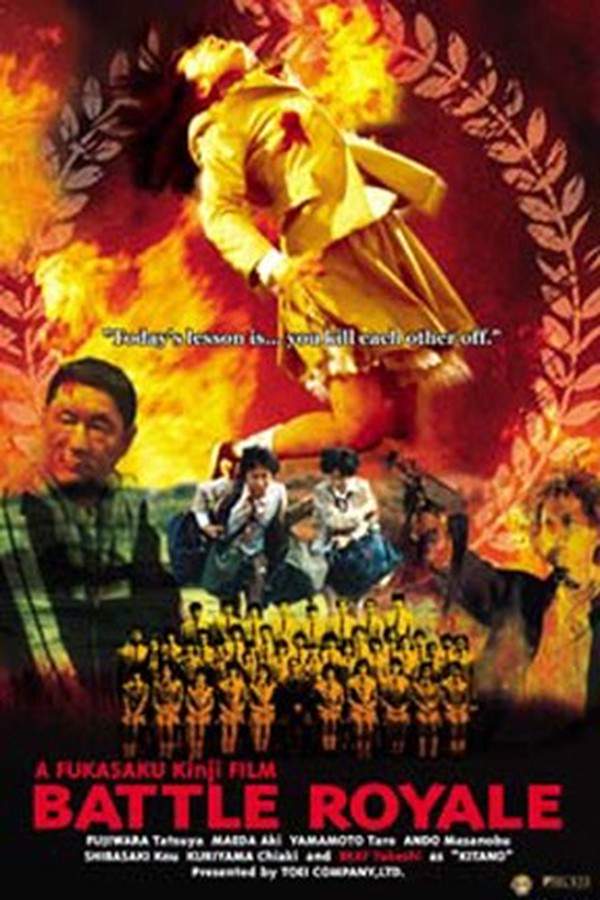
In a near-future Japan grappling with economic hardship and a surge in youth delinquency, the government implements a shocking measure. As part of a social experiment, a class of junior high school students is forced to participate in a brutal battle for survival. They are transported to a remote island and given weapons, then pitted against each other in a fight to the death. Only one student can emerge as the victor in this deadly game, facing a terrifying prospect of elimination.
Warning: spoilers below!
Haven’t seen Battle Royale yet? This summary contains major spoilers. Bookmark the page, watch the movie, and come back for the full breakdown. If you're ready, scroll on and relive the story!
Trace every key event in Battle Royale (2012) with our detailed, chronological timeline. Perfect for unpacking nonlinear stories, spotting hidden connections, and understanding how each scene builds toward the film’s climax. Whether you're revisiting or decoding for the first time, this timeline gives you the full picture.
Last updated: November 16, 2024 at 16:23
Find frequently asked questions about the Battle Royale (2012) timeline, including chronological order, nonlinear jumps, cause-and-effect links, and scene sequence clarifications. This timeline FAQ helps explain when key events happen, how moments connect, and why the story unfolds in that specific order.
The Japanese government implements Battle Royale as a response to severe economic downturn and rising juvenile delinquency. The totalitarian regime selects a random junior high school class each year to participate in this deadly competition as a social experiment meant to deter youth crime. The program serves as both a warning to young people and a way to control the population through fear.
The film opens by establishing Japan's economic crisis and the government's harsh response to youth unrest.
Kitano, the students' former teacher, returns as the game's overseer after resigning following an incident where Yoshitoki Kuninobu attacked him. In the epilogue, Noriko reflects on her past interactions with Kitano, revealing he struggled with his students' rejection and his own daughter's disdain. His descent into orchestrating the game appears driven by personal trauma and a twisted sense of purpose, ultimately leading him to beg Noriko to kill him.
The early scene showing Kuninobu attacking Kitano hints at his eventual breakdown.
Shogo Kawada reveals he entered the Battle Royale specifically to avenge his girlfriend, who was killed in a previous iteration of the game. After sparing Shuya's life early on, he continues to protect them throughout the competition as part of his personal vendetta against the program. His goal extends beyond mere survival, he wants to expose and destroy the system that took his girlfriend.
Kawada's decision to spare Shuya immediately signals he's different from most participants.
Yuko Sakaki attempts to poison Shuya because she is haunted by the memory of Tatsumichi Oki, who was accidentally killed by Shuya during the chaos of the game's beginning. Overwhelmed by guilt and psychological trauma from the killing game, Yuko acts desperately, but her plan fails when another student, Yuka, consumes the poisoned food instead. The guilt ultimately drives Yuko to commit suicide.
Oki's accidental death earlier establishes the psychological toll on students who witness killings.
Shuya and Noriko escape the island on a boat after Shuya shoots Kitano when he threatens their lives. However, their freedom is short-lived, they become fugitives hunted by the Japanese government. Kawada dies from his injuries during the escape. The film ends with them fleeing toward Shibuya Station, now branded as outlaws.
Kitano's revelation of the painting showing Noriko as the winner foreshadows their tragic freedom.
Kiriyama is portrayed as a cold-blooded, psychopathic student who quickly establishes himself as one of the most dangerous competitors in the Battle Royale. Without clear backstory or motivation, he kills multiple classmates indiscriminately using his assigned weapon, including brutally murdering Mimura. His character represents the pure violence that the game can unleash, functioning as an unstoppable force of destruction.
His introduction immediately establishes him as a feared adversary among the students.
Each student is fitted with an explosive collar at the start of the Battle Royale. These collars serve as the primary enforcement mechanism, they detonate if students enter forbidden zones marked on their maps or if they refuse to participate in the killing. This ensures compliance and creates constant psychological pressure, making escape impossible and forcing students into violent confrontations.
Kitano demonstrates the collars' lethality early by killing two students who resist.
The knife originally belongs to Yoshitoki Kuninobu, Noriko's crush who was killed at the start of the game. Noriko secretly kept the knife throughout the year before the Battle Royale, and at the film's end, she returns it to Shuya. This object symbolizes their lost innocence, the violence that shaped their lives, and their connection to those who died, including Kuninobu and Kawada.
Noriko discreetly retaining Kuninobu's knife in the opening scenes foreshadows its importance.
Kawada succumbs to his injuries sustained during the final confrontations on the island. Though he successfully helps Shuya and Noriko escape by hacking the tracking system and deceiving Kitano, his body gives out during the boat escape. His death underscores the bittersweet nature of their victory, winning freedom but losing the friend who made it possible.
Kawada's earlier injuries from the battle with Kiriyama set up his eventual death.
A group of girls, including Yukie Utsumi, retreat to a lighthouse and make a pact to abstain from participating in the killing. They represent students who refuse to give in to the game's violence. However, this fragile peace is shattered when Yuko's guilt-driven poisoning attempt disrupts their sanctuary, demonstrating how the game corrupts even those trying to remain uninvolved.
The lighthouse scene offers a brief hope of non-violent survival before tragedy strikes.
Shinji Mimura, a basketball enthusiast, assembles a group of students to hack into the Battle Royale's computer system and disable the explosive collars. His goal is to undermine the game itself and give all participants a chance at survival without being forced to kill each other. Despite infiltrating the system, Kitano resets the program, rendering their efforts futile.
Mimura's technical skills are established early, making his hack attempt a logical progression.
Mitsuko Souma is introduced as a mysterious, mistreated loner who quickly proves herself to be a formidable and ruthless competitor. She survives multiple confrontations, including killing Kotohiri and later facing off against Kiriyama. Her violent nature may stem from her troubled background and the harsh treatment she received, making her willing to do whatever it takes to survive.
Her mysterious demeanor and skill set immediately signal her as a major threat.
Discover curated groups of movies connected by mood, themes, and story style. Browse collections built around emotion, atmosphere, and narrative focus to easily find films that match what you feel like watching right now.
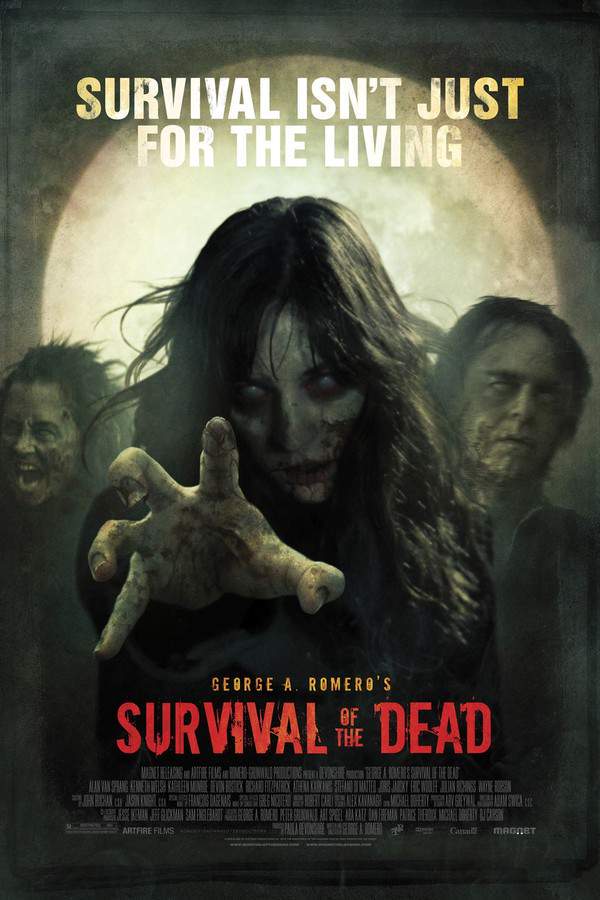
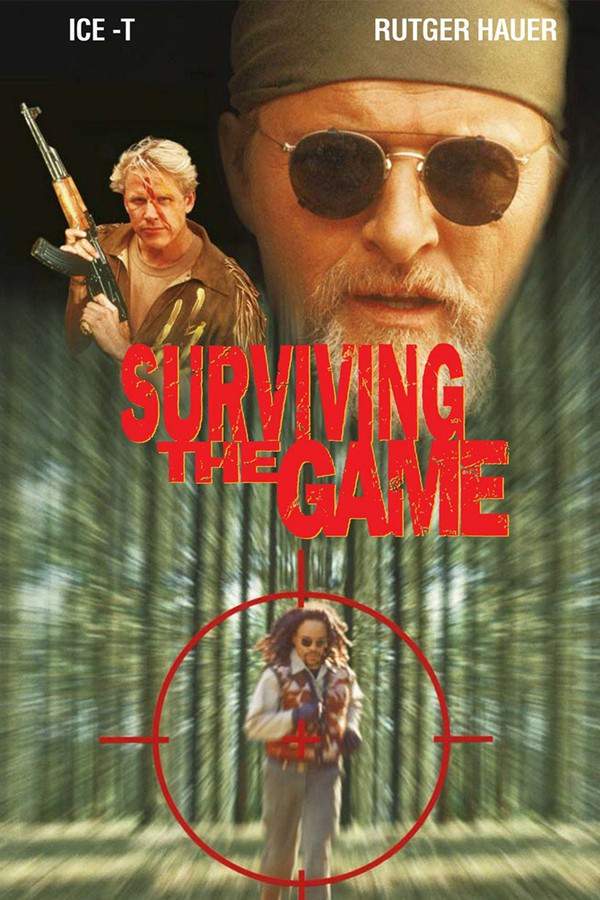
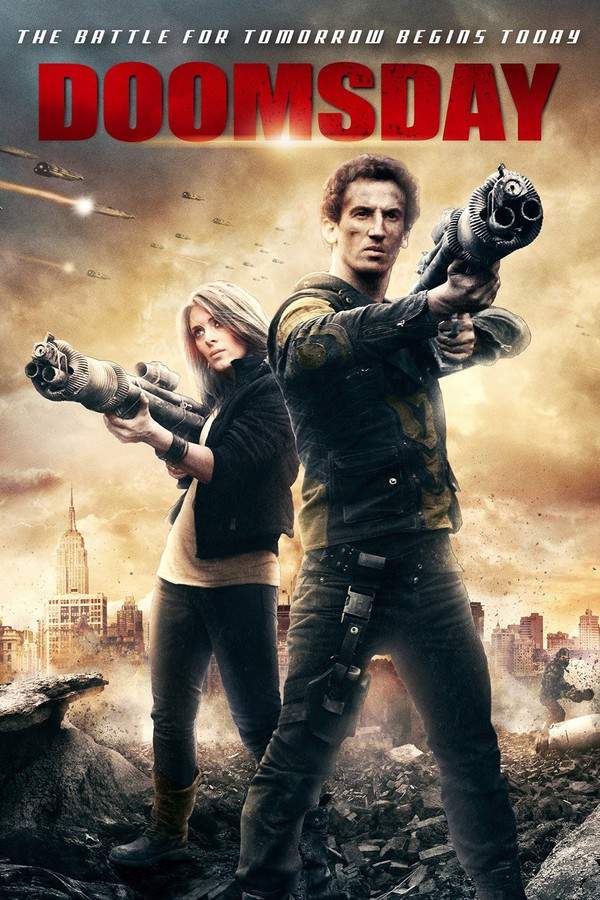
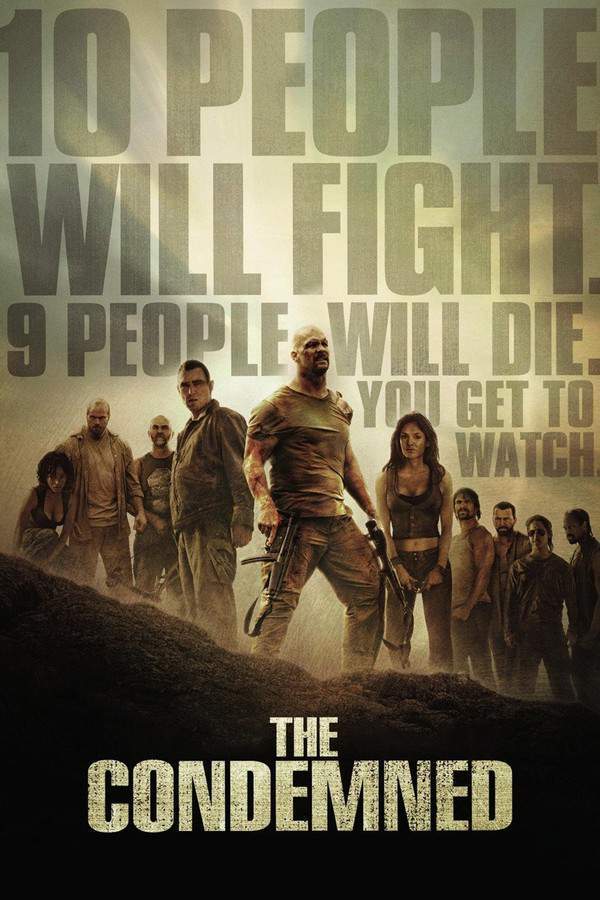
Stories where people are forced into a lethal contest testing their humanity.If you enjoyed the high-stakes, forced combat of Battle Royale, explore these movies featuring similar deadly games. This collection includes thrilling stories of survival, totalitarian control, and moral dilemmas in a fight-to-the-death scenario. Find your next intense watch with movies like The Hunger Games or Cube.
These narratives typically begin with ordinary people being thrust into an artificial and lethal scenario. The plot revolves around the rules of the game, the formation and dissolution of fragile alliances, and the systematic elimination of participants. The journey explores the erosion of societal norms and the emergence of both the best and worst of human nature under duress.
Movies in this thread are united by their core premise of a structured, high-concept survival contest. They share a fast pace driven by external time limits or rules, a dark tone stemming from the grim premise, and a heavy emotional weight as characters face unimaginable choices and trauma.
Young characters whose innocence is shattered by violence and survival.For viewers who appreciated the traumatic coming-of-age element in Battle Royale, this list features movies where youth are confronted with extreme violence and survival. These films explore the destruction of innocence and the heavy psychological toll on young protagonists. Discover similar intense dramas about youth in crisis.
The narrative follows a group or individual young protagonists whose normal world is violently upended. Their journey is not about self-discovery but about survival, forcing them to make adult decisions with life-or-death consequences. The story arc is often a descent into darkness, where friendships are tested, trust is broken, and the characters emerge permanently changed, if they survive at all.
These films are grouped by their focus on youth navigating unimaginable trauma. They share a dark, oppressive tone, heavy emotional weight from exploring profound loss and grief, and a bittersweet or bleak ending feel where survival comes at a great personal cost.
Don't stop at just watching - explore Battle Royale in full detail. From the complete plot summary and scene-by-scene timeline to character breakdowns, thematic analysis, and a deep dive into the ending - every page helps you truly understand what Battle Royale is all about. Plus, discover what's next after the movie.
Read a complete plot summary of Battle Royale, including all key story points, character arcs, and turning points. This in-depth recap is ideal for understanding the narrative structure or reviewing what happened in the movie.

Discover the characters, locations, and core themes that shape Battle Royale. Get insights into symbolic elements, setting significance, and deeper narrative meaning - ideal for thematic analysis and movie breakdowns.