Back Street Girls: Gokudols
Year: 2019
Runtime: 87 mins
Language: Japanese
Director: Keinosuke Hara
Three male gangsters are forced by their boss into becoming a trio of female pop singers.
Warning: spoilers below!
Haven’t seen Back Street Girls: Gokudols yet? This summary contains major spoilers. Bookmark the page, watch the movie, and come back for the full breakdown. If you're ready, scroll on and relive the story!
Back Street Girls: Gokudols (2019) – Full Plot Summary & Ending Explained
Read the complete plot breakdown of Back Street Girls: Gokudols (2019), including all key story events, major twists, and the ending explained in detail. Discover what really happened—and what it all means.
After learning from their imprisoned Old Boss that he has decided to remain in prison and eventually die, Kentaro Yamamoto and his brothers, Ryo Tachibana and Kazuhiko Sugihara, vow to honor him by serving their new boss, “Mad Dog” Manjiro Inugane. They storm the rival boss’s compound, determined to prove their loyalty, only to be captured and stunned to learn that Inugane had already reached a fragile truce with that rival. Back in Inugane’s orbit, the trio beg forgiveness, finding their path blocked by a brutal choice: commit seppuku and sell their organs, or travel to Thailand to undergo gender reassignment surgery and train to become idols. They choose the latter, trading one hard code for another in pursuit of a chance at redemption and power.
After surgery and intensive training, Kentaro becomes Airi Yamamoto, Ryo becomes Mari Tachibana, and Kazuhiko becomes Chika Sugihara, emerging as the Gokudols, the “Yakuza Idols.” The transformation marks the start of a steep ascent as public interest grows and the trio learn to blend the sharp edge of their former lives with the glossy, high-energy world of pop idols. Airi’s new life brings emotional storms: she encounters the ex-girlfriend she left behind years ago, a person who now has a five-year-old daughter who adores Airi as if she were her own, stirring a complicated mix of pride, regret, and responsibility in the singer’s heart. Mari, meanwhile, discovers a complicated bond with the lesbian nurse who treats the aftereffects of surgery, a relationship that offers a glimpse of tenderness amid the pressure of fame. Chika’s path intersects with Inugane’s trusted assistant, Kimura, whose awareness of Chika’s past adds tension to their growing dynamic and complicates the group’s public image.
As the Gokudols rise, their old boss reappears in a way that reshapes their understanding of loyalty and ambition. He challenges them to lean into their new identities and to embrace a future where they can be both feared yakuza and beloved performers. With that encouragement, they begin to lean into their public personas—visiting cake shops, meeting fans, and performing with a rare energy that blends danger and charm. Yet the darker notes of their world never fade entirely, and they must confront how much of themselves to reveal in a country hungry for both spectacle and scandal.
The troupe’s moment arrives when Seiji Koizumi, a corrupt promoter, seizes on their ambitions and invites them to audition for a high-profile project he’s promoting. Koizumi, who has a history of manipulation, drugs the group with the intent of sexually assaulting them, promising Chika a starring role in his next movie as a lure while they are still vulnerable. In a fierce turn of defiance, the trio—drinking to cope with the deception—fight back, overpower Koizumi, and disrupt his plan. Koizumi responds by canceling the J-Pop Summit and redirecting funds to charities under his control, dismissing the assaults as “fake news” and launching a smear campaign against the Gokudols that threatens to wipe out their bookings. The trio’s resolve hardens as they resist the smear and refuse to stay silent.
Hope returns when Koizumi’s former girlfriend, who is also an idol, steps in to fund the Summit and invites the Gokudols to perform, signaling a second chance at their moment in the spotlight. But Koizumi isn’t finished; he hires private investigators to shadow them and then compounds the danger by kidnapping Airi’s supposed family, Mari’s girlfriend, and Chika’s boyfriend to coerce the group into staying away from the Summit. Faced with an ultimatum, the Gokudols rally, tracking Koizumi’s men to their location and delivering a brutal, orchestrated takedown of the rival gang hired by Koizumi. They rescue Kimura, but the triumph is marred when Chika is shot in the chest by Koizumi. As she lies dying, Airi retrieves a katana dropped by one of Koizumi’s guards and advances on Koizumi, her resolve unshaken as Inugane arrives to intervene and save the hostages.
In a charged, adrenaline-fueled finale, Inugane shoots the remaining guards and convinces the group to push on toward the Summit, infusing them with a renewed sense of purpose. He shoots at their feet to spark the needed adrenaline rush, reviving the valuably injured Chika and propelling the Gokudols toward their moment in the spotlight. The trio, transformed and emboldened, finish their journey to the Summit and deliver a performance that fuses their yakuza grit with dazzling idol artistry, marking a dramatic culmination of their unlikely arc.
In a mid-credits moment, Airi learns that her ex-girlfriend has married another man and that the daughter she believed could be hers is not, a revelation that leaves her faint and reflective about the costs of their choices. In a post-credits scene, Koizumi, failing to break them, pleads with Inugane and offers to do “anything,” only to be sent to Thailand for reassignment surgery and training to become an idol, a twist that seals his own fate as part of the bizarre, perilous world the Gokudols inhabit.
Notes:
-
The story unfolds through the intertwined lives of the Gokudols and their ruthless patrons, blending gritty yakuza codes with the high-energy drive of pop stardom.
-
The journey tests loyalty, identity, and the boundaries between crime and performance, ultimately delivering a spectacle that is both confrontational and unexpectedly uplifting.
Last Updated: October 01, 2025 at 13:04

Explore Movie Threads
Discover curated groups of movies connected by mood, themes, and story style. Browse collections built around emotion, atmosphere, and narrative focus to easily find films that match what you feel like watching right now.
Movies about forced identity changes like Back Street Girls: Gokudols
Characters forced into extreme new lives in chaotic, high-stakes worlds.If you liked the premise of Back Street Girls: Gokudols, explore similar movies where characters are forced into new lives. These stories often blend dark comedy with tense drama, focusing on the chaotic struggle to survive in an absurd new reality while grappling with a lost past.
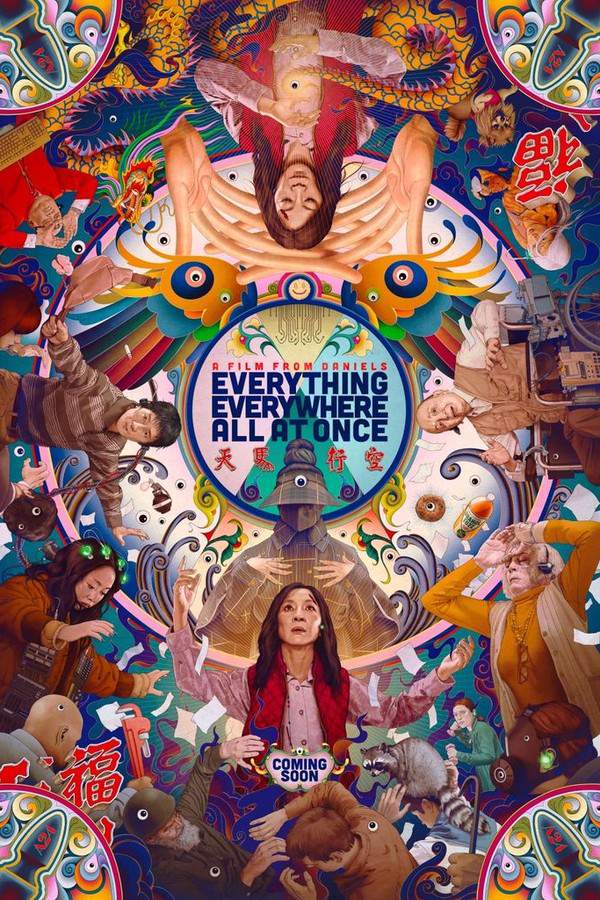
Everything Everywhere All at Once
2022

Train of Life
1999

Butch Cassidy and the Sundance Kid
1969

A Perfect World
1993

Some Kind of Hero
1982

Stuntman
2024

Tough Guys
2017
Back Street Girls: Gokudols
2019

A Bizarre Love Triangle
2002

Dor
2006

Everything, Everywhere
2023

Inside Monkey Zetterland
1992

Knockin’ on Heaven’s Door
1997

A Woman’s Face
1938

Swallowtail Butterfly
1996
Narrative Summary
Narratives in this thread typically begin with a drastic, coercive event that shatters the protagonist's life. The core conflict revolves around navigating a complex and often absurd new world while hiding a dangerous secret. The journey is marked by a mix of survival, internal conflict, and moments of darkly comic irony arising from the extreme situation.
Why These Movies?
Movies are grouped here for their shared focus on involuntary identity shifts, the resulting tension between old and new selves, and the blend of high-stakes external pressure with surreal, darkly humorous circumstances. They share a specific narrative premise that drives both plot and character development.
Energetic genre mashup movies like Back Street Girls: Gokudols
Fast-paced stories that violently clash opposing worlds and tones.Fans of the wild genre clash in Back Street Girls: Gokudols will enjoy these high-energy films. Discover similar movies that mash up contrasting tones—like brutal crime with glittering pop culture—creating a chaotic, fast-paced, and unexpectedly heartfelt cinematic experience.






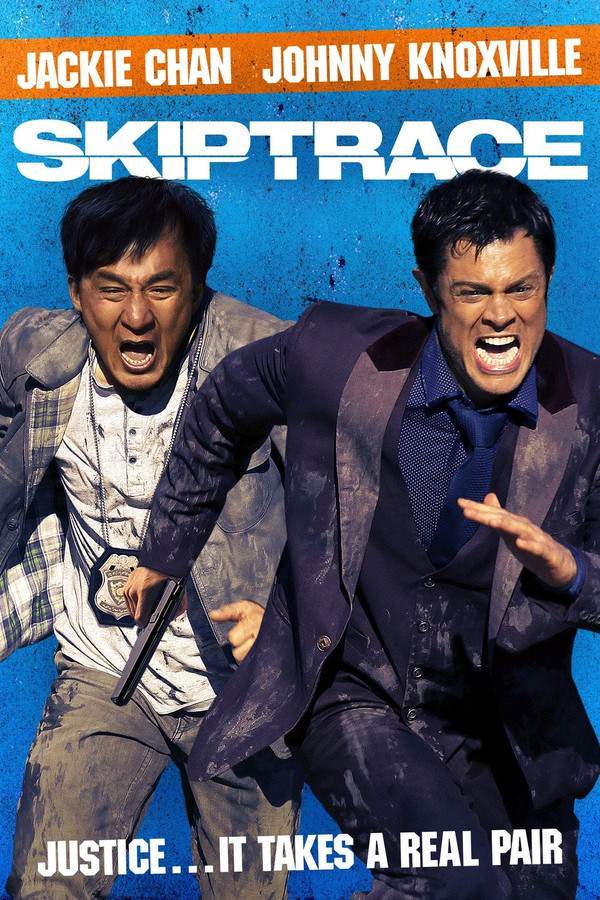








Narrative Summary
These stories are defined by their structural contrast, rapidly cutting between the rules and aesthetics of opposing worlds (e.g., organized crime and pop music). The plot is propelled by the friction between these worlds, leading to escalating chaos. Despite the frenetic pace and absurd humor, the character arcs often carry a genuine, melancholic weight.
Why These Movies?
These films are united by their execution of a bold tonal and genre fusion. They share a fast pace, high intensity, and a core emotional experience that is both exhilarating and melancholic. The appeal lies in the unique blend of chaotic energy and heartfelt character moments.
Unlock the Full Story of Back Street Girls: Gokudols
Don't stop at just watching — explore Back Street Girls: Gokudols in full detail. From the complete plot summary and scene-by-scene timeline to character breakdowns, thematic analysis, and a deep dive into the ending — every page helps you truly understand what Back Street Girls: Gokudols is all about. Plus, discover what's next after the movie.
Back Street Girls: Gokudols Timeline
Track the full timeline of Back Street Girls: Gokudols with every major event arranged chronologically. Perfect for decoding non-linear storytelling, flashbacks, or parallel narratives with a clear scene-by-scene breakdown.

Characters, Settings & Themes in Back Street Girls: Gokudols
Discover the characters, locations, and core themes that shape Back Street Girls: Gokudols. Get insights into symbolic elements, setting significance, and deeper narrative meaning — ideal for thematic analysis and movie breakdowns.