Plot Explained Spoilers guaranteed!
Plot Explained

Browse by genre

August Underground’s Mordum (2003) movie poster

Characters & Themes

August Underground’s Mordum (2003) Characters, Setting & Themes Explained

Release, runtime and language
2003 · 77 mins · English
Starring
Fred Vogel, Dave Brown, Midian Crosby, Chris Shaw, Michael Todd Schneider, Art Ettinger

A disturbing found‑footage sequel follows a twisted couple as they record their increasingly depraved acts. The film documents extreme sexual deviance, torture and murder while revealing a volatile love triangle: the woman is entangled with her lover, who is also her younger brother. The portrayal pushes boundaries of horror, leaving viewers shaken.

On this page (7)
  1. 1 Characters explained (3)
  2. 2 Where & when it takes place
  3. 3 Themes & meaning (3)
  4. 4 Character & meaning questions
  5. 5 Movie threads
  6. 6 Movies like August Underground’s Mordum
  7. 7 Every angle

3 main characters · contains spoilers

August Underground’s Mordum Characters Explained: Who Is Who

The main characters of August Underground’s Mordum (2003), heroes and villains: what drives them, how they change over the course of the story and what each of them reveals about the film's bigger ideas.

  • Peter Mountain (Fred Vogel)

    Charismatic and cold-blooded leader who uses violence to enforce dominance and orchestrate the group's depravity. He manipulates Crusty and Maggot to his will, establishing a volatile hierarchy. His presence sets the tone for the film's brutality and unpredictable actions.

    • 🧭 Leader
    • 🪖 Manipulator
    • 🔪 Violent
    • 🌀 Chaotic
  • Crusty (Cristie Whiles)

    Volatile and sadistic, she wields sexual provocation and psychological taunts to control situations. She is a key catalyst for escalating violence, often driving the others toward more extreme acts. Her cruelty is calculating and she gleefully participates in the group's depravity.

    • 🎭 Manipulator
    • 🧨 Unstable
    • 💋 Aggressor
  • Maggot (Michael Todd Schneider)

    Disturbed and impulsive, Maggot participates in the trio's most depraved acts and seeks to prove himself through violence. He pairs sexual aggression with a readiness to maim, revealing a fractured psyche. His presence completes the dynamic, feeding the group's dangerous momentum.

    • 🔪 Predator
    • 🧩 Impulsive
    • 🗡️ Torturer

Last updated: October 03, 2025 at 14:44

Was this helpful?

Setting

Where and When Does August Underground’s Mordum Take Place?

The setting of August Underground’s Mordum (2003): the year and time period, the places and locations, and how they shape the characters, the mood and the tension of the story.

Time period

Location

Crack house, town, shop, piercing shop

The action centers around a derelict crack house that becomes the hub of the trio's violence. The film also moves through the surrounding town, visiting everyday storefronts and a piercing shop that contrast with the horrors inside. The gritty interiors and decayed surroundings reinforce the sense of moral collapse and a documentary-like tone.

  • 🏚️ Grimy
  • 🪙 Crime-ridden
  • 🏙️ Urban decay

Last updated: October 03, 2025 at 14:44

Was this helpful?

3 major themes

August Underground’s Mordum Meaning: Themes & Message Explained

What is August Underground’s Mordum (2003) really about? The emotional, social and philosophical themes the film keeps returning to, its symbolism and the message beneath the surface.

  • Violence

    Brutality drives the narrative and the victims are reduced to instruments of the killers' rituals. The violence is depicted with a clinical detachment, emphasizing the ease with which the trio inflicts harm. The film uses these acts to create a grim mood and to critique the spectatorship surrounding such cruelty.

  • Voyeurism

    The found-footage approach forces the audience to witness each act as if it were happening on a private screen. The camera becomes a tool of control for the killers and a window into the cruelty for the viewer. This framing blurs the line between documentary realism and cinematic exploitation, prompting reflection on the gaze that consumes violence.

  • Power dynamics

    Power is concentrated in Peter Mountain, whose dominance shapes the trio's behavior. Crusty and Maggot respond with loyalty, defiance, or fear, creating a fragile, volatile hierarchy. The cruelty arises from controlling relationships and the need to humiliate others to assert status within the group.

Last updated: October 03, 2025 at 14:44

Was this helpful?

Character & theme questions

August Underground’s Mordum Characters & Meaning: Your Questions Answered

The questions people ask about August Underground’s Mordum (2003): who the characters really are, their relationships, what the symbols mean, where it takes place and what the movie is really about. Each answer contains spoilers.

Q1

Where is the movie set?

The film takes place in a grimy, crime-ridden urban environment centered around a derelict crack house. The action also extends into the surrounding town, including everyday locations like storefronts and a piercing shop. These mundane settings contrast sharply with the horrors occurring inside, reinforcing the sense of moral decay and adding to the documentary-like authenticity.

  • setting
  • location
  • crack house
  • urban decay
Q2

What are the main themes explored?

The film centers on three major themes: violence, voyeurism, and power dynamics. The violence is depicted with clinical detachment, emphasizing the ease with which the trio inflicts harm. The found-footage style makes viewers feel like witnesses to private acts, blurring the line between documentary realism and exploitation. Power concentrates in the leader Peter Mountain, whose dominance creates a volatile hierarchy where cruelty becomes a tool for asserting status.

  • themes
  • violence
  • voyeurism
  • power dynamics
  • control
Q3

Who are the key characters?

The trio consists of three characters: Peter Mountain, the charismatic and cold-blooded leader who uses violence to enforce dominance; Crusty, his volatile and sadistic partner who uses sexual provocation and psychological taunts to control situations; and Maggot, a disturbed and impulsive participant who seeks to prove himself through violence. Their relationships form a fragile hierarchy built on control, loyalty, and fear.

  • characters
  • peter mountain
  • crusty
  • maggot
  • roles
  • relationships
Q4

How does the found-footage style affect the story?

The found-footage approach forces the audience to witness each act as if watching a private recording. The camera becomes a tool of control for the killers, while simultaneously serving as a window into cruelty for the viewer. This framing questions the role of the spectator and reflects the Voyeurism theme by blurring the line between documentary realism and cinematic exploitation.

  • found footage
  • camera
  • documentary style
  • voyeurism
  • filmmaking
Q5

How do power dynamics work within the trio?

Power is concentrated in Peter Mountain, whose dominance shapes the trio's behavior. Crusty and Maggot respond with loyalty, defiance, or fear, creating a fragile and volatile hierarchy. The cruelty within the group arises from these controlling relationships, where humiliating others becomes a way to assert status and maintain position within the group.

  • power
  • control
  • hierarchy
  • dominance
  • relationships
Q6

What role does Peter Mountain play?

Peter Mountain serves as the charismatic and cold-blooded leader of the trio. He uses violence to enforce dominance and orchestrate the group's depravity, manipulating Crusty and Maggot to his will. His presence sets the tone for the film's brutality and unpredictable actions, establishing him as the central figure driving the group's violent rituals.

  • peter mountain
  • leader
  • dominance
  • violence
  • control
Q7

What role does Crusty play in the story?

Crusty acts as a volatile and sadistic force within the trio. She wields sexual provocation and psychological taunts to control situations and is a key catalyst for escalating violence. Her cruelty is calculating rather than impulsive, and she gleefully participates in and drives the group toward more extreme acts.

  • crusty
  • sadism
  • violence
  • provocation
  • psychological
Q8

What motivates Maggot in the film?

Maggot is characterized as disturbed and impulsive, driven to participate in the trio's most depraved acts. His primary motivation is to prove himself through violence, pairing sexual aggression with a readiness to maim. This reveals a fractured psyche and makes him willing to engage in extreme cruelty to earn his place within the group hierarchy.

  • maggot
  • motivation
  • violence
  • impulse
  • psychology
Q9

How do the different locations in the film contrast with each other?

The film contrasts the derelict crack house, representing the hub of violence and moral collapse, with mundane town locations like storefronts and a piercing shop. These everyday environments sit in stark opposition to the horrors occurring within the crack house, creating a jarring visual contrast that emphasizes how violence intrudes into normalcy.

  • locations
  • settings
  • contrast
  • urban decay
  • crack house
Q10

How is violence depicted in the film?

The violence is presented with clinical detachment, emphasizing the ease with which the trio inflicts harm on their victims. This approach reduces victims to instruments of the killers' rituals rather than presenting them as fully realized characters. The style creates a grim mood and critiques the spectatorship surrounding on-screen cruelty by making viewers feel like unwilling witnesses.

  • violence
  • depiction
  • detachment
  • brutality
  • cruelty
Q11

What is the narrative structure like?

The narrative is straightforward, unfolding as a linear catalogue of atrocities captured on video. The pacing is fast, with rapid-fire sequences of depraved acts and minimal downtime between shocking events. This approach creates a relentless sense of immediacy and propels viewers from one disturbing moment to the next without respite.

  • narrative
  • pacing
  • structure
  • linear
  • found footage

Movie threads

More Movies Like August Underground’s Mordum, by Mood & Story

Curated lists built around what makes August Underground’s Mordum tick: the same mood, the same kind of story or the same emotional payoff. Each list explains why these movies belong together.

Found footage horror movies like August Underground’s Mordum

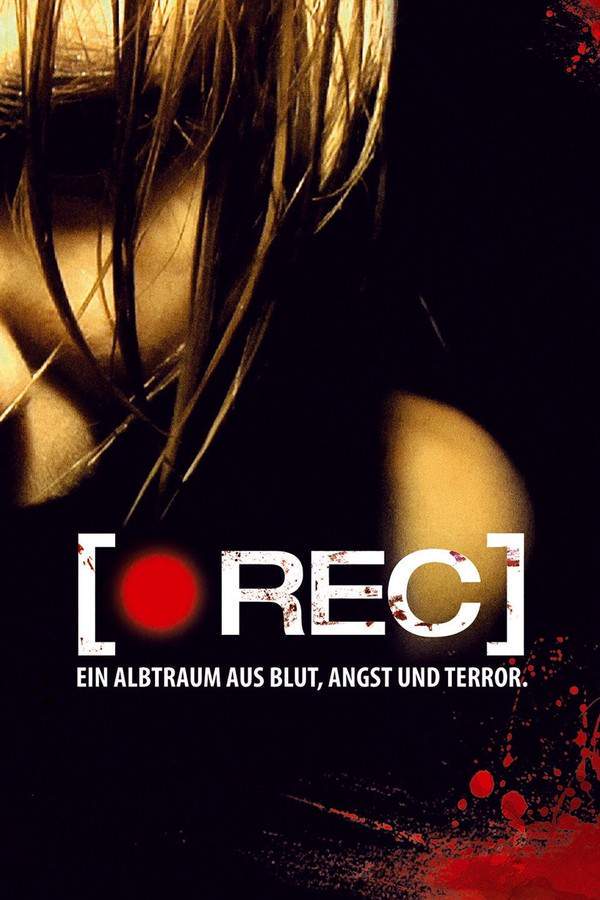
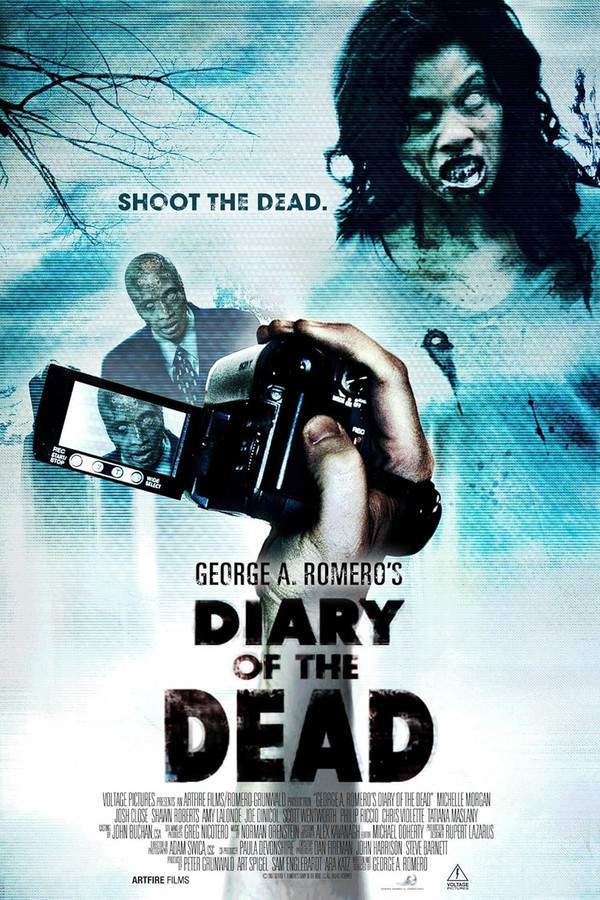
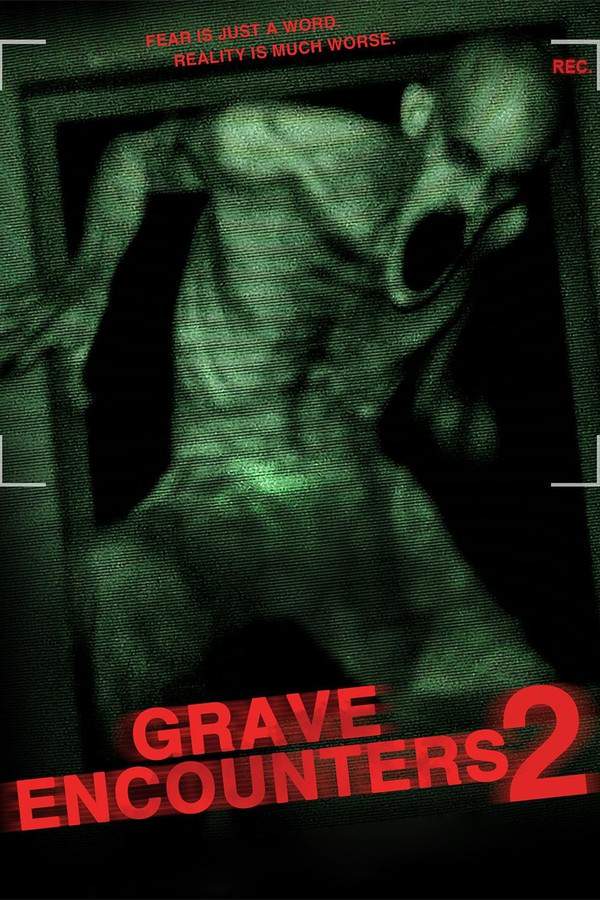
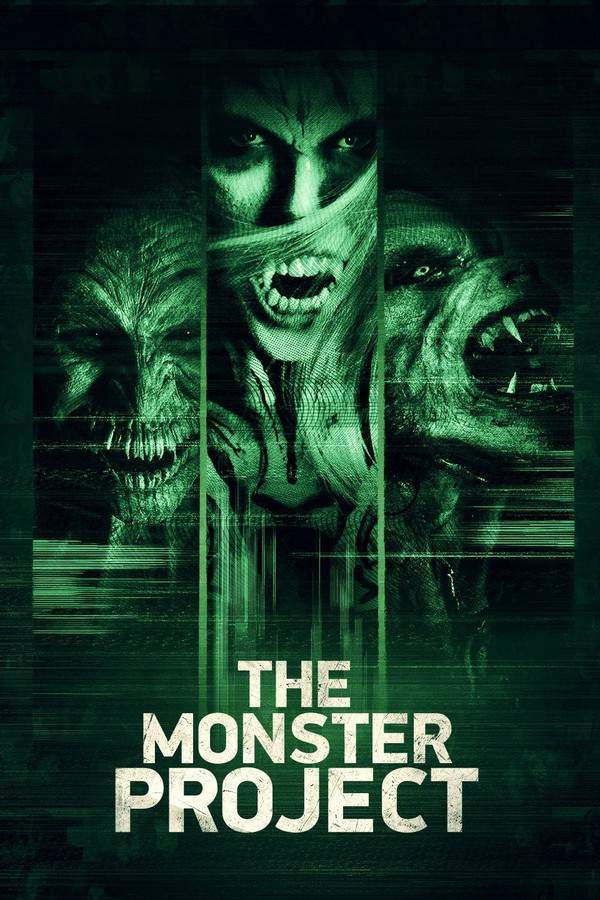
First-person perspectives on a chaotic and irreversible moral collapse. For viewers seeking movies like August Underground’s Mordum, this collection focuses on found-footage horror films that document a descent into madness. These movies use a raw, first-person perspective to create an unsettling and immediate sense of reality, often exploring extreme violence and psychological collapse.

  • raw
  • claustrophobic
  • unflinching
  • chaotic
  • documentary-style
  • immediate
  • Tone: dark, unsettling
  • Pacing: fast, chaotic
Why these movies?

The story pattern: The narrative in this thread typically unfolds as a documentation of events, often by the perpetrators or victims themselves. It follows a chaotic and linear progression towards complete moral and psychological disintegration, with the camera serving as the primary witness to the unraveling.

Why they belong together: These films are grouped by their shared use of the found-footage aesthetic to amplify realism and intensity. They create a distinct, participatory viewing experience defined by a shaky, unmediated perspective that makes the horror feel direct and inescapable.
Bleak crime and character collapse stories like August Underground’s Mordum

Stories of irredeemable characters spiraling into ultimate transgression. If you liked the nihilistic spiral and toxic relationships in August Underground’s Mordum, this thread features movies about characters who descend into extreme violence and moral void. These stories explore the dynamics of irredeemable criminals and end with a profound sense of despair.

  • nihilistic
  • brutal
  • oppressive
  • toxic
  • depraved
  • hopeless
  • Tone: dark, bleak
  • Pacing: fast, relentless
Why these movies?

The story pattern: These narratives follow a straightforward descent, charting the increasingly depraved acts of characters who operate outside any moral framework. The conflict often stems from volatile relationships within the group, leading to a climax of self-destruction and a bleak conclusion where no one is spared.

Why they belong together: Movies in this thread share a core focus on nihilism, the complete breakdown of morality, and the exploration of extreme human behavior within toxic partnerships. They are united by a dark tone, heavy emotional weight, and an ending that reinforces the utter hopelessness of the situation.

If you liked this

Movies Like August Underground’s Mordum

Similar movies to August Underground’s Mordum: the same genre, themes or kind of story. Each one comes with its own plot summary, timeline and ending explained.

Browse all movie summaries

Every angle

August Underground’s Mordum (2003) Explained: Plot, Timeline & Characters

Everything about August Underground’s Mordum in one place: what happens in the plot summary, the timeline in chronological order, the characters and meaning and a spoiler-free summary. What's After the Movie adds the cast, box office and post-credit scenes.

Coming soon on iOS and Android

The Plot Explained Movie Summary App

Plot summaries, endings explained and timelines on your phone. Catch up on any movie in minutes, save your favorites and never miss a twist again.

Be the first to know when we launch. Your email stays private, always.

Learn more about the app