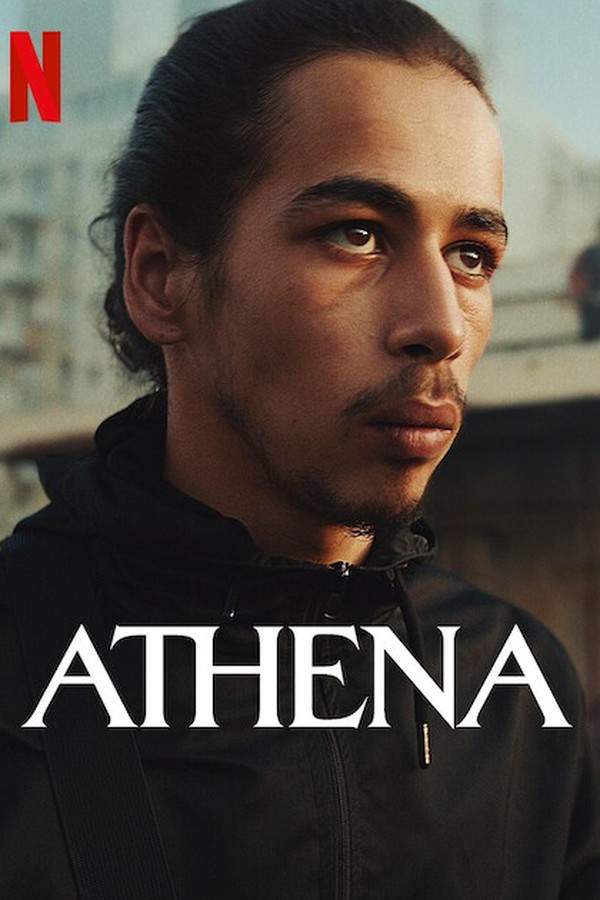
Following a tragic confrontation with police, Abdel returns home to the troubled town of Athena. His brother's death ignites a volatile situation, forcing Abdel to navigate the conflicting desires of his family. His younger brother Karim seeks revenge, while their older sibling Moktar is entangled with the local criminal network. As tensions rise, Athena descends into chaos, becoming a battleground where loyalty and vengeance collide.
Warning: spoilers below!
Haven’t seen Athena yet? This summary contains major spoilers. Bookmark the page, watch the movie, and come back for the full breakdown. If you're ready, scroll on and relive the story!
Read the complete plot breakdown of Athena (2022), including all key story events, major twists, and the ending explained in detail. Discover what really happened, and what it all means.
Lieutenant Abdel, Dali Benssalah, an Algerian-French soldier, stands at a press conference outside a police station after his 13-year-old brother Idir dies in hospital, apparently the result of a brutal beating by three policemen. He appeals for calm and restraint, but Karim, Sami Slimane, leads a group of youths to disrupt the moment—tossing a Molotov cocktail and raiding the station. They escape with a weapons locker, some tactical gear, and a police van, then return to Athena, the banlieue where Abdel grew up, determined to barricade themselves and the residents inside the towering housing complex.
CRS riot police are deployed to quash the uprising, while the youths respond with fireworks and improvised missiles, turning the streets and stairwells of Athena into a tense battleground. In the midst of the chaos, Moktar, a drug dealer, tries to move bags of contraband out of Athena. When the youths refuse to let him pass, Moktar and his gang take shelter in Athena’s shisha lounge and dig a hole to stash the contraband until the disturbance subsides.
Abdel returns to Athena to attend a memorial service for Idir. He sees Karim and attempts to speak, but the younger brother evades him as the memorial is overwhelmed by the violence outside. Abdel then helps to organize an evacuation and a safe haven for Athena’s residents, including Sébastien, a former terrorist in Syria whom Abdel takes in at Athena’s daycare center—Sébastien, Mehdi Abdelhakmi, becomes part of the makeshift shelter.
As night falls, the group of residents is led past riot police, but an altercation erupts and Abdel and others are kettled and arrested. The riot police push forward, but their units are eventually forced to retreat, and in the confusion, Jerôme, a young officer, is separated from his unit and captured by the youths. They film Jerôme and threaten to kill him unless the three policemen who beat Idir are identified. The on-site police commander ultimately orders Abdel’s release, and he sneaks back into Athena to confront Karim about the violence he’s incited. He tries to leave with Jerôme, but the youths pursue them, forcing both into the safety of the shisha lounge once more.
Moktar greets Abdel and the truth comes to light: they are half-brothers. Moktar calls in his payroll-backed police allies, who agree to come rescue Jerôme. Karim, determined to recapture Jerôme, challenges Abdel through the security shutter while the others attempt a break-in through a side door. The standoff ends when Karim lunges at the arriving corrupt policemen and is shot dead, a brutal killing that magnifies Abdel’s rage.
Enraged by his brother’s death, Abdel savagely beats Moktar and takes Jerôme into his custody for the moment. He phones the police commander and orders Sébastien to aid the youths, while the commander warns that RAID and the military are being deployed to restore order. On a video call with the commander, Abdel points his gun at Jerôme and fires twice—but it becomes clear that he intentionally missed. Overcome by emotion, he makes no effort to stop Jerôme from leaving as the tactical units close in. In the ensuing chaos, makeshift bombs engineered by Sébastien blow out parts of the buildings, killing Abdel and several police officers.
In the film’s closing sequence, a van quietly records the beating of Idir, with the footage eventually circulating on social media. The apparent police “perpetrators” are revealed to be far-right instigators in disguise—an explosive reveal that they burned their uniforms in the van to hide their true identity, underscoring that the violence was a calculated attempt to ignite racial unrest.
Last updated: October 09, 2025 at 16:24
Explore frequently asked questions about Athena (2022) with spoiler-rich answers covering the full plot summary, major story beats, character motivations, hidden details, and ending meaning. This movie summary FAQ helps explain confusing scenes, plot twists, and narrative decisions in clear, searchable detail.
Karim is driven by grief and rage over his younger brother Idir's death from police brutality. Rather than accepting Abdel's public appeal for calm and legal accountability, Karim chooses immediate violent retaliation. He leads a group of youths in throwing a Molotov cocktail and raiding the station, stealing weapons, tactical gear, and a police van to fuel an uprising in Athena.
Moktar, the drug dealer and half-brother to Abdel, exploits the riot as an opportunity to protect his contraband. He and his gang take shelter in Athena's shisha lounge and dig a hidden stash for their drugs, waiting for the unrest to subside so they can recover their inventory later.
Abdel organizes a shelter for Athena's residents at the daycare center and includes Sébastien, who served time in Syria for terrorism. Despite Sébastien's background, Abdel treats him as a civilian needing protection, demonstrating his commitment to safeguarding all residents regardless of their past.
The closing revelation shows that the three 'policemen' who brutally beat Idir were far-right provocateurs disguised in police uniforms. They recorded the beating inside a van, then burned their disguises to hide their identity. The attack was a calculated false flag designed to inflame racial tensions and spark violent conflict between the community and law enforcement.
The film hints at manipulated tensions from the start, with the true perpetrators remaining hidden until the final scene.
Abdel, as a trained soldier and the eldest brother, believes in pursuing justice through proper channels rather than vigilantism. He holds a press conference urging restraint and works to evacuate residents safely. In contrast, Karim seeks revenge through violence, and Moktar exploits the chaos for criminal gain. Abdel's military discipline and sense of responsibility clash with his brothers' more impulsive reactions.
Abdel makes a video call to the police commander while pointing his gun at the captured officer Jerôme and fires two shots, but he deliberately misses. This act appears to satisfy both the youths demanding execution and the commanders watching remotely, allowing Abdel to maintain his position while sparing Jerôme's life despite his rage over Karim's death.
Karim is shot dead when he lunges at the corrupt policemen recruited by Moktar to rescue Jerôme. Despite being warned that the arriving officers are allies, Karim attacks them in his relentless quest for revenge. His aggressive, vengeful approach proves fatal, and he dies in the confrontation, devastating Abdel.
After witnessing Karim's death, Abdel is overcome with emotional turmoil. He beats Moktar in rage, then takes custody of Jerôme. However, rather than using the officer as a bargaining chip, he deliberately fires wide and makes no attempt to stop Jerôme from fleeing as tactical forces close in. His brother's death breaks his will to continue the cycle of violence.
Sébastien contributes his knowledge of explosives, skills he likely acquired during his time in Syria, to help the youths resist the impending RAID assault. He engineers improvised bombs that destroy parts of the housing complex. While these bombs kill Abdel and several police officers, Sébastien acts out of desperation to defend the building against the military operation.
The violence escalates dramatically when Karim's group seizes weapons, tactical gear, and a police van from the station. This arsenal enables the youths to barricade Athena and mount a serious resistance against the CRS riot police. The police response, kettling, arrests, and aggressive advance, angers residents, while the youths' use of fireworks and improvised missiles transforms the suburb into a battlefield within hours.
Moktar reveals to Abdel that they are half-brothers, sharing the same father. This familial connection motivates him to assist Abdel during the crisis. He calls in corrupt police contacts to help rescue Jerôme and offers shelter in the shisha lounge, though his primary loyalty remains to protecting his criminal enterprise.
The CRS units advance on Athena but face fierce resistance from youths armed with stolen weapons, fireworks, and improvised missiles. During the chaos, young officer Jerôme becomes separated from his unit and is captured by the youths. The tactical pressure and loss of an officer cause the police to fall back, allowing the situation to devolve into an extended standoff.
Still wondering what the ending of Athena (2022) really means? Here’s a spoiler-heavy breakdown of the final scene, major twists, and the deeper themes that shape the film’s conclusion.
The ending of “Athena” is a bleak reflection of a world spiral into chaos and hopelessness. After a fierce and destructive uprising prompted by the death of Idir, a young boy killed in police brutality, Abdel, Karim, and Moktar find themselves embroiled in escalating violence. Abdel, who initially seeks justice through the system, quickly loses faith as events spiral out of control. He tries to negotiate peace, but the situation devolves into chaos, with Karim and the others demanding answers and revenge. The tragic death of Karim—shot by police during a confrontation—marks a turning point, as Abdel’s grief turns into rage, culminating in him punching Moktar to death and deciding to escalate the violence himself.
Eventually, Abdel’s hope for justice is shattered when the police admit they are not responsible for Karim’s death, revealing that far-right extremists disguised as police are the true culprits. Overcome with despair, Abdel abandons his fight, and in a final act of destruction, he plans to blow up the estate with gas cylinders. The chaos he unleashes results in the building crumbling and burning, symbolizing the complete collapse of hope and order. As the dust settles, the film reveals that the cycle of hatred and violence continues, with Sebastien’s role symbolizing how hate can be exploited for destructive ends.
Ultimately, “Athena” reflects a world where violence begets more violence, and justice becomes unattainable amid systemic failures and deep-rooted bigotry. The film’s ending leaves viewers with an unsettling sense that, in the end, the cycle of rage and loss will persist, leaving only ashes and memories of a tragedy that seems to have no resolution. The story captures how societal divisions and hatred have transformed communities into battlegrounds, with hope appearing as a fleeting, almost impossible, dream. Its conclusion emphasizes the devastating aftermath of unrest—where despair soaks through the ruins, and the idea of redemption feels forever out of reach.
Last updated: June 25, 2025 at 08:58
Discover curated groups of movies connected by mood, themes, and story style. Browse collections built around emotion, atmosphere, and narrative focus to easily find films that match what you feel like watching right now.
Explosive stories of social unrest boiling over into real-time warfare.If you liked the explosive, real-time tension of Athena, explore more movies that depict urban warfare and social unrest. These films share a high-intensity, fast-paced narrative driven by collective fury against systemic injustice, creating a claustrophobic and unrelenting cinematic experience.
These stories typically begin with a single, catalyzing act of injustice that rapidly escalates into widespread chaos. The narrative focus is on the collective experience over the individual, showing how a community organizes, fights, and ultimately fractures under extreme pressure. The structure often feels like a pressure cooker, building to an inevitable and tragic explosion.
They are grouped by their shared high-intensity pacing, bleak tone, and focus on the mechanics and emotional toll of urban conflict. The experience is defined by a sense of urgency, chaotic action, and a heavy emotional weight derived from themes of systemic failure and grief.
When a tragedy forces siblings onto opposing paths of revenge and survival.For viewers who appreciated the complex fraternal conflict in Athena, this thread gathers movies where a family tragedy pits siblings against each other. These stories explore themes of grief, loyalty, and revenge through the lens of a fractured family unit, often set against a backdrop of societal chaos.
The inciting incident is typically the death or suffering of a family member, which acts as a wedge between the surviving siblings. One character may seek vengeance, another pragmatism, and a third may try to hold the family together. The plot unfolds as their conflicting agendas collide, leading to a tragic culmination that highlights the cost of their disunity.
This grouping is defined by a shared focus on the 'brotherhood' dynamic under extreme duress. The movies share a heavy emotional weight, a tense tone, and a narrative complexity that comes from weaving together multiple, conflicting perspectives within a single family. The ending is often bleak, reinforcing the tragedy of the familial collapse.
Don't stop at just watching - explore Athena in full detail. From the complete plot summary and scene-by-scene timeline to character breakdowns, thematic analysis, and a deep dive into the ending - every page helps you truly understand what Athena is all about. Plus, discover what's next after the movie.
Track the full timeline of Athena with every major event arranged chronologically. Perfect for decoding non-linear storytelling, flashbacks, or parallel narratives with a clear scene-by-scene breakdown.
Discover the characters, locations, and core themes that shape Athena. Get insights into symbolic elements, setting significance, and deeper narrative meaning - ideal for thematic analysis and movie breakdowns.
What really happened at the end of Athena? This detailed ending explained page breaks down final scenes, hidden clues, and alternate interpretations with expert analysis and viewer theories.
Discover movies like Athena that share similar genres, themes, and storytelling elements. Whether you’re drawn to the atmosphere, character arcs, or plot structure, these curated recommendations will help you explore more films you’ll love.
Athena (2022) Scene-by-Scene Movie Timeline
Athena (2022) Movie Characters, Themes & Settings
Athena (2022) Ending Explained & Theories
Athena (2022) Spoiler-Free Summary & Key Flow
Movies Like Athena – Similar Titles You’ll Enjoy
Good Time (2017) Plot Summary & Ending Explained
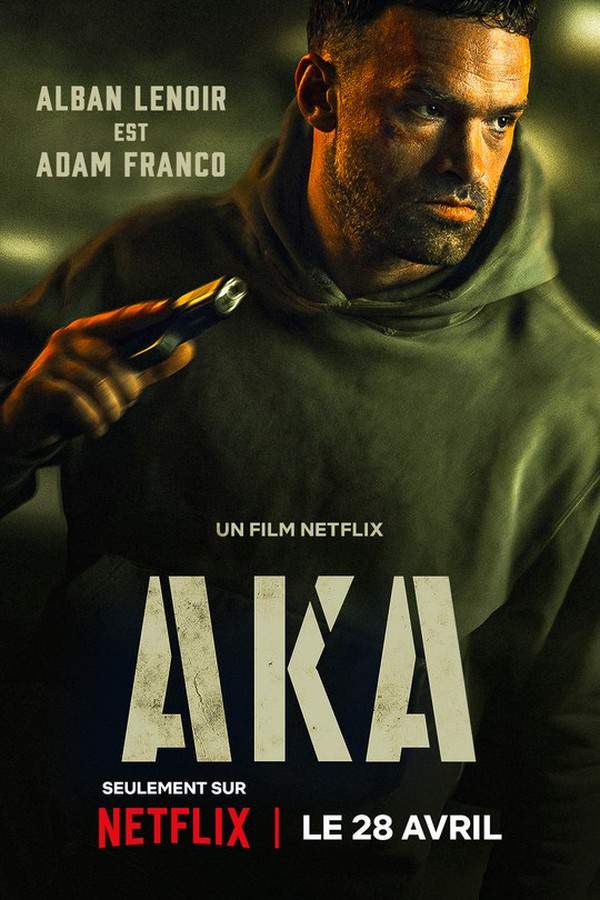
AKA (2023) Detailed Story Recap
Arsenal (2017) Story Summary & Characters
Acts of Violence (2018) Full Summary & Key Details
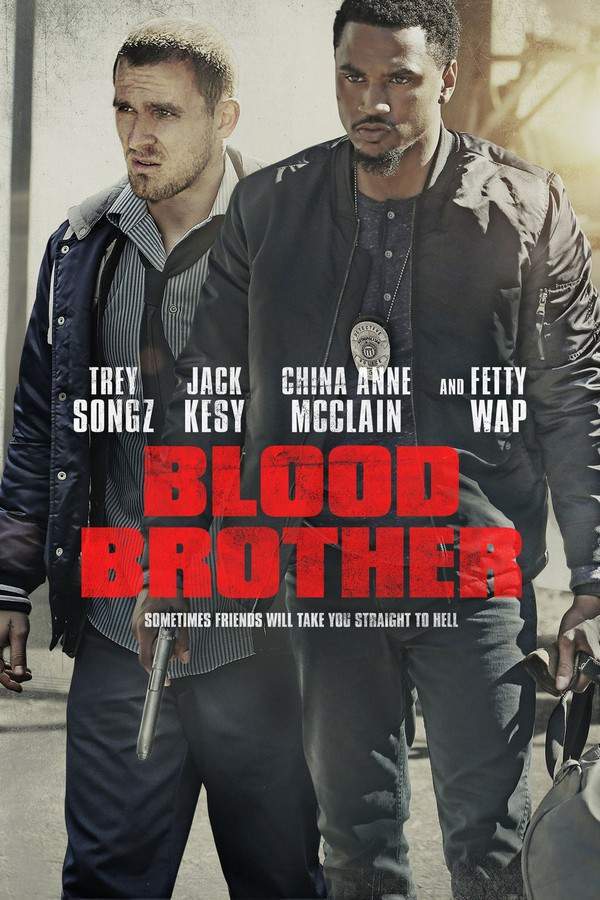
Blood Brother (2018) Movie Recap & Themes
Thugocratie (2018) Ending Explained & Film Insights
Οι Επικίνδυνοι (1983) Spoiler-Packed Plot Recap
Al Mouled (1989) Spoiler-Packed Plot Recap
Xtreme (2021) Film Overview & Timeline
Escape to Athena (1979) Plot Summary & Ending Explained
Abuse of authority (1971) Plot Summary & Ending Explained
Κάθαρση (2009) Full Summary & Key Details
Robbery in Athens (1969) Full Summary & Key Details
Abyss (2024) Ending Explained & Film Insights
Elyas (2024) Detailed Story Recap