Plot Explained Spoilers guaranteed!
Plot Explained

Browse by genre

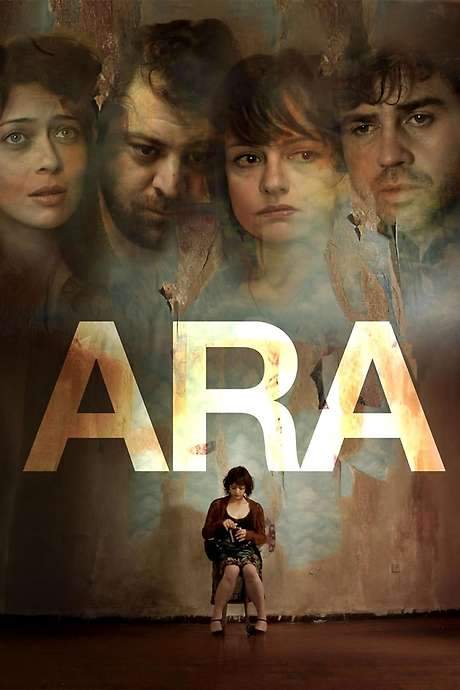
Aram (2002) movie poster

Characters & Themes

Aram (2002) Characters, Setting & Themes Explained

Release, runtime and language
2002 · 90 mins · French
Loading streaming availability…
Directed by
Robert Kechichian
Starring
Lubna Azabal, Simon Abkarian, Mathieu Demy, Serge Avédikian, Isabelle Sadoyan, Jean-Yves Chatelais

Aram, a former soldier who fought for the Armenian cause, travels to France to finalize an arms transaction while being monitored by secret services. Blamed by his father for the injuries his brother sustained in a terrorist attack, he is also driven by a desire for revenge against the events that have devastated his family and shaped his life.

On this page (9)
  1. 1 Where to watch
  2. 2 Characters explained (8)
  3. 3 Character relationship map
  4. 4 Where & when it takes place
  5. 5 Themes & meaning (4)
  6. 6 Character & meaning questions
  7. 7 Movie threads
  8. 8 Movies like Aram
  9. 9 Every angle
Loading streaming availability…

8 main characters · contains spoilers

Aram Characters Explained: Who Is Who

The main characters of Aram (2002), heroes and villains: what drives them, how they change over the course of the story and what each of them reveals about the film's bigger ideas.

  • Aram Sarkissian (Simon Abkarian)

    A young French-Armenian member of AGJSA who returns from the Nagorno-Karabakh conflict to a ‘normal life’ in Paris, only to be drawn back into danger. He opposes the planned assassination, prioritizing the Armenian struggle in Karabakh over broader targets. His loyalty to family and his reluctance to kill complicate his path as he becomes hunted by both enemies and investigators.

    • 🧭 Identity
    • 🪖 Militancy
    • 👨‍👩‍👦 Family
  • Levon Sarkissian (Mathieu Demy)

    Aram’s younger brother who embraces violent action and plots the assassination upon returning to France. He is shot and left paralyzed, fueling a cycle of rage and retribution. His mistrust of Aram and his path toward vengeance drive much of the conflict within the family and against their allies.

    • 🧭 Family conflict
    • 🗡️ Violence
    • 💔 Tragedy
  • Méliné (Lubna Azabal)

    The Sarkissian sister who becomes engaged to Stephan, representing family continuity and personal life within the diaspora. She shows sympathy for Aram while navigating the pressures of family duty and traditional expectations. Her presence underscores the human costs of political violence on everyday relationships.

    • 💞 Family bonds
    • 💍 Engagement
    • 🌉 Bridge between generations
  • Talaat Sonlez (Serge Avédikian)

    A high-ranking Turkish official linked to a broader Turkish government network and the Black Wolves. He survives the 1993 attack, orchestrates or influences subsequent moves, and remains a persistent target for Aram. His involvement in diplomacy, crime, and violence marks him as a central adversary in the plot.

    • ⚖️ Power & intrigue
    • 🗡️ Betrayal
    • 🌐 International politics
  • Tante Anouche (Isabelle Sadoyan)

    The family matriarch who embodies generational memory and tradition. Her stance helps anchor the family’s values during a period of upheaval, even as she witnesses fractures within the clan. She provides a steady, if sometimes stern, perspective amid chaos.

    • 👵 Family matriarch
    • 🏛️ Tradition
    • 🧩 Family dynamics
  • Maître Kavedjian (Jean-Yves Chatelais)

    A diplomat for the Nagorno-Karabakh Republic in Paris who informs Aram about betrayals and the shifting alliances behind the scenes. He represents the legal and political layer of the conflict, balancing diplomacy with the harsh realities of espionage. His involvement tightens the network of influence surrounding Aram.

    • ⚖️ Legal world
    • 🕵️ Political maneuvering
    • 🗣️ Diplomacy
  • Paul (Gilles Arbona)

    A French counter-terrorism policeman monitoring AGJSA and the Armenian network. He withholds information at times, navigating the fine line between law enforcement and loyalty. He ultimately reveals Talaat’s identity to Aram and, in the end, advises Aram to leave France to avoid arrest.

    • 🕵️ Surveillance
    • 🛡️ Law & order
    • 🤝 Mercy
  • Mihran Sarkissian (Alan Motte)

    The bitter patriarch who blames Aram for Levon’s injuries and distances himself from his son’s cause. He struggles to reconcile his resentment with the need to protect the family, ultimately granting permission for Aram to depart France. His stance reflects the weight of parental expectation within a fractured family.

    • 💔 Family legacy
    • 🏛️ Patriarchy
    • 🗺️ Diaspora ties

Last updated: October 30, 2026 at 11:44

Was this helpful?

8 characters · 12 connections · contains spoilers

Aram Character Relationship Map

Who is connected to whom in Aram: family, love, friendships, rivalries and hidden ties, colour-coded. Pick a character to see their side of the story, or a connection to see what brings two characters together.

How much of the story to show
ASAram SarkissianSimon AbkarianLSLevonSarkissianMathieu DemyMSMihranSarkissianMMelineLubna AzabalTSTalaat SonlezSerge AvédikianPPaulKKavedjianJean-Yves ChatelaisFBFodil Boushaour

Last updated: October 30, 2026 at 11:44

Was this helpful?

Setting

Where and When Does Aram Take Place?

The setting of Aram (2002): the year and time period, the places and locations, and how they shape the characters, the mood and the tension of the story.

Time period

1993-2001

The narrative spans from October 1993 to January 2001, tracking a family touched by war across nearly a decade. It juxtaposes early militant actions with later counter-terrorism concerns, showing trauma lingering beyond the battlefield. The period covers the late 1990s European context of migration, politics, and fragile peace in the region.

Location

Paris, Nagorno-Karabakh, Dunkirk, Calais, Germany

The story unfolds across a mosaic of European locations, anchoring a family drama in Paris while threading memories of Nagorno-Karabakh. It shifts between conflict zones and cosmopolitan streets, reflecting how distance and diaspora shape the characters. Key scenes occur along the French coast in Dunkirk and Calais during gun deals, and later in Germany amid diplomatic maneuvering. The settings emphasize the clash between homeland struggle and everyday life in France.

  • 🗺️ European settings
  • 🪖 War-torn locales
  • 🏙️ Urban & border zones

Last updated: October 30, 2026 at 11:44

Was this helpful?

4 major themes

Aram Meaning: Themes & Message Explained

What is Aram (2002) really about? The emotional, social and philosophical themes the film keeps returning to, its symbolism and the message beneath the surface.

  • Family Struggle

    Aram returns from war to a fractured Parisian home, where loyalty to family clashes with the violent methods of the Armenian cause. Levon’s radicalization and subsequent injuries drive a rift that no forgiveness can easily repair. Mihran’s bitterness compounds the tension, while Méliné embodies a fragile bridge between generations. The film explores how war churns within a family, long after the guns fall silent.

  • Identity & Loyalties

    Aram’s French-Armenian identity pulls him between Parisian normalcy and a militant past, highlighting the burden of diaspora loyalties. The siblings navigate conflicting trajectories—one seeking restraint, the other pursuing immediate action—within a web of political interests. The story questions whether true allegiance lies with homeland struggles or with the safety of loved ones. The tension between personal ethics and collective duty runs through the entire narrative.

  • Betrayal & Violence

    Djalal’s betrayal and the ensuing assassination plots reveal how trust is weaponized in geopolitics. Talaat survives initial violence and manipulates alliances to further a dangerous agenda. The arms deal and cross-border coercion deepen the sense that violence begets more violence. The arc underscores the fragility of trust in a world where every ally could be a threat.

  • Redemption

    In the end, Aram’s choice to walk away and not become a fugitive signals a quiet redemption, choosing life with his family over continued bloodshed. Paul’s decision to let him go rather than arrest him emphasizes mercy within a system built on surveillance and control. The film closes on a note of partial reconciliation, suggesting that forgiveness can coexist with consequence. Redemption here is a personal, measured victory rather than a sweeping political solution.

Last updated: October 30, 2026 at 11:44

Was this helpful?

Character & theme questions

Aram Characters & Meaning: Your Questions Answered

The questions people ask about Aram (2002): who the characters really are, their relationships, what the symbols mean, where it takes place and what the movie is really about. Each answer contains spoilers.

Q1

Where does Aram take place?

Aram unfolds across several European locations, primarily in Paris where the Sarkissian family lives, with key scenes also set in Dunkirk and Calais along the French coast where arms deals occur. The story also references Nagorno-Karabakh, the homeland connected to the family's militant past, and includes sequences in Germany during diplomatic maneuvering.

  • paris
  • nagorno-karabakh
  • dunkirk
  • calais
  • setting
  • europe
Q2

What time period does Aram cover?

The film spans from October 1993 to January 2001, covering nearly a decade of the Sarkissian family's story. This period captures the late 1990s European context of migration, politics, and the lingering aftermath of conflict in the South Caucasus region.

  • 1993
  • 2001
  • time period
  • 1990s
  • historical setting
Q3

What are the main themes of Aram?

Aram explores several interconnected themes including family struggle, where war continues to divide the Sarkissian family long after combat ends. It delves into identity and loyalties, examining the burden of Armenian diaspora loyalty against a backdrop of French normalcy. Betrayal and violence run throughout as political alliances prove treacherous, while redemption forms the emotional conclusion as Aram chooses family over continued bloodshed.

  • themes
  • family
  • loyalty
  • identity
  • betrayal
  • violence
  • redemption
Q4

Who is Aram Sarkissian?

Aram Sarkissian is the film's protagonist, a young French-Armenian former combatant who fought in the Nagorno-Karabakh conflict. He returns to Paris seeking a normal life but is drawn back into danger when he's tasked with an arms deal. His core tension lies between loyalty to his family and the violent methods of the Armenian militant cause.

  • aram sarkissian
  • protagonist
  • main character
  • armenian
Q5

What role does Levon play in the story?

Levon is Aram's younger brother who fully embraces violent action upon returning to France. He becomes the driving force behind planning an assassination, only to be shot and left paralyzed. His radicalization and subsequent disability fuel his rage, creating a deep rift within the family and intensifying the film's exploration of vengeance versus reconciliation.

  • levon sarkissian
  • brother
  • paralysis
  • vengeance
  • radicalization
Q6

Who is the antagonist in Aram?

Talaat Sonlez serves as the primary antagonist, a high-ranking Turkish official connected to both the Turkish government and a militant network called the Black Wolves. He survives a 1993 attack and orchestrates subsequent moves against the Armenian characters, representing the persistent threat that drives much of the political violence in the narrative.

  • talaat sonlez
  • antagonist
  • villain
  • turkish official
  • black wolves
Q7

How does Aram explore identity and loyalty?

The film examines Aram's French-Armenian identity as a source of constant tension between his desire for normal life in Paris and his duty to the Armenian militant cause. His siblings represent conflicting paths, one seeking restraint, the other pursuing immediate action, while the broader diaspora community adds layers of political expectation. The story questions whether loyalty belongs to homeland struggles or to the safety of immediate family.

  • identity
  • loyalty
  • diaspora
  • armenian community
  • french-armenian
Q8

What does the Family Struggle theme represent in Aram?

The Family Struggle theme illustrates how war's impact extends far beyond the battlefield into domestic life. Aram returns to a fractured Parisian home where his brother Levon's radicalization and subsequent paralysis have created an unbridgeable rift. Their father Mihran blames Aram for Levon's injuries, while sister Méliné represents the human cost of political violence on everyday relationships. The theme shows that guns may fall silent, but family war continues.

  • family conflict
  • father
  • brother
  • sister
  • blame
  • trauma
Q9

Who is Paul in the movie?

Paul is a French counter-terrorism policeman who monitors the AGJSA Armenian militant organization. He walks a fine line between law enforcement duty and personal loyalty, sometimes withholding information to protect Aram. In the climax, he reveals Talaat's identity to Aram and ultimately advises him to leave France, choosing mercy over strict enforcement.

  • paul
  • police
  • counter-terrorism
  • french authorities
  • investigation
Q10

What does the ending signify about redemption?

The redemption in Aram is personal and measured rather than political. Aram chooses to walk away rather than become a fugitive, selecting a life with his family over continued violence. His father Mihran grants him permission to leave, achieving partial reconciliation. Paul the policeman chooses to let him go rather than arrest him, demonstrating mercy within a system of surveillance. The ending suggests forgiveness can coexist with consequence, but offers no sweeping political resolution.

  • ending
  • redemption
  • forgiveness
  • resolution
  • mercy
  • departure
Q11

What is the Nagorno-Karabakh connection in Aram?

Nagorno-Karabakh represents the origin of the Sarkissian family's militant involvement and the source of their ongoing political struggle. Both Aram and Levon fought in the conflict there, and the arms deal they orchestrate in France is meant to support the Armenian cause in Karabakh. The setting contrasts sharply with Parisian daily life, illustrating how the homeland struggle follows the family into diaspora.

  • nagorno-karabakh
  • armenia
  • homeland
  • conflict
  • south caucasus

Movie threads

More Movies Like Aram, by Mood & Story

Curated lists built around what makes Aram tick: the same mood, the same kind of story or the same emotional payoff. Each list explains why these movies belong together.

Diaspora Thrillers of Revenge and Identity like Aram

Protagonists caught between a violent past and a precarious future in a foreign land. If you liked Aram, explore more movies like it where protagonists from conflicted homelands navigate dangerous missions and personal vendettas in foreign settings. These similar political thrillers and crime dramas feature tense espionage, themes of identity, and the heavy weight of carrying trauma across borders.

  • tense
  • gritty
  • paranoid
  • melancholic
  • suspenseful
  • brooding
  • Tone: dark, tense, melancholic
  • Pacing: fast, relentless
Why these movies?

The story pattern: The narrative follows a protagonist forced to operate in a foreign country, using their skills from a past life to complete a dangerous mission. Their outsider status increases the risk and paranoia, as they are often hunted by both local authorities and enemies from their homeland. The story is a tightrope walk between achieving their goal and navigating the complex social and political landscape of their host country.

Why they belong together: Movies are grouped here by their shared core premise: a character's deeply personal mission is intrinsically linked to their identity as an exile or member of a diaspora. This creates a unique blend of international political thriller and intimate character study, where the setting itself becomes a major source of tension and thematic depth.

Grim Cycles of Violence and Family Trauma like Aram

Stories where the pursuit of vengeance perpetuates a chain of suffering within families. Find movies with a similar bleak tone to Aram, where the heavy emotional weight of family trauma drives a violent and morally complex narrative. These stories explore the devastating consequences of revenge and how violence becomes an inescapable cycle, leaving characters with bittersweet or tragic resolutions.

  • grim
  • gritty
  • brooding
  • melancholic
  • heavy
  • tense
  • Tone: dark, grim, bittersweet
  • Pacing: fast, driven
Why these movies?

The story pattern: The narrative is driven by a central trauma that haunts a family or individual, compelling them toward a path of vengeance. This journey is not glamorous but is portrayed as a grim necessity that exacts a heavy personal cost. The story structure often reveals how the initial act of violence is part of a larger, ongoing conflict, and the protagonist's actions may provide a form of resolution but rarely true peace, ending on a note of profound loss.

Why they belong together: These films are grouped by their uncompromising exploration of violence as a destructive cycle that consumes individuals and families. They share a dark tone, high emotional stakes, and a focus on the bittersweet or bleak aftermath of revenge, prioritizing the emotional truth of trauma over cathartic action.

If you liked this

Movies Like Aram

Similar movies to Aram: the same genre, themes or kind of story. Each one comes with its own plot summary, timeline and ending explained.

Browse all movie summaries

Every angle

Aram (2002) Explained: Plot, Timeline & Characters

Everything about Aram in one place: what happens in the plot summary, the timeline in chronological order, the characters and meaning and a spoiler-free summary. What's After the Movie adds the cast, box office and post-credit scenes.

Coming soon on iOS and Android

The Plot Explained Movie Summary App

Plot summaries, endings explained and timelines on your phone. Catch up on any movie in minutes, save your favorites and never miss a twist again.

Be the first to know when we launch. Your email stays private, always.

Learn more about the app