


Plot Explained Spoilers guaranteed!
Plot Explained

Browse by genre

Antichrist (2009) movie poster

Timeline

Antichrist (2009) Timeline Explained – Every Event in Order

Release, runtime and language
2009 · 108 min · English
JustWatch #8,160 19
Directed by
Lars von Trier
Starring
Charlotte Gainsbourg, Willem Dafoe

Following the death of their young child, a couple retreats to a remote cabin in the woods to grieve and attempt to reconnect. However, their isolated retreat quickly devolves into a harrowing exploration of despair, pain, and primal rage. As their relationship fractures, they confront disturbing aspects of their shared grief, blurring the boundaries between reality and psychological torment amidst the unsettling beauty of their surroundings.

On this page (6)
  1. 1 Where to watch
  2. 2 Events in order (15)
  3. 3 Timeline questions answered
  4. 4 Movie threads
  5. 5 Movies like Antichrist
  6. 6 Every angle

Where to watch

Where to Watch Antichrist (2009)

Where can you watch Antichrist? Stream, rent or buy it in the US, including on MUBI and Kanopy: current JustWatch availability with up-to-date prices.

Streaming availability powered by JustWatch

15 events in order · contains spoilers

Antichrist Timeline: Events in Chronological Order

Every key event of Antichrist (2009) in order, scene by scene, with when and where it takes place. Use it to untangle flashbacks, time jumps and parallel storylines, to refresh your memory before the sequel or to find the exact scene you are thinking of.

  1. Nic's death during a sexual encounter

    In their Seattle apartment, the unnamed couple have sex while their infant Nic is unsupervised. Nic climbs toward the bedroom window and falls to his death. The tragedy unfolds rapidly, leaving the parents stunned and beginning a long, painful grief.

    When
    Night
    Where
    Seattle apartment
  2. Mother collapses at the funeral

    At Nic's funeral, the mother collapses under the weight of her grief. The moment marks a rupture in the ceremony and signals the depth of her sorrow. This event foreshadows the strain on their relationship and the coming months of mourning.

    When
    Funeral day
    Where
    Funeral in Seattle
  3. Mother hospitalized with grief

    The mother spends the next month in the hospital, crippled by atypical grief. Her condition tests the family and casts doubt on conventional care. The father watches, increasingly skeptical of standard psychiatry and searching for alternatives.

    When
    Following funeral
    Where
    Seattle hospital
  4. Father begins at-home therapy

    The father, a therapist, questions the value of external psychiatric care and decides to treat his wife himself. He begins psychotherapy as a way to help her cope with the loss. Their relationship becomes more intimate but also more fragile.

    When
    Soon after funeral
    Where
    Seattle apartment
  5. Journey to Eden and exposure therapy

    As part of the healing process, they hike to Eden, a remote cabin in the woods, so she can confront her fear of nature. The trip doubles as a test of their bond and the viability of his unorthodox approach. Eden also ties to her past writings and ideas.

    When
    During therapy
    Where
    Eden cabin, woods
  6. The deer encounter and stillborn fawn

    During the hike, a deer shows no fear of him and bears a stillborn fawn hanging halfway out of her. The eerie encounter foreshadows the increasingly ominous mood of the environment. It marks nature as a malevolent force within the couple's struggle.

    When
    During hike
    Where
    Woods near Eden
  7. Escalation of mania during therapy

    In ongoing psychotherapy, the woman becomes increasingly grief-stricken and manic, often demanding forceful sex. The surroundings grow more sinister as acorns pelt the roof, ticks attach to a hand, and a red fox emits a warning about chaos. The therapy sessions blur the line between healing and horror.

    When
    During psychotherapy
    Where
    Eden cabin and surrounding woods
  8. Attic discovery of thesis and belief in evil

    The man discovers the woman's thesis studies in the attic, including violent depictions of witch hunts and a frantic scrapbook. She reveals that she has come to believe all women are inherently evil. The revelation deepens the rift between them and intensifies the fear around her motives.

    When
    During therapy
    Where
    Eden cabin attic
  9. Confrontation at the base of the dead tree

    The man reprimands her for her worldview, and in a frenzy, they have violent sex at the base of an ominous dead tree entwined with exposed roots. He begins to suspect that Satan is her greatest hidden fear. The scene blends confrontation with ritualistic symbolism.

    When
    During confrontation
    Where
    Base of dead tree near Eden
  10. Discovery of Nic's wrong-foot shoes

    After viewing Nic's autopsy photos, the man realizes she had been systematically putting Nic's shoes on the wrong feet, resulting in a foot deformity. The revelation shifts his perception of her care for Nic and the severity of her influence. It also intensifies the tension between them.

    When
    After autopsy viewing
    Where
    Eden cabin
  11. Shed attack and brutal injuries

    She attacks him in the shed, accuses him of planning to leave, and initiates sex again before smashing a heavy block of wood onto his erect penis, knocking him unconscious. She then masturbates him until he ejaculates blood, and drills a hole through his leg to bolt a grindstone in place. The wrench is tossed under the cabin, beginning the cycle of pain and confinement.

    When
    During attack
    Where
    Shed near cabin
  12. Foxhole escape and partial burial

    The man awakens with a leg wound, drags himself into a deep foxhole at the base of the dead tree, and hides as a crow signals his burial. The woman locates him and attacks, leaving him partially buried and fighting to survive. Night deepens as danger closes in.

    When
    Night
    Where
    Foxhole at base of dead tree
  13. Remorse, rescue, and confession

    Night falls as the woman digs the man up and helps him back to the cabin, unable to recall where the wrench is. She tells him that only The Three Beggars can end his life and recounts Nic's death, confessing her own perceived evil. The confession marks a turning point in their dynamic.

    When
    Night
    Where
    Cabin
  14. Climax: disfigurement, three beggars, and murder

    In the cabin, she cuts off her clitoris, and the crow, deer, and fox—The Three Beggars—appear amid a hailstorm. The man finds the wrench under the floorboards and frees himself by unbolting the grindstone. He then strangles her and builds a pyre to cremate her body.

    When
    Night
    Where
    Cabin
  15. Final procession of women

    The man limps away from the burning cabin and eats wild berries as the Three Beggars watch, now translucent and glowing. A procession of hundreds of women in antiquated dress appears on a hill, their faces blurred, and they pass by as they walk deeper into the forest. The final image leaves the fate of the protagonist and the mystery of the forest unresolved.

    When
    After cremation
    Where
    Hilltop and forest

Last updated: October 09, 2025 at 15:44

Was this helpful?

Timeline questions answered

Antichrist Timeline Explained: Your Questions Answered

When does it happen, and why in that order? The questions people ask about the chronology of Antichrist (2009): time jumps, flashbacks, cause and effect between scenes and the correct order of events, each answered with spoilers.

Q1

Why did Nic fall from the window?

Nic fell from the bedroom window while the couple was engaged in a private sexual moment in another room. The infant was left unsupervised, and he climbed toward the window where he lost his balance and fell to his death. This tragedy occurs rapidly and unexpectedly, setting the entire narrative in motion.

  • nic death
  • infant death
  • window fall
  • unsupervised child
Q2

Why did the wife collapse at Nic's funeral?

The wife collapsed at the funeral due to the overwhelming weight of her grief. Her grief was described as atypical and stubborn, beyond normal mourning. This collapse marked a visible rupture in her ability to cope and foreshadowed the psychological deterioration that would follow.

  • wife collapse
  • funeral
  • grief breakdown
Q3

Why did the husband decide to treat his wife himself?

The husband, a therapist by profession, grew skeptical of conventional psychiatric care after watching his wife's stubborn and atypical grief response. He believed he could help her through personal psychotherapy without medical mediation, though this decision also reflected his growing control over her treatment and their relationship.

  • husband therapist
  • home treatment
  • psychotherapy
Q4

Why is the wife afraid of nature?

The wife has an intense, irrational fear of nature that the husband attempts to address through exposure therapy at the Eden cabin. This fear connects to her thesis work on gynocide and her later belief that women are inherently evil, suggesting nature represents something primal and threatening to her psychological state.

  • nature fear
  • exposure therapy
  • wife phobias
Q5

Why does the wife believe all women are inherently evil?

During her time at Eden the previous summer, the wife wrote a thesis challenging gynocide that involved studying witch hunts and violent depictions of women throughout history. This research, combined with her grief over Nic's death, led her to conclude that all women, including herself, are inherently evil. This belief intensifies as her mental state deteriorates.

  • evil women
  • thesis
  • gynocide
  • witch hunts
Q6

Why did the wife attack the husband in the shed?

The wife attacked the husband in the shed after he discovered that she had been putting Nic's shoes on the wrong feet, contributing to his foot deformity. This revelation, combined with her paranoid belief that he was planning to leave her, triggered the brutal attack. She accused him of abandonment, initiated sex, and then assaulted him with a wooden block,drilling a hole through his leg to bolt a grindstone.

  • shed attack
  • wife violence
  • grindstone bolting
Q7

What was the significance of Nic's shoes being on the wrong feet?

After reviewing Nic's autopsy photos and the wife's photographs from Eden, the husband discovered she had been systematically putting Nic's shoes on the wrong feet, causing a foot deformity. This revelation shocked him and deepened his understanding of her disturbed mental state, suggesting she may have contributed to Nic's physical abnormalities before his death.

  • nic shoes
  • foot deformity
  • wife tampering
Q8

What do the Three Beggars represent?

The Three Beggars are the crow, the deer, and the fox, animals that have appeared throughout the film as ominous presences. The crow represents despair, the deer represents grief, and the fox represents pain. They appear together during the climactic hailstorm, marking the turning point of the couple's ordeal and linking to mythological traditions about women accused of witchcraft summoning storms.

  • three beggars
  • crow deer fox
  • symbolism
  • mythology
Q9

Why did the wife cut off her own clitoris?

In the climactic scene, the wife makes a drastic symbolic cut by removing her clitoris. This act represents her final, extreme attempt to confront what she believes is her own inherent evil and sexual nature. It is both an act of self-punishment and a ritualistic offering connected to the supernatural elements unfolding around her.

  • self-mutilation
  • clitoris cutting
  • ritual sacrifice
Q10

Why did the husband kill his wife?

The husband killed his wife in self-defense after he finally freed himself from the grindstone bolt. When he found the wrench and unbolted himself, a struggle ensued. He strangled her to death and then cremated her body on a pyre. While she had shown remorse and rescued him earlier, her earlier brutal attack and continued psychological threat left him with no other option in the film's brutal logic.

  • wife murder
  • strangulation
  • cremation
  • self-defense
Q11

What does the fox mean when it says 'chaos reigns'?

The red fox appears as a self-referential, ominous character that speaks to the husband, telling him that 'chaos reigns.' This prophetic statement foreshadows the complete breakdown of order in their relationship and the descent into psychological and physical violence that follows. The fox represents pain and serves as a harbinger of the escalating chaos.

  • talking fox
  • chaos reigns
  • prophecy
Q12

What does the final vision of women mean?

After cremating his wife, the man witnesses a procession of hundreds of women dressed in antiquated garments with blurred faces walking deeper into the forest. This ambiguous vision may represent the wife's belief in a collective female presence or spirit, the mythological 'coven' she associated with her thesis, or a supernatural resolution to the trauma. The ending leaves the protagonist alone in an unknowable, mysterious landscape with no clear resolution.

  • women procession
  • final vision
  • ambiguous ending
  • forest mystery
Q13

Why did the wife confess to letting Nic fall?

During the night of remorse, the wife confessed that when Nic climbed to the window, she deliberately let him fall rather than stopping him. She framed this as proof of her own inherent evil, believing her nature compelled her to allow the tragedy. This confession reveals her deep-seated self-loathing and the psychological framework that has driven her throughout the film.

  • wife confession
  • nic fall
  • intentional death
Q14

What is the significance of the deer with the stillborn fawn?

During the hike to Eden, the couple encounters a deer that shows no fear and has a stillborn fawn hanging halfway out of her body. This eerie, haunting encounter foreshadows the film's themes of death, grief, and nature as a malevolent force. It establishes the ominous atmosphere and marks nature as a symbolic presence that will torment the couple throughout their stay.

  • stillborn fawn
  • deer encounter
  • nature death
  • foreshadowing

Movie threads

More Movies Like Antichrist, by Mood & Story

Curated lists built around what makes Antichrist tick: the same mood, the same kind of story or the same emotional payoff. Each list explains why these movies belong together.

Slow burn psychological thrillers like Antichrist

Stories where psychological torment builds relentlessly in isolated settings. If you liked the slow, relentless build of psychological dread in Antichrist, explore more movies like it. This list features intense, character-driven stories with a slow pacing, where the horror is psychological and the atmosphere is deeply oppressive, perfect for fans of complex, harrowing narratives.

  • slow burn
  • psychologically intense
  • oppressive
  • harrowing
  • despairing
  • claustrophobic
  • Tone: dark, psychologically intense
  • Pacing: slow, deliberate
Why these movies?

The story pattern: Narratives in this thread typically follow characters retreating into isolation, only to be consumed by their own grief, guilt, or trauma. The plot is secondary to the gradual, often surreal, dissection of a breaking psyche. The journey is inward, leading to a point of psychological no return, often with an ambiguous or bleak conclusion.

Why they belong together: These films are grouped by their shared commitment to a slow pace that cultivates unbearable tension and a focus on internal, psychological horror. They prioritize mood and character breakdown over plot, creating a consistently intense and heavy viewing experience defined by dread.

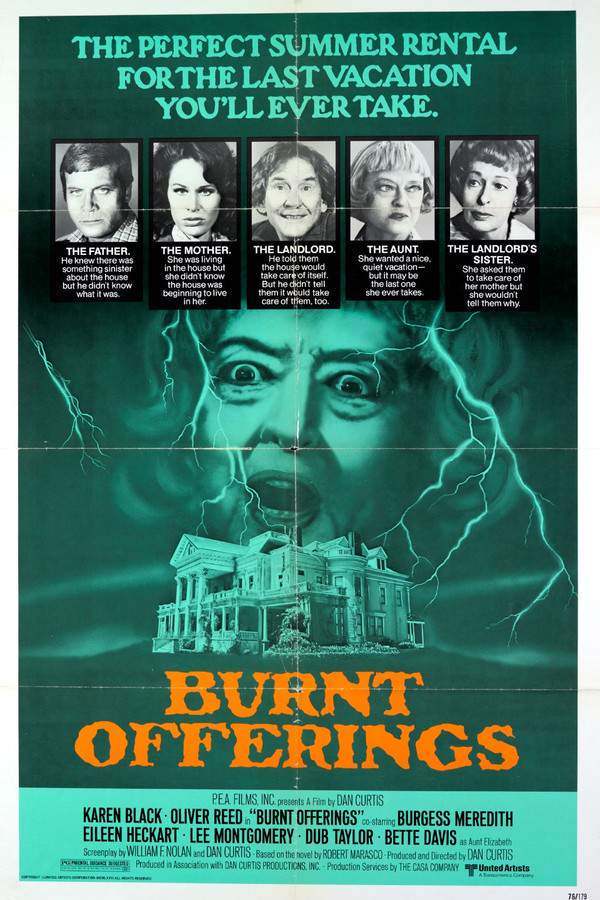
Movies with a malevolent natural world like Antichrist

Films where the natural world reflects or amplifies internal chaos and evil. For viewers who were fascinated by the symbolic, chaotic forest in Antichrist, this list features similar movies where nature is a active, threatening force. Discover films that explore the theme of primal chaos and use wild settings to reflect the dark, untamed aspects of the human psyche.

  • primal
  • unsettling
  • symbolic
  • chaotic
  • isolated
  • dreamlike
  • Tone: dark, primal, chaotic
  • Pacing: variable, often slow
Why these movies?

The story pattern: Stories in this thread often involve characters venturing into or being trapped within a natural environment that seems to possess a will of its own. The conflict is as much against the setting as it is against personal demons. The narrative explores themes of primal rage, inherent evil, and the loss of civilized control when faced with the raw power of nature.

Why they belong together: These films are united by the thematic use of nature as a catalyst for horror and psychological transformation. They share a dark tone and a focus on how wild, isolating settings can strip away humanity, revealing something more primitive and terrifying beneath the surface.

If you liked this

Movies Like Antichrist

Similar movies to Antichrist: the same genre, themes or kind of story. Each one comes with its own plot summary, timeline and ending explained.

Browse all movie summaries

Every angle

Antichrist (2009) Explained: Plot, Timeline & Characters

Everything about Antichrist in one place: what happens in the plot summary, the timeline in chronological order, the characters and meaning and a spoiler-free summary. What's After the Movie adds the cast, box office and post-credit scenes.

Coming soon on iOS and Android

The Plot Explained Movie Summary App

Plot summaries, endings explained and timelines on your phone. Catch up on any movie in minutes, save your favorites and never miss a twist again.

Be the first to know when we launch. Your email stays private, always.

Learn more about the app