Plot Explained Spoilers guaranteed!
Plot Explained

Browse by genre

Anne of the Thousand Days (1969) movie poster

Timeline

Anne of the Thousand Days (1969) Timeline Explained – Every Event in Order

Release, runtime and language
1969 · 145 mins · English
Directed by
Charles Jarrott
Starring
John Colicos, Michael Hordern, Geneviève Bujold, Esmond Knight, Irene Papas, Anthony Quayle

He was king, she was only eighteen. Over roughly a thousand days their whirlwind romance ignited, becoming one of history’s most passionate and scandalous love affairs. Henry VIII of England set aside his wife, Catherine of Aragon, after her failure to bear a male heir, and pursued the youthful, striking Anne Boleyn.

On this page (6)
  1. 1 Where to watch
  2. 2 Events in order (14)
  3. 3 Timeline questions answered
  4. 4 Movie threads
  5. 5 Movies like Anne of the Thousand Days
  6. 6 Every angle

Where to watch

Where to Watch Anne of the Thousand Days (1969)

Where can you watch Anne of the Thousand Days? Stream, rent or buy it in the US, including on Amazon Video, Apple TV Store and Fandango At Home: current JustWatch availability with up-to-date prices.

Streaming availability powered by JustWatch

14 events in order · contains spoilers

Anne of the Thousand Days Timeline: Events in Chronological Order

Every key event of Anne of the Thousand Days (1969) in order, scene by scene, with when and where it takes place. Use it to untangle flashbacks, time jumps and parallel storylines, to refresh your memory before the sequel or to find the exact scene you are thinking of.

  1. Henry's dissatisfaction with Catherine and Mary Boleyn affair

    Henry confides his dissatisfaction with Catherine of Aragon to trusted courtiers. He begins a discreet affair with Mary Boleyn, the sister of Anne Boleyn, which deepens his restlessness. The court begins to sense that his marriage is in trouble.

    When
    1527
    Where
    London court
  2. Anne's engagement broken; Henry orders Wolsey to break it

    Anne returns from her education in France to find her betrothal to the Earl of Northumberland's son at risk. Henry, now infatuated with her, orders Cardinal Wolsey to break the engagement. Anne reacts furiously, blaming both Wolsey and the king for ruining her happiness.

    When
    1527
    Where
    London court
  3. Anne's resistance and rising influence

    Anne initially resists Henry's advances, making it clear she will not become his mistress. She quickly discovers the power his attention can give her and begins to undermine Wolsey's standing at court.

    When
    1527
    Where
    Court
  4. Plan to marry Anne in Catherine's place

    Henry presses Anne to become his wife, hinting he might marry her in Catherine's place if necessary. Anne is stunned but accepts the possibility, recognizing the immense political advantage. The idea of the marriage is pursued amid court intrigue.

    When
    1527
    Where
    London court
  5. Pope's divorce fails; Henry refuses; Wolsey dismissed

    Wolsey pleads with the pope to grant Henry a divorce, but the pope refuses to yield. The failure to secure a papal decree fuels Henry's anger and drives him to press on regardless. In response, Wolsey is dismissed from office.

    When
    Late 1520s
    Where
    Rome
  6. Wolsey's fall and Anne's ascent; secret marriage

    Wolsey's power collapses as Henry refuses to listen to him, and Anne is rewarded with the palace drawn from Wolsey's downfall. Henry and Anne sleep together, and after discovering she is pregnant, they marry secretly.

    When
    Late 1520s
    Where
    London
  7. Coronation and birth of Elizabeth

    Anne is crowned magnificently, but the people jeer at her. Months later, she gives birth to a daughter, Elizabeth, which dismays Henry, who had hoped for a son. The marriage begins to cool as politics and desire diverge.

    When
    Months after marriage
    Where
    London
  8. Henry shifts attention to Jane Seymour; Jane banished

    Henry's attention turns to Jane Seymour, one of Anne's maids. When Jane discovers the liaison, Anne banishes her from court.

    When
    After Elizabeth's birth
    Where
    Court
  9. More's opposition and the stillbirth

    During a row over Sir Thomas More's opposition to Anne's queenship, More is executed. Anne's subsequent pregnancy ends with a stillborn boy.

    When
    After More's opposition
    Where
    London
  10. Cromwell tortures and arrests; Anne imprisoned

    Thomas Cromwell tortures a servant into confessing to adultery with the queen and arrests four other courtiers. Anne is taken to the Tower and placed under arrest.

    When
    Later
    Where
    Tower of London
  11. Anne's trial and Henry's appearance; offer to annul

    At Anne's trial, she cross-examines Mark Smeaton, who finally confesses that the charges against her were lies. Henry appears that night and offers freedom if she will annul their marriage and make their daughter illegitimate.

    When
    During the trial
    Where
    Tower
  12. Anne's refusal and execution ordered

    Anne refuses the offer, declaring she would rather die than betray their daughter. Henry orders her execution, and a French swordsman is summoned to carry out the sentence.

    When
    Shortly after the trial
    Where
    Tower
  13. Anne beheaded; Henry's marriage to Jane Seymour

    A few days after the decision, Anne is beheaded at the scaffold by a French swordsman. Henry quickly rides off to marry Jane Seymour, sealing his separation from Anne.

    When
    Days after execution
    Where
    Tower scaffold
  14. Elizabeth's memory and cannons

    In the present, Elizabeth toddles in the garden as cannons fire to announce her mother's death. She witnesses the shifting fortunes of her family as Henry moves on with Jane Seymour.

    When
    Present day
    Where
    London garden

Last updated: October 09, 2025 at 11:07

Was this helpful?

Timeline questions answered

Anne of the Thousand Days Timeline Explained: Your Questions Answered

When does it happen, and why in that order? The questions people ask about the chronology of Anne of the Thousand Days (1969): time jumps, flashbacks, cause and effect between scenes and the correct order of events, each answered with spoilers.

Q1

Why did Henry VIII pursue Anne Boleyn instead of staying with Catherine of Aragon?

Henry pursued Anne primarily because Catherine of Aragon failed to provide him with a male heir after years of marriage. Additionally, Anne was young, striking, and had recently returned from France, making her notably different from the other women at court. Henry saw her as both an opportunity to secure a dynasty and as a woman he genuinely desired, leading him to risk everything, including breaking with the Catholic Church, to make her his queen.

Foreshadowing: Henry's dissatisfaction with Catherine is established early, as he confides his restlessness to courtiers and begins an affair with Mary Boleyn before noticing Anne.

  • henry viii
  • anne boleyn
  • catherine of aragon
  • male heir
  • divorce
Q2

Why was Cardinal Wolsey dismissed from power?

Cardinal Wolsey was dismissed because he failed to secure a papal annulment for Henry's marriage to Catherine of Aragon. Despite traveling to Rome to petition the pope, Wolsey could not overcome the Church's refusal to grant the divorce. Henry, furious at this failure and resentful of Wolsey's earlier attempts to counsel patience, removed him from office and gave his London palace to Anne as a symbol of her rising influence.

Foreshadowing: Anne had been actively undermining Wolsey's authority at court, recognizing him as a threat to her own ambitions.

  • cardinal wolsey
  • dismissal
  • pope
  • annulment
  • divorce
Q3

Why did Henry and Anne marry secretly?

Henry and Anne married in secret because the political situation made a public marriage impossible. Henry had not yet secured an annulment from Catherine, and marrying Anne before obtaining one would have created a major scandal and potentially sparked a rebellion. The secret marriage occurred after Anne discovered she was pregnant, forcing Henry to act quickly to legitimize the child.

Foreshadowing: Henry's earlier hint to Anne about marrying her 'in Catherine's place' established his willingness to take drastic action.

  • secret marriage
  • pregnancy
  • anne boleyn
  • henry viii
  • legitimacy
Q4

Why was Anne Boleyn executed?

Anne was executed on fabricated charges of adultery, incest, and treason. Henry had grown desperate for a male heir after Anne gave birth to Princess Elizabeth instead of a son, and his attention had shifted to Jane Seymour. Thomas Cromwell orchestrated a scheme to remove Anne by torturing a servant into confessing to adultery with the queen and arresting four other courtiers. The charges were lies designed to provide legal justification for her execution.

Foreshadowing: The film's tension builds as Anne's pregnancy ends in a stillborn boy, leaving Henry without the male heir he desperately wanted.

  • execution
  • adultery charges
  • thomas cromwell
  • treason
  • anne boleyn
Q5

Why did Anne refuse Henry's offer to save her life?

Anne refused Henry's offer to annul their marriage and make Elizabeth illegitimate because she refused to betray her daughter. Henry appeared in her chambers the night before her trial and offered her freedom if she would agree to the annulment, which would have spared her life. Anne declared she would rather die than abandon her daughter, insisting that Elizabeth would rule after Henry. This refusal sealed her fate.

Foreshadowing: Anne's earlier defiance of Henry, when she 'bluntly told him how she truly felt,' establishes her stubborn refusal to submit to his will.

  • anne boleyn
  • elizabeth
  • annulment
  • refusal
  • henry viii
Q6

Why was the birth of Princess Elizabeth a disappointment to Henry?

The birth of Elizabeth was a problem because Henry desperately needed a male heir to secure the Tudor dynasty and legitimize his break from the Catholic Church. Henry had risked everything, his marriage, his relationship with the Pope, and the stability of his kingdom, to obtain a son through Anne. When Anne gave birth to a daughter instead, Henry's frustration deepened, and he began seeking fulfillment elsewhere, eventually turning to Jane Seymour.

Foreshadowing: Henry's earlier dissatisfaction with Catherine stemmed specifically from her failure to bear a male heir.

  • princess elizabeth
  • male heir
  • succession
  • tudor dynasty
  • henry viii
Q7

Why was Sir Thomas More executed in the film?

Sir Thomas More was executed because he refused to accept Anne Boleyn as queen and opposed her queenship. During a fierce dispute over More's stance, Anne demanded his removal, and rather than compromise his principles against Henry's marriage to Anne, More was executed. The film presents this as another example of Anne's growing ruthlessness and the dangerous politics of the Tudor court.

Foreshadowing: Anne's earlier ambition and willingness to undermine those who opposed her foreshadows her role in More's downfall.

  • sir thomas more
  • execution
  • opposition
  • anne boleyn
  • conscience
Q8

Why did Anne banish Jane Seymour from court?

Anne banished Jane Seymour from court because she recognized Jane as a threat to her position. After giving birth to Elizabeth, Anne noticed Henry's attention drifting toward Jane, one of her own ladies-in-waiting. Sensing the shift in Henry's affection and fearing another rival, Anne removed Jane from the court before the relationship could develop further, though this ultimately proved futile.

Foreshadowing: The film establishes Anne's keen eye for political threats from the moment she returns to court and begins undermining Wolsey.

  • jane seymour
  • banishment
  • rivalry
  • henry viii
  • anne boleyn
Q9

How did Thomas Cromwell frame Anne Boleyn?

Thomas Cromwell orchestrated Anne's downfall by torturing a servant named Mark Smeaton into confessing to adultery with the queen. He then arrested four other courtiers on similar fabricated charges. These false confessions provided the legal foundation for Anne's arrest and trial, though at her trial, Anne courageously cross-examined Smeaton, who finally admitted the charges were lies. Nevertheless, Henry proceeded with the execution.

Foreshadowing: Cromwell is introduced as the king tasks him with 'finding a way to rid the realm of Anne,' establishing his role as Henry's instrument of removal.

  • thomas cromwell
  • frame
  • mark smeaton
  • torture
  • adultery charges
Q10

What happened to Elizabeth after Anne's execution?

After Anne's execution, Elizabeth was left in the royal household and survived to become one of England's greatest monarchs. In the film's closing scene, the young Elizabeth is shown toddling in a garden as cannons fire in the distance to announce her mother's death. This image marks the end of Anne's tragic era and the beginning of a new chapter that would eventually see Elizabeth I rule England.

Foreshadowing: Anne's insistence that Elizabeth would rule after Henry represents her final act of defiance and her legacy.

  • elizabeth i
  • execution
  • cannons
  • heir
  • anne boleyn daughter
Q11

Why did Anne accept Henry's marriage proposal despite knowing the risks?

Anne accepted Henry's proposal because she recognized the immense political power it offered her. Initially furious when Henry broke her engagement to the Earl of Northumberland's son, Anne quickly realized that the king's desire for her could be leveraged for enormous influence. She understood the risks of aligning with a king willing to break with the Church, but the potential reward of becoming Queen of England was too great to refuse.

Foreshadowing: Anne's early scene shows her quickly grasping how Henry's interest could shape her future, establishing her ambitious nature.

  • marriage proposal
  • risks
  • ambition
  • queen
  • anne boleyn

Movie threads

More Movies Like Anne of the Thousand Days, by Mood & Story

Curated lists built around what makes Anne of the Thousand Days tick: the same mood, the same kind of story or the same emotional payoff. Each list explains why these movies belong together.

Tragic historical downfalls like in Anne of the Thousand Days

Stories of powerful figures whose ambition leads to a tragic, inevitable end. Movies like Anne of the Thousand Days that explore the rise and tragic fall of historical figures. If you were captivated by the grim political machinations and heartbreaking execution in this film, you'll find similar stories of ambition, power, and destiny here.

  • tragic
  • grim
  • political
  • melancholic
  • oppressive
  • scandalous
  • Tone: dark, tragic, grim
  • Pacing: steady, deliberate
Why these movies?

The story pattern: These narratives often follow an arc of ascent to power, followed by a precipitous fall driven by internal flaws, external political pressure, or betrayal. The journey is characterized by high stakes, moral compromises, and a growing sense of dread as the inevitable tragic conclusion approaches.

Why they belong together: Movies are grouped here based on their shared focus on a doomed protagonist from history, the oppressive weight of political reality, and a narrative that builds towards a sorrowful, historically grounded ending. They share a dark tone and heavy emotional weight.
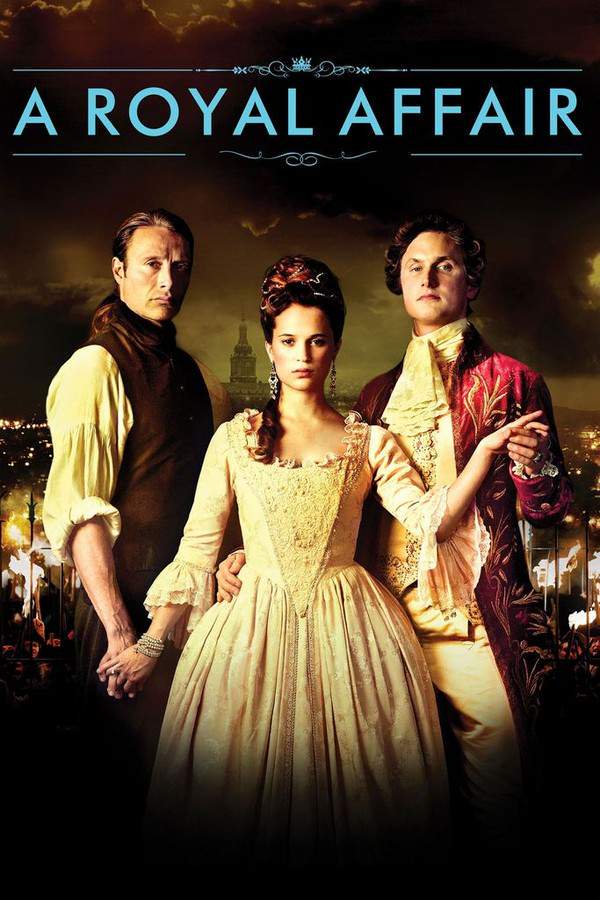
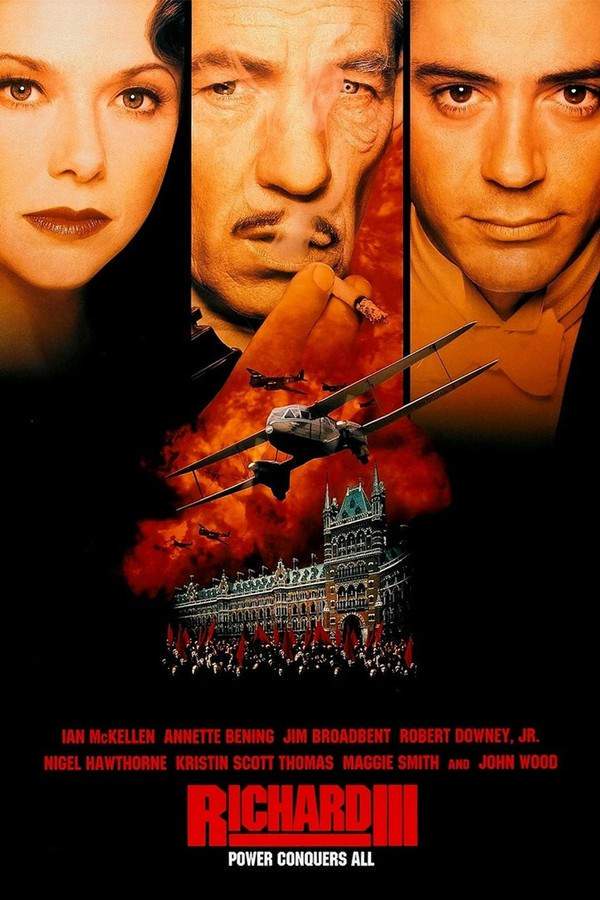
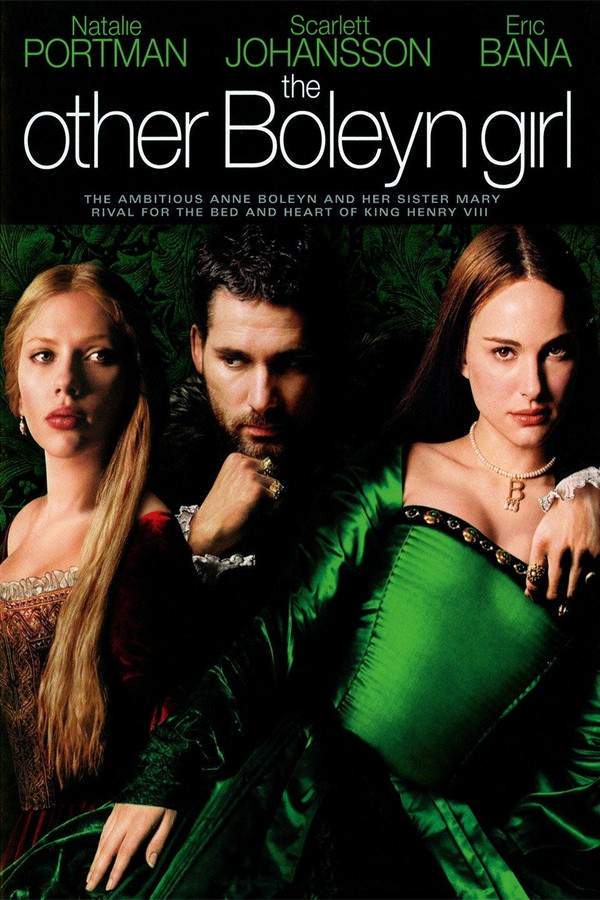
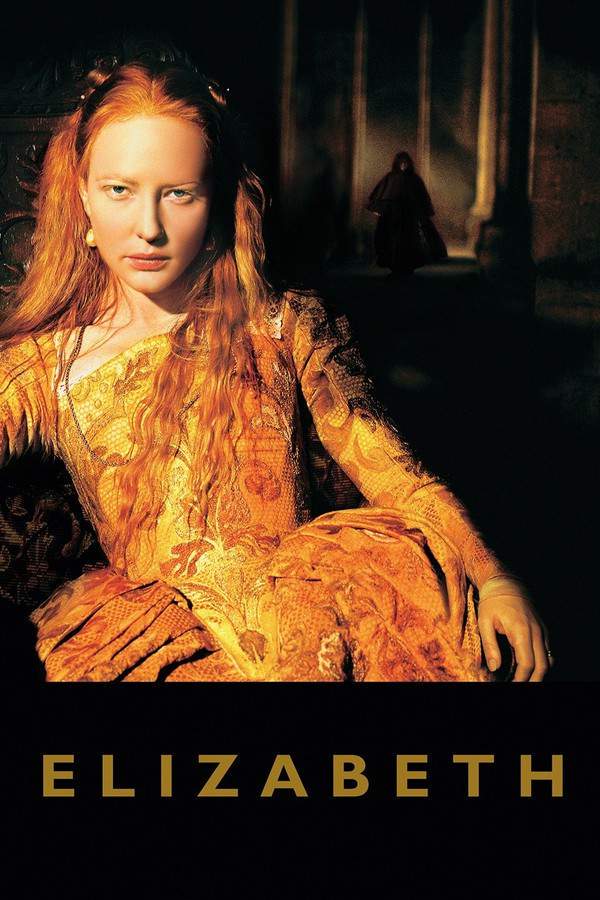
Doomed political romances like in Anne of the Thousand Days

Intense, forbidden love affairs that are crushed by the demands of power and state. Discover movies similar to Anne of the Thousand Days, where a passionate love story is set against a backdrop of political intrigue and power struggles. If you enjoyed the intense romance and tragic consequences of Henry and Anne's affair, these films offer similar high-stakes emotional drama.

  • passionate
  • tense
  • scandalous
  • political
  • doomed
  • betrayal
  • Tone: dark, passionate, tense
  • Pacing: steady
Why these movies?

The story pattern: The narrative pattern revolves around a romance that challenges the established order. The initial passion is often overshadowed by external political forces, leading to a central conflict between personal desire and public duty. The story builds tension as the relationship becomes increasingly unsustainable, inevitably ending in separation or tragedy.

Why they belong together: These films are united by their central conflict: a grand, often illicit romance that is intrinsically linked to political power. They share a high intensity, a dark tone, and a focus on how personal relationships can have monumental, tragic consequences.

If you liked this

Movies Like Anne of the Thousand Days

Similar movies to Anne of the Thousand Days: the same genre, themes or kind of story. Each one comes with its own plot summary, timeline and ending explained.

Browse all movie summaries

Every angle

Anne of the Thousand Days (1969) Explained: Plot, Timeline & Characters

Everything about Anne of the Thousand Days in one place: what happens in the plot summary, the timeline in chronological order, the characters and meaning and a spoiler-free summary. What's After the Movie adds the cast, box office and post-credit scenes.

Coming soon on iOS and Android

The Plot Explained Movie Summary App

Plot summaries, endings explained and timelines on your phone. Catch up on any movie in minutes, save your favorites and never miss a twist again.

Be the first to know when we launch. Your email stays private, always.

Learn more about the app