






Plot Explained Spoilers guaranteed!
Plot Explained

Browse by genre

Anita B. (2015) movie poster

Timeline

Anita B. (2015) Timeline Explained – Every Event in Order

Release, runtime and language
2015 · 88 min · English
Directed by
Roberto Faenza

Following World War II, Anita, a survivor of Auschwitz, seeks healing through a passionate and challenging relationship. As she confronts the lingering effects of her past, she grapples with love, loss, and the difficulty of moving forward. Ultimately, Anita finds the strength to embrace hope and rebuild her life, determined to create a new beginning.

On this page (6)
  1. 1 Where to watch
  2. 2 Events in order (15)
  3. 3 Timeline questions answered
  4. 4 Movie threads
  5. 5 Movies like Anita B.
  6. 6 Every angle

Where to watch

Where to Watch Anita B. (2015)

Where can you watch Anita B.? Stream, rent or buy it in the US, including on Amazon Video, Apple TV Store and Fandango At Home: current JustWatch availability with up-to-date prices.

Streaming availability powered by JustWatch

15 events in order · contains spoilers

Anita B. Timeline: Events in Chronological Order

Every key event of Anita B. (2015) in order, scene by scene, with when and where it takes place. Use it to untangle flashbacks, time jumps and parallel storylines, to refresh your memory before the sequel or to find the exact scene you are thinking of.

  1. End of World War II

    The world begins to emerge from the devastating effects of World War II in 1945. This period marks the start of recovery and rebuilding for many nations, particularly affecting the lives of those who survived the horrors of the war.

    When
    1945
  2. Anita's Ordeal

    Anita, a 16-year-old Hungarian Jewish girl, finds herself orphaned after surviving the atrocities of Auschwitz. This traumatic experience leaves her yearning for a sense of belonging and peace in the aftermath of the war.

    Where
    Auschwitz
  3. Finding Refuge

    Anita seeks refuge with her aunt Monika, uncle Aron, and cousin Roby in Zvíkovské, Czechoslovakia. Their home, once occupied by German expellees, serves as a reminder of the war's brutal impact on their lives.

    Where
    Zvíkovské, Czechoslovakia
  4. Struggles in Refuge

    Despite finding a place to stay, Anita faces emotional challenges due to Monika's cold treatment and strict household rules. Monika forbids any discussions about Anita's past, leaving her feeling isolated.

  5. The Party Incident

    Driven by a desire for connection, Anita attends a party against her aunt's wishes. Her excitement turns to fear as she is confronted by police and arrested for being an 'undesirable,' illustrating the dangers faced by those without documented status.

    Where
    Local Party
  6. Imprisonment

    Anita spends several days in prison before managing to secure identification papers. This experience deepens her understanding of the precariousness of her situation and the impact of the war's aftermath.

    Where
    Prison
  7. Working at the Tailor's Shop

    Upon her release, Anita finds work at a local tailor's shop, where she begins to form a meaningful bond with David, a fellow dreamer. This job provides her a semblance of normalcy and stability.

    Where
    Tailor's Shop
  8. Love with Eli

    Anita enters a passionate and tumultuous romance with Eli, who becomes possessive. As their relationship deepens, it highlights the complexities of love amid trauma and uncertainty.

  9. Anita's Pregnancy

    Upon discovering her pregnancy, Anita turns to Eli for support, but is met with contempt and pressure to abort the child. This moment marks a turning point in her personal struggles, increasing her sense of isolation.

  10. Trip to Prague

    Anita reluctantly accompanies Eli to Prague, hoping to find clarity in their relationship. Instead, she faces emotional turmoil, questioning her choices and her future.

    Where
    Prague
  11. The Doctor's Choice

    In a moment of desperation, Anita meets a doctor to discuss her pregnancy. The doctor, recognizing her fierce desire to keep her baby, administers a sedative instead of performing the abortion, empowering her choice.

  12. Aftermath of Betrayal

    After escaping Eli's manipulative grasp, Anita feels a profound sense of betrayal. This realization forces her to seek refuge in a Jewish reception center, starting her journey towards autonomy.

    Where
    Jewish Reception Center, Prague
  13. Journey to Freedom

    Anita embarks on a transformative journey from Prague to Marseilles, accompanied by other Jewish youth. This journey symbolizes her fight for freedom and a new beginning.

    Where
    Marseilles
  14. Embracing Cultural Heritage

    As she gazes out over the sea in Marseilles, Anita reflects on her cultural heritage. This moment signifies her acceptance of her identity and the hope for a reunited Jewish community.

    Where
    Marseilles
  15. Setting Forth for Jerusalem

    Anita sets her sights on Palestine, travelling alongside other Jewish youth. Their dreams of reaching Jerusalem reflect a broader hope for healing and a brighter future.

    Where
    Jerusalem

Last updated: November 18, 2024 at 20:56

Was this helpful?

Timeline questions answered

Anita B. Timeline Explained: Your Questions Answered

When does it happen, and why in that order? The questions people ask about the chronology of Anita B. (2015): time jumps, flashbacks, cause and effect between scenes and the correct order of events, each answered with spoilers.

Q1

Why does Monika forbid Anita from talking about her past at Auschwitz?

Monika forbids discussions about Anita's past at Auschwitz because Anita lacks proper documentation as a survivor. During the post-war period in Czechoslovakia, undocumented individuals were considered 'undesirable' and could be arrested. Monika fears that if Anita reveals her Auschwitz background without identification papers, she will be detained again or face serious consequences.

Foreshadowing: Earlier in the film, Monika's strict rules about documentation hint at her protective yet cold approach to Anita's safety.

  • monika
  • auschwitz
  • documentation
  • undocumented
  • post-war czechoslovakia
Q2

Why was Anita arrested at the party?

Anita was arrested for being an 'undesirable', a term used in post-war Czechoslovakia for individuals without proper identification papers. Even though she had survived Auschwitz, she lacked documentation proving her identity and citizenship status, making her vulnerable to arrest by the authorities.

Foreshadowing: The film establishes early on that Anita's undocumented status is a constant source of danger throughout the story.

  • arrest
  • party
  • undesirable
  • identification papers
  • prison
Q3

Why does Eli react with contempt when Anita tells him about her pregnancy?

Eli's contemptuous reaction stems from his manipulative and controlling nature. Rather than offering support, he pressures Anita to abort the child because he views the pregnancy as an obstacle to his control over her. His possessive behavior throughout the relationship reveals he wanted Anita dependent on him, not tied down by a child.

Foreshadowing: Eli's possessive tendencies in their earlier romance foreshadow his unwillingness to accept a responsibility that would give Anita further reason to stay.

  • eli
  • pregnancy
  • abortion
  • manipulation
  • possessive
Q4

Why does the doctor give Anita a sedative instead of performing the abortion?

The doctor recognizes Anita's fierce determination to keep her baby despite her difficult circumstances. Instead of performing the abortion procedure, he administers a sedative, effectively giving Anita time and the opportunity to escape. This act of compassion allows Anita to retain her autonomy and make her own choice about her future.

  • doctor
  • abortion
  • sedative
  • compassion
  • autonomy
Q5

What were Eli's true intentions when he took Anita to Prague?

Eli's true intention in taking Anita to Prague was to isolate her further and exert control over her decisions. Rather than supporting her during the crisis, he used the trip to pressure her into terminating the pregnancy, demonstrating his manipulative nature and his desire to keep Anita dependent on him rather than allowing her to have autonomy over her own life.

Foreshadowing: Eli's controlling behavior throughout their relationship culminates in this moment of betrayal in Prague.

  • eli
  • prague
  • manipulation
  • isolation
  • control
Q6

Why does Anita seek refuge at the Jewish reception center in Prague?

After discovering Eli's true manipulative intentions, Anita realizes she cannot return to his control. The Jewish reception center in Prague offers her safety, support, and connection to other Jewish survivors. It becomes the starting point for her journey toward freedom and a new life away from the trauma she experienced in Czechoslovakia.

Foreshadowing: The reception center represents the beginning of Anita's path toward healing and independence.

  • jewish reception center
  • prague
  • refuge
  • escape
  • survivors
Q7

Why does Anita decide to travel to Palestine (Jerusalem)?

Anita chooses to travel to Palestine because it represents hope for a new beginning and a reunion with her cultural heritage. After surviving Auschwitz, losing her family, and escaping Eli's manipulation, the journey to Jerusalem symbolizes her determination to rebuild her life as part of a broader Jewish community. The film portrays this as her way of embracing the future while honoring her identity.

Foreshadowing: The final shots of Anita gazing over the sea in Marseilles reflect the hope and renewal she finds in this journey.

  • palestine
  • jerusalem
  • journey
  • hopeful future
  • cultural heritage
Q8

How does Anita escape from Eli's manipulation?

Anita escapes from Eli's manipulation through a combination of external help and her own inner strength. The doctor who was supposed to perform her abortion gives her a sedative instead, buying her time. In the hotel room after this, Anita gains clarity about Eli's true nature and breaks free, eventually reaching the Jewish reception center in Prague. Her resilience and desire for autonomy drive her to make this decisive escape.

Foreshadowing: The doctor's compassionate act provides the window of opportunity Anita needs to recognize and act upon her situation.

  • escape
  • eli
  • manipulation
  • freedom
  • resilience

Movie threads

More Movies Like Anita B., by Mood & Story

Curated lists built around what makes Anita B. tick: the same mood, the same kind of story or the same emotional payoff. Each list explains why these movies belong together.

Movies about resilience after trauma like Anita B.

Stories of survivors rebuilding their lives after profound loss and tragedy. If you were moved by Anita B.'s journey from Auschwitz to hope, explore more movies like it. This collection features powerful dramas about characters overcoming profound trauma, loss, or grief, and finding the strength to rebuild their lives with a hard-won sense of hope.

  • somber
  • hopeful
  • resilient
  • traumatic
  • introspective
  • emotional
  • Tone: dark, hopeful
  • Pacing: steady, character-driven
Why these movies?

The story pattern: The narrative pattern follows a protagonist emerging from a deeply traumatic event. The story charts their struggle with the lingering psychological effects, often through challenging relationships or existential crises, culminating in a pivotal moment where they choose to embrace life and hope again.

Why they belong together: These movies are grouped by their shared emotional arc from darkness to light. They balance the heavy weight of past suffering with a central theme of human resilience, creating a deeply moving yet ultimately uplifting viewing experience.
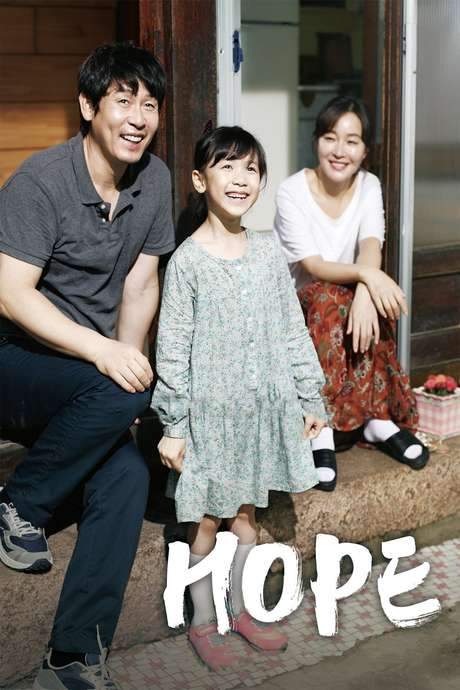

Post-war dramas with complex relationships like Anita B.

Intimate stories set in the fragile aftermath of war, focusing on personal battles. Fans of Anita B.'s post-World War II setting will find similar movies here. Discover other character-driven dramas set in the aftermath of war, where survivors grapple with trauma, form complicated bonds, and face the difficult task of rebuilding their lives and identities.

  • somber
  • oppressive
  • melancholic
  • tense
  • historical
  • moral ambiguity
  • Tone: somber, melancholic
  • Pacing: steady, deliberate
Why these movies?

The story pattern: These narratives are set against the backdrop of a society picking up the pieces after a war. They focus on intimate, personal stories—often involving fraught relationships, moral ambiguity, and the struggle to reconcile a traumatic past with an uncertain future—rather than large-scale battle scenes.

Why they belong together: Movies in this thread share a specific historical context that shapes every interaction. The atmosphere is often somber and oppressive, with characters carrying invisible wounds, creating a coherent vibe of fragile humanity amidst vast devastation.

If you liked this

Movies Like Anita B.

Similar movies to Anita B.: the same genre, themes or kind of story. Each one comes with its own plot summary, timeline and ending explained.

Browse all movie summaries

Every angle

Anita B. (2015) Explained: Plot, Timeline & Characters

Everything about Anita B. in one place: what happens in the plot summary, the timeline in chronological order, the characters and meaning and a spoiler-free summary. What's After the Movie adds the cast, box office and post-credit scenes.

Coming soon on iOS and Android

The Plot Explained Movie Summary App

Plot summaries, endings explained and timelines on your phone. Catch up on any movie in minutes, save your favorites and never miss a twist again.

Be the first to know when we launch. Your email stays private, always.

Learn more about the app