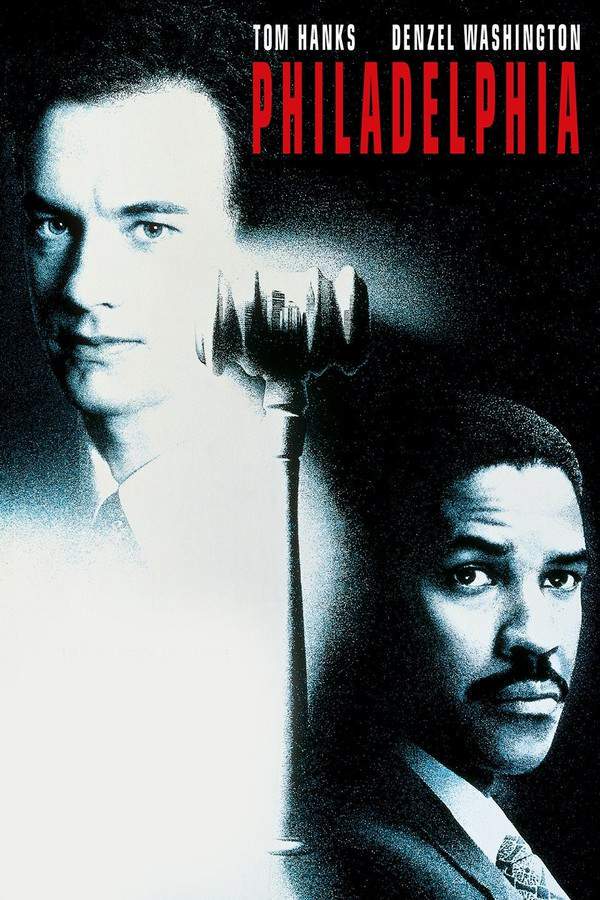
Michael Pierson, Michael Pierson, a successful lawyer, experiences a severe coughing jag at work and is rushed to the hospital. There, a doctor informs him that he has been exposed to HIV. At home, he receives another disturbing revelation: his partner, Peter Hilton, confesses that he had sex outside the relationship because Michael is a workaholic and is living in the closet. Michael, in a blaze of anger, throws Peter out and heads to his parents’ house to tell them that he is gay and has AIDS.
Michael’s father, Nick Pierson, is a lumber company owner, and his wife, Katherine Pierson, a former concert pianist, homemaker, and grandmother, tries to hold the family together as the news lands. Their daughter, Susan Maracek, is married and pregnant, and she finds it hardest to confront the change in the family’s dynamic. Nick’s initial response is a volatile mix of denial and fury, a reaction that strains every relationship in the room. “I never thought the day would come when you’d be in front of me and I wouldn’t know who you are,” he finally blurts out, a line that underscores the raw fear and heartbreak rippling through the household.
Kate, trying to keep the family afloat, remembers reading that HIV isn’t transmitted through casual contact and works to sway the rest of the family toward acceptance. She even tapes a public service announcement about HIV transmission, a quiet, real-world effort to educate and reduce stigma in the midst of fear. Yet the walls of denial remain thick as Michael's condition becomes a focal point of the household’s tensions, and the film continues to push the story forward with unflinching honesty.
As the situation intensifies, Michael ends up in the hospital, a trip that is complicated by the hospital staff’s reluctance to transport him from his parents’ home. There, he meets Victor DiMato, a flamboyant homosexual patient with AIDS, whose presence starkly mirrors the fear and prejudice surrounding the disease. Victor DiMato becomes a poignant counterpart to Michael’s struggle, and the film does not shy away from showing the grim realities of life with AIDS—Victor’s death and the desexualized, almost clinical manner in which a nurse disposes of his meager belongings, fearing contamination, lay bare the social fear that still surrounds illness and difference.
When Michael returns home, Peter has come to visit, and the two quickly reconcile, choosing to face their lives apart rather than surrender to fear. Peter asks Michael to return with him, but Michael insists that he cannot. The couple’s attempt to find footing amid the diagnosis marks a fragile, carefully observed moment of connection and resistance against despair.
With the diagnosis weighing on him, Michael’s resolve wavers and he contemplates ending his life with carbon monoxide poisoning. Nick intervenes, insisting that Michael fight on. The family’s tension finally begins to thaw as they argue, argue, and finally begin to listen to one another, each voice a reminder of the love that still binds them.
In the end, Michael chooses to move forward on his own terms. He takes a taxi to the airport, heading back to Chicago with a pledge to tell his parents he loves them before he leaves, a quiet, stubborn affirmation of life in the face of fear and stigma. The film closes on a note of hard-won, imperfect acceptance, the kind that comes from confronting a difficult reality with honesty, empathy, and stubborn endurance.
> I never thought the day would come when you'd be in front of me and I wouldn't know who you are.