Plot Explained Spoilers guaranteed!
Plot Explained

Browse by genre

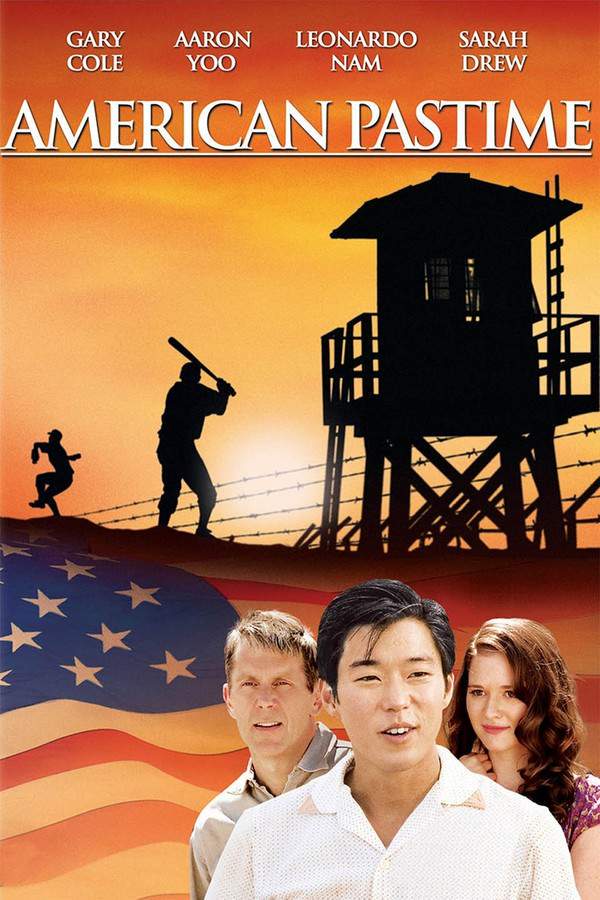
American Pastime (2007) movie poster

Plot Summary

American Pastime (2007) Plot Summary Explained

Release, runtime and language
2007 · 105 min · English
Loading streaming availability…
Directed by
Desmond Nakano

During World War II, Japanese American families are uprooted and unjustly confined to internment camps. Facing profound uncertainty and prejudice, they discover strength and camaraderie through baseball. The sport becomes a powerful symbol of hope and resilience as they navigate the challenges of their situation and seek to demonstrate their unwavering loyalty to their country.

On this page (6)
  1. 1 Where to watch
  2. 2 What happens: full plot
  3. 3 Plot questions answered
  4. 4 Movie threads
  5. 5 Movies like American Pastime
  6. 6 Every angle
Loading streaming availability…

Full plot summary · contains spoilers

What Happens in American Pastime: Full Plot Summary

The whole story of American Pastime (2007) explained, from the opening scene to the final frame: every key event, every twist and what it all adds up to. Read it as a quick recap before the sequel, to check a scene you missed, or to finally understand what really happened.

The film opens with a poignant depiction of the Nomura family, a quintessential American family of Japanese heritage living in 1941. This family consists of Japanese-born parents and their two American-born sons, Lane and Lyle. Their lives take a dramatic turn when they are compelled to vacate their Los Angeles home due to the infamous Executive Order 9066, enacted by President Franklin Delano Roosevelt. This decree permitted the forced removal of Japanese Americans from the West Coast, and the film showcases real historical footage illustrating the harrowing roundup of families, many of whom, like the Nomura siblings, were American citizens by birth.

The Nomuras find themselves relocated to a desolate and dusty desert camp, vividly portrayed with actual footage from the Topaz War Relocation Center, expertly captured by Dave Tatsuno using a secretly smuggled camera. The patriarch of the Nomura family, once a celebrated professional baseball player, quickly organizes an in-camp baseball league. Among the guards is Billy Burrell, played by Gary Cole, a minor-league baseball player who harbors resentment after being overlooked by a New York Yankees scout. With many top players off serving in the war, Burrell sees this as a potential opportunity.

Meanwhile, Lane Nomura, the eldest son, makes the selfless decision to enlist in the army, joining the esteemed 442nd Regimental Combat Team, famously known as the "Purple Heart Battalion." One guard, who initially disapproves of Japanese Americans joining the military, undergoes a transformation upon learning about the brave men from Topaz who have sacrificed their lives in the line of duty, rescuing a Texas battalion.

The younger son, Lyle, becomes increasingly rebellious and infuriated by the injustices of internment. However, his anger begins to shift towards a desire to prove himself when the Topaz team faces off against Burrell and a local minor league team, where some members openly display their bigotry and disdain for the internees. This highlights not only the struggles of the Nomura family but also the resilience of Japanese Americans who fought for their dignity and rights amidst adversity.

Last updated: November 03, 2024 at 15:27

Was this helpful?

Plot questions answered

American Pastime Plot Explained: Your Questions Answered

The questions people ask most about American Pastime (2007): what happens in the confusing scenes, why the characters do what they do, the twists, hidden details and what the ending means. Each answer contains spoilers.

Q1

Why were Japanese American families forced into internment camps?

Japanese American families were forcibly removed from their homes due to Executive Order 9066, signed by President Franklin D. Roosevelt in 1942. This executive order allowed the military to designate certain areas as 'military zones' and permitted the forced relocation of anyone of Japanese ancestry from the West Coast. Despite many families being American citizens by birth, like the Nomura brothers, they were uprooted based on fear and prejudice rather than any actual evidence of disloyalty.

Foreshadowing: The film opens by establishing the Nomura family as a typical American family to emphasize the injustice of their subsequent removal.

  • executive order 9066
  • japanese american internment
  • world war 2
  • forced relocation
  • discrimination
Q2

Why did Lane Nomura enlist in the army despite being interned?

Lane Nomura enlisted in the Army to prove his loyalty to the United States and to demonstrate that Japanese Americans were trustworthy citizens. He joined the 442nd Regimental Combat Team, an all-Japanese American unit that became one of the most decorated in U.S. military history. Despite his family being unjustly confined in an internment camp, Lane wanted to fight for his country to counter the prejudice that suggested Japanese Americans were disloyal.

  • lane nomura
  • 442nd regimental combat team
  • purple heart battalion
  • japanese american soldiers
  • patriotism
Q3

What was the 442nd Regimental Combat Team?

The 442nd Regimental Combat Team was an elite unit composed almost entirely of Japanese American soldiers, many of whom came from internment camps. Despite facing discrimination at home, these soldiers served with distinction and became one of the most decorated units in U.S. military history, earning numerous Purple Hearts, Silver Stars, and Medal of Honor recognitions. They were famously known as the 'Purple Heart Battalion' and gained particular fame for rescuing the 'Lost Battalion' of Texas soldiers in Europe.

  • 442nd regimental combat team
  • purple heart battalion
  • japanese american soldiers
  • world war 2 military
  • heroism
Q4

Why did the camp guard change his attitude toward Japanese Americans?

The guard underwent a transformation after learning about the bravery and sacrifices of Japanese American soldiers from Topaz who served in the 442nd Regimental Combat Team. Specifically, he heard stories of how these soldiers risked their lives to rescue a Texas battalion, proving through their courageous actions that Japanese Americans were loyal and willing to die for their country. This firsthand account of heroism shifted his perception from disapproval to respect.

  • guard transformation
  • japanese american loyalty
  • 442nd heroism
  • prejudice reversal
  • soldier sacrifice
Q5

Why did the Nomura father organize baseball in the internment camp?

The Nomura father, himself a former professional baseball player, organized the in-camp baseball league to bring a sense of normalcy, community, and hope to the interned families. Baseball represented American values and provided a way for the community to maintain their dignity and spirit despite the harsh conditions of the desert camp. The sport became a powerful symbol of resilience, allowing internees to connect with their identity as Americans while enduring unjust confinement.

  • baseball league
  • community hope
  • american identity
  • camp life
  • resilience
Q6

Why was the baseball game against the local minor league team significant?

The baseball game was significant because it became a platform for Japanese Americans to prove their worth in the face of open bigotry. When the Topaz team faced Burrell and his local minor league team, some opponents openly displayed their disdain for the internees. The game represented an opportunity to challenge prejudice through athletic competition and demonstrate that Japanese Americans deserved respect and recognition as loyal citizens.

  • baseball game
  • minor league team
  • bigotry
  • proof of worth
  • confrontation
Q7

Why did Lyle become rebellious in the internment camp?

Lyle became increasingly rebellious because he was frustrated by the profound injustice of being confined in an internment camp despite being an American citizen by birth. His anger stemmed from losing his home, his freedom, and his dignity simply because of his Japanese heritage. This rebellion reflected the broader sentiment among younger internees who struggled against their imposed circumstances and sought ways to resist the injustice they were experiencing.

  • lyle nomura
  • rebellion
  • youth anger
  • internment injustice
  • american citizenship
Q8

Who was Billy Burrell and why was he resentful?

Billy Burrell was one of the guards at the Topaz War Relocation Center who was also an aspiring minor-league baseball player. He harbored resentment because he had been overlooked by a New York Yankees scout, despite believing he had the talent to play professionally. With many top baseball players serving in the war, Burrell saw the opportunity to possibly advance his baseball career, which added personal ambition to his role as a camp guard.

  • billy burrell
  • minor league baseball
  • guard resentment
  • yankees scout
  • personal ambition
Q9

How did baseball become a symbol of hope in the film?

Baseball became a symbol of hope because it represented normalcy, community, and American values amid the harsh reality of internment. For Japanese Americans who had been stripped of their homes, freedom, and dignity, the baseball league provided a way to reclaim their identity and demonstrate their spirit. The sport allowed internees to come together as a community, maintain their humanity, and prove through their resilience that they deserved the same rights and respect as any other American.

  • baseball symbol
  • hope
  • community
  • resilience
  • american values
Q10

What was the historical context of Topaz War Relocation Center?

Topaz War Relocation Center was one of ten internment camps where Japanese Americans were forcibly relocated during World War II. Located in Utah's desert, it housed around 8,000 internees in harsh conditions. The film uses actual footage captured by Dave Tatsuno, who secretly smuggled a camera into the camp, providing authentic visual documentation of camp life and the desolate environment that interned families were forced to endure.

  • topaz war relocation center
  • utah desert
  • internment camp
  • historical footage
  • dave tatsuno
Q11

Why did Japanese Americans want to prove their loyalty to the United States?

Japanese Americans wanted to prove their loyalty because they faced widespread suspicion and prejudice despite many being American citizens by birth. The government and many civilians questioned their loyalty simply based on ancestry, which created a powerful motivation for Japanese Americans to demonstrate through military service and other means that they were truly American. This desire to prove loyalty drove both Lane's enlistment and the team's determination to win the baseball game against biased opponents.

  • japanese american loyalty
  • proving loyalty
  • discrimination
  • american citizenship
  • world war 2
Q12

What message does the film convey about resilience?

The film conveys that resilience involves maintaining one's dignity, community, and hope even in the face of profound injustice. Through the Nomura family and other internees, the movie shows that strength is found in community support, in continuing traditions like baseball, and in proving one's character through action rather than words. The bittersweet ending celebrates the victories of spirit, the heroism of the 442nd and the dignity of those who endured, while acknowledging the ongoing struggles and losses faced by Japanese Americans.

  • resilience message
  • dignity
  • hope
  • community strength
  • japanese american experience

Movie threads

More Movies Like American Pastime, by Mood & Story

Curated lists built around what makes American Pastime tick: the same mood, the same kind of story or the same emotional payoff. Each list explains why these movies belong together.

Movies about resilience against injustice like American Pastime

Stories of communities finding strength and solidarity when faced with systemic oppression. If you admired the powerful story of resilience in 'American Pastime', explore these other films that depict communities finding hope and solidarity while facing systemic prejudice and hardship. These movies share a focus on dignity, endurance, and the strength found in unity during difficult times.

  • resilient
  • somber
  • hopeful
  • inspiring
  • poignant
  • tense
  • Tone: hopeful, somber, poignant
  • Pacing: steady, character-driven
Why these movies?

The story pattern: Narratives in this thread typically center on a group or community unjustly targeted or oppressed. The story follows their internal and external struggles, highlighting how they build resilience, maintain cultural identity, and find meaning through shared activities or quiet acts of defiance, often leading to a bittersweet but hopeful conclusion.

Why they belong together: Movies are grouped here for their shared thematic focus on resilience, community, and the human response to systemic injustice. They balance heavy emotional subject matter with a hopeful tone, creating a viewing experience that is somber yet inspiring.

Movies where sports provide hope like American Pastime

Where a game becomes a powerful symbol of unity, spirit, and resilience in tough times. For viewers who loved how baseball symbolized resilience in 'American Pastime', this collection features films where a sport becomes a central source of hope, unity, and identity for characters facing adversity. Discover similar uplifting stories where the game is about more than just winning.

  • inspiring
  • hopeful
  • resilient
  • patriotic
  • poignant
  • uplifting
  • Tone: inspiring, hopeful, bittersweet
  • Pacing: steady
Why these movies?

The story pattern: The narrative pattern involves characters in a difficult situation—often historical adversity or personal struggle—who turn to a sport. The game provides structure, purpose, and a way to prove their worth to themselves and others. The climax often revolves around a significant game or match that symbolizes their emotional journey.

Why they belong together: These films are connected by the central role of sports as a narrative device for exploring themes of hope, community, and resilience. They share a specific emotional mix: the visceral thrill of competition intertwined with heavier dramatic themes, resulting in an inspiring and often bittersweet experience.

If you liked this

Movies Like American Pastime

Similar movies to American Pastime: the same genre, themes or kind of story. Each one comes with its own plot summary, timeline and ending explained.

Browse all movie summaries

Every angle

American Pastime (2007) Explained: Plot, Timeline & Characters

Everything about American Pastime in one place: what happens in the plot summary, the timeline in chronological order, the characters and meaning and a spoiler-free summary. What's After the Movie adds the cast, box office and post-credit scenes.

Coming soon on iOS and Android

The Plot Explained Movie Summary App

Plot summaries, endings explained and timelines on your phone. Catch up on any movie in minutes, save your favorites and never miss a twist again.

Be the first to know when we launch. Your email stays private, always.

Learn more about the app