
After Life
Year: 2002
Runtime: 123 mins
Language: French
In the final chapter of Lucas Belvaux’s trilogy, police officer Pascal regains credibility by chasing escaped convict Bruno, hidden by his morphine‑dependent wife Agnes. Pascal’s fragile bond with Agnes further unravels when he falls for her schoolteacher friend Cecile. While Pascal obsesses over the hunt and his new love, Agnes must confront her addiction and survive alone.
After Life (2002) – Spoiler-Free Movie Summary & Plot Overview
Get a spoiler-free look at After Life (2002) with a clear plot overview that covers the setting, main characters, and story premise, without revealing key twists or the ending. Perfect for deciding if this film is your next watch.
In a muted town where the quiet hum of daily life is punctuated by the soft rustle of funeral shrouds, the story unfolds within the solemn walls of a family‑run funeral home. The setting is both intimate and unsettling, a place where the rituals of saying goodbye are performed with meticulous care, yet an undercurrent of mystery lingers in every polished surface and dimly lit hallway. The atmosphere is lingered in gentle melancholy, inviting the audience to linger on the thin line between comfort and dread.
Eliot Deacon, the proprietor, tends to his work with a quiet reverence, speaking to the departed as if they were old friends. His calm demeanor conceals an uncanny sensitivity that he attributes to a personal “gift” – an ability to hear those who have crossed over. When Anna Taylor, a dedicated middle‑school teacher, arrives for the funeral of her piano instructor, a chance encounter pulls her into Eliot’s world. Her strained relationship with her boyfriend, Paul, adds an emotional weight that hovers over the proceedings, hinting at unresolved feelings that may surface in the days to come.
The core of the narrative steadies on the uneasy partnership that forms between Eliot and Anna. After a sudden, disorienting incident, Anna awakens inside the funeral home, finding herself caught between familiar reality and an eerie new existence. Eliot’s promise that he can guide her through this liminal space sets the tone for a meditation on mortality, memory, and the fragile ties that bind the living to the dead. As the two navigate this uncanny intersection, the film balances tender introspection with a lingering sense of suspense, leaving viewers to wonder where the boundary between life and the after‑life truly lies.
Last updated: August 10, 2025 at 11:20

Explore Movie Threads
Discover curated groups of movies connected by mood, themes, and story style. Browse collections built around emotion, atmosphere, and narrative focus to easily find films that match what you feel like watching right now.
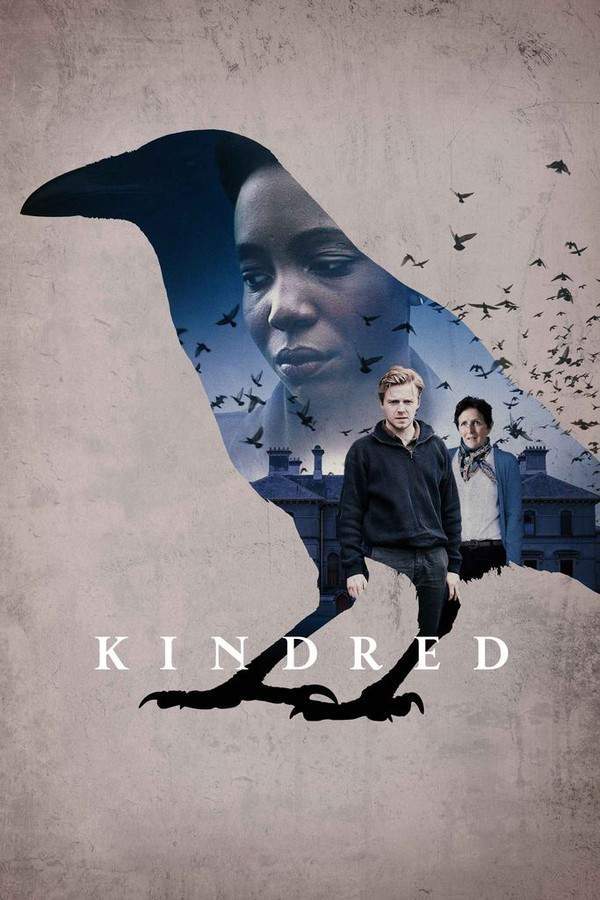
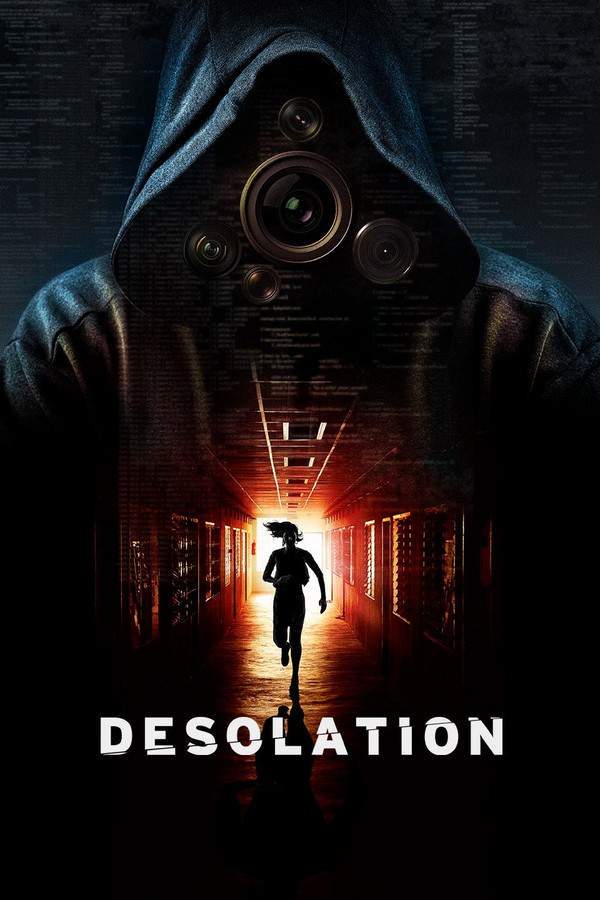
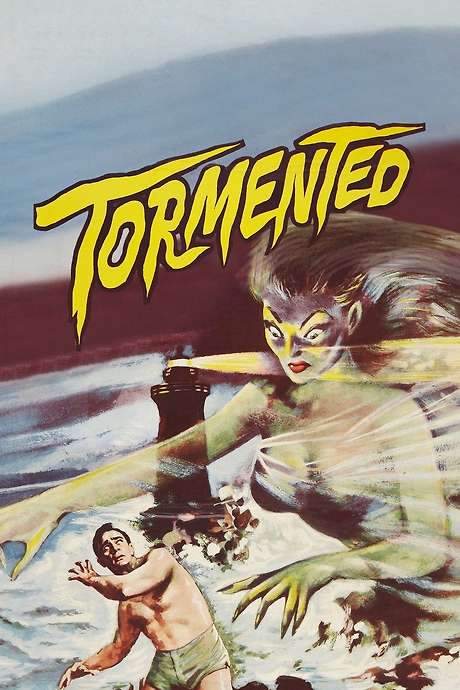
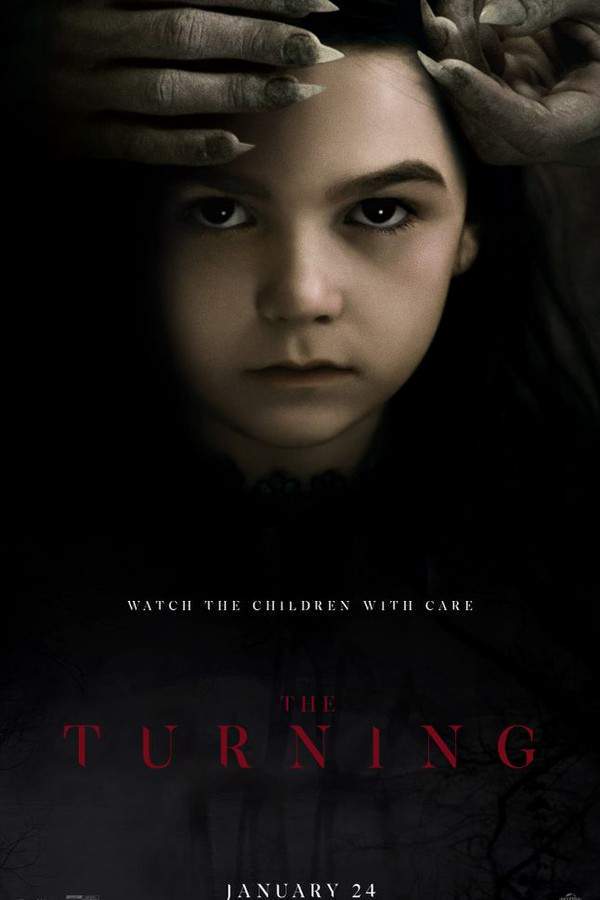
Claustrophobic psychological thrillers like After Life
Stories where the mind is the ultimate prison and reality is a trap. If you liked the oppressive tension and psychological manipulation in After Life, explore more movies where characters are trapped by deception or confinement. These films share a dark tone and heavy emotional weight, focusing on stories of false imprisonment, gaslighting, and a chilling, claustrophobic atmosphere.










Narrative Summary
Narratives often follow a character whose perception of reality is systematically dismantled by an external force or their own psyche. The plot is a tightening vise, where escape attempts are met with escalating psychological torment, frequently leading to a bleak or ambiguous resolution that confirms the depths of the trap.
Why These Movies?
Movies are grouped here based on their shared focus on psychological confinement, a consistently dark and tense tone, and a steady pacing that builds unbearable dread. They prioritize emotional manipulation and the horror of losing autonomy over one's own mind.
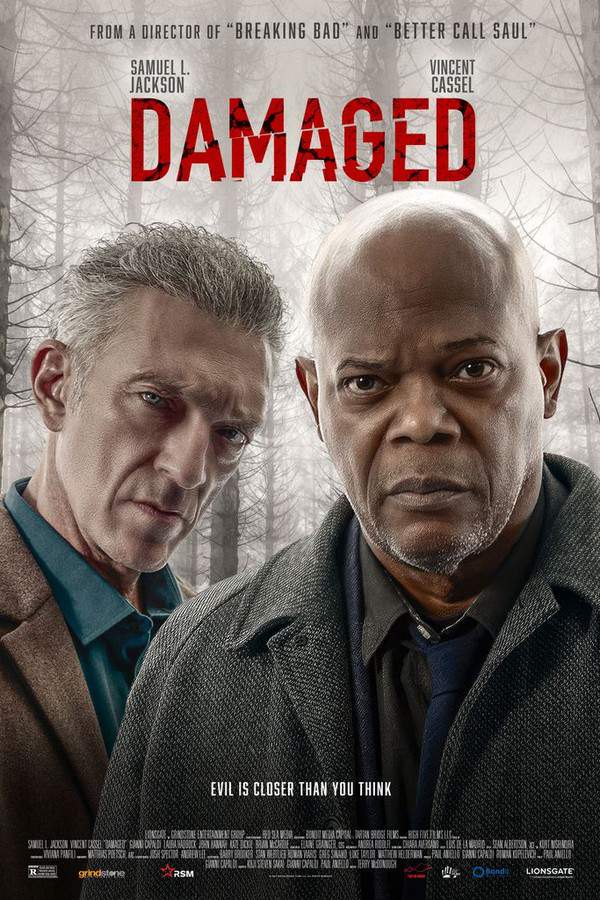
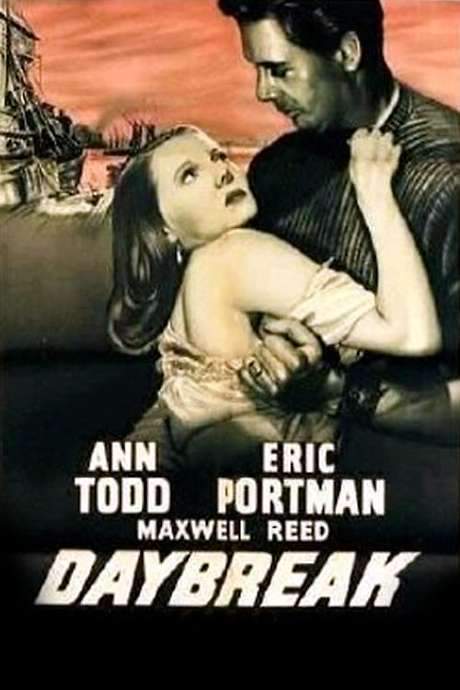
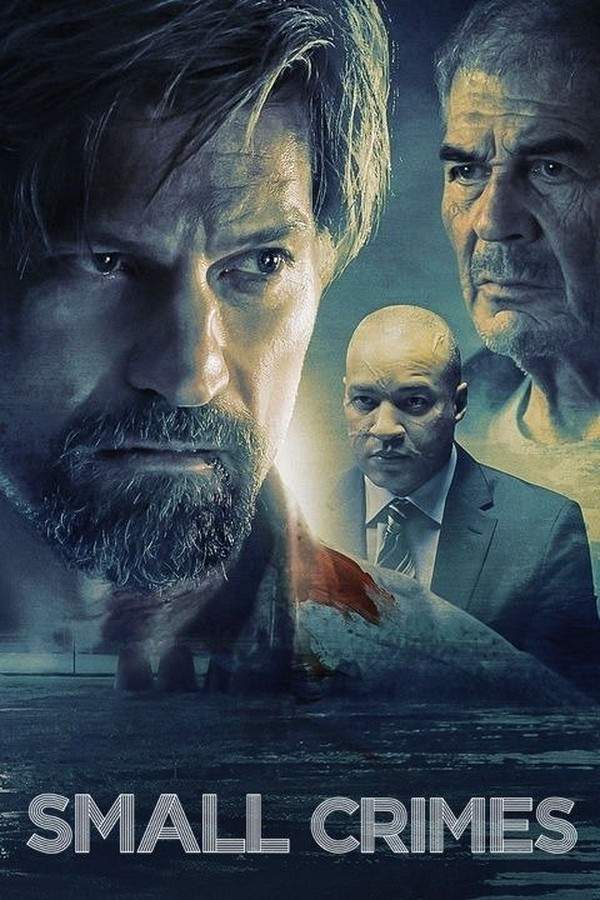
Bleak crime dramas with moral collapse like After Life
Crime stories where the pursuit of justice or obsession leads to utter ruin. Fans of the grim downfall and heavy consequences in After Life will find similar stories here. These movies feature crime-focused plots where characters' obsessions unravel their lives, resulting in sad, bleak endings. They share a steady pacing, high intensity, and a dark, psychological exploration of failure.








Narrative Summary
The narrative pattern involves a central obsession that corrupts the protagonist's moral compass. As they pursue this goal within a criminal context, their personal relationships disintegrate, and their world collapses inward. The story is a downward spiral, methodically moving towards an inevitable, tragic conclusion that offers no solace.
Why These Movies?
These films are connected by their unwavering dark tone, heavy emotional weight, and devastatingly bleak endings. They share a similar pacing that allows the tragedy to unfold methodically, and a focus on the psychological cost of obsession within a crime-driven plot.
Unlock the Full Story of After Life
Don't stop at just watching - explore After Life in full detail. From the complete plot summary and scene-by-scene timeline to character breakdowns, thematic analysis, and a deep dive into the ending - every page helps you truly understand what After Life is all about. Plus, discover what's next after the movie.
After Life Summary
Read a complete plot summary of After Life, including all key story points, character arcs, and turning points. This in-depth recap is ideal for understanding the narrative structure or reviewing what happened in the movie.

After Life Timeline
Track the full timeline of After Life with every major event arranged chronologically. Perfect for decoding non-linear storytelling, flashbacks, or parallel narratives with a clear scene-by-scene breakdown.


